Okay, let's dust off a slightly more obscure cassette for today's viewing, one that might not have been a blockbuster rental but holds a peculiar charm and offers a fascinating glimpse into a specific time and place. We're talking about the 1983 Polish television film (often presented in parts), Złodzieje i Rabusie (Thieves and Robbers). Finding this gem now feels like unearthing a time capsule, not just of filmmaking, but of a society grappling with scarcity, ingenuity, and the blurred lines between survival and crime.
A Glimpse Behind the Iron Curtain's Veil
What immediately strikes you about Złodzieje i Rabusie isn't explosive action or high-tech thrills, but its grounded, almost documentary-like feel, despite being a fictional crime narrative. Directed by Michał Dudziewicz and penned by Andrzej Mandalian and Jerzy Górzański, the film (or mini-series, depending on how you encountered it) plunges us into the gritty reality of Poland in the early 1980s. This wasn't the neon-drenched West; it was a world of queues, shortages, and a pervasive sense that the system wasn't quite working for the average person. The plot revolves around a group of small-time crooks trying to navigate this landscape, their schemes often reflecting the societal absurdities and everyday struggles of the era. It’s less Ocean's Eleven and more a weary, knowing nod to making do, often by bending or breaking the rules.
Portraits of Pragmatism and Petty Crime
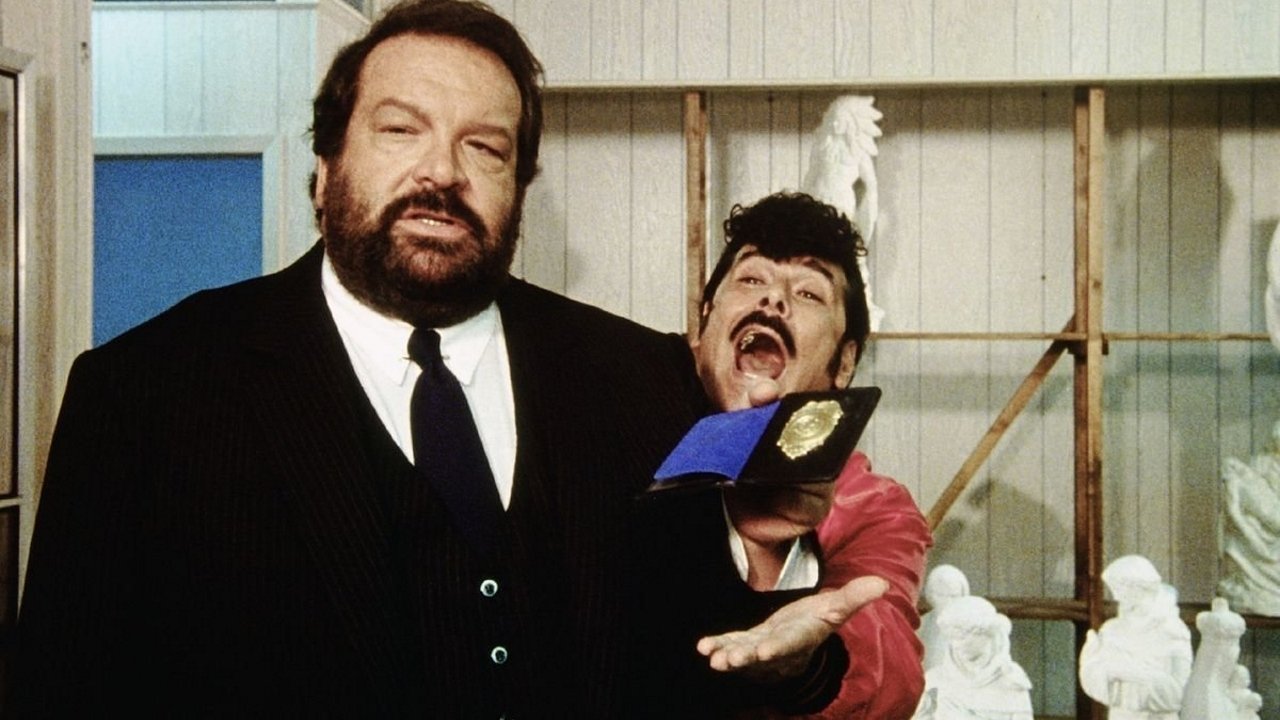
The real draw here lies in the performances, particularly from actors who were, and remain, titans of Polish cinema. Marian Kociniak, Jerzy Stuhr, and Jan Nowicki lead the ensemble, and watching them work is a masterclass in understated authenticity. They don't play caricatures; they inhabit characters etched with the weariness and cunning forged by circumstance. Jerzy Stuhr, who Western audiences might recognize from Krzysztof Kieślowski's Three Colours: White (1994) or his own directorial work, brings a particular blend of vulnerability and shrewdness. Kociniak, a beloved comedic and dramatic actor in Poland, grounds his character with a relatable humanity, even amidst questionable actions. And Nowicki, often playing charismatic or intense figures, adds a layer of gravitas. Their interactions feel lived-in, their dialogue capturing the cadence and concerns of the time without resorting to melodrama. You believe these men exist, navigating a world where a clever scam might be the only way to get ahead, or simply get by. What does their resourcefulness, often bordering on the illegal, say about the larger societal structures they inhabit?
Made for TV, Felt on the Street
Understanding that Złodzieje i Rabusie was produced for television by Telewizja Polska (Polish Television) is crucial. This wasn't a lavish cinematic production aiming for international markets; it was made for a domestic audience who would intimately understand the nuances of the shortages, the bureaucratic hurdles, and the specific social climate depicted. This context likely influenced its aesthetic – less polished, perhaps, than its Western contemporaries, but imbued with a raw immediacy. Filming in Poland during this period often meant navigating logistical challenges and potential censorship hurdles, although this film seems more focused on social observation than overt political critique. The budget constraints, common for TV productions of the era, likely contributed to its realistic feel – no flashy car chases, but rather tense dialogues in cramped apartments or clandestine meetings in dimly lit bars. It’s a reminder that compelling drama doesn’t always require Hollywood budgets, but rather keen observation and strong performances. Did the very limitations of its production inadvertently enhance its authenticity?
Echoes of Everyday Hustle
While set in a specific Polish context, the underlying themes resonate more broadly. The film explores that universal grey area where desperation meets opportunity. It questions the nature of morality when the official systems seem inadequate or corrupt. It’s about the ingenuity born of necessity, the formation of unconventional communities, and the subtle ways people adapt to survive. Watching it today, decades removed from the specific political climate of early 80s Poland, you might find yourself reflecting on how economic pressures and societal limitations shape behavior in any era. The backdrop might be different, but the human impulse to find a way, sometimes skirting the edges of the law, feels timeless.
Does it have the pacing or visual flair of the 80s blockbusters we often celebrate here on VHS Heaven? No, and that’s precisely its strength. It offers something different: a character-driven dive into a specific historical moment, told through the accessible lens of a crime story. It feels less like a movie about the past and more like a transmission from it.
Final Reckoning

Złodzieje i Rabusie is a fascinating artifact, particularly for viewers interested in European cinema or slices of life from behind the Iron Curtain during the VHS era. Its strength lies in its authentic atmosphere, nuanced performances from Polish acting royalty, and its quiet observation of human behavior under pressure. It might lack the polish or explosive action of mainstream Western fare, but its grounded realism and thematic depth offer a rewarding, if more contemplative, viewing experience. It’s a reminder that sometimes the most compelling stories are found not in grand epics, but in the intricate details of everyday struggles and hustles.
Rating: 7/10 - A solid, well-acted, and atmospheric piece of Polish television history that offers a valuable, grounded perspective distinct from typical 80s genre fare. Its pacing and specific cultural context might require patience, but the performances and thematic depth make it a worthwhile discovery for the curious retro viewer.
It leaves you pondering not just the characters' fates, but the subtle, often unseen ways that history and circumstance shape the choices we all make.