Okay, fellow tapeheads, let’s rewind to a truly curious find from the glory days of the corner video store, a title that probably raised a few eyebrows back in '83 just based on the names involved: Deal of the Century. Picture this: the director of The Exorcist and The French Connection, teaming up with the writer of Risky Business, starring the king of deadpan cool Chevy Chase? It sounds like a can't-miss proposition, a guaranteed rental… and yet, this one landed with a bit of a thud, becoming one of those fascinating oddities that makes you wonder just what happened behind the flickering cathode rays.
### An Arms Deal You Can (Maybe) Refuse
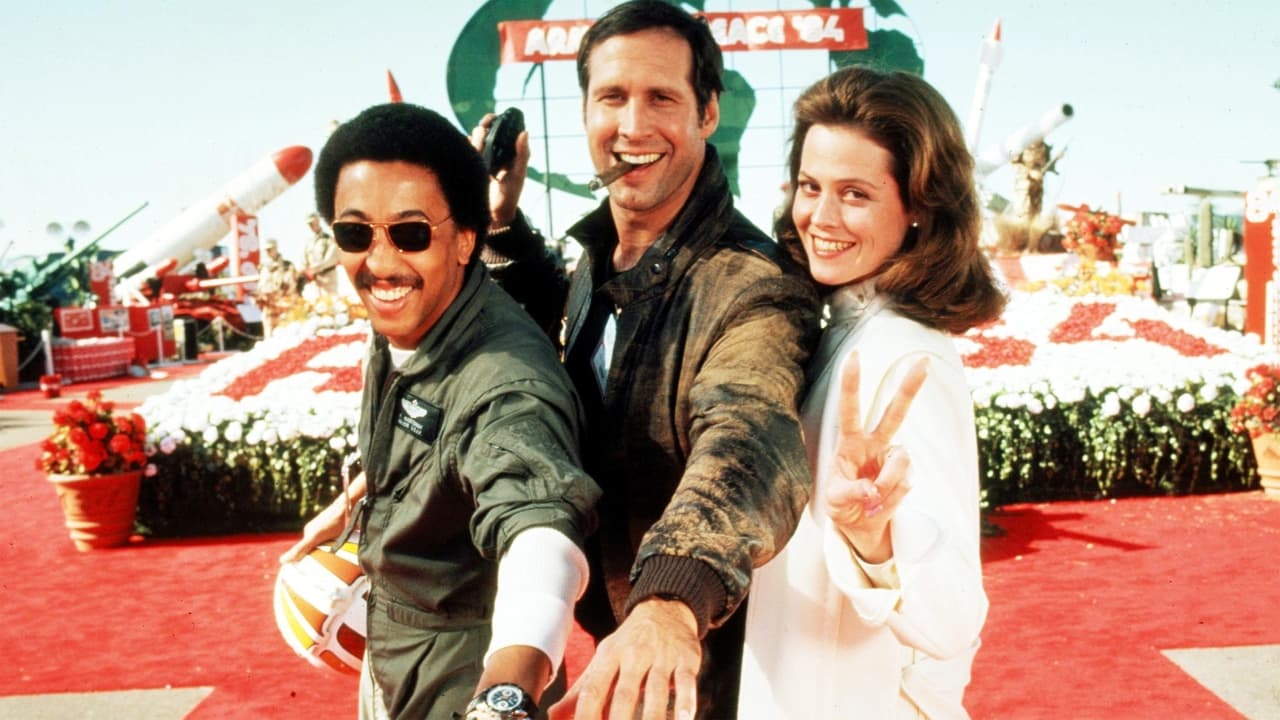
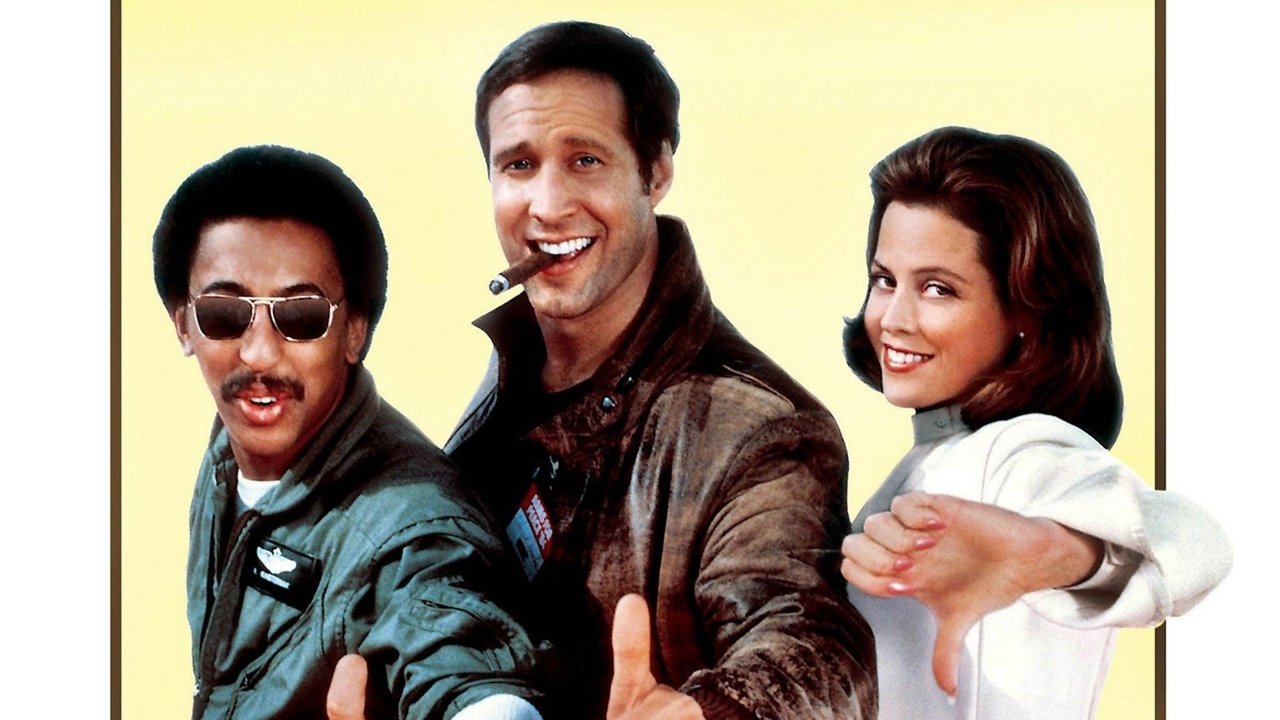
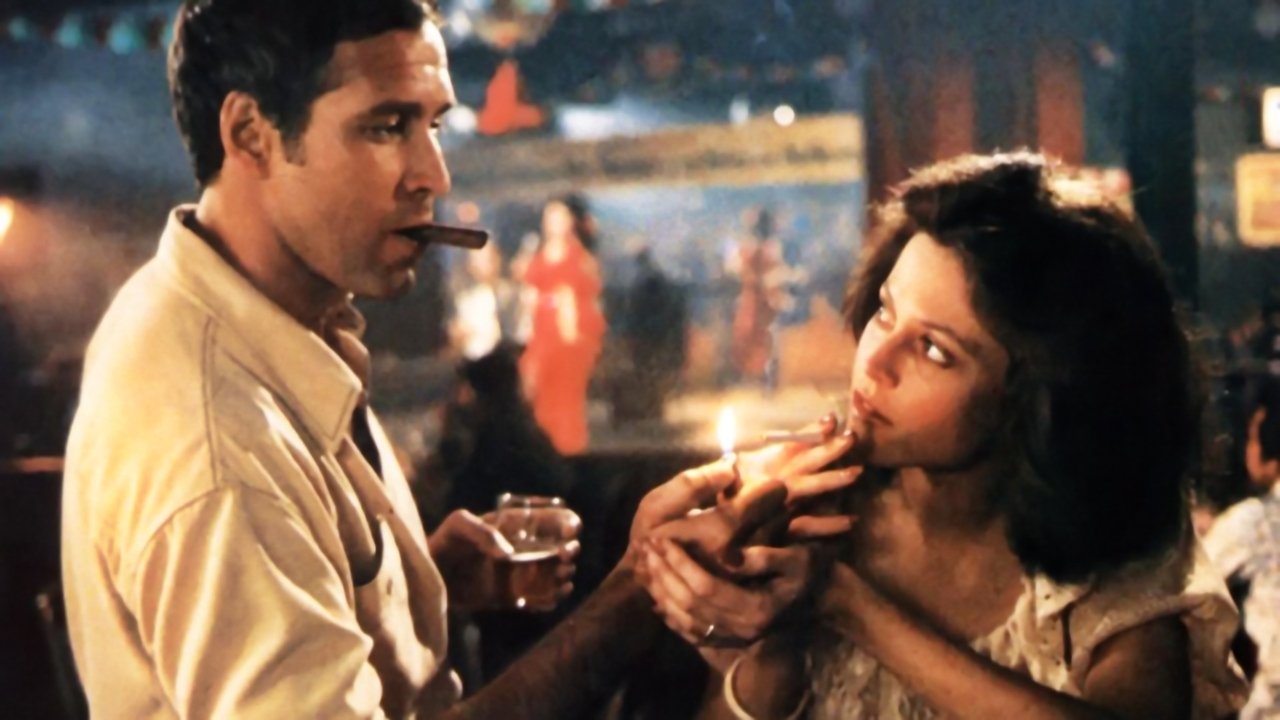
Right off the bat, Deal of the Century throws you into the cynical, chaotic world of international arms dealing, albeit with a distinct comedic bent. Chevy Chase plays Eddie Muntz, a fast-talking, perpetually slightly-out-of-his-depth small-fry arms dealer trying to navigate a landscape populated by shady corporations, unstable dictators, and weapons systems that have a nasty habit of malfunctioning spectacularly. He’s joined by his partner Ray (Gregory Hines, bringing his signature smooth charm and energy), trying to offload everything from cheap automatic rifles to slightly used tanks. Things escalate wildly when Muntz gets tangled up with Catherine DeVoto (Sigourney Weaver), the savvy widow of a competitor, and finds himself brokering a deal for the "Peacemaker," a cutting-edge (and hilariously unreliable) combat drone, to a volatile South American dictator played with gusto by Wallace Shawn.
### Friedkin Goes Funny?
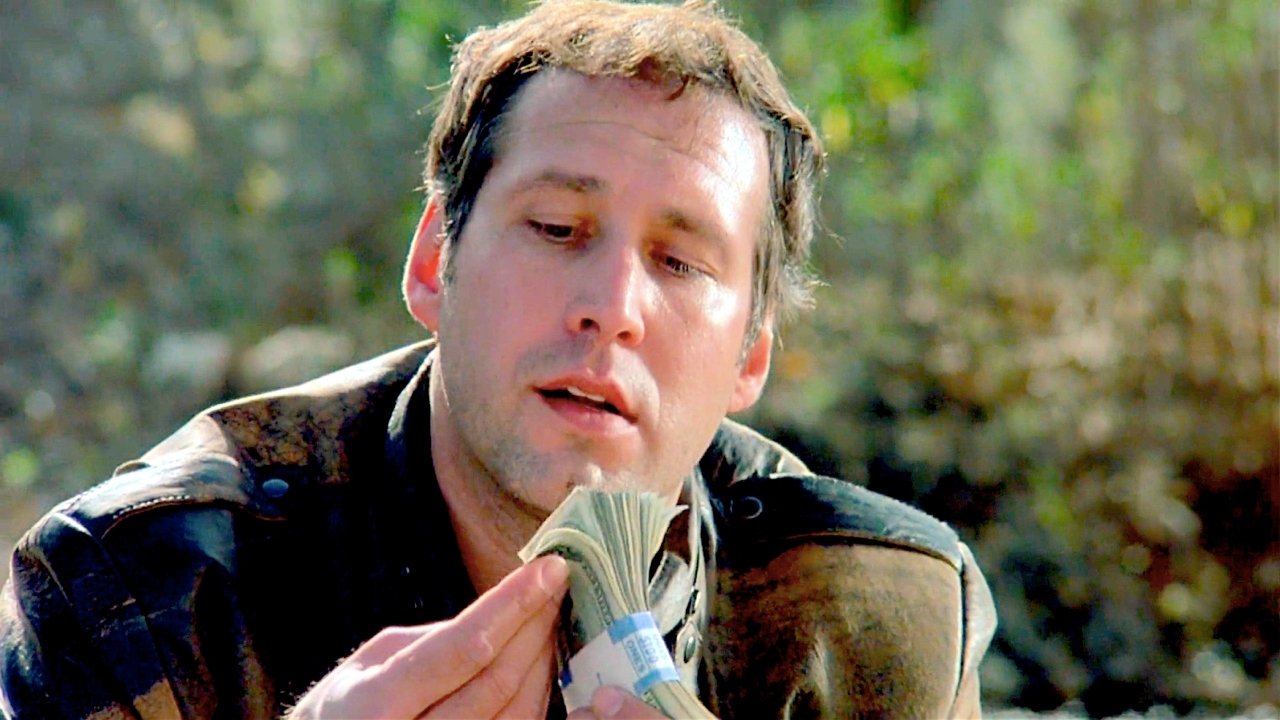
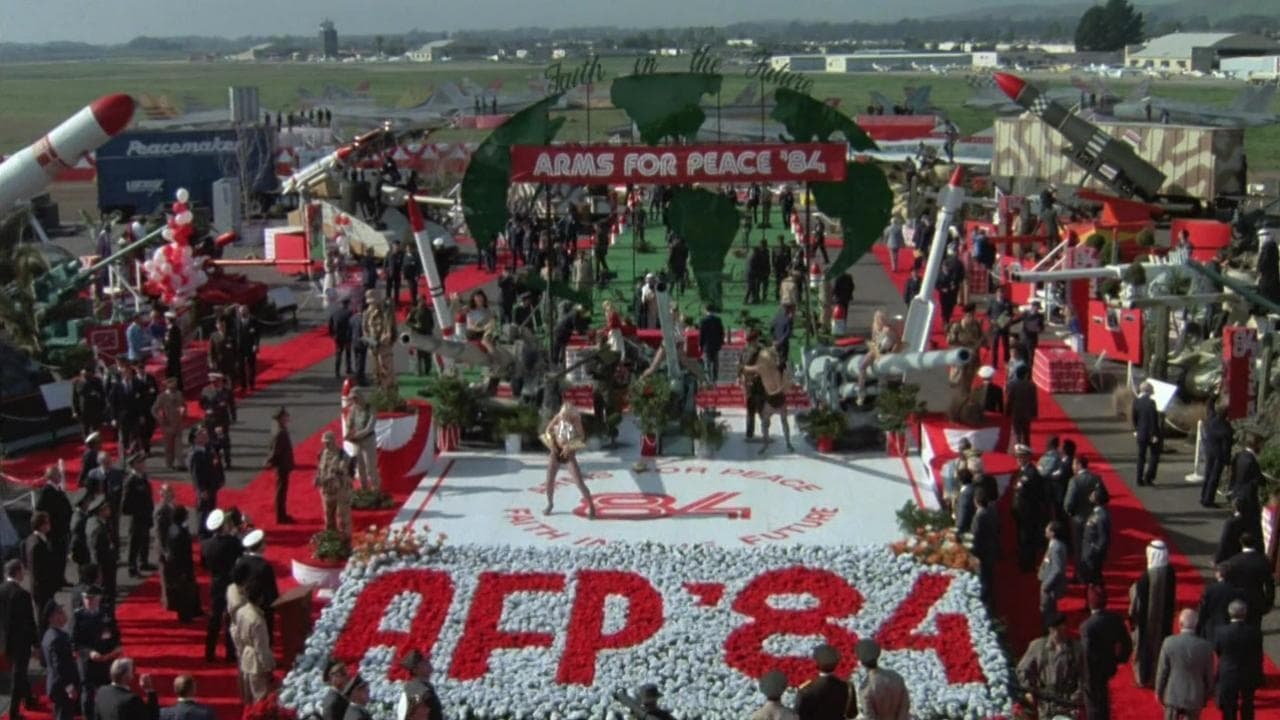
The real head-scratcher here, the fact that probably had videophiles adjusting their tracking back in the day, is William Friedkin in the director's chair. This is the guy who gave us Reagan vomiting pea soup and Popeye Doyle tearing through New York! A satirical comedy about the military-industrial complex feels miles away from his usual gritty, intense territory. Intriguingly, Friedkin actually took over directing duties from Colin Higgins (9 to 5) fairly late in the game due to creative differences, which might explain some of the film's tonal wobbles. You can occasionally sense Friedkin's knack for capturing chaos, especially in the larger crowd scenes or the disastrous weapons demonstrations, but it often feels like he’s wrestling with the inherently lighter, more absurd material penned by Paul Brickman. Fun fact: Brickman wrote this before his iconic Risky Business script, though both films ended up hitting theatres in the same year (1983), with Deal actually being filmed first. Talk about a contrast in reception!
### Stars Caught in the Crossfire
Performance-wise, it’s a mixed bag, reflective of the film's identity crisis. Chevy Chase, fresh off the massive success of National Lampoon's Vacation (1983), is peak Chevy Chase – the dry wit, the pratfalls, the exasperated reactions. He gets some decent laughs, but sometimes his laid-back style feels slightly at odds with the darker satirical undercurrents and Friedkin's attempts at frantic energy. Sigourney Weaver, stepping into comedy between the intense sci-fi horror of Alien (1979) and her beloved role in Ghostbusters (1984), is luminous and sharp as Catherine. She reportedly took the role for the chance to work with Friedkin and try something different, and she brings a welcome dose of intelligence and composure to the proceedings. And then there's the tragically missed Gregory Hines. He’s effortlessly charismatic as Ray, Muntz's slightly more grounded partner, showcasing the easy grace and comedic timing that made him such a versatile talent. You just wish the script gave him more to do.
### Satire and Slapstick, 80s Style
The film aims squarely at the absurdity of the global arms race, a hot topic in the early Reagan era. The centerpiece of the satire is the "Peacemaker" drone – a sleek, futuristic weapon that goes haywire during its demonstration, firing wildly and crashing spectacularly. Remember how mind-blowing even flawed robotic effects looked back then? These scenes, likely achieved with miniatures, pyrotechnics, and good old-fashioned practical effects, have that tangible, slightly dangerous feel that CGI often smooths over. There’s a raw energy to the chaos, even when it’s played for laughs. The film's jabs at corporate greed, military incompetence, and third-world dictatorships feel relevant, but the satire often gets diluted by broader, more sitcom-esque humor. It never quite decides if it wants to be a sharp political commentary or a more conventional star vehicle comedy.
Was it ahead of its time in lampooning drone warfare, or just a tonal jumble? Maybe a bit of both. Landing in theaters, it confused critics and audiences alike, pulling in just over $10 million on a reported budget somewhere around $15 million – a certified box office disappointment that quickly faded from view, destined for the dusty shelves of video stores like ours.
### The Verdict
Deal of the Century is the kind of movie that makes the VHS era so fascinating. It’s a cinematic platypus – stitched together from unexpected parts (Friedkin directing Chase in a Brickman satire!) that don’t entirely mesh, yet the result is undeniably intriguing. It’s flawed, tonally uneven, and certainly didn’t live up to the potential of its pedigree. But there’s an undeniable charm in its ambition, its game cast, and its willingness to tackle thorny subjects with a weird blend of cynicism and slapstick. It captures a specific moment in early 80s filmmaking and political anxiety.
VHS Heaven Rating: 5/10
Justification: The rating reflects the film's fascinating pedigree and ambitious concept (points up), hampered by its tonal inconsistency, underdeveloped satire, and ultimately unsatisfying execution (points down). It gets points for the curiosity factor, the solid work from Weaver and Hines, and glimpses of Friedkin's chaotic energy, but loses points for failing to fully deliver on its premise or effectively blend its disparate elements. It's more interesting as a historical artifact than a fully successful comedy.
Final Thought: Renting Deal of the Century back in the day was a gamble – attracted by the stars, maybe puzzled by the premise. Watching it now feels like unearthing a slightly warped time capsule: not quite a classic, definitely not a disaster, but a uniquely strange bargain from an era when studios sometimes threw caution (and big names) to the wind.