She arrives flawed, unwanted, rusting under a deceptive sky. But beneath the decay beats a heart of pure, unadulterated malice. Christine. Just the name whispered sends a faint vibration down the spine, doesn’t it? Released in 1983, John Carpenter’s adaptation of the Stephen King bestseller wasn’t just another horror flick filling the shelves at Video Palace; it was a sleek, chrome-plated nightmare fueled by obsession and rock and roll.
Love at First Fright
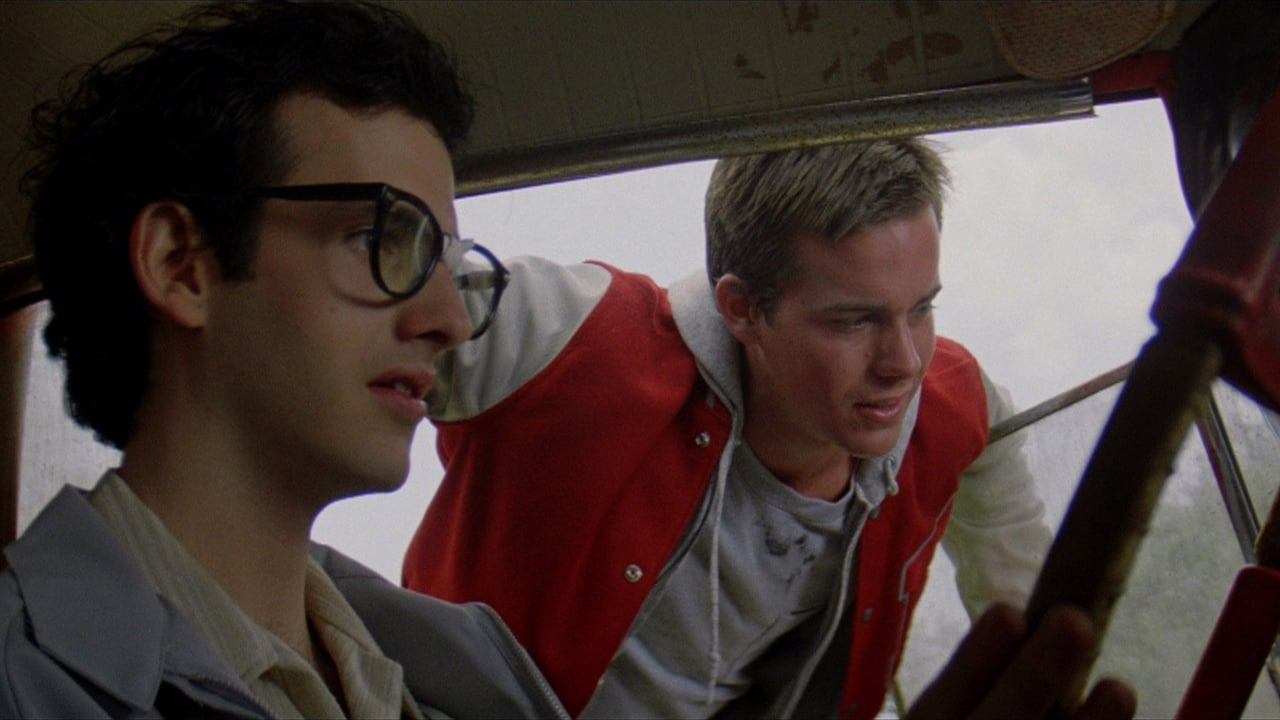
The premise is deceptively simple: awkward high school outcast Arnold Cunningham (Keith Gordon) stumbles upon a dilapidated 1958 Plymouth Fury named Christine. He buys her cheap, pouring his soul into restoring her. But Christine isn't just metal, glass, and rubber. She's possessive. Jealous. Murderous. As Arnie meticulously buffs out her dents and polishes her chrome, the car seems to restore him, transforming the bullied nerd into a swaggering, leather-jacketed phantom of 50s cool. But it’s a dark trade-off. Christine demands absolute loyalty, and anyone who crosses Arnie—or worse, insults her—ends up on the receiving end of some terrifyingly creative vehicular vengeance. Keith Gordon absolutely nails this transition, making Arnie's descent from sympathetic geek to cold-eyed predator genuinely unsettling. You almost root for him, until you realize he's becoming as monstrous as the machine he cherishes.
Chrome, Blood, and Practical Magic
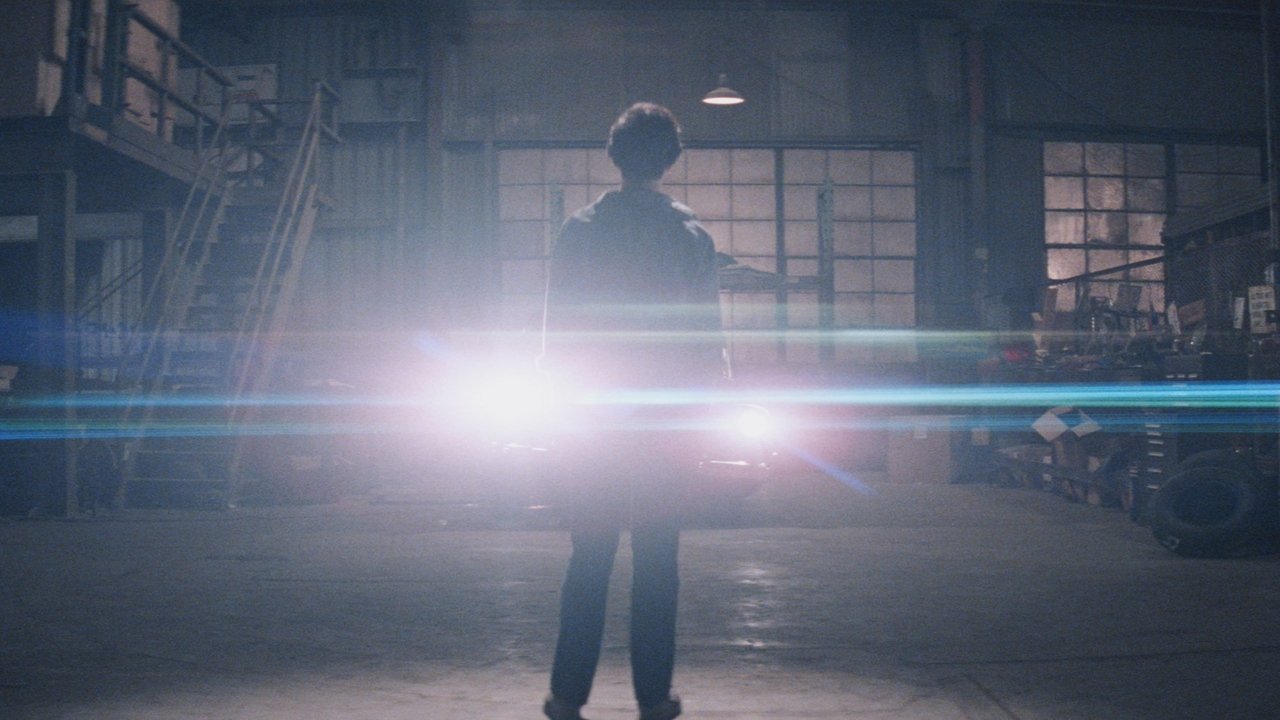
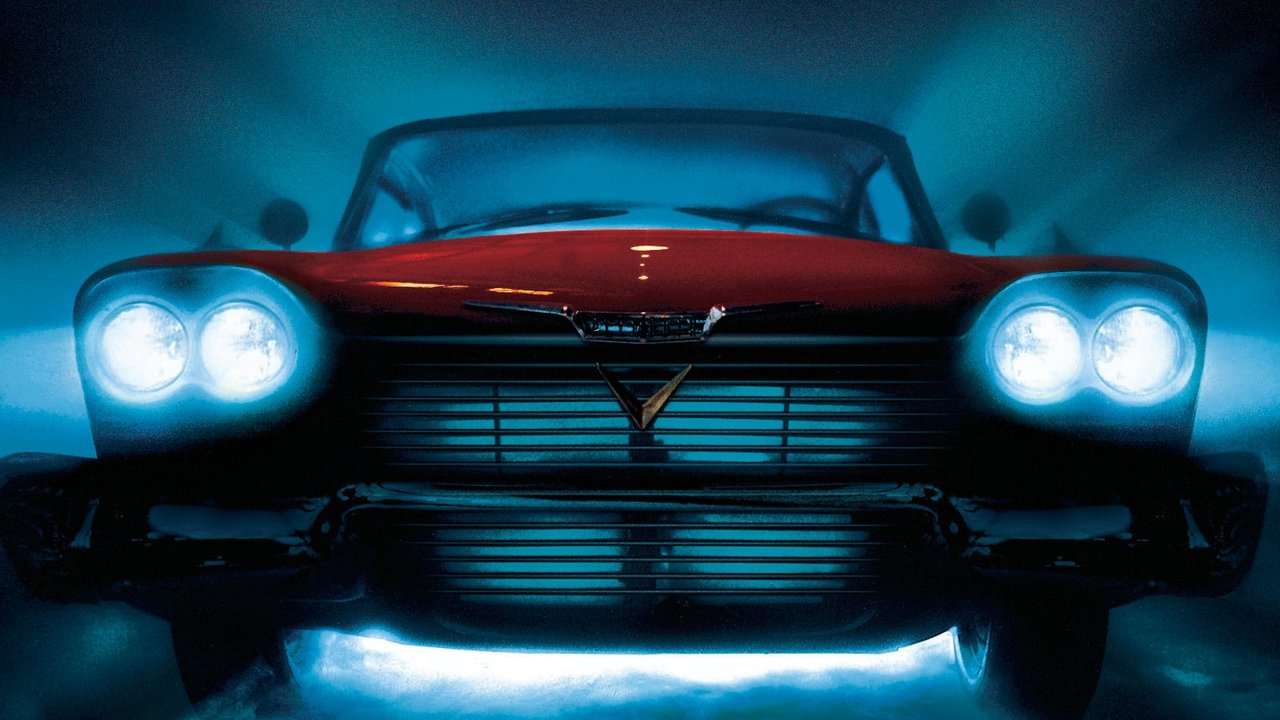
Let's talk about the star: that cherry-red Fury. Carpenter, fresh off the grueling production and initially cold reception of The Thing (1982), needed a hit and delivered a masterclass in tension and automotive menace. Christine isn't just a car; she's a predator. Her headlights cut through the night like predatory eyes, her engine’s growl a low, guttural threat. The scenes where she repairs herself, dents popping out, shattered glass re-forming – remember how mind-blowing that looked on a fuzzy CRT screen? Achieved through clever use of hydraulic pumps sucking body panels inward (often filmed in reverse), these sequences still hold a disturbing power. It reportedly took around 24 different cars (various Plymouth models dressed as Furys) to bring Christine to life, many meeting spectacularly destructive ends. The sheer physicality of the stunts, the crunching metal and screaming tires, felt brutally real in an era before CGI dominance. It's a testament to practical effects wizardry, creating a villain that felt tangible and truly threatening. The film reportedly cost $10 million and pulled in over $21 million – a solid success that helped Carpenter bounce back.
The Carpenter Touch and King's Engine
While Carpenter’s signature synth score pulses underneath, much of the film's atmosphere comes from its brilliant use of classic 50s and 60s rock and roll. George Thorogood's "Bad to the Bone" practically becomes Christine's theme song, each track blaring from her radio acting as a declaration of intent or a chilling counterpoint to the unfolding horror. It's a perfect fusion of Carpenter's slick visual style and King's knack for finding terror in the mundane – in this case, the American love affair with the automobile twisted into something deadly. The screenplay by Bill Phillips streamlines King's sprawling novel (which was famously written quickly and optioned for film even before publication), focusing tightly on Arnie's corruption and Christine's wrath. While some depth from the book is lost, the result is a lean, mean, and incredibly effective horror machine, much like the car itself. Supporting players like John Stockwell as Arnie’s jock friend Dennis and Alexandra Paul as the unfortunate girlfriend Leigh provide the necessary human element against Christine’s metallic fury.
More Than Just a Killer Car Flick
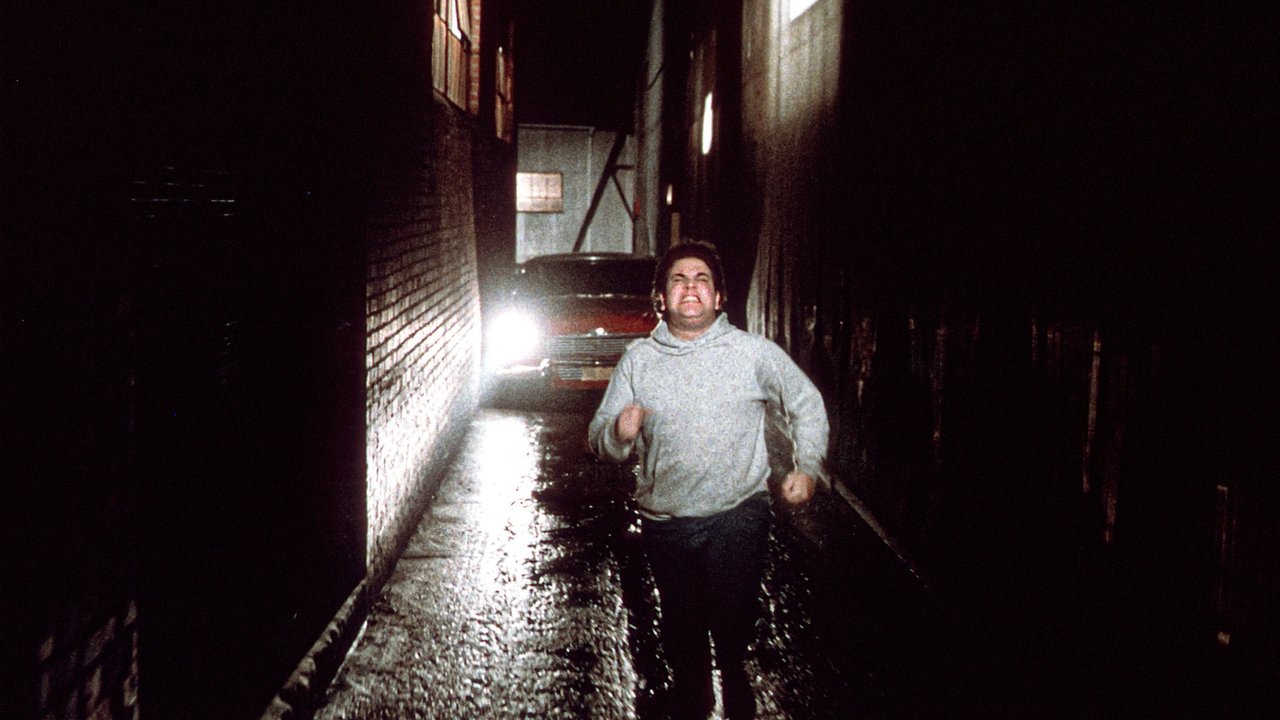
Sure, the "killer car" subgenre wasn't new (think The Car (1977) or Spielberg's Duel (1971)), but Christine brought a unique blend of supernatural horror and psychological drama. It tapped into themes of teenage alienation, the intoxicating power of obsession, and the dark side of nostalgia. It wasn't just about a haunted vehicle; it was about how easily a vulnerable person could be seduced and consumed by darkness, symbolized here by gleaming chrome and roaring horsepower. Did you know Kevin Bacon was considered for Arnie, and Scott Baio for Dennis? It’s hard to imagine anyone else embodying these roles quite like Gordon and Stockwell did. The film's straightforward narrative and iconic villainess made it a perennial favorite on VHS, a tape many of us probably wore out watching Christine regenerate or hunt down her tormentors under the eerie glow of streetlights.
Rating and Final Polish
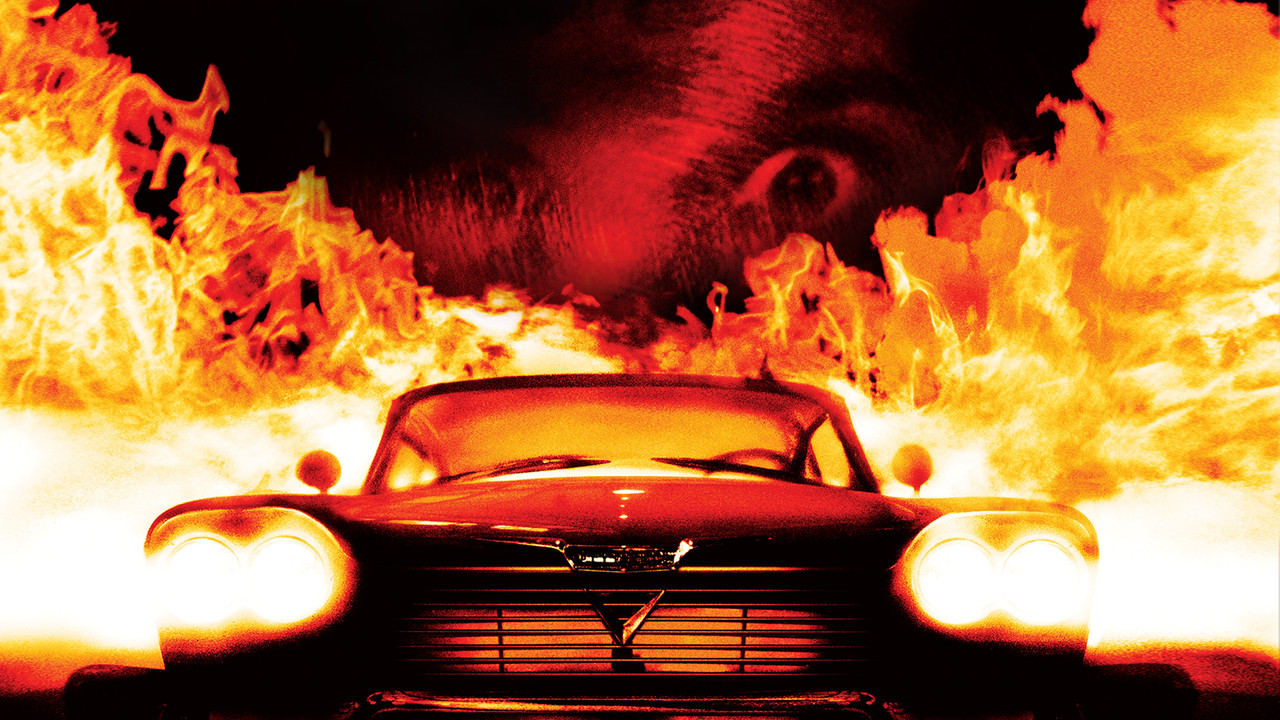
Christine remains a high-octane thrill ride, a perfect slice of 80s horror from two masters of the genre. Its practical effects are still impressive, Keith Gordon's central performance is chillingly effective, and Carpenter directs with lean, atmospheric precision. The blend of teenage angst, supernatural possession, and automotive carnage is potent and memorable. While perhaps not as complex as the novel or as groundbreaking as some of Carpenter’s other work, it’s executed with undeniable style and menace.
Rating: 8/10 - This score reflects the film's enduring effectiveness as a stylish, atmospheric horror piece with iconic practical effects and a compelling central transformation. It nails the creepy vibe, delivers memorable set pieces, and remains a standout King adaptation and Carpenter classic, perfectly capturing that specific blend of dread and cool that defined so much 80s horror.
It’s more than just a movie about a killer car; it's a chilling reminder that sometimes, the things we love most can be the things that destroy us. And few cinematic machines project sheer, beautiful malevolence quite like Christine. She’s still out there, somewhere, waiting in the dark. You can almost hear the radio click on...