Alright, fellow tapeheads, gather ‘round the flickering glow of the metaphorical CRT. Tonight, we’re digging deep into the dusty corners of the video store shelf, past the big-budget blockbusters, into that slightly more… adult section, maybe near the foreign films. We’re pulling out a curious little number from 1982: Desirable Teacher 2. Now, hold on – despite the somewhat provocative English title it acquired for the VHS market, the original French title, Prof Abusée (Abused Teacher), hints at something a bit more complex, maybe even a little grim, lurking beneath the surface.
This wasn't the kind of tape you'd brag about renting to your parents, was it? Finding something like this, directed by French genre filmmaker Jean Luret, felt like uncovering a secret world – a world away from Hollywood gloss, steeped in a particularly European sensibility of the late 70s and early 80s. Luret was no stranger to this territory, having churned out a fair few exploitation and erotic features, often blending social commentary (however thin) with the expected genre elements. Desirable Teacher 2 fits right into that mould.
Lessons in Atmosphere
Forget slick editing and booming digital sound. Watching this film now is an exercise in appreciating a different kind of cinematic language. Jean Luret crafts a mood that’s equal parts sleazy, melancholic, and strangely earnest. The plot, centering on a young, idealistic teacher (played with a certain wide-eyed vulnerability by Elisabeth Buré) navigating the challenges of a difficult school – and the unwanted attentions that come her way – feels very much of its time. Buré, a frequent collaborator with Luret, carries much of the film, embodying the archetype common in these European dramas: the beautiful woman caught in circumstances spiraling beyond her control.
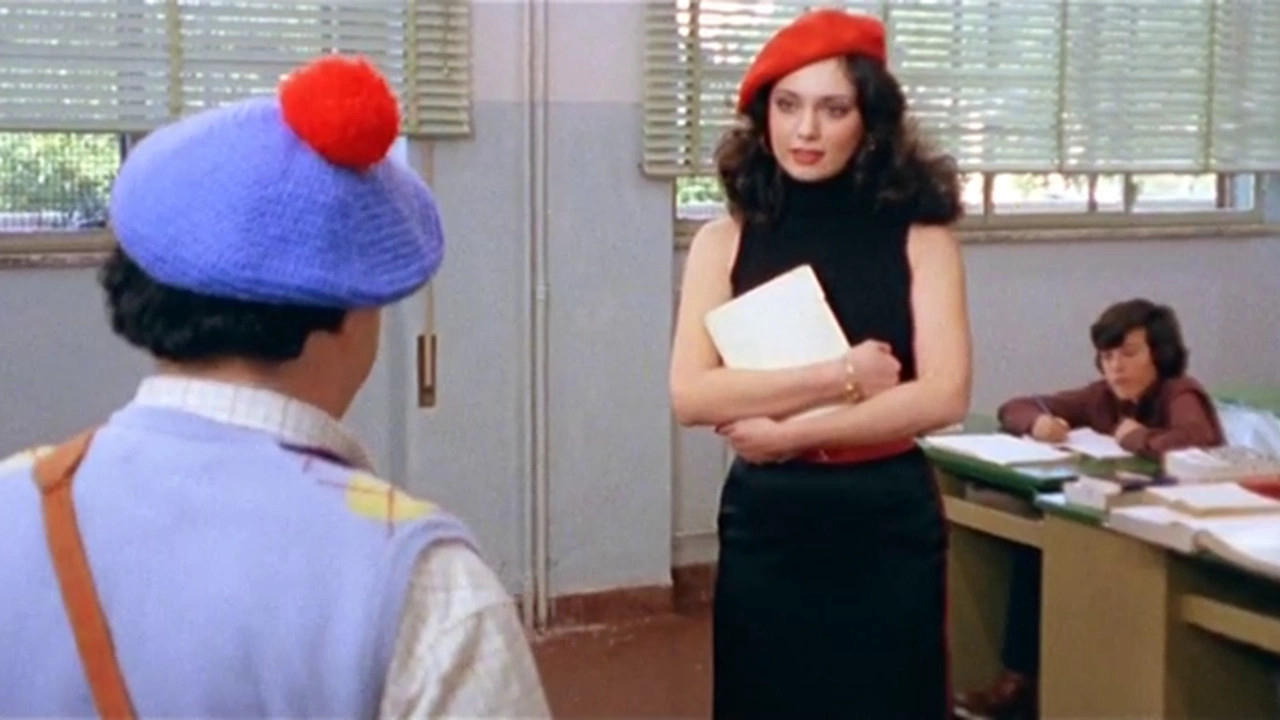
The cinematography often employs that soft-focus haze popular in the era, lingering perhaps a little too long, creating an atmosphere that’s more about suggestive mood than explicit detail. There’s a certain grittiness, too, a reminder that these films were often shot on tight budgets, far from polished studio sets. You can almost smell the Gauloises smoke and cheap perfume clinging to the celluloid. This wasn't about high-octane thrills, but a slow burn, often punctuated by jazzy, slightly downbeat scores that amplify the sense of unease or doomed romance.
Navigating the Niche
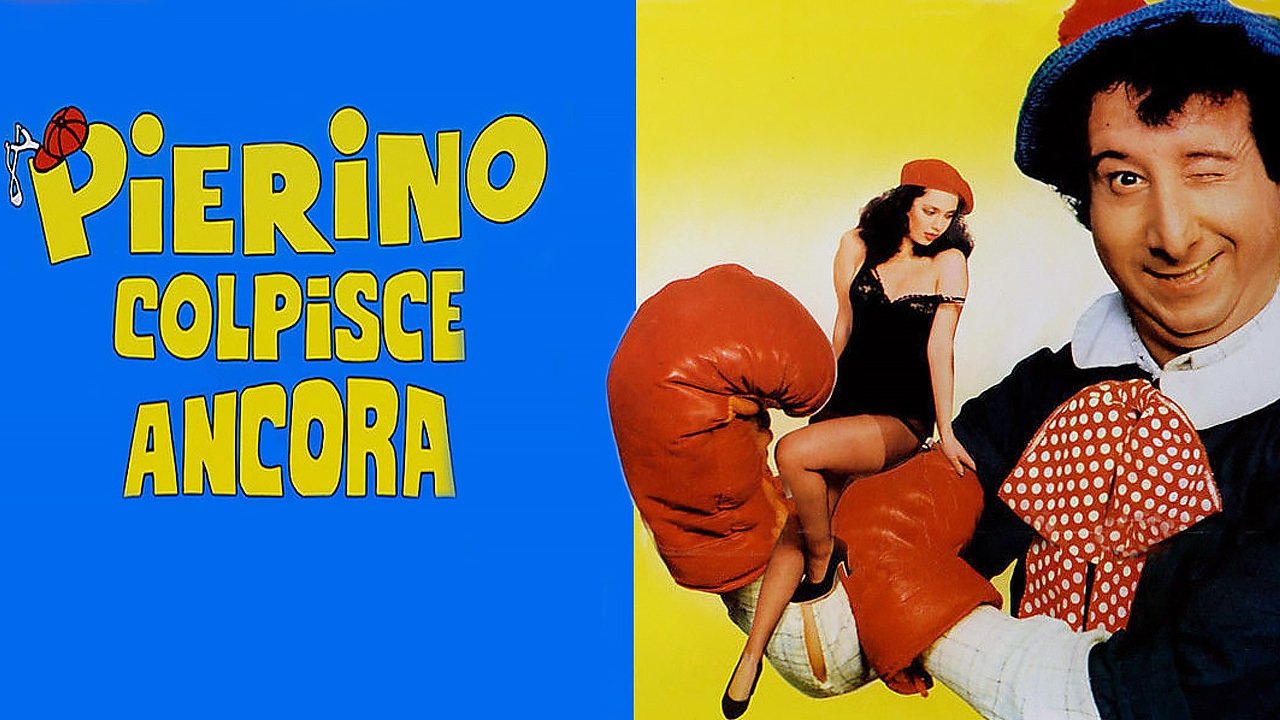
Let’s be honest, films like Desirable Teacher 2 occupy a very specific niche. They weren't aiming for critical acclaim or mass appeal in the way a Spielberg or Lucas film was. These were churned out for a particular market, often playing in grindhouse cinemas or finding their audience directly on home video. The English retitling itself is a fascinating bit of VHS-era marketing – slapping on a number '2' (though it's not a sequel to anything specifically titled Desirable Teacher) and using a more suggestive title was a common ploy to grab attention on crowded rental shelves. Did anyone else ever rent a movie solely based on a wild title or suggestive cover art, only to find something completely different inside?
The performances are what you might expect from this level of production. Alongside Elisabeth Buré, actors like Jean-Claude Dumas and Michel Anderson populate the world with characters who feel pulled from the pages of a slightly pulpy paperback novel. There's a certain theatricality, perhaps, but it fits the heightened reality the film creates. We're not talking Oscar-bait here, but there's a commitment to the material, however lurid it might seem today. It's interesting to note that many actors in this French genre scene worked consistently within it, creating a familiar stable of faces for dedicated viewers, even if mainstream fame eluded them.
Beyond the Beige Box
Watching Desirable Teacher 2 today is less about revisiting a beloved classic and more about appreciating a specific flavour of filmmaking that has largely vanished. It’s a time capsule, capturing attitudes, aesthetics, and storytelling conventions that feel distinctly early 80s European. There's no CGI, no rapid-fire editing. The drama unfolds at its own pace, relying on atmosphere and the actors' presence.
Was it controversial? Probably mildly so in some circles, dealing with themes of power dynamics and exploitation, but likely too obscure to cause a major stir. Its legacy isn't one of cinematic breakthroughs, but rather as an example of the kind of programming that filled out the less-trafficked aisles of the video store, offering a glimpse into a different, often stranger, corner of the film world. It represents the sheer variety available on VHS – a format that catered to every taste, no matter how specific or obscure. I distinctly remember seeing rows of similar titles, their covers promising intrigue and perhaps a little danger, a far cry from the family-friendly fare dominating the front shelves.
---
VHS Heaven Rating: 4/10
Justification: This rating reflects the film's nature as a niche, somewhat dated Euro-sleaze/drama offering. It delivers on the expected atmosphere and genre conventions of its time and place, with Elisabeth Buré providing a committed central performance. However, its low budget, often ponderous pacing, and exploitation elements limit its appeal significantly outside of dedicated genre enthusiasts. It's more of a historical curiosity than a genuinely compelling film by today's standards, but holds undeniable value as a snapshot of early 80s European genre filmmaking found on VHS.
Final Take: A hazy, melancholic trip back to the grittier side of the video store shelf – more likely to provoke a nostalgic sigh for the era's oddities than genuine excitement, but a fascinating artifact nonetheless. Handle with care, like a well-worn tape you're not sure still plays.