Okay, fellow tapeheads, gather 'round the flickering glow of the CRT in your mind. Tonight, we're digging deep, past the usual action heroes and slasher villains, into a corner of the video store many might have overlooked back in the day – the slightly dusty, often bewildering "Foreign Language" section. And nestled there, perhaps in a slightly battered clamshell case, is a film that’s less a movie and more a national treasure, a time capsule of glorious absurdity: Stanisław Bareja's 1981 Polish masterpiece, Miś (or Teddy Bear). Forget high-octane chases; the real action here is navigating the hilarious labyrinth of late-stage Communism, and trust me, it's a wilder ride than you might expect.
### Welcome to the Absurdity Zone
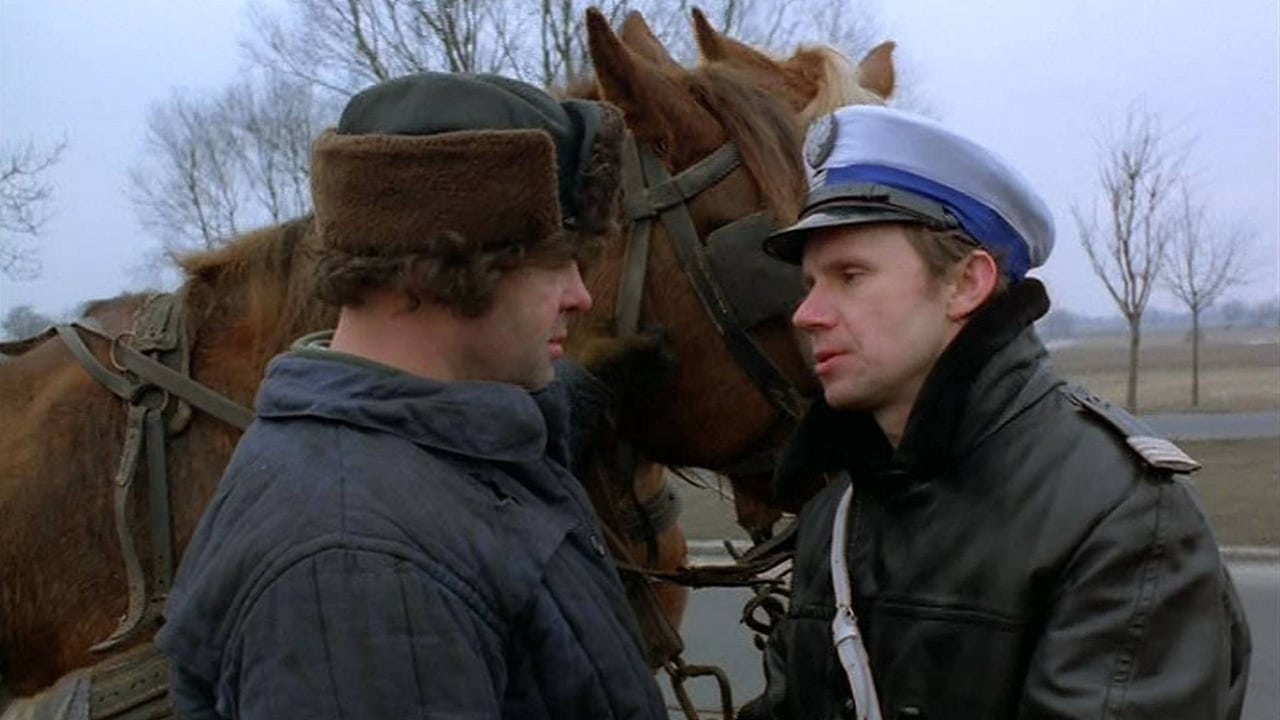
Right from the jump, Miś throws you into a world operating under its own bizarre logic. Our "hero," Rysiek Ochódzki (Krzysztof Kowalewski, in a career-defining role), is the scheming manager of a state-run sports club. He needs to get to London fast to withdraw money from a joint account before his estranged wife does. Simple enough, right? Wrong. This is Bareja's Poland, where simple tasks become Herculean efforts warped by bureaucracy, shortages, and sheer, unadulterated weirdness. When pages from Rysiek's passport are mysteriously torn out (by his vengeful wife, naturally), he concocts a plan involving finding a double, creating a film about said double, and somehow leveraging this cinematic masterpiece into getting a new passport. If that sounds convoluted, buckle up – it only gets stranger.
The genius of Miś lies in its relentless, almost documentary-style portrayal of the everyday surrealism of the Polish People's Republic (PRL). It’s satire so sharp it could cut glass, delivered with a deadpan stare. The "practical effects" here aren't explosions, but the tangible grit of reality: the endless queues for basic goods, the nonsensical regulations, the officials spouting meaningless jargon, the pervasive atmosphere of making do and getting by (or getting around) the system. I remember finding a copy of this years ago, probably on a bootleg tape with questionable subtitles, and being utterly captivated. It wasn't like any American comedy; the laughs came from recognition (even filtered through translation) of universal human folly amplified by a specific, Kafkaesque system.
### More Than Just Laughs: Bareja's Barbed Wit
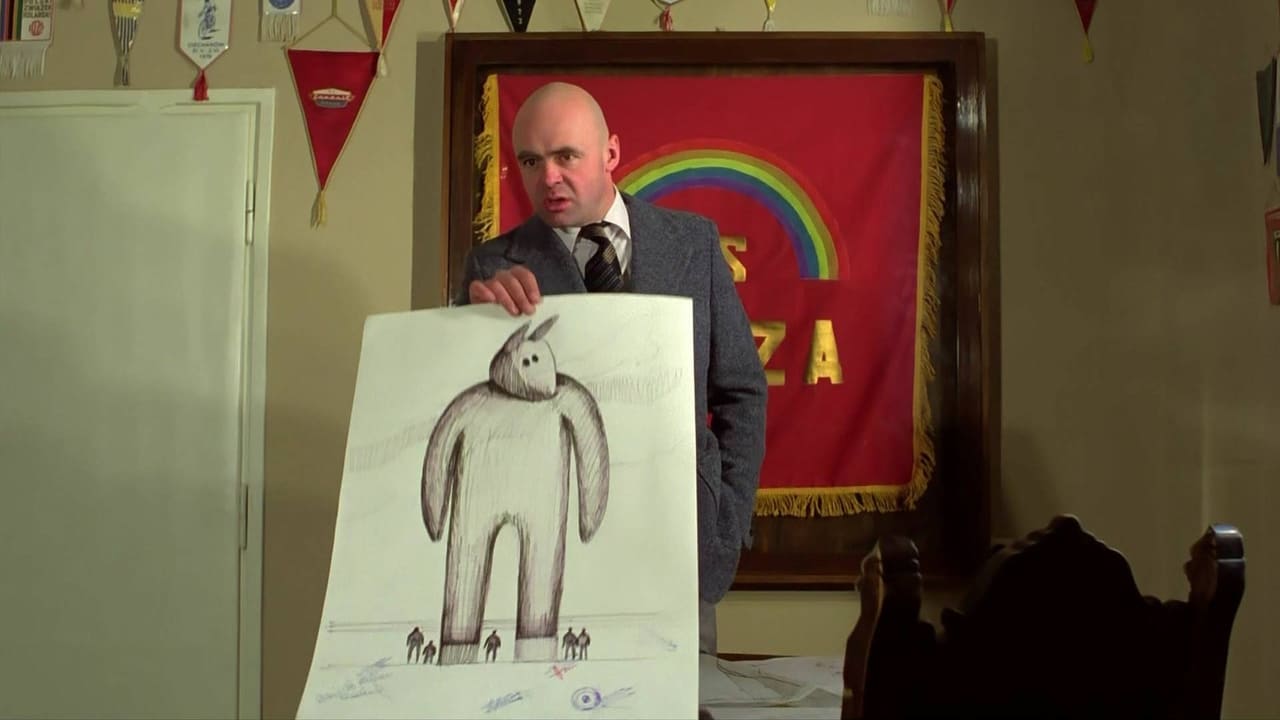
Stanisław Bareja, often called the Polish Mel Brooks (though arguably more pointed), wasn't just making jokes; he was holding up a mirror to society. He'd already skewered Polish life in films like Co mi zrobisz, jak mnie złapiesz? (1978), honing his unique blend of observational humor and farce. Miś is arguably his magnum opus. Every scene is packed with commentary. Think about the iconic sequence with the sausages linked together like chains, bought purely because they might be useful someday, or the milk bar scene where spoons are chained to the table and plates are washed (barely) in a communal murky basin. These aren't just sight gags; they were resonant observations for audiences living that reality.
It's fascinating to know that Bareja constantly battled state censors, often embedding his sharpest critiques within layers of silliness to sneak them past the authorities. The film was initially met with lukewarm official reviews (no surprise there), but audiences immediately recognised its brilliance and truthfulness. It became an instant cult classic, its lines quoted endlessly, entering the Polish lexicon in a way few films ever do. Its production, squeezed between periods of relative thaw and crackdown in Poland, captures a specific moment in time with startling accuracy and humour.
### A Cast of Characters, Perfectly Played
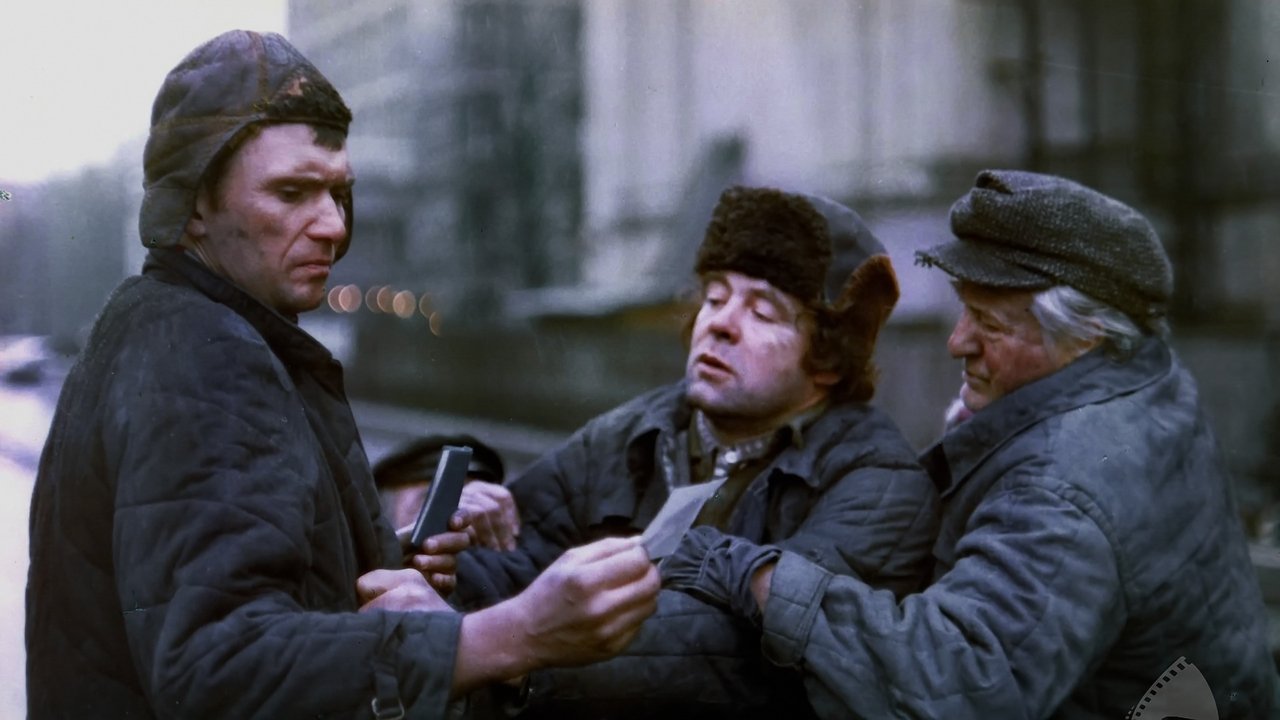
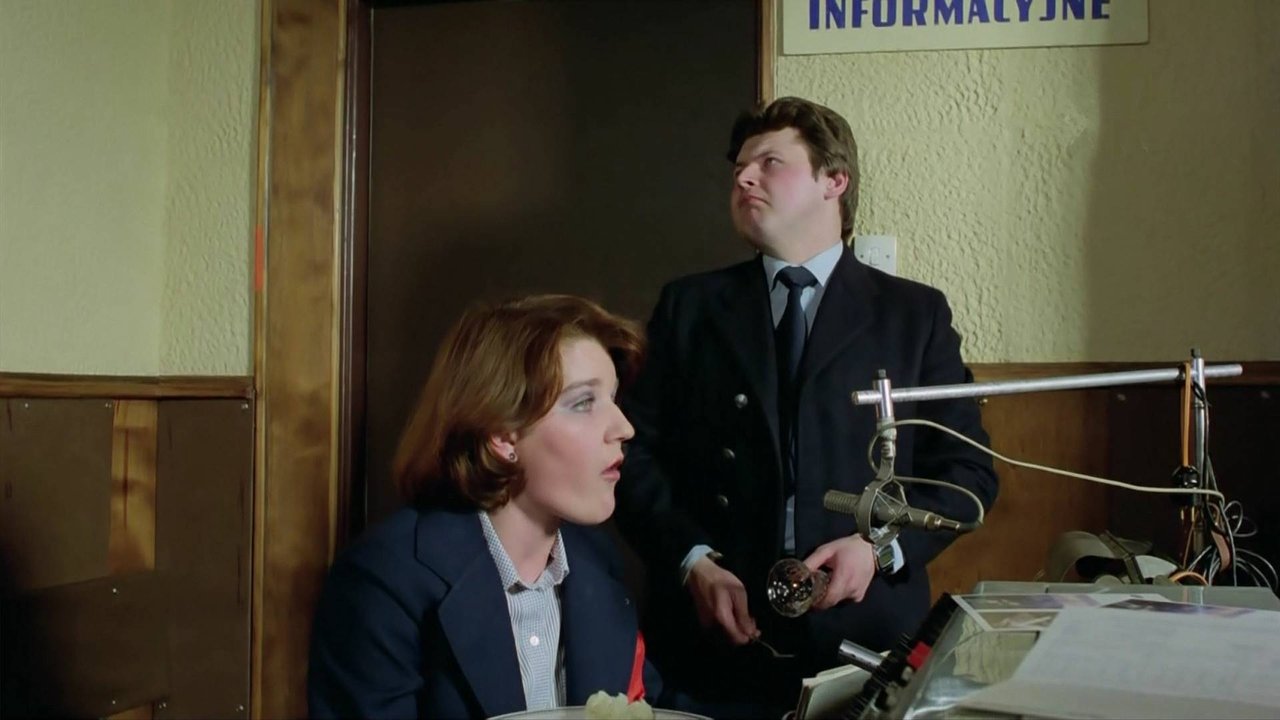
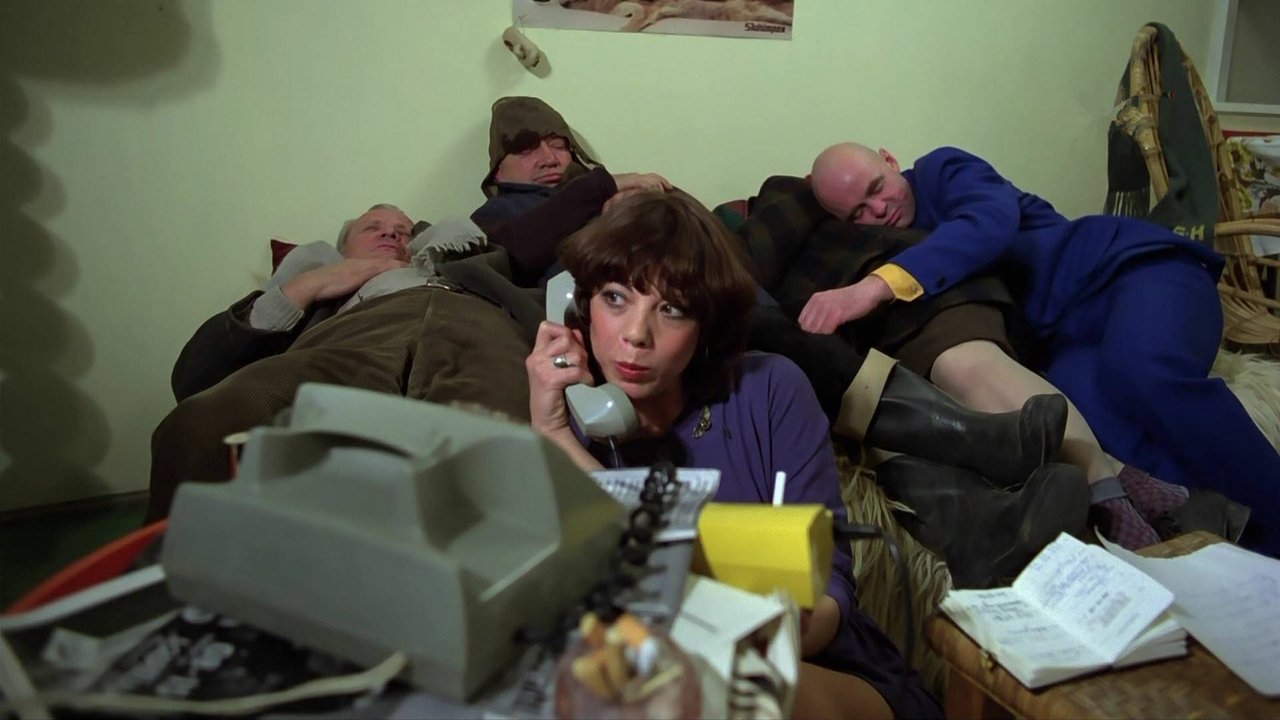
While Krzysztof Kowalewski's Rysiek – puffed up, perpetually stressed, yet oddly resourceful – anchors the film, the supporting cast is equally brilliant. Bronisław Pawlik as the weary militiaman, the various apparatchiks, hopeful film crew members, and bewildered citizens all contribute to the rich tapestry of absurdity. Each character feels strangely real, even amidst the escalating farce. The ensemble work is key; everyone is playing it straight, which makes the situations even funnier. There's a palpable sense of shared experience, even if that experience is frustratingly illogical. Remember the scene where they're filming the movie-within-a-movie and everything that can go wrong, does? It’s chaos, but relatable chaos if you've ever dealt with bureaucracy or incompetence.
The film's pacing is frantic, mirroring Rysiek's desperation, cutting between his increasingly complex schemes and vignettes showcasing the general societal madness. There's no slick Hollywood editing here; it has that slightly rough-around-the-edges feel common to Eastern Bloc cinema of the era, which only adds to its authenticity. The music, too, perfectly captures the mood – sometimes jaunty, sometimes melancholic, always fitting the slightly off-kilter world.
### The Verdict on Miś
Miś isn't just a comedy; it's a vital piece of social commentary wrapped in layers of ingenious farce. It perfectly captures the spirit (and the absurdity) of a specific time and place, yet its observations about human nature, bureaucracy, and the lengths people go to for personal gain feel surprisingly universal. It requires a bit of attention, maybe even a second viewing to catch all the nuances (especially if relying on subtitles), but the payoff is immense. Finding this on VHS felt like unearthing a secret history, told with laughs instead of tears.
Rating: 9/10
Justification: A near-perfect execution of biting social satire disguised as broad comedy. Its cultural specificity is part of its genius, but the underlying humour translates remarkably well. Kowalewski's performance is legendary, and Bareja's direction is masterful in its controlled chaos. It loses a single point only because some nuances might initially be lost on viewers completely unfamiliar with the historical context, though the sheer comedic force often overcomes this.
Final Thought: Forget the explosions; sometimes the most hardcore action is just trying to buy toilet paper or get a passport renewed. Miś proves that reality, especially bureaucratic reality, can be far funnier, and far stranger, than fiction – a fuzzy, brilliant gem from the other side of the Iron Curtain that still resonates today.