It feels almost inadequate to just call Raiders of the Lost Ark a movie. For so many of us who first encountered it on a flickering CRT screen via a well-worn VHS tape, it was more like a jolt – a mainline injection of pure, unadulterated adventure that redefined what breathless cinematic excitement could be. This wasn't just another film; it was the arrival of Indiana Jones, an instant icon forged in the collaborative crucible of George Lucas's pulp-serial imagination and Steven Spielberg's unparalleled directorial energy. Released in 1981, it felt like lightning captured in a bottle, or perhaps, more aptly, like discovering a treasure map that led straight to movie magic.
### The Whip Crack Heard 'Round the World
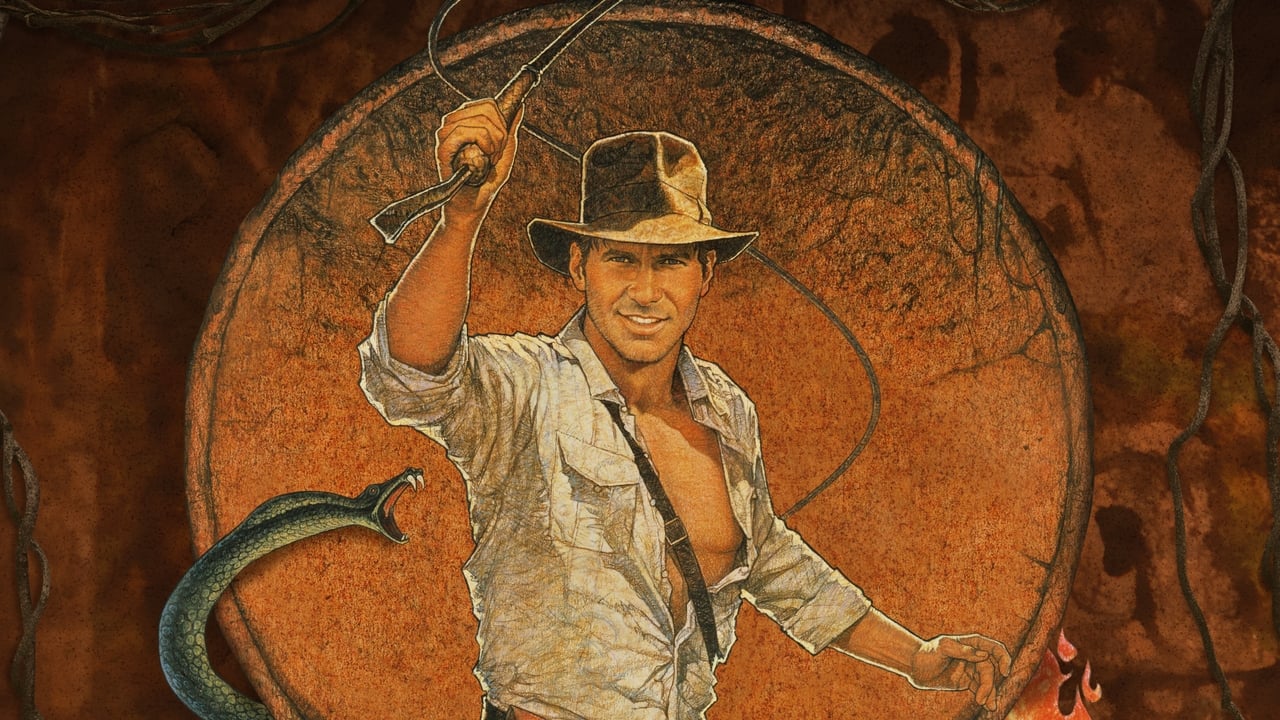
From those opening moments in the Peruvian jungle, dodging poison darts and outrunning that boulder (whose terrifying rumble was famously created by recording a Honda Civic rolling down a gravelly hill), we knew we were in for something special. Harrison Ford, already beloved as Han Solo, didn't just play Dr. Henry "Indiana" Jones Jr.; he became him. The fedora, the leather jacket, the whip – it wasn't just a costume; it was the instantly recognizable uniform of adventure itself. Ford imbued Indy with a perfect blend of rugged competence, academic intellect, surprising vulnerability (snakes, why'd it have to be snakes?), and a weary charm that made him feel utterly real, even amidst the globe-trotting chaos. It’s wild to think Tom Selleck was the initial choice, tied up by his Magnum P.I. contract – fate really did smile on us with Ford’s casting.
### More Than Just a Damsel
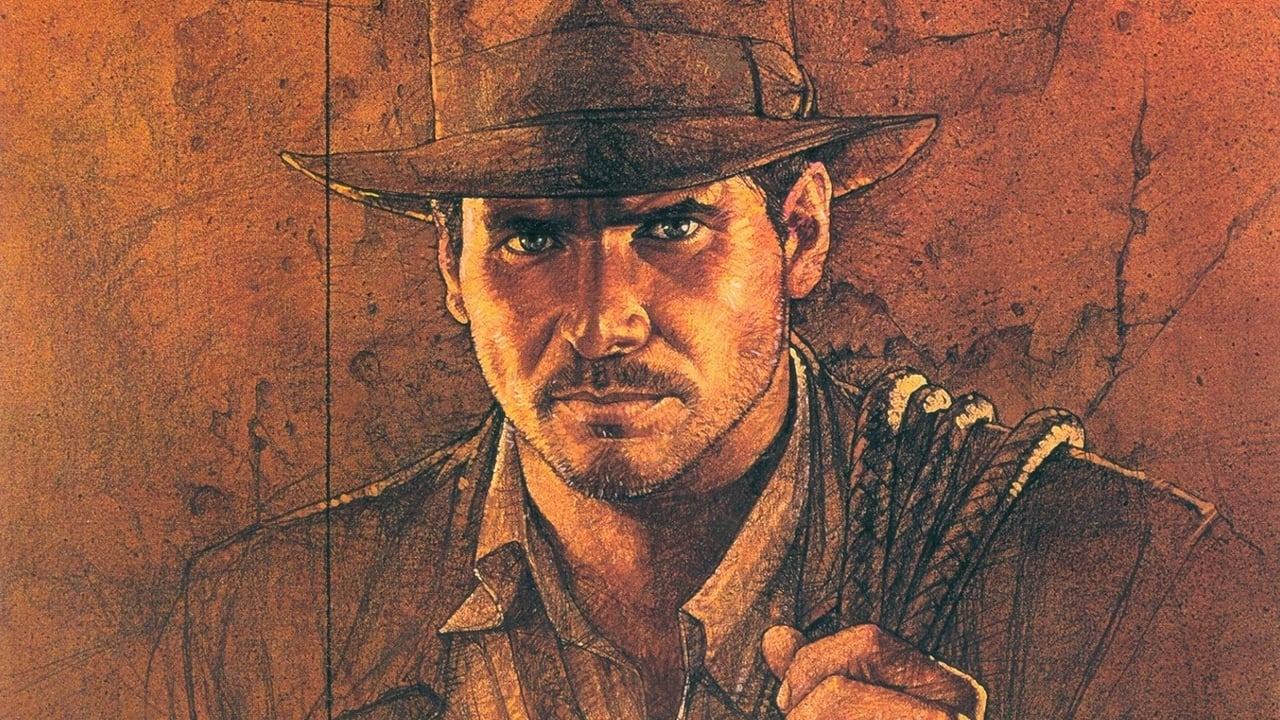
No great adventurer is complete without compelling companions and adversaries, and Raiders delivers in spades. Enter Karen Allen as Marion Ravenwood. Far from a passive damsel in distress, Marion is fiery, capable, and can drink anyone under the table. Her history with Indy adds a spark of romantic tension and witty banter, thanks to Lawrence Kasdan's sharp script (working from a story conceived by Lucas and Philip Kaufman). Allen’s chemistry with Ford is electric, making their reunion and subsequent perils feel genuinely engaging. And on the other side, Paul Freeman crafts a memorable villain in the sophisticated yet ruthless rival archaeologist, Belloq – a perfect foil who mirrors Indy's obsessions but lacks his moral compass (even if Indy’s compass sometimes spins wildly). Fun fact: during the scene where Belloq confronts Indy in the Cairo marketplace, a fly famously crawled into Freeman's mouth. Like a true pro, he barely flinched and kept the take going – a little moment of unexpected on-set reality immortalized on film.
### Crafting the Perfect Adventure
What truly elevates Raiders is Spielberg's masterful direction. Every sequence is staged for maximum impact, blending suspense, action, and humor seamlessly. Think of the kinetic energy of the basket chase through Cairo, the claustrophobic terror of the Well of Souls (packed with thousands of real snakes, much to Spielberg's own ophidiophobia), or the sheer, jaw-dropping audacity of the truck chase sequence. The stunt work, particularly Terry Leonard doubling for Ford being dragged behind the truck, remains astonishingly visceral even today – a testament to the power of practical effects in an era before CGI dominance. Filmed across locations like France, Tunisia, and Hawaii on a relatively lean $20 million budget (about $67 million today), the film feels epic in scope. Its eventual stunning box office haul of nearly $390 million worldwide (over $1.3 billion adjusted for inflation!) proved audiences were starved for this kind of old-fashioned, high-octane escapism.
### Retro Fun Facts & Enduring Charm
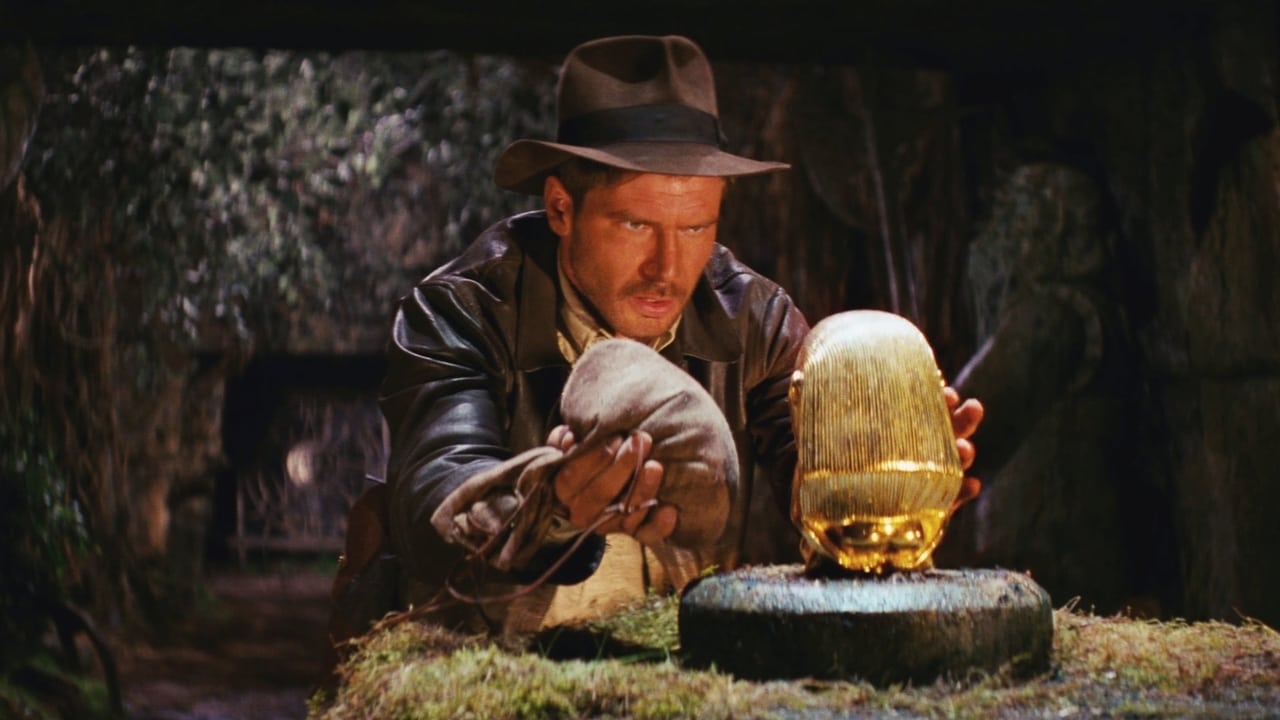
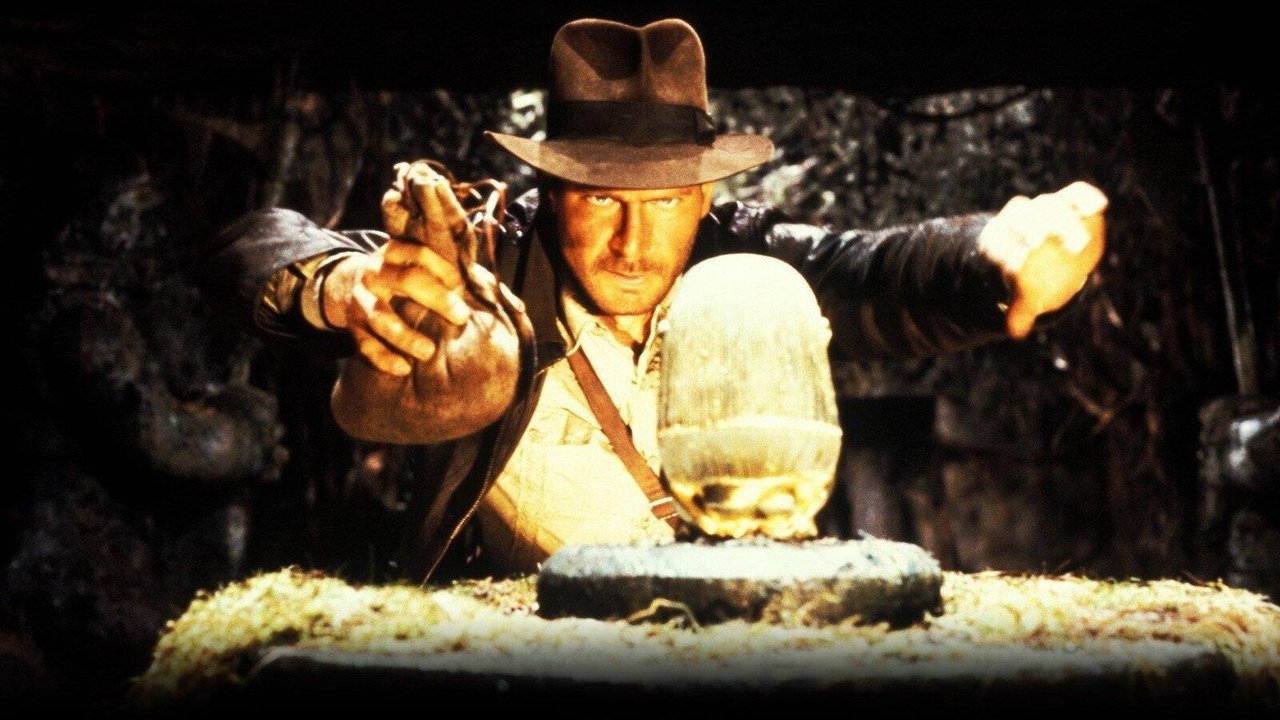
Beyond the big moments, Raiders is packed with details that reward rewatching. The Ark itself is a masterpiece of design, hinting at unknowable power. John Williams' score isn't just music; it's the film's pulse, with the "Raiders March" becoming instantly synonymous with heroism and adventure. The film faced its share of production hurdles – from widespread crew illness during the Tunisia shoot (famously, Spielberg and Ford avoided it by eating canned food from home) to improvising the famous moment where Indy simply shoots the swordsman instead of engaging in a lengthy fight (reportedly because Ford was feeling unwell that day). These weren't just obstacles; they often led to moments of unexpected brilliance that define the film's scrappy, can-do spirit. Nominated for eight Academy Awards including Best Picture and Best Director, it took home four technical Oscars plus a Special Achievement Award for Sound Effects Editing – a sign of its incredible craft.
### The Verdict

Raiders of the Lost Ark isn't just a nostalgic favorite; it's a practically perfect adventure film. It set a benchmark for action-adventure filmmaking that few films since have managed to reach. It’s thrilling, funny, romantic, and genuinely awe-inspiring. Watching it again, even decades later, still evokes that sense of wide-eyed wonder many of us felt pressing play on that chunky VHS tape for the first time. It captured lightning in a bottle, delivering a hero for the ages and an experience that feels timeless. The blend of Lucas's pulp sensibilities, Kasdan's sharp writing, Spielberg's masterful direction, and Ford's iconic performance created something truly special, a film that defined adventure for a generation.
Rating: 10/10
This film doesn't just belong in a museum; it belongs in the heart of anyone who ever dreamed of finding lost treasures and punching Nazis. It's pure cinematic gold.