## A Howl from the Fringes: Revisiting Dennis Hopper's Out of the Blue
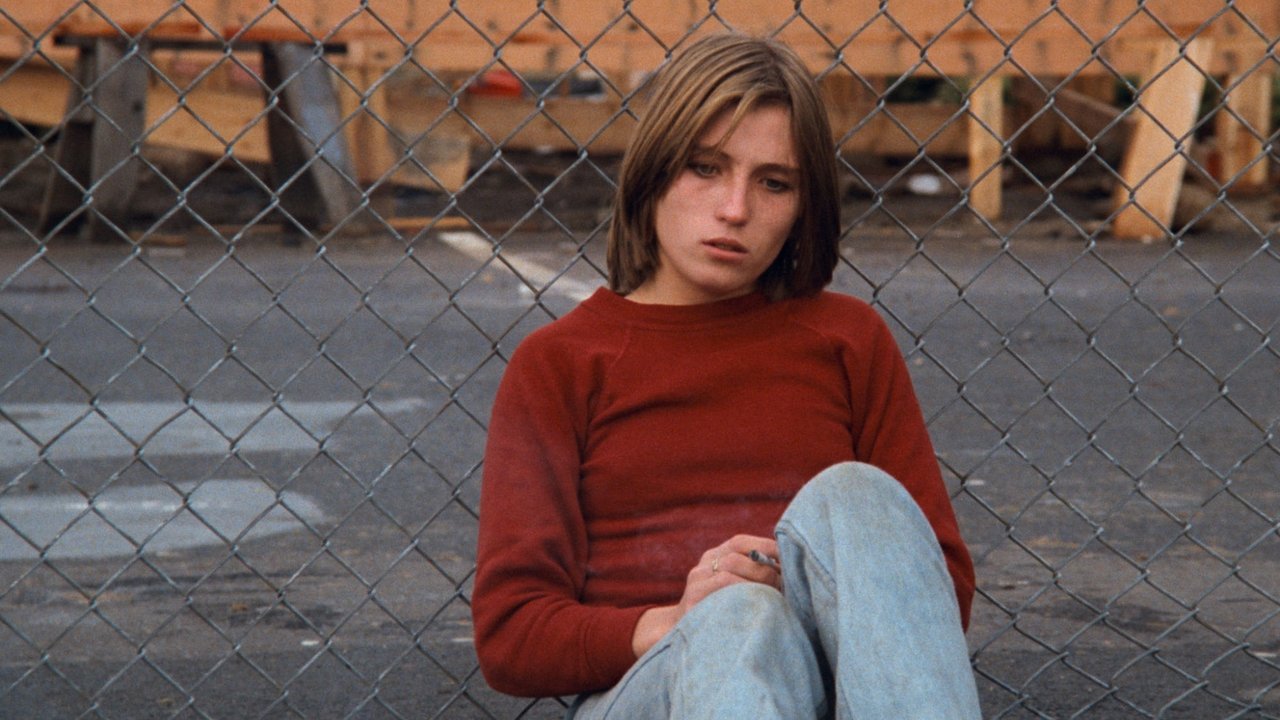
Some films don't just flicker on the screen; they burn themselves into your memory, leaving behind the faint scent of smoke and ozone. Dennis Hopper's Out of the Blue (1981) is one such film. It wasn’t one you rented for a casual Friday night pizza party. Finding this tape, often tucked away in the drama section of the local video store, felt like uncovering something dangerous, something intensely real that existed outside the slick veneer of mainstream 80s cinema. It arrived not with a whisper, but a punk rock scream.
From Afterschool Special to Anarchic Nightmare
The film’s very existence is a testament to cinematic chaos theory. Originally slated as a Canadian-made, family-friendly TV movie called Cebe, the project imploded when the initial director was fired just weeks into shooting. Enter Dennis Hopper, initially hired only to act. Sensing disaster but also opportunity, Hopper, not having directed since the notorious The Last Movie (1971), seized the reins. Legend has it he rewrote the script by Leonard Yakir and Brandon Cole over a weekend, injecting his own volatile cocktail of disillusionment, rock and roll nihilism, and raw emotional honesty. What was meant to be palatable became jagged, confrontational, and unforgettable. This radical transformation, born from near-collapse, feels imprinted on the film's DNA – a raw nerve exposed. Reportedly, friend and collaborator Jack Nicholson was instrumental in helping secure completion funds and finding distribution after Hopper’s radical overhaul.
Cebe: A Rebel Without a Future
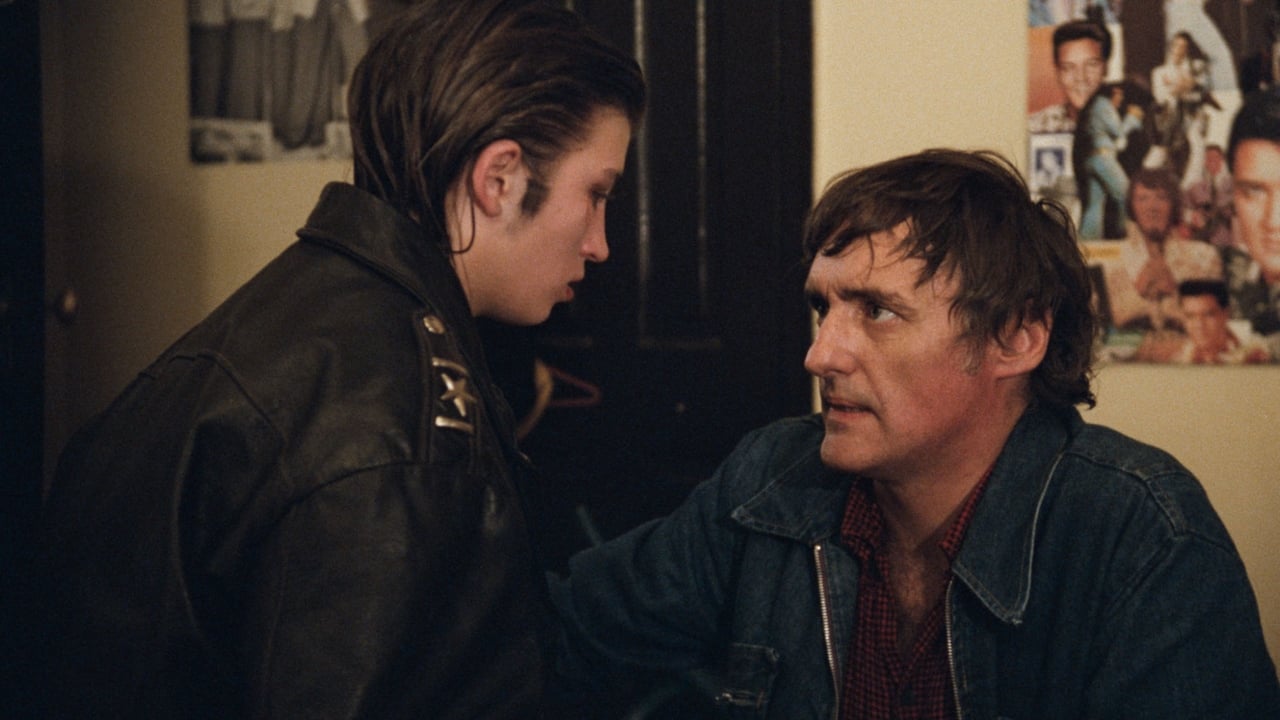
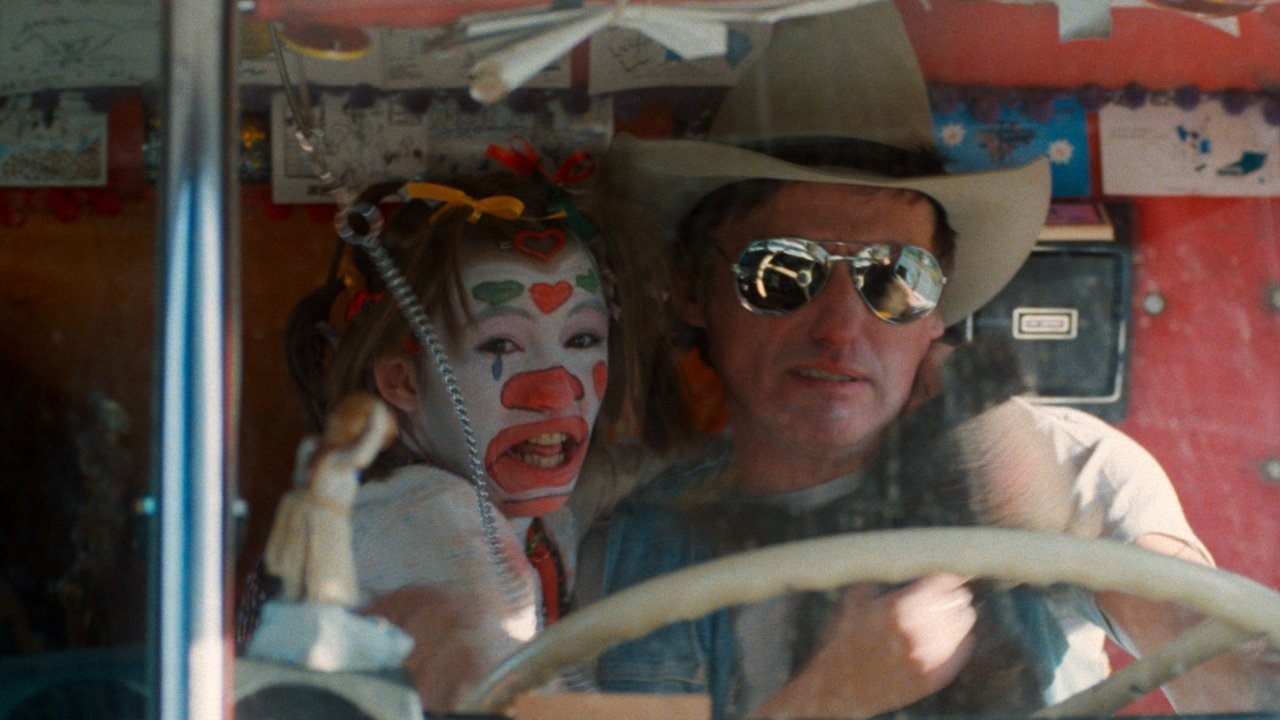
At the heart of this maelstrom is Cebe, played with astonishing, almost feral authenticity by Linda Manz. Barely a teenager but possessing eyes that seem to have witnessed centuries of weariness, Manz delivers a performance that feels less like acting and more like channeling. Cebe is obsessed with punk rock (specifically Johnny Rotten and Elvis Presley, an odd but telling combination of rebellion and fallen royalty) and adrift in a world defined by neglect and impending doom. Her father, Don (Dennis Hopper himself, in a performance reeking of booze and regret), is newly released from prison after causing a horrific accident. Her mother, Kathy (Sharon Farrell, heartbreakingly fragile), floats through life on a cloud of heroin and desperation.
Manz, who had already stunned audiences with her small but memorable role in Terrence Malick's Days of Heaven (1978), carries the film. Her Cebe isn't just a troubled kid; she's a force of nature raging against the bleak, suffocating landscape of dead-end Vancouver. Her tough-girl swagger, the Sid Vicious sneer, the constant refrain of "Disco sucks!" and "Subvert normality!" – it's armor against a world that offers her nothing but pain. Hopper famously encouraged Manz to improvise, and much of her dialogue feels startlingly unscripted, capturing the raw, unfiltered angst of adolescence warped by trauma. Does any portrayal of youthful alienation from that era feel quite so visceral, so devoid of Hollywood gloss?
A Bleak Poetry
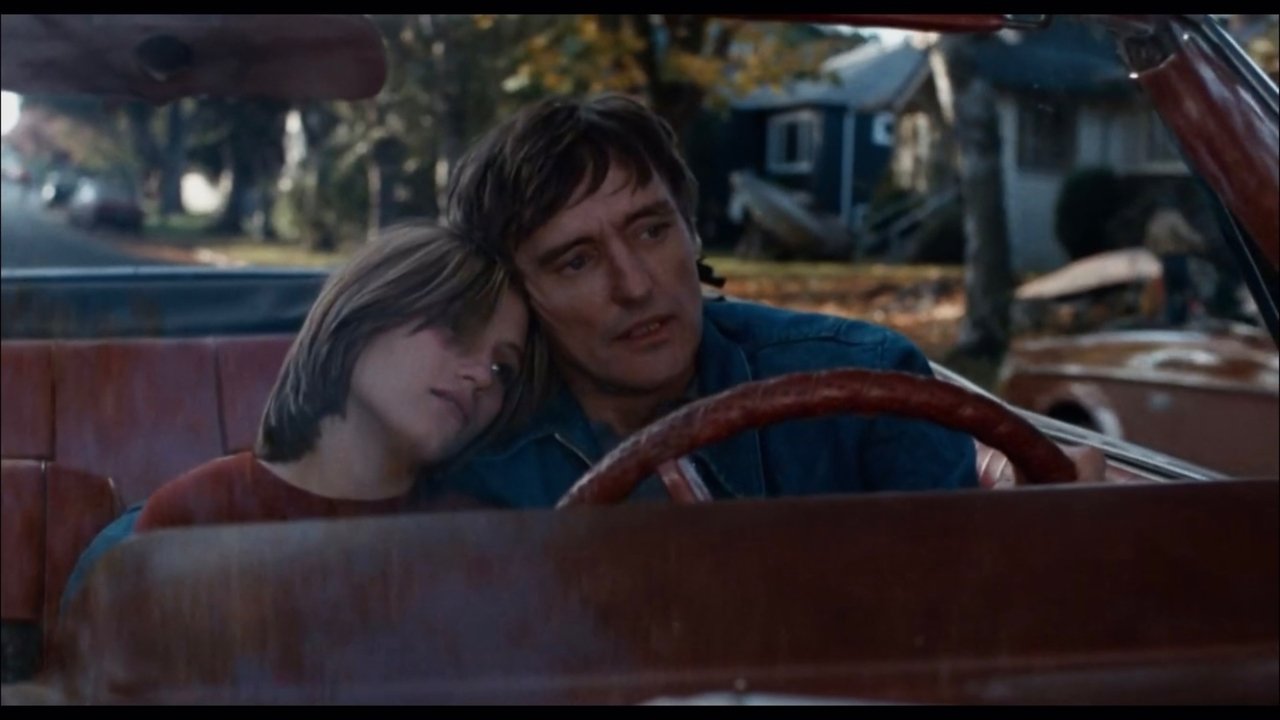
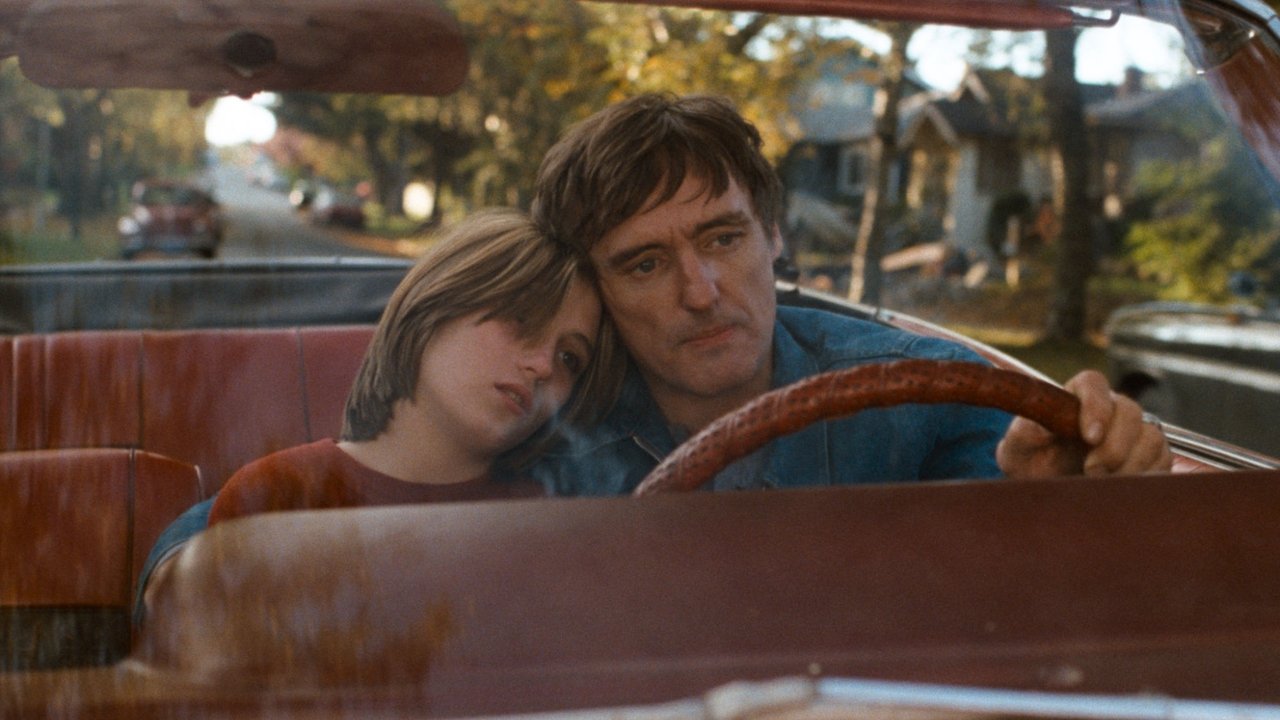
Hopper’s direction mirrors the film’s thematic concerns. The cinematography is often stark, capturing the grey, rain-slicked streets and claustrophobic interiors with an unflinching eye. There’s little beauty here in the conventional sense, but there's a powerful, desolate atmosphere. The film feels saturated with the despair of its characters. The narrative doesn't offer easy answers or paths to redemption. Instead, it drags us into the cyclical nature of abuse and self-destruction, forcing us to confront uncomfortable truths about family, society, and the scars left by neglect.
The use of Neil Young's music, particularly the haunting "My My, Hey Hey (Out of the Blue)," is pivotal. It's not just soundtrack; it's the film's soul, its mournful cry echoing Cebe's own sense of entrapment and the allure of burning out rather than fading away. The title itself, plucked from Young’s lyrics, encapsulates the film's feeling of sudden, inexplicable tragedy striking from an indifferent sky. It’s hard to imagine the film without that musical through-line, a choice entirely credited to Hopper's rewrite.
Not an Easy Watch, But Essential
Let's be clear: Out of the Blue is not feel-good entertainment. It’s a difficult, often disturbing film that culminates in one of the most harrowing endings in cinema history (Spoiler Alert: The final sequence is shocking and deeply upsetting, dealing with extreme violence and despair). Its initial reception was predictably divisive – it stunned audiences at the 1980 Cannes Film Festival but struggled to find widespread distribution, its bleakness and punk energy proving too much for many. Yet, like so many challenging films relegated to the cult section of the video store, its power hasn't diminished. If anything, it feels even more potent today.
It’s a film that asks profound questions: How do children cope in the wreckage of their parents' lives? Can rebellion truly break cycles of abuse, or does it merely mask the pain? What happens when hope feels entirely out of reach? There are no easy answers offered, only the raw, unforgettable howl of Linda Manz's Cebe against the dying light.
Rating: 9/10
This score reflects the film's raw power, its astonishing central performance, and its unflinching portrayal of difficult themes. Linda Manz is simply extraordinary, capturing a specific kind of adolescent pain rarely seen on screen with such honesty. Dennis Hopper's direction, born from chaos, results in a work that feels dangerously alive and brutally sincere. While its bleakness and devastating conclusion make it a challenging experience, its artistic integrity and emotional impact are undeniable. It's a vital piece of early 80s independent filmmaking, a Molotov cocktail thrown into the polite living room of mainstream cinema.
Out of the Blue isn't just a movie; it's an experience that sticks with you, a haunting echo from a time when cinema dared to stare directly into the abyss. It reminds us that sometimes, the most vital art comes not from careful planning, but from the ragged edges of near-disaster.