It’s a peculiar kind of quiet that settles in after a life upheaval, isn't it? Not the silence of peace, but the hollow echo in suddenly empty spaces. That specific frequency of loneliness and tentative hope is captured with startling clarity in Alan J. Pakula’s 1979 film, Starting Over. Watching it again recently, pulling that familiar tape from its worn sleeve, I was struck by how much it deviates from the expected paths of both romantic comedy and divorce drama, carving out its own space of awkward, painful, and sometimes funny truth. This wasn't the usual Burt Reynolds fare we’d queue up for on a Friday night back then; the swagger was still there, flickering beneath the surface, but it was layered with a vulnerability that felt unexpectedly raw and resonant.
A Different Kind of Pakula Thriller
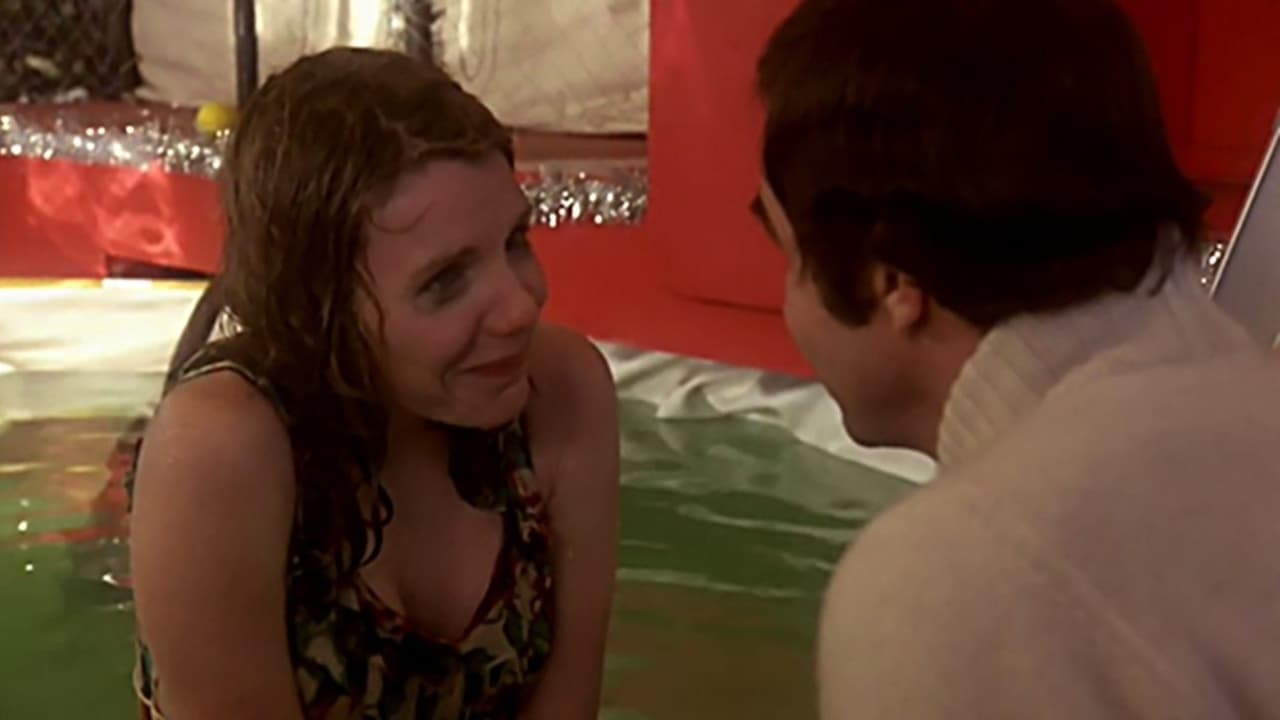
Coming from Alan J. Pakula, a director revered for tightly wound thrillers like Klute (1971) and All the President's Men (1976), Starting Over feels like an exercise in exploring internal tension rather than external conspiracy. The film follows Phil Potter (Burt Reynolds), a writer reeling after his aspiring singer-songwriter wife, Jessica (Candice Bergen), abruptly leaves him. He relocates from New York to Boston, moving in temporarily with his brother (a wonderfully supportive Charles Durning) and attempting to navigate the bewildering landscape of bachelorhood and emotional recovery. Pakula’s direction here isn't about shadowy figures and hidden motives, but about the equally unsettling terrain of the human heart navigating loss and the terrifying prospect of beginning again. The atmosphere isn't one of suspense, but of a low-grade, persistent ache, punctuated by moments of unexpected connection and absurdity.
Three Portraits of Vulnerability (and Obliviousness)
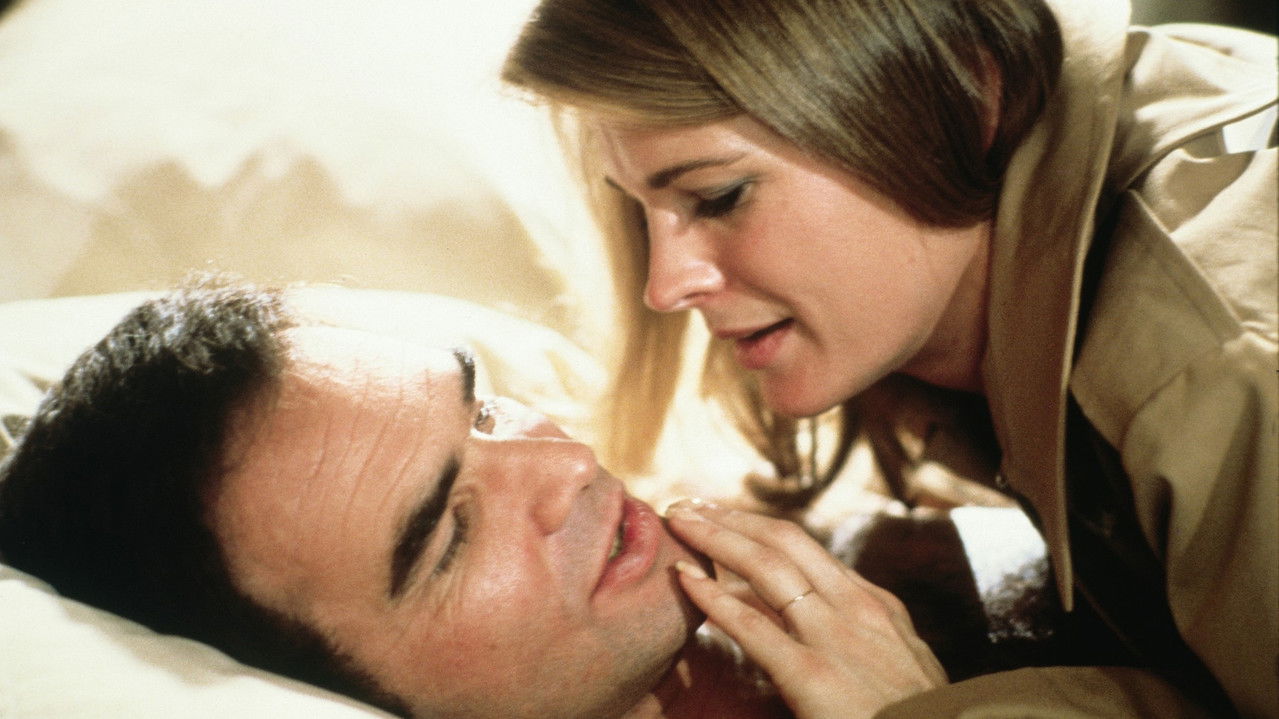
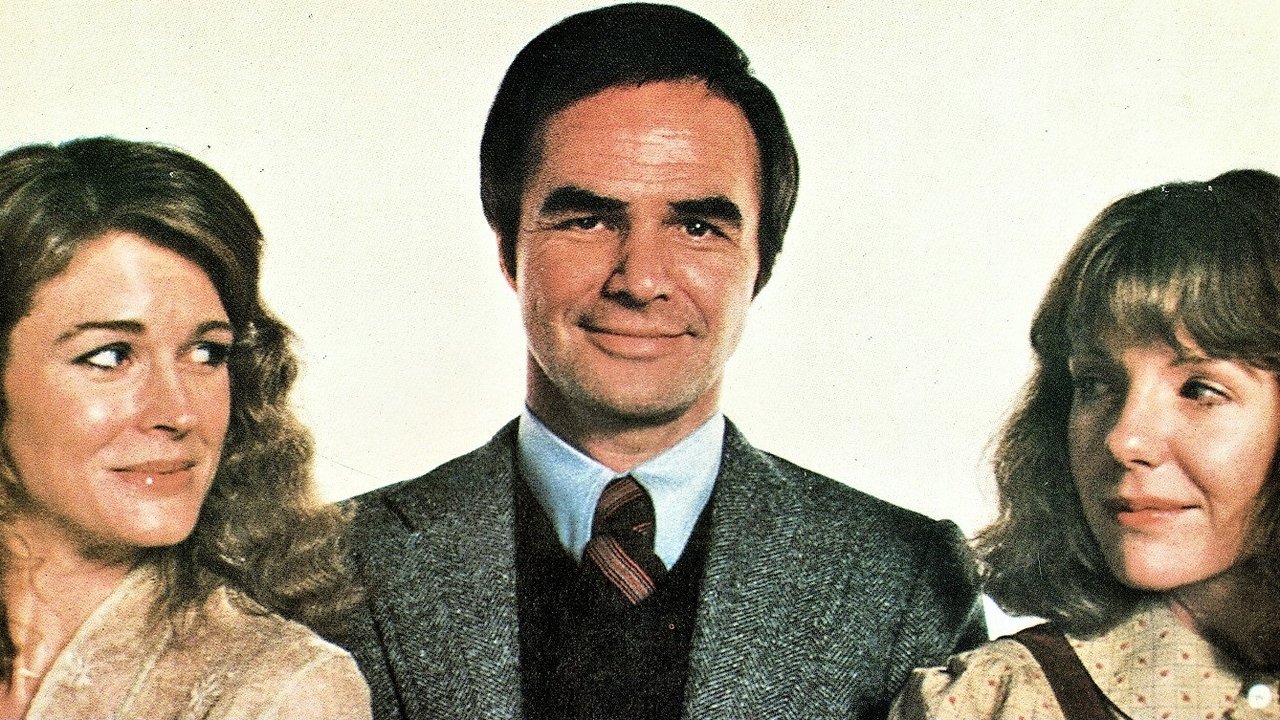
What truly elevates Starting Over beyond its premise are the performances, particularly from the central trio, all delivering work that feels deeply authentic. Burt Reynolds, then arguably the biggest movie star on the planet known for charismatic action heroes and good ol' boys, took a significant turn here. It's said he actively pursued the role, eager to showcase a different side, and the result is remarkable. His Phil isn't just sad; he’s bewildered, prone to panic attacks, and deeply unsure of himself. Reynolds lets the cracks show, revealing the fear beneath the fading machismo. It’s a performance that reminds you what a truly skilled actor he was, capable of immense charm but also profound sensitivity. I remember renting this back in the day, maybe expecting Smokey and the Bandit Lite, and being genuinely surprised by the depth Reynolds brought.
Then there's Jill Clayburgh as Marilyn Holmberg, the nursery school teacher Phil cautiously begins to date. Fresh off her powerful turn in An Unmarried Woman (1978) – another landmark film about navigating life post-separation – Clayburgh embodies the anxieties and hopes of someone trying to trust again. Her Marilyn is intelligent, warm, and fiercely independent, yet also carries her own emotional baggage. The chemistry between her and Reynolds feels tentative and real, built on shared awkwardness and gradual understanding rather than instant fireworks. Clayburgh earned a richly deserved Oscar nomination for this role, her second consecutive nomination for Best Actress.
And Candice Bergen? As the ambitious, utterly self-absorbed Jessica, she’s a revelation. Her performance is a masterclass in comedic timing, playing Jessica's cluelessness not just for laughs, but with an underlying layer of desperation that makes the character more than a caricature. Her attempts at launching a singing career, culminating in the legendarily off-key performance of "Better Than Ever," are simultaneously hilarious and excruciating. It's a testament to Bergen's skill (and bravery!) that she makes Jessica unforgettable, earning her own Oscar nomination for Best Supporting Actress. That song, penned by the great Marvin Hamlisch and Carole Bayer Sager, became almost iconic in its intentional awfulness.
The Messiness of Moving On
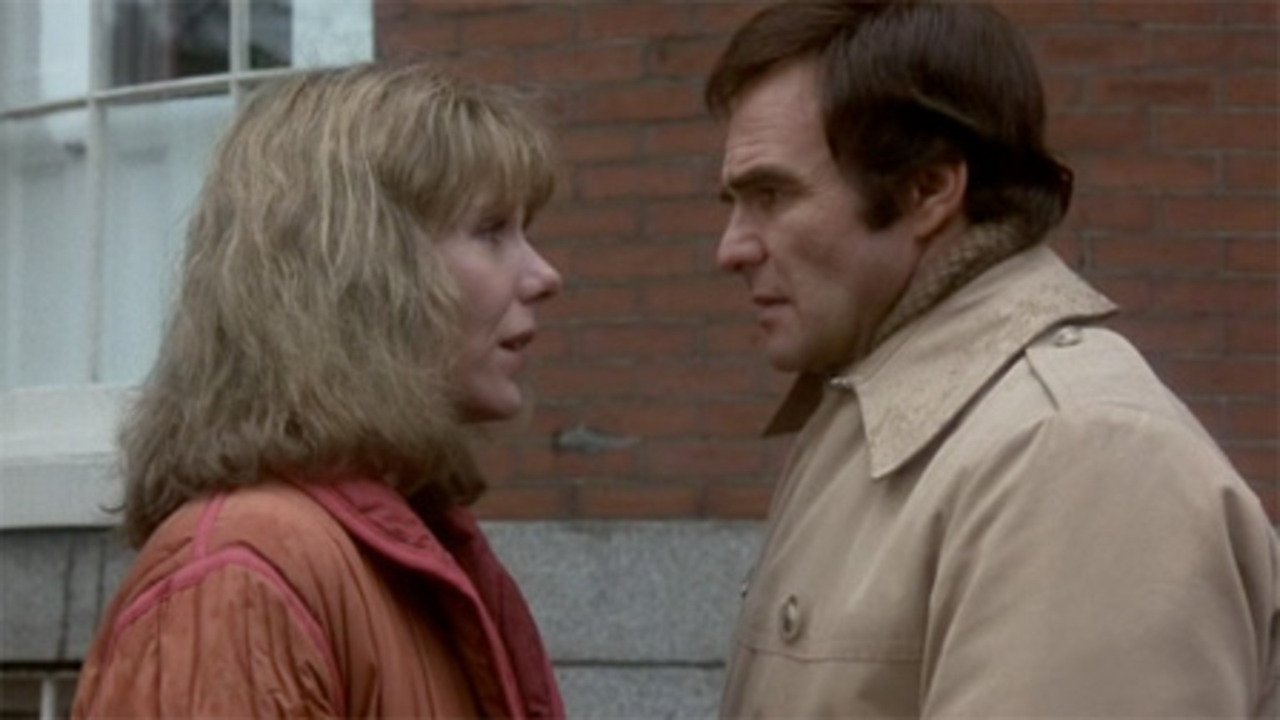
The screenplay, adapted by James L. Brooks (years before he'd give us classics like Terms of Endearment (1983) and Broadcast News (1987)) from Dan Wakefield’s novel, is key to the film’s success. Brooks, who also nabbed an Oscar nomination for his script, avoids easy answers and sentimental tropes. The dialogue crackles with wit and honesty, capturing the stumbles and false starts of building a new life. The film isn't afraid to show the less glamorous side of starting over: the excruciatingly awkward men's divorce support group meetings, the lingering attachments, the sheer difficulty of disentangling lives. What lingers most after the film ends isn't just the romance, but the messy, relatable struggle of its characters. Doesn't that often feel more true to life than the fairy-tale endings?
Retro Reflections and Lingering Truths
Watching Starting Over today feels like unearthing a time capsule, not just of late 70s fashion and Boston scenery, but of a particular moment in filmmaking where character-driven adult dramas were given mainstream attention. It tackled divorce with a blend of humor and pathos that felt quite mature for its time. The film was well-regarded critically, earning those three acting nominations, but perhaps its quieter tone meant it didn't achieve the massive box office splash of Reynolds' more action-oriented hits. Yet, its insights into the human condition – the fear of loneliness, the courage required to be vulnerable, the sometimes-absurd journey of finding love again – remain remarkably potent.

Rating: 8/10
This score reflects the film's exceptional strengths: the nuanced and brave performances from Reynolds, Clayburgh, and Bergen; James L. Brooks' sharp, insightful screenplay; and Alan J. Pakula's sensitive direction. It captures the bittersweet reality of emotional recovery with uncommon honesty and humor. While the pacing occasionally feels deliberate in that classic late-70s style, the emotional core remains incredibly strong and relatable.
Starting Over might not have the high-octane thrills or laugh-a-minute pace of other films from the era found stacked on rental shelves, but its quiet power and truthful exploration of complicated hearts give it a lasting resonance. It’s a reminder that sometimes, the most compelling stories are found not in grand gestures, but in the tentative, fumbling steps we take towards putting ourselves back together.