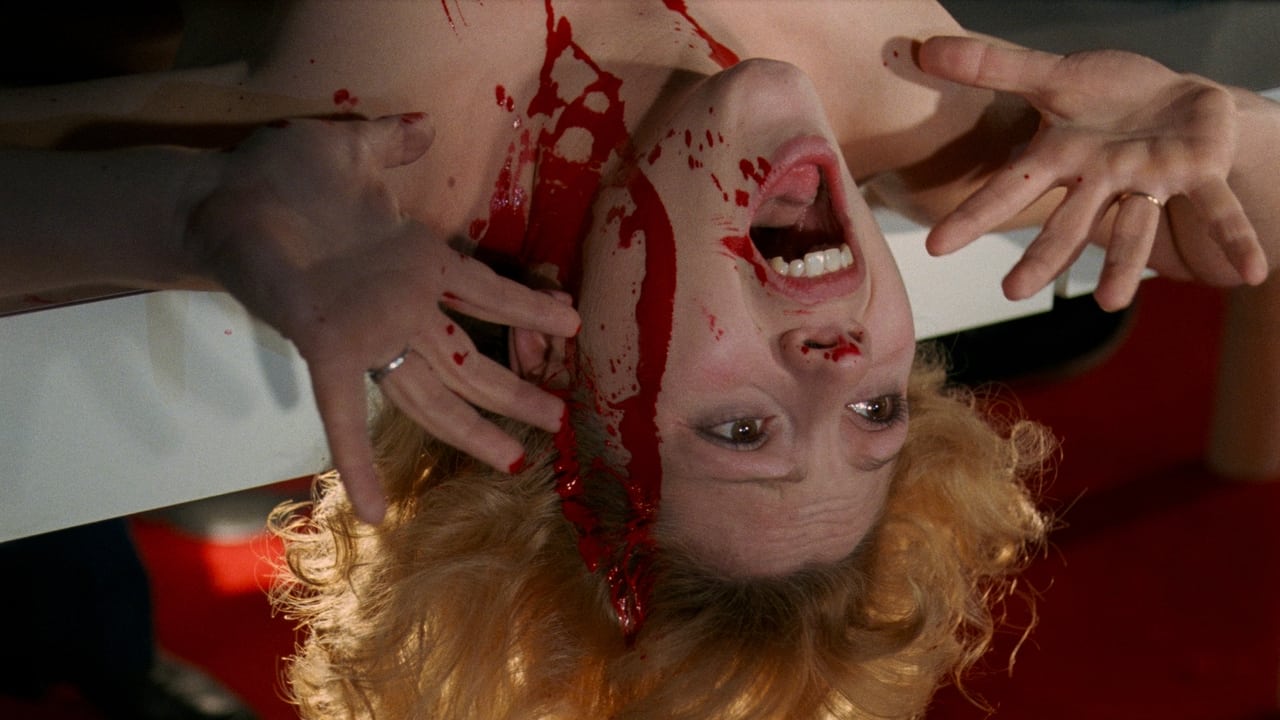
She runs. Out of the suffocating darkness, into the indifferent glare of headlights, her mind a terrifying blank slate. That first desperate flight in Jean Rollin's La Nuit des Traquées (released internationally as The Night of the Hunted) from 1980 isn't just the start of the plot; it's the film's thesis statement, plunging us immediately into a chilling vortex of amnesia, paranoia, and inescapable dread. Forget gothic castles and seductive vampires for a moment; here, Rollin crafts a different kind of nightmare, one rooted in the sterile coldness of institutional control and the fragility of memory itself.
Into the Labyrinth of Lost Minds
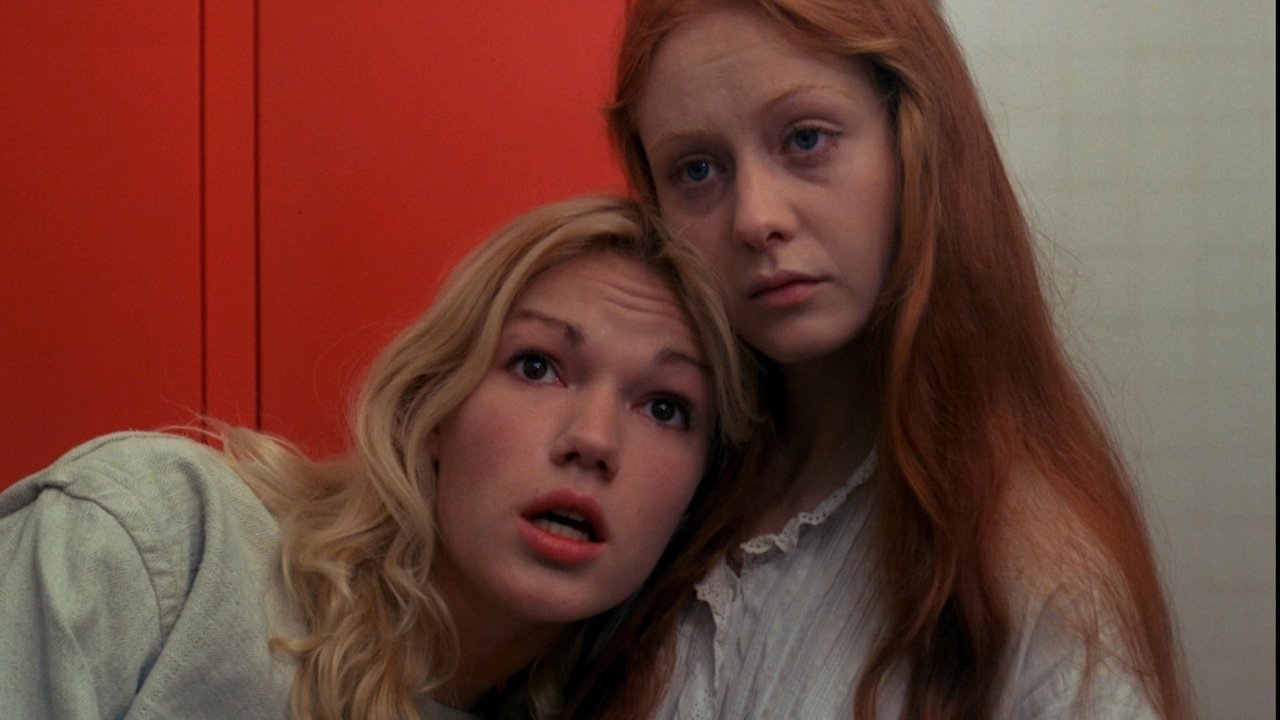
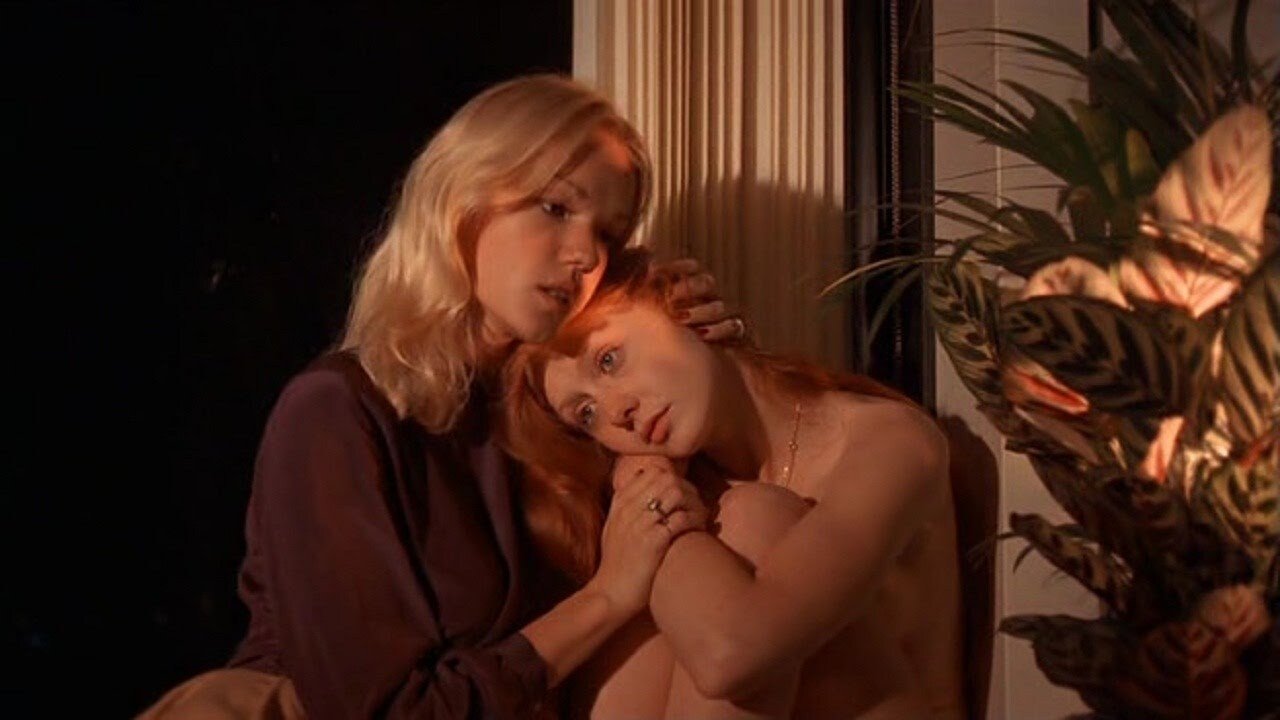
The woman, Elisabeth (Brigitte Lahaie), can't remember who she is or why she's fleeing. Rescued by Robert (Vincent Gardère), she finds temporary sanctuary, but the forces pursuing her soon close in. She's returned to a modern, isolated facility where others suffer from a similar, progressively worsening amnesia. Overseen by the enigmatic Dr. Francis (Bernard Papineau), the clinic promises care but radiates menace. The patients whisper of disappearances, of people reaching "the point of no return," their memories dissolving completely. Is it a hospital or a prison? A sanctuary or a laboratory? Rollin, working with co-writer Jacques Ralf, deliberately blurs the lines, letting the ambiguity fester. The terror here isn't in jump scares, but in the slow, creeping realization that identity can be erased, that the self can simply… fade away.
A Raw Nerve Exposed
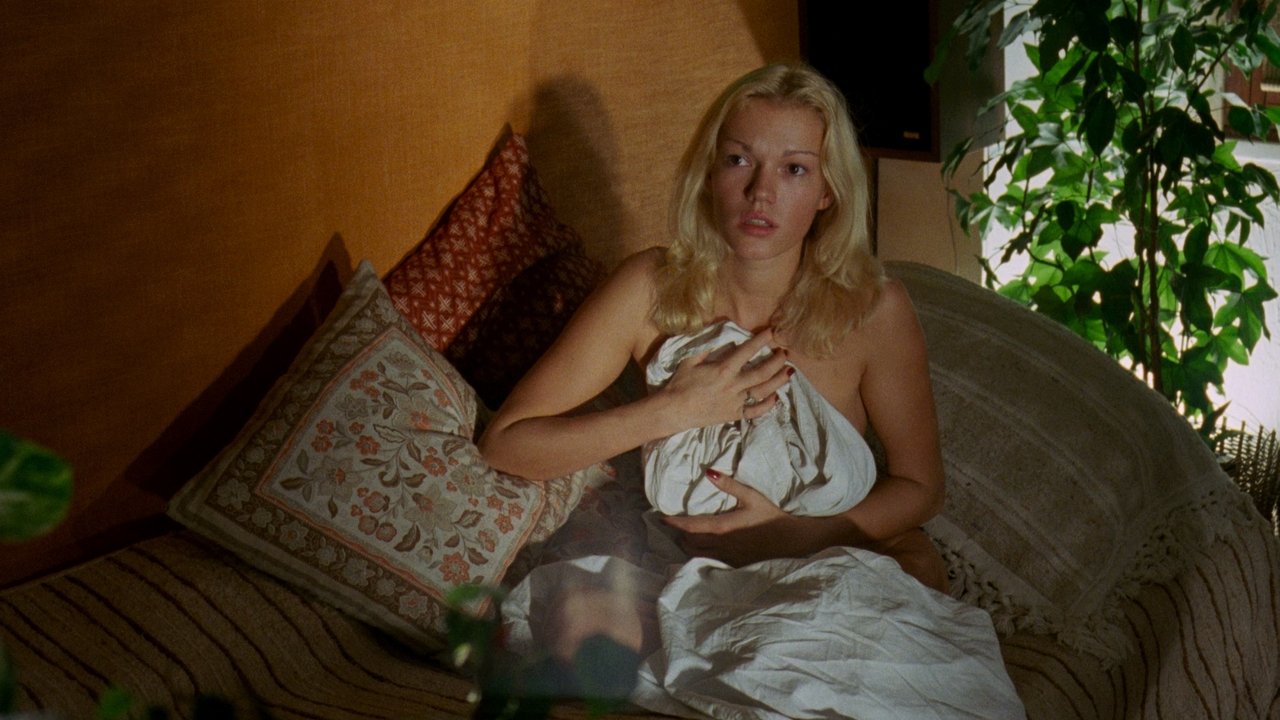
At the heart of this chilling descent is Brigitte Lahaie. Primarily known at the time for her work in French adult cinema, Lahaie delivers a performance of startling vulnerability and raw fear. Rollin often cast unconventional figures, seeing a unique presence others might overlook, and his intuition pays off spectacularly here. Lahaie embodies Elisabeth’s confusion and terror with a physicality that feels utterly genuine. Her wide, haunted eyes become mirrors reflecting the film's pervasive anxiety. She isn't playing a victim passively waiting for rescue; she's fighting against an internal tide, clinging desperately to fragmented memories and burgeoning feelings for Robert, even as the institution relentlessly tries to pull her under. It's a performance that anchors the film's emotional core amidst the strangeness.
The Austerity of Dread
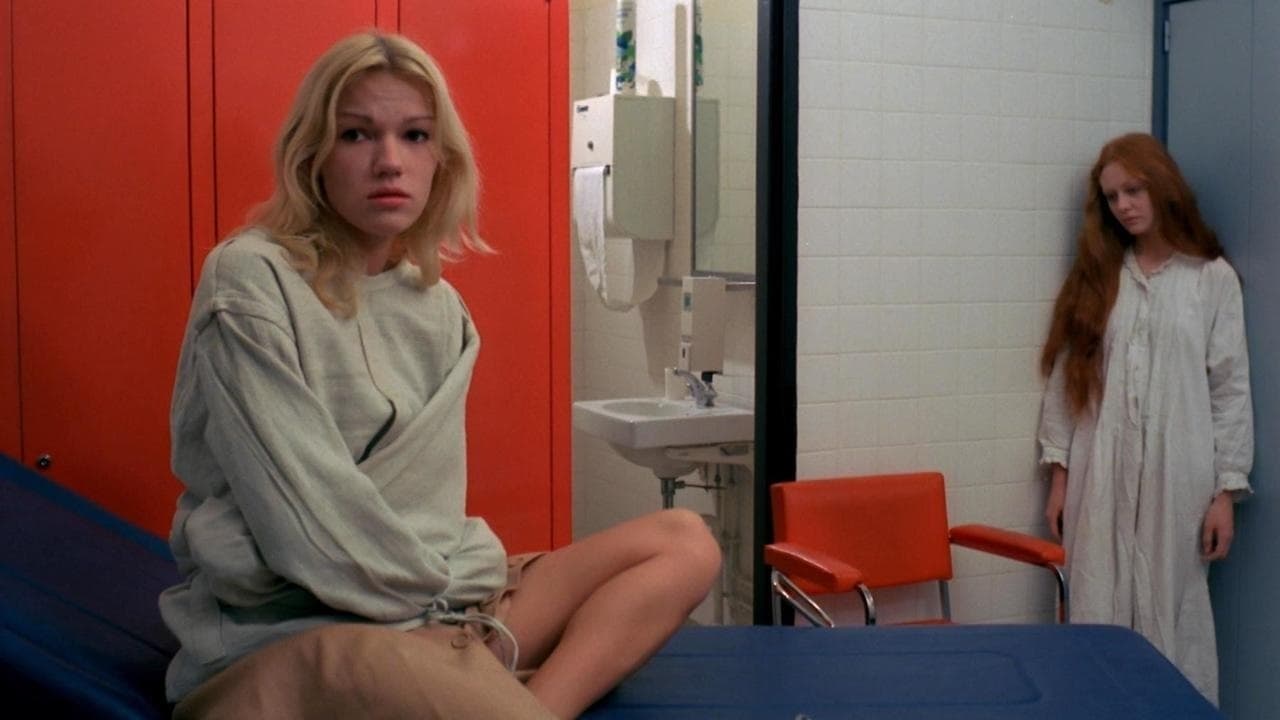
Forget the lush romanticism often associated with Rollin's work. The Night of the Hunted is stark, minimalist, almost clinical in its aesthetic. The setting – a modern, impersonal building – becomes a character in itself. Shot, like many Rollin productions, on a tight budget and schedule, the film turns limitations into strengths. The sparse corridors, the blank walls, the functional, almost brutalist architecture – it all contributes to a profound sense of alienation and confinement. There's a persistent rumour that Rollin secured the location – supposedly a then-unfinished office complex or hospital – for next to nothing, a testament to his resourcefulness in creating atmosphere out of thin air. The synthesizer score by Philippe d'Aram further amplifies the mood – cold, electronic pulses that underscore the psychological disintegration rather than providing traditional horror cues. It’s a soundscape that gets under your skin, mimicking the encroaching mental void.
Rollin's Unexpected Detour
For aficionados digging through battered VHS tapes of Rollin's filmography, The Night of the Hunted stands out. It largely eschews the vampires, crumbling cemeteries, and lesbian couplings that defined films like Fascination (1979) or The Iron Rose (1973). Instead, it leans into a more sci-fi adjacent, dystopian paranoia, feeling closer perhaps to early David Cronenberg in its exploration of bodily and mental decay, albeit filtered through Rollin's distinctly dreamy, melancholic lens. The script leaves many questions unanswered – the exact nature of the memory affliction, the true purpose of the clinic, the identity of the shadowy figures orchestrating it all. Is this a deliberate choice to enhance the mystery, or a byproduct of Rollin's notoriously fast-paced, sometimes improvisational shooting style? Perhaps both. The ambiguity, however, is key to its lasting power, forcing the viewer to grapple with the unknown alongside Elisabeth.
The Lingering Chill
The Night of the Hunted isn't a perfect film. The pacing can feel deliberate, almost glacial at times, and the low budget occasionally shows at the seams. Some supporting performances feel flatter compared to Lahaie’s intensity. Yet, its power is undeniable. It creates a unique and deeply unsettling atmosphere that lingers long after the credits roll. It’s the kind of film you might have stumbled upon late one night on a flickering CRT, the eerie synth score and Lahaie's panicked eyes etching themselves into your memory – ironically, for a film about losing it. It might lack the cult notoriety of Rollin's vampire tales, but it represents a fascinating and potent strand of his unique cinematic vision. Doesn't that core concept – the systematic erasure of the self – still feel unnervingly relevant today?
Rating: 7/10
The score reflects the film's undeniable atmospheric power, Brigitte Lahaie's compelling central performance, and Jean Rollin's signature ability to craft unsettling beauty from minimal resources. It's docked points for occasional pacing issues and budgetary constraints sometimes impacting the execution. However, the sheer, unique dread it cultivates makes it a standout piece of 80s Euro-cult cinema.
It remains a haunting reminder from the VHS era that sometimes the most terrifying monsters aren't supernatural, but the cold, institutional forces that can strip us of who we are, leaving behind only a hollow echo.