Some films arrive fully formed, products of a smooth studio pipeline. Others… well, others have a story almost as epic as the one they tell on screen. Imagine stumbling upon a tape, perhaps with slightly unfamiliar, elegant cover art, promising an animated adventure unlike the usual Saturday morning fare. That's the magic of discovering Le Roi et l'Oiseau (or The King and the Mockingbird as many of us eventually knew it), a film whose journey to our screens spanned decades and became a legend in itself. This isn't just a cartoon; it's a testament to artistic vision, a gorgeous slice of French animation finally completed in 1980, and a true treasure waiting to be rediscovered.
### A Kingdom Built on Dreams and Delays
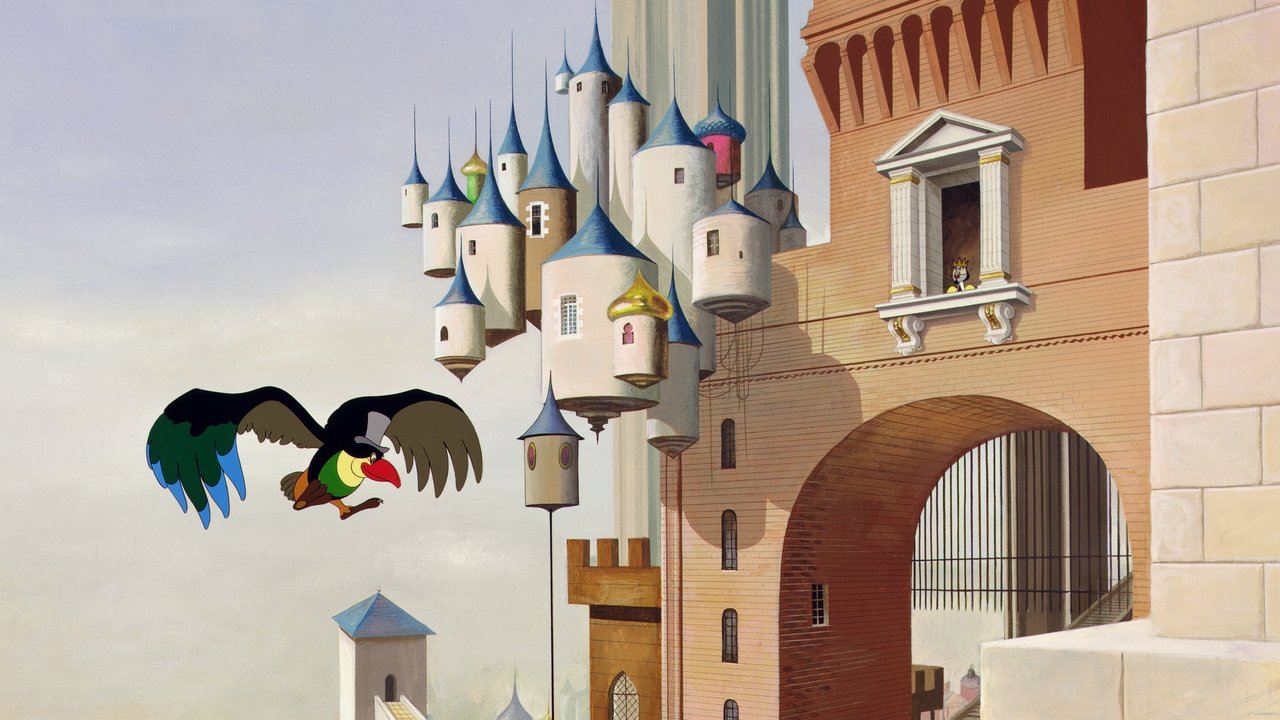
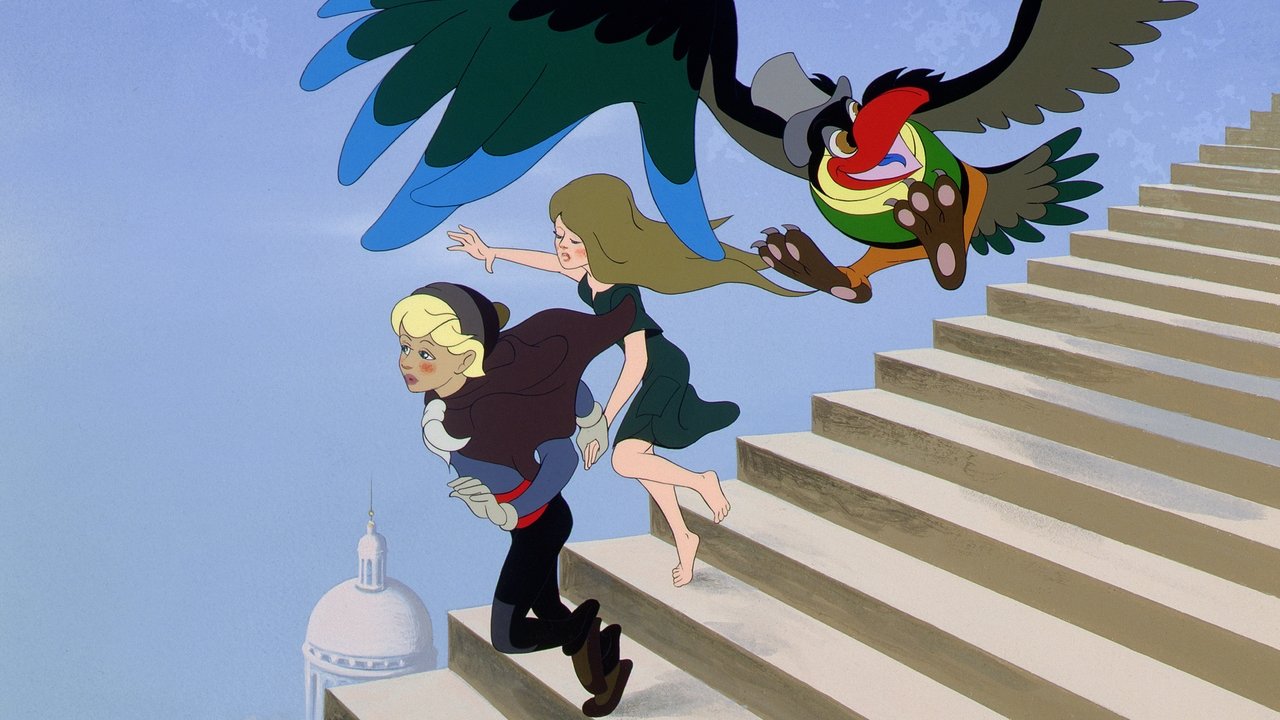
The first thing that strikes you about The King and the Mockingbird is its breathtaking visual style. The kingdom of Takicardia, ruled by the tyrannical King Charles V + III = VIII + VIII = XVI (yes, really!), is a marvel of impossible architecture – towering structures, endless staircases reaching for the sky, and secret passages galore. It feels like M.C. Escher decided to design a fairy tale castle. Directed with painstaking care by the legendary Paul Grimault, a pioneer of French animation, the film possesses a unique aesthetic that feels both timeless and distinctly European. Grimault worked alongside the celebrated poet and screenwriter Jacques Prévert (who also penned the classic Children of Paradise), adapting a Hans Christian Andersen tale into something far richer and more satirical.
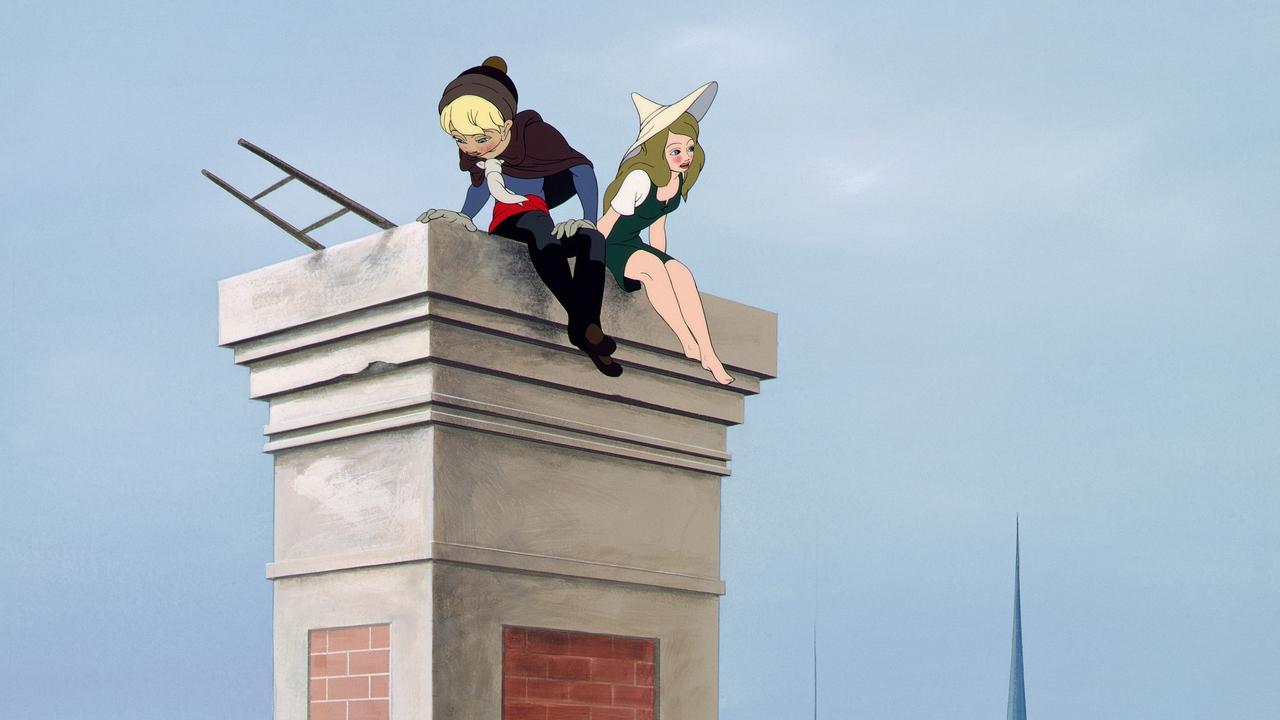
But here's where the story behind the film gets wild. Grimault and Prévert began work way back in 1948 on a version called La Bergère et le Ramoneur (The Shepherdess and the Chimney Sweep). Production woes, funding cuts, and disputes led to an unfinished version being released without their full approval in 1952, much to their dismay. It took Grimault nearly thirty years – think about that! – buying back the rights, securing new funding, and painstakingly reworking and adding new animation to finally realize his original vision. The version released in 1980, the one that eventually found its way onto cherished VHS tapes, was the culmination of a lifetime's ambition. Knowing this backstory adds an incredible layer of appreciation; every frame feels earned.
### Of Tyrants, Talking Birds, and True Love
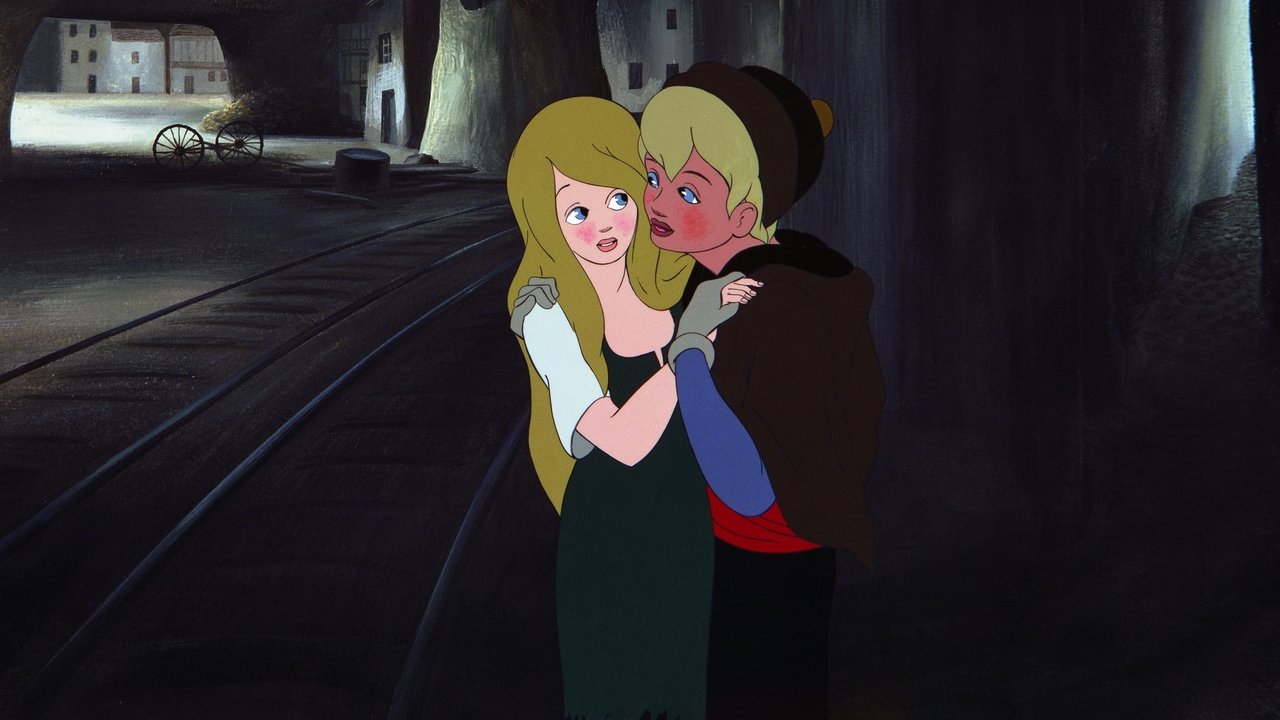
The plot itself is a captivating blend of adventure, romance, and gentle political commentary. The vain King Charles XVI secretly adores a shepherdess in a painting, but she only has eyes for the chimney sweep in the neighbouring portrait. When the paintings magically come to life, the lovers flee the King's clutches, aided by the titular Mockingbird – a witty, resourceful, and wonderfully voiced character (Raymond Bussières provides the original French voice, full of charm and defiance). The Mockingbird, Mr. Bird as he's known, acts as our guide and commentator, frequently breaking the fourth wall with wry observations about the absurdity of the King's power, voiced with sneering menace by Pascal Mazzotti. Jean Martin, known to many cinephiles from The Battle of Algiers, voices the Mockingbird's chicks in the original French track.
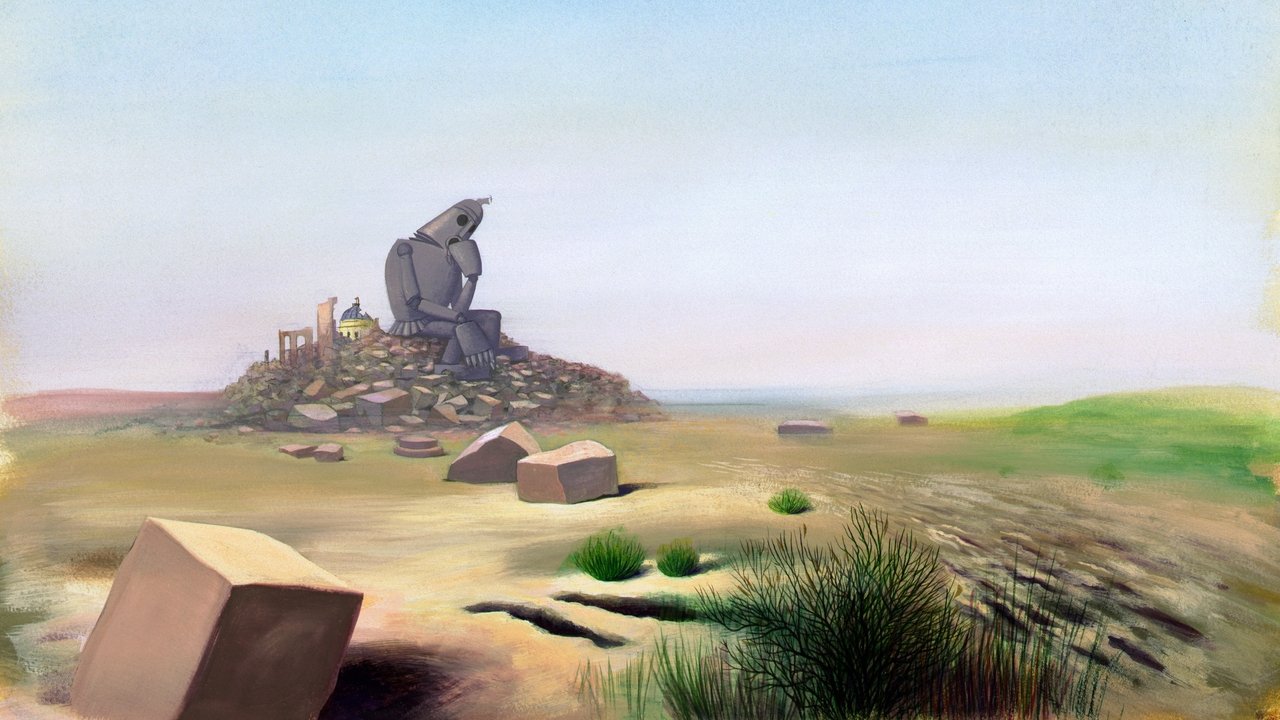
What follows is a chase through the dizzying heights and oppressive depths of the kingdom. We see the stark contrast between the opulent, heavily automated upper levels where the King isolates himself, and the grim lower city where the common folk are oppressed by the King's secret police (personified by a chillingly effective, shadowy figure). The film cleverly uses its fairy tale framework to explore themes of freedom, rebellion against tyranny, and the power of love and solidarity. It never feels heavy-handed, though; the adventure and visual wonder always remain front and centre. The King's giant, automated robot, a truly iconic piece of design, becomes both a terrifying instrument of oppression and, ultimately, a symbol of the regime's eventual self-destruction.
### An Animated Masterpiece That Inspired Giants
Watching The King and the Mockingbird today, its influence is undeniable. The intricate world-building, the blend of humour and pathos, the slightly melancholic beauty – you can see echoes of its DNA in later animated masterpieces. Most famously, Japanese animation titans Hayao Miyazaki and Isao Takahata, the founders of Studio Ghibli, have cited The King and the Mockingbird as a profound inspiration. Miyazaki reportedly saw the earlier, unfinished version in the 1950s and was captivated. Elements like the flying machines, the grand castle designs (think Castle in the Sky), and the focus on strong, determined characters certainly feel like kindred spirits. It’s fascinating to think of this French gem quietly shaping the future of animation halfway across the world.
The animation itself, while obviously from a different era than today's CGI extravaganzas, holds up beautifully. There's a fluidity and expressiveness to the character movements, and the sheer imagination poured into the design of Takicardia is remarkable. Grimault and his team used perspective and scale masterfully to convey both the grandeur and the loneliness of the King's domain. The score, composed by Wojciech Kilar (who would later score Coppola's Dracula), perfectly complements the visuals, shifting from whimsical to dramatic to melancholic with ease.
### Rediscovering a Resilient Gem
The King and the Mockingbird might not have been plastered on every kid's lunchbox back in the day, certainly not in North America where it remained relatively obscure for years compared to Disney fare. Finding it often felt like uncovering a secret. It was a different kind of animated magic – perhaps a little more sophisticated, a touch more melancholic, but utterly enchanting. It didn't talk down to its audience, weaving its critiques of power into a genuinely thrilling adventure.
It’s a film born of passion and perseverance, a story about escaping confinement, both literal and figurative. The decades-long struggle to bring it to the screen mirrors the protagonists' fight for freedom within the narrative. It’s a reminder that great art sometimes takes time, patience, and an unwavering belief in the story being told.
VHS Heaven Rating: 9/10
The score reflects the film's stunning artistry, its influential legacy, its captivating story, and the sheer miracle of its existence. While perhaps lesser-known than some contemporaries in certain regions, its quality and impact are undeniable. It loses a single point perhaps only because its slower, more European pacing might differ from what some viewers raised purely on Hollywood animation expect, but this is also part of its unique charm.
For animation lovers, history buffs, or anyone seeking a retro adventure with surprising depth, The King and the Mockingbird is essential viewing. It's more than just a cartoon; it's a lovingly crafted piece of cinema history that flew against the odds, much like its feathered hero, to finally reach its audience. A true jewel from the dawn of the 80s, proving animation could be both enchanting and insightful.