Alright, fellow tape travellers, let's rewind to a time when a young boy's infectious optimism could melt even the frostiest heart, long before cynicism became the default setting. I'm talking about the surprisingly lavish and genuinely touching 1980 television adaptation of Little Lord Fauntleroy. Perhaps you caught this one nestled between shows on a Sunday night, or maybe it was a cherished rental, its sturdy plastic case promising a trip to Victorian England right from your living room couch. Whatever your memory, this wasn't just another kids' movie; it was a remarkably well-crafted piece of storytelling that punched well above its small-screen weight.

This particular version, directed by the versatile Jack Gold (who navigated vastly different terrains from the gritty The Naked Civil Servant (1975) to the aerial action of Aces High (1976)), brought Frances Hodgson Burnett's enduring 1886 novel to life with surprising faithfulness and heart. It arrived just as the 80s were dawning, offering a dose of earnest charm that felt both timeless and, perhaps even then, a little counter-cultural to the era's burgeoning coolness.
From Brooklyn Grit to British Grandeur
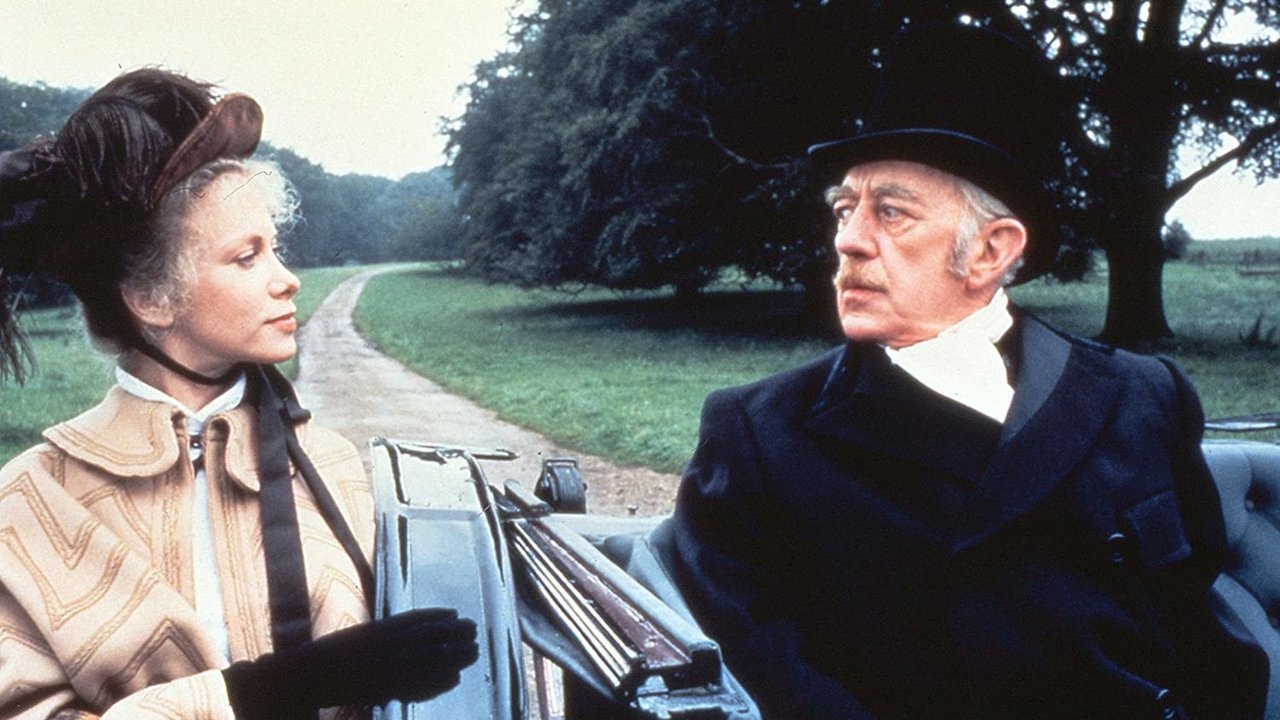
The story, of course, is classic fish-out-of-water, rags-to-riches stuff, but with a unique emotional core. We meet young Cedric Errol, a kind-hearted American boy living a modest but happy life in late 19th-century Brooklyn with his beloved mother, known only as "Dearest" (played with gentle warmth by Connie Booth, instantly recognizable to many of us from her brilliant comedic work in Fawlty Towers). Cedric, portrayed by a then-eight-year-old Ricky Schroder in a performance that would catapult him to stardom before Silver Spoons cemented his teen idol status, is utterly unaware of his aristocratic lineage.
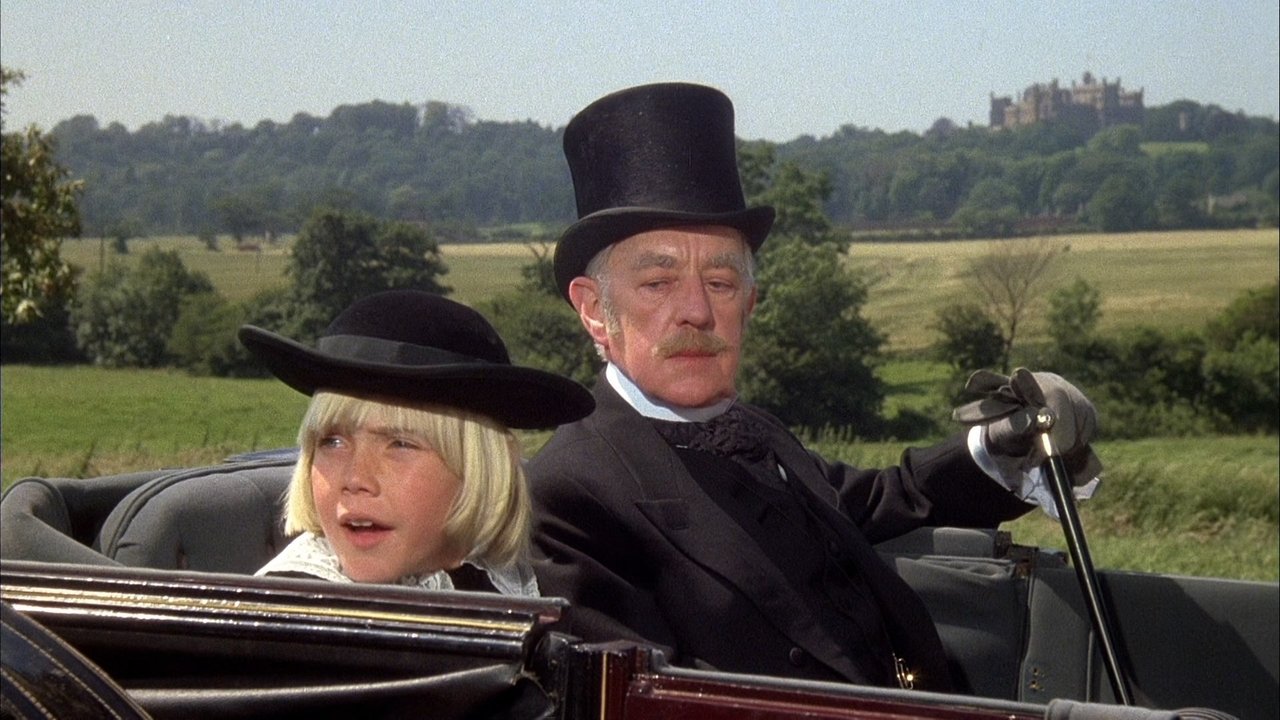
That is, until an emissary arrives with life-altering news: Cedric is the sole heir to the Earl of Dorincourt, his stern, gout-ridden, American-hating grandfather. Whisked away to a sprawling English castle, Cedie must navigate the stuffy corridors of British nobility and, more dauntingly, the stony exterior of the formidable Earl. The culture clash is immediate and provides gentle humour, but the film’s real magic lies in watching the boy’s unwavering kindness and democratic spirit gradually chip away at the Earl's hardened prejudices.
The Force is Strong with This Earl
Let's be honest, a huge part of what elevates this adaptation is the casting coup of Sir Alec Guinness as the Earl of Dorincourt. Fresh off solidifying his legendary status as Obi-Wan Kenobi in the original Star Wars trilogy (with The Empire Strikes Back released the very same year!), Guinness brings immense gravitas and subtle complexity to the role. He masterfully portrays the Earl's initial icy disdain, his bewilderment at Cedie's lack of deference, and, crucially, the slow, thawing realization that this small American boy embodies the goodness long absent from his own life. Watching Guinness, a master of understated expression, react to Schroder's guileless charm is the film's central delight. There's a wonderful behind-the-scenes anecdote that Guinness, initially perhaps viewing it as a lesser role, became genuinely fond of young Schroder, and that warmth subtly translates onto the screen, adding another layer to their characters' evolving relationship.
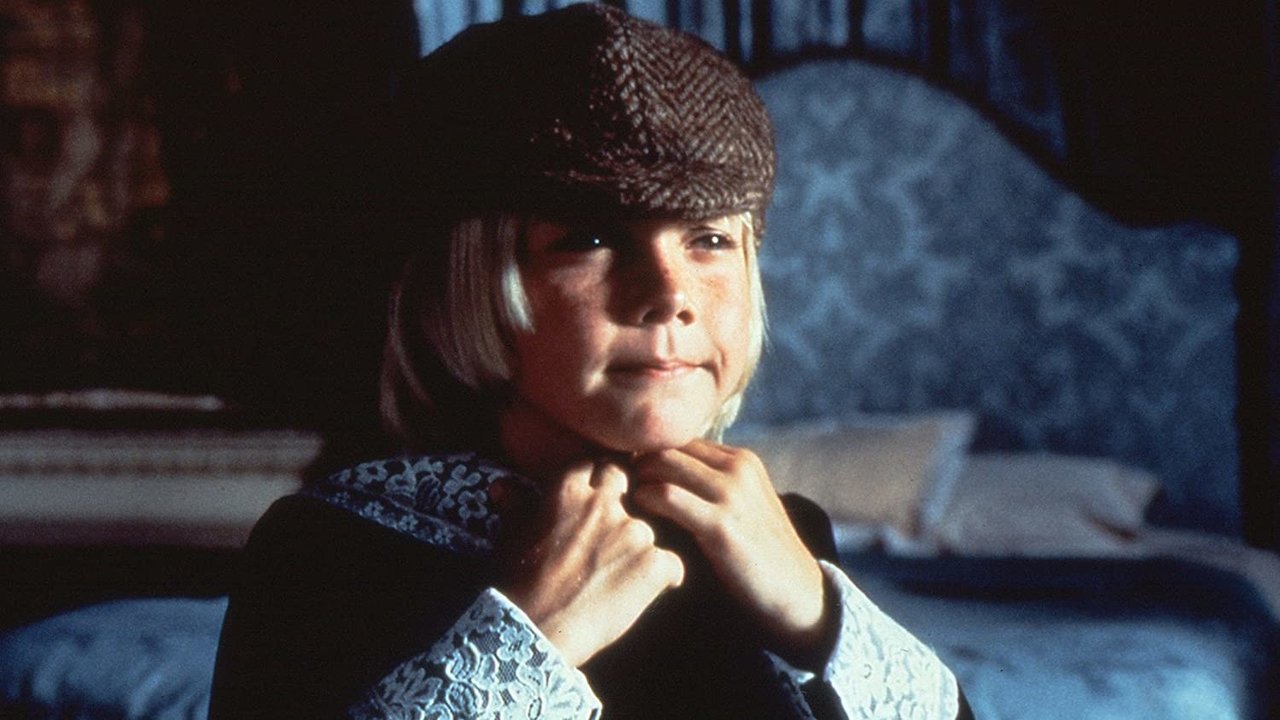
Ricky Schroder, meanwhile, is a revelation. It’s a potentially treacly role, but he embodies Cedie’s innate goodness and optimism without becoming overly saccharine. He’s natural, engaging, and utterly believable as the catalyst for change. His performance rightly earned him a Young Artist Award, and it's easy to see why audiences were captivated.
A Touch of Class on the Small Screen
For a television movie of its time, Little Lord Fauntleroy boasts impressive production values. Filmed on location in England, utilizing the grandeur of places like Belvoir Castle and Stratfield Saye House (ancestral home of the Dukes of Wellington!), it possesses an authentic sense of place that transports the viewer. Director Jack Gold and adapter Blanche Hanalis treat the source material with respect, focusing on character development and emotional resonance rather than rushing through plot points. The costumes feel period-accurate, the sets are richly detailed, and the overall atmosphere captures both the austerity of the Earl's world and the simple warmth of Cedie's upbringing. It reportedly cost around $6 million to make – a significant sum for TV back then – and it shows on screen. It felt like a movie, not just something made for TV.
Why It Still Warms the Cockles
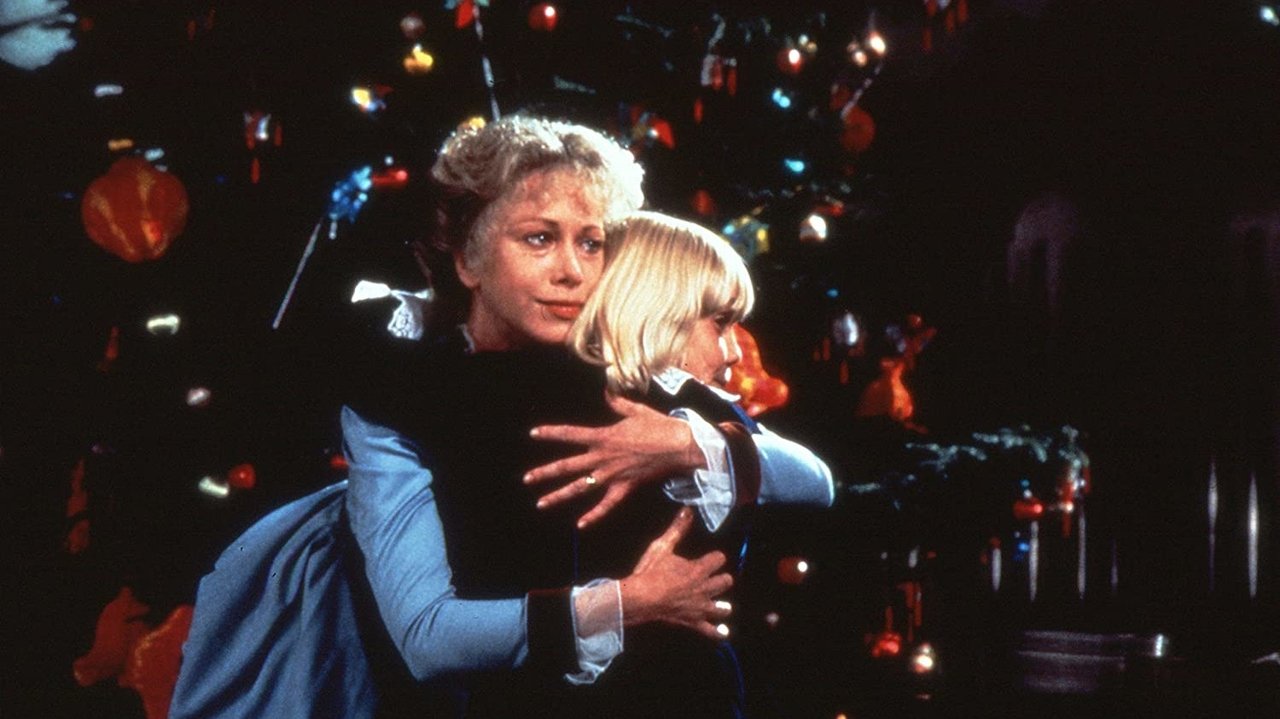
Sure, the story is sentimental. It wears its heart proudly on its velvet sleeve. But there’s an integrity to this adaptation that prevents it from becoming cloying. It’s a story about the transformative power of kindness, empathy bridging social divides, and the simple truth that goodness can be found (and nurtured) in the most unexpected places. In a world that often felt like it was getting faster and louder, Little Lord Fauntleroy offered a comforting message, beautifully told. Watching it again now, perhaps on a less-than-pristine digital transfer that mimics that old VHS fuzz, it retains that comforting quality. You find yourself rooting for Cedie, charmed by his innocence, and genuinely moved by the Earl's slow-burn redemption arc, thanks largely to Guinness's superb performance.
It might not have the explosions or quippy one-liners of other 80s staples, but this Fauntleroy holds a special place. It’s a reminder that sometimes, the quietest stories, told with sincerity and skill, can leave a lasting impression.
VHS Heaven Rating: 8/10
This score reflects the stellar performances (especially Guinness's masterclass), the high production values for a TV film, its faithful and heartfelt adaptation of a classic story, and its enduring charm. It might be unapologetically sentimental for modern tastes, but it executes its aims beautifully, carried by exceptional acting and direction.
A truly lovely adaptation that proved television could deliver cinematic quality and genuine emotion, earning its spot as a cherished memory for many who discovered it flickering on their CRT screens back in the day. A perfect slice of gentle nostalgia.