Alright, pop that tape in, ignore the tracking fuzz for a second, and let's talk about a slice of late-70s cinematic oddity that probably graced more than a few rental shelves back in the day: George P. Cosmatos's Escape to Athena (1979). This isn't your standard gritty WWII flick; oh no, this is something...else. Imagine The Great Escape crossed with a heist movie, sprinkled with groovy European flair, and starring a cavalcade of familiar faces seemingly enjoying a working holiday in the Greek sunshine. It’s a peculiar mix, but pour yourself a drink, settle back, and let's remember this strange beast.
### Sunshine, Swastikas, and Star Power
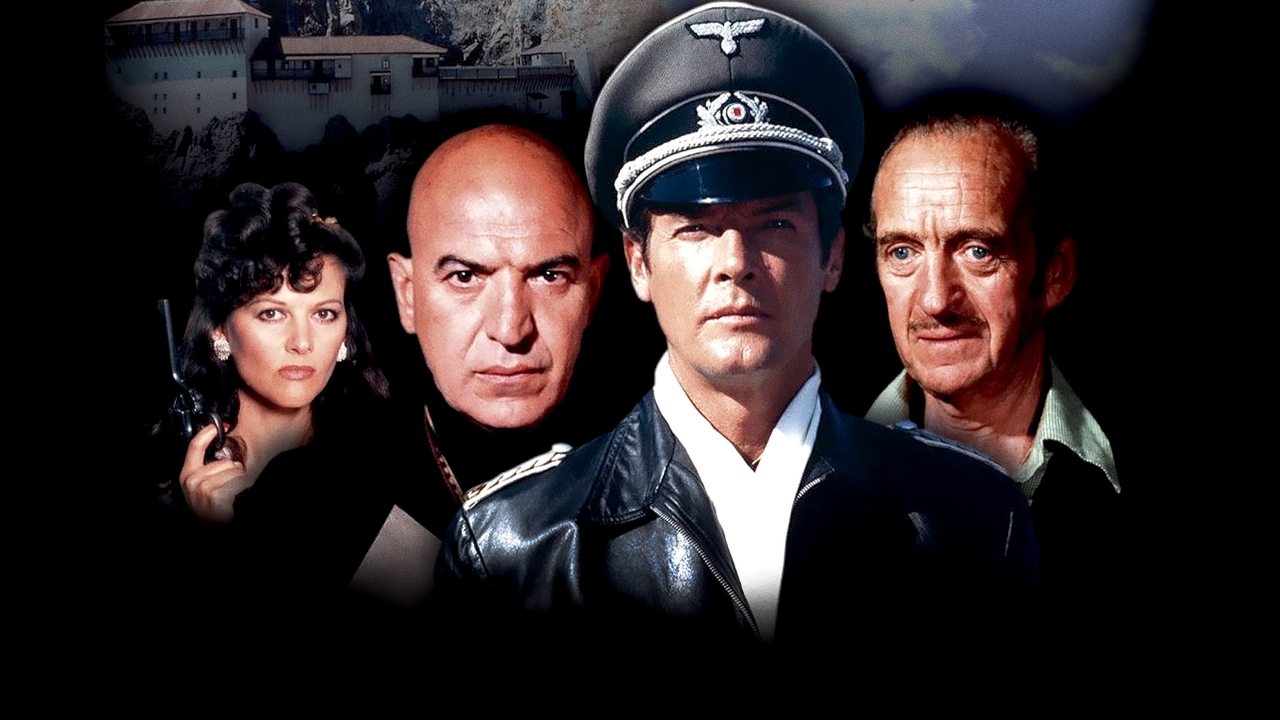
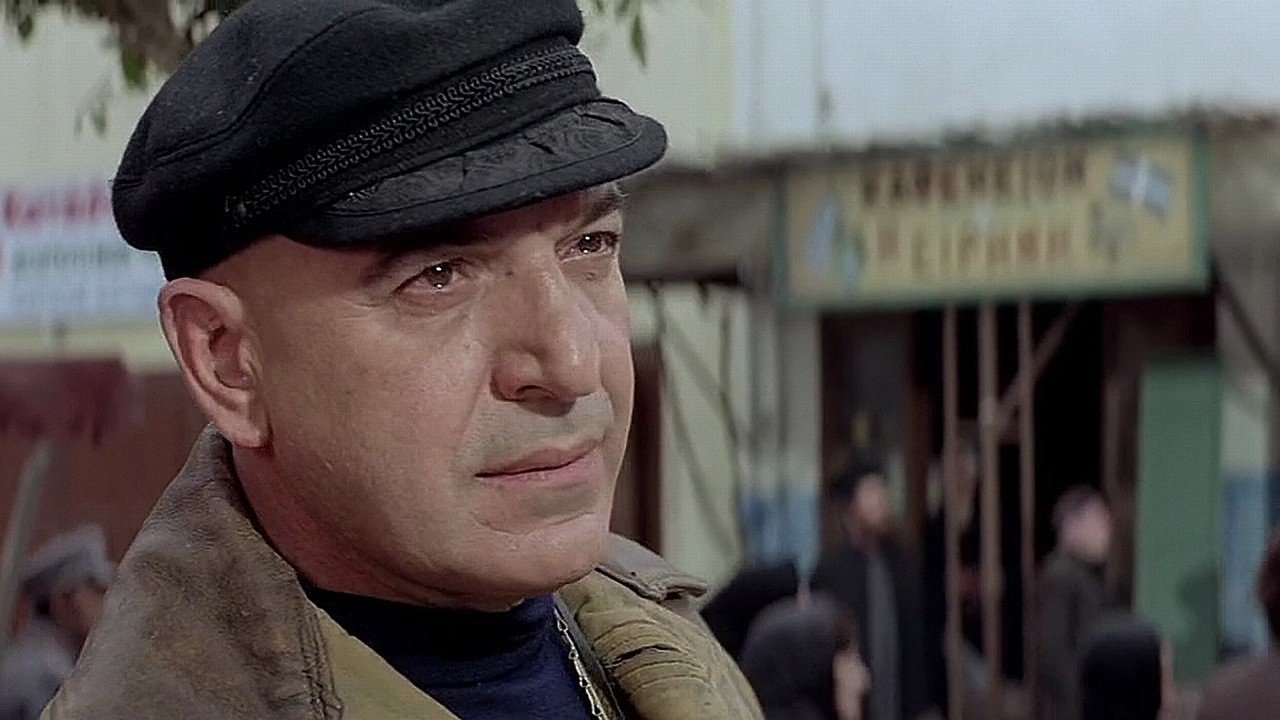
The premise alone raises an eyebrow: on a Nazi-occupied Greek island in 1944, Allied prisoners of war aren't just planning an escape, they're plotting to liberate priceless stolen art treasures while simultaneously aiding the local resistance led by the formidable Zeno (Telly Savalas, radiating effortless cool even as a partisan leader). Complicating things (or perhaps enabling them?) is the camp commandant, Major Otto Hecht, played with a surprising degree of charm by none other than Roger Moore. Yes, 007 himself as a "good German" antique enthusiast caught between duty and desire. It's a casting choice that feels delightfully incongruous now, and probably did then too! Moore actually hesitated taking the role, concerned about playing a Nazi officer, but was reportedly convinced by the script emphasizing Hecht's disillusionment and anti-Nazi leanings.
Joining this unlikely trio is a truly eclectic ensemble. You've got the ever-dapper David Niven as an archaeology professor, the wisecracking Elliott Gould as a USO performer caught behind enemy lines (providing much of the film's deliberate comedy), Stefanie Powers adding glamour and grit as another USO entertainer, the stunning Claudia Cardinale as a local madam pivotal to the resistance, and even Richard Roundtree (Shaft!) as one of the Allied POWs. It’s the kind of cast that screams "international co-production," bankrolled by the legendary Lew Grade's ITC Entertainment, known for these sprawling, star-stuffed ventures.

### That Motorcycle Chase!
Now, let's talk action, because while Escape to Athena ambles along with its caper elements, when it decides to kick into gear, it does so with that wonderfully tangible, pre-CGI recklessness we adore. The centerpiece, the sequence everyone remembers (or should remember), is Elliott Gould's character commandeering a motorcycle with Stefanie Powers in the sidecar, leading the Nazis on a wild chase through the narrow, winding streets and rooftops of a Greek village (filmed beautifully on location in Rhodes).
Forget polished, physics-defying digital stunts. This is pure, unadulterated practical mayhem. The bikes skid, they bounce, they crash through market stalls, and then there's the jump. Remember seeing that motorcycle leap across a huge gap between rooftops? That felt utterly insane back then, didn't it? That breathtaking stunt was performed by the legendary Vic Armstrong, a true titan of practical stunt work (Indiana Jones, Bond films, Superman, the list goes on!). He reportedly performed the jump multiple times to get it right for Cosmatos, who was already honing the kinetic action style he’d later perfect in films like Rambo: First Blood Part II (1985) and Cobra (1986). There's a raw energy to this chase, a sense of genuine danger – real bikes, real riders, real (controlled) chaos – that modern action often smooths over. You feel the bumps, you wince at the near misses.
### A Curious Blend
The film's tone is definitely… unique. It shifts gears quite abruptly between lighthearted banter, tense escape planning, brutal Nazi reprisals, and almost slapstick action beats. Cosmatos throws everything at the screen: firefights, explosions (real ones, naturally!), daring rescues, treasure hunting, and that aforementioned bonkers chase. It doesn’t always gel perfectly, feeling occasionally like several different movies stitched together. Yet, somehow, this inconsistency becomes part of its quirky charm. You never quite know what's coming next. Will it be a witty exchange between Moore and Niven, a tense standoff with the SS (Anthony Valentine making a suitably nasty villain), or Savalas leading his partisans in a full-blown assault?
The production itself wasn't without its hurdles. Filming on location in Rhodes, while providing stunning scenery that still looks gorgeous today (even on a worn VHS copy!), presented logistical challenges typical of these large-scale international productions of the era. Yet, the sense of place is undeniable, adding a layer of authenticity to the adventurous proceedings. The score by Lalo Schifrin (Mission: Impossible, Dirty Harry) also deserves a mention, providing a suitably rousing and occasionally playful soundtrack to the on-screen antics.
### Is it Athena or Just Athens?
Upon release, Escape to Athena wasn't exactly a critical darling, often seen as a somewhat muddled mix of genres. But audiences looking for star-studded escapism likely found enough to enjoy, especially on home video where its blend of action, adventure, and familiar faces made it prime rental fodder. I certainly remember grabbing this one off the shelf, drawn in by the cast and the promise of wartime thrills, and being pleasantly surprised by its sheer, weird energy.
It's not a masterpiece, let's be clear. The plot meanders, the tone wobbles, and some of the humour feels distinctly of its time. But there's an undeniable affection you can feel for it, especially watching it now. It represents a kind of filmmaking that's largely vanished – big, slightly unwieldy, star-driven adventures shot on location with impressive practical stunts and a willingness to be a little bit silly alongside the seriousness.
Rating: 6/10
Justification: The rating reflects the film's undeniable entertainment value driven by its stellar cast, stunning locations, and standout practical action sequences (especially the motorcycle chase). However, it's held back from a higher score by its uneven tone, meandering plot, and sometimes dated comedic elements. It's flawed fun, a solid B-movie elevated by its ambition and star power.
Final Thought: Escape to Athena is like finding that dusty bottle of Ouzo in the back of the cupboard – maybe not the most refined taste, but potent, uniquely flavoured, and guaranteed to provide a nostalgic kick of old-school, practically-stunted adventure. Worth dusting off for a retro night in.