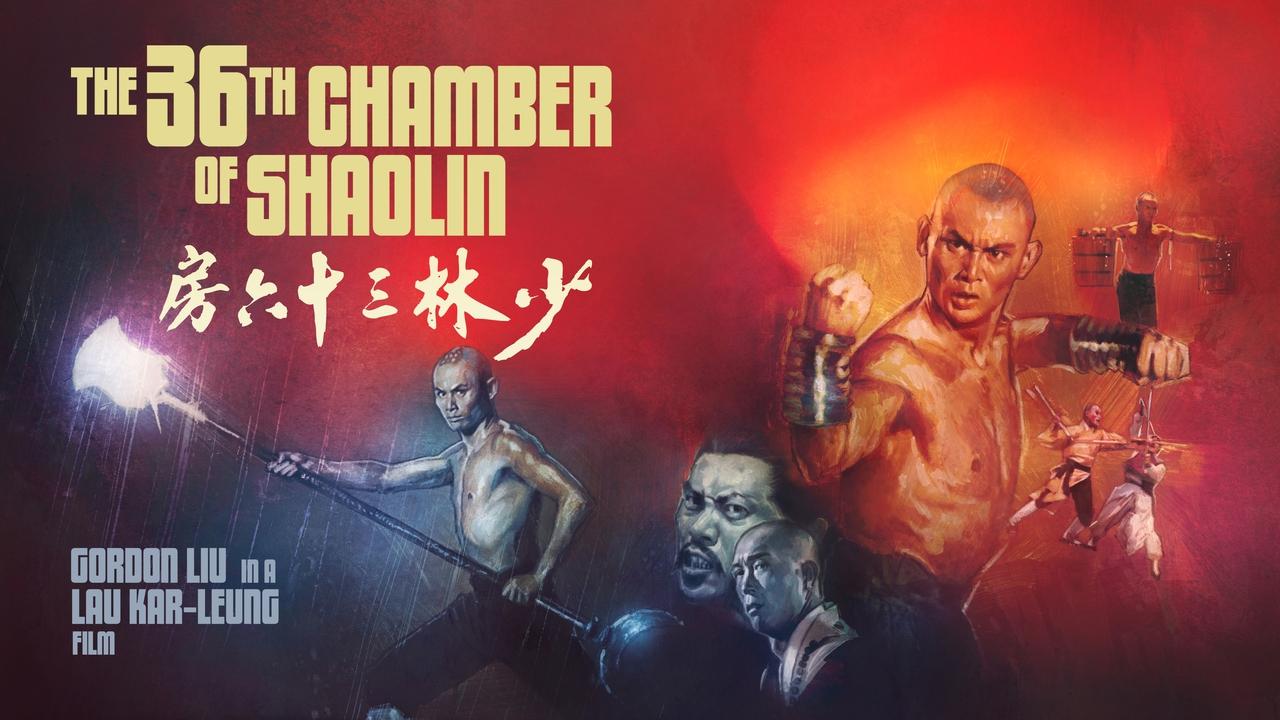
Okay, fellow tapeheads, dim the lights, maybe crack open a Tab if you can find one, and let's rewind to a titan of martial arts cinema, a film that likely graced the shelves of every decent video store back in the day: The 36th Chamber of Shaolin (sometimes known Stateside as Master Killer or Shaolin Master Killer). Released in 1978, it might pre-date our core 80s/90s focus slightly, but trust me, its DNA is woven into countless action flicks that followed. Finding this Shaw Brothers classic on a slightly worn VHS felt like unearthing pure, unadulterated kung fu gold.
### From Humble Student to Shaolin Legend
Forget complex political thrillers or intricate espionage plots. The 36th Chamber of Shaolin, penned by the ridiculously prolific Ni Kuang, has a beautifully straightforward, almost primal narrative. We follow the young student San Te, whose world is shattered by the brutal Manchu government. Seeking refuge and revenge, he undertakes a perilous journey to the legendary Shaolin Temple, not just to hide, but to learn the secrets of their devastating martial arts. It’s a classic underdog story, but elevated by its sheer focus and intensity.
What makes this film the definitive Shaolin training movie isn’t just the plot, it’s the execution. Director Liu Chia-Liang wasn’t just some filmmaker; he was a martial arts master himself, hailing from a lineage connected directly to the legendary Wong Fei-hung. This pedigree shines through every frame. There's an authenticity here, a respect for the forms and the grueling discipline required, that feels worlds away from the sometimes floaty wire-work that would dominate later Hong Kong action.
### Enter the Chambers: A Masterclass in Practical Pain
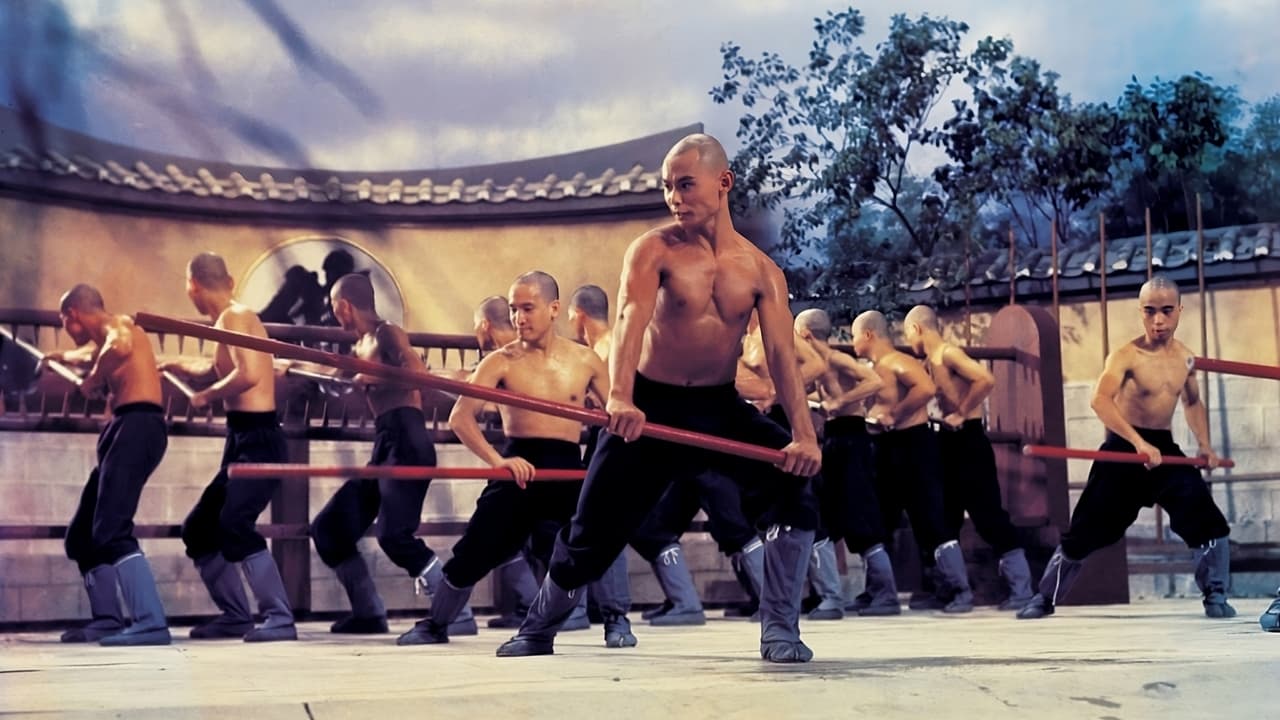
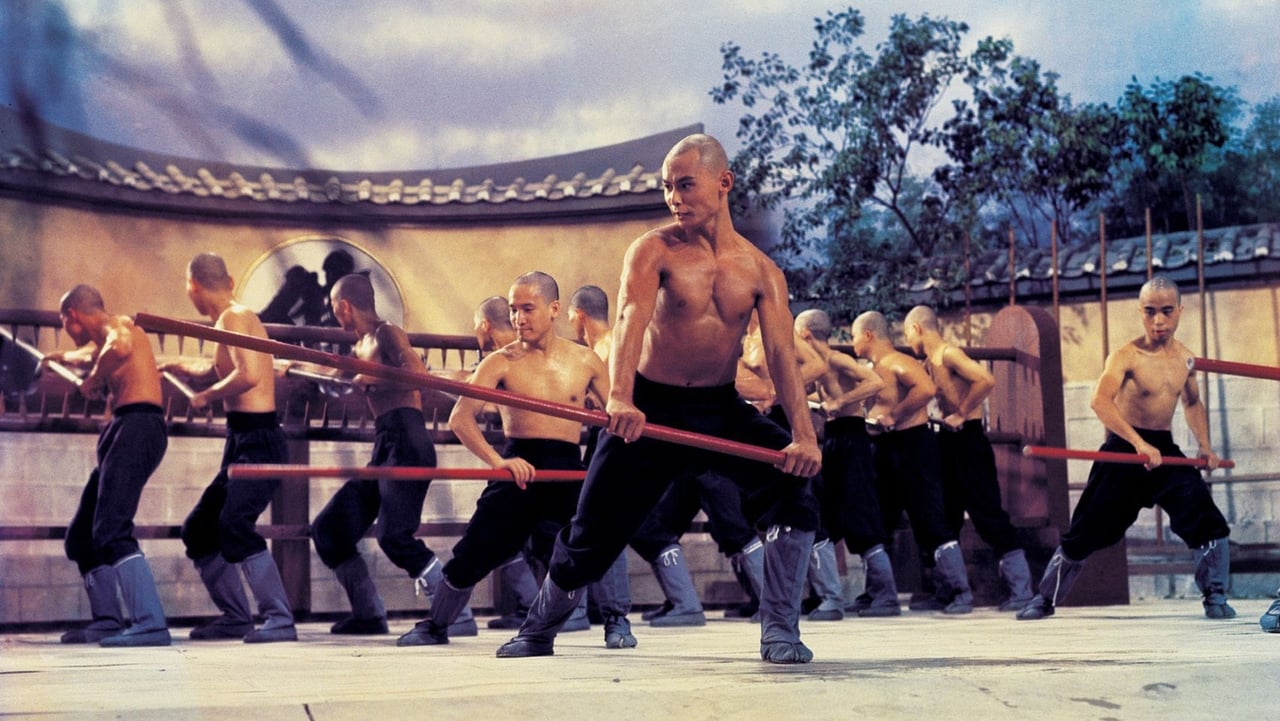
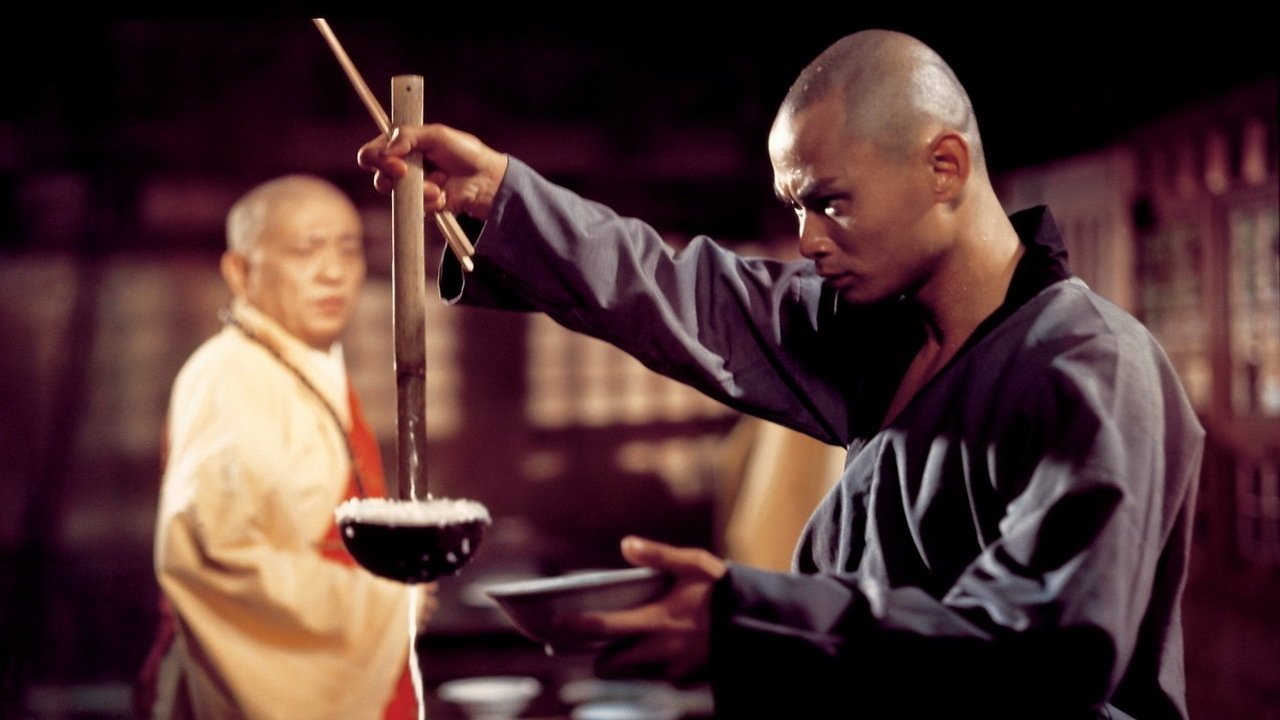
The heart and soul of the film, the sequences everyone remembers, are the 35 chambers themselves. Each chamber represents a different, incredibly demanding stage of Shaolin training. Forget CGI-assisted workouts; this is pure, practical punishment and prowess. We see San Te carrying buckets of water up stairs with blades strapped to his arms, strengthening his wrists. We see him bashing his head against weighted sandbags, building endurance (don't try that at home, kids!). We see him navigating elaborate log traps, honing his balance and agility. Remember how visceral those sequences felt? The thuds, the grunts, the sheer physical effort radiating off the screen?
Liu Chia-Liang films these sequences with meticulous detail. The sets for the chambers are fantastic examples of Shaw Brothers ingenuity – elaborate, physical constructions that look genuinely dangerous. The "special effects" are the real movements, the actual strength and coordination of the performers. There’s a weight and impact to every action. When San Te finally masters a technique, you feel his triumph because you’ve witnessed the agonizing process. It’s a cinematic language built on sweat and perseverance, something increasingly rare in today's often overly polished action landscape.
### The Face of Shaolin: Gordon Liu
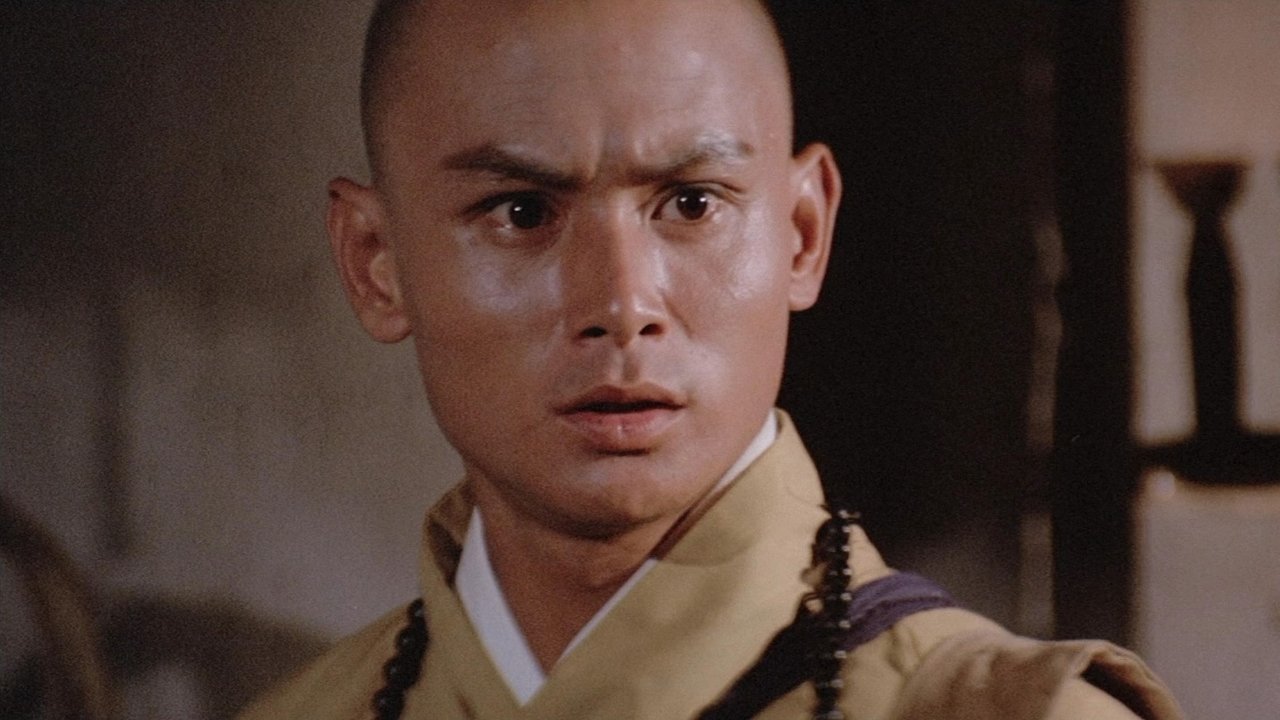
And who embodies this journey? The iconic Gordon Liu (Liu Chia-hui), Liu Chia-Liang's godbrother/adoptive brother, in the role that would define his career. Initially, the studio brass apparently envisioned established stars like Ti Lung or David Chiang for the lead, but Liu Chia-Liang rightly insisted on Liu, whose genuine martial arts background lends San Te an undeniable credibility. His transformation from a naive student to a shaved-head, supremely confident master is utterly convincing. Liu’s intensity, his physical grace, and the quiet determination in his eyes make San Te an unforgettable protagonist. He doesn’t just act the part; he lives it through motion. Supporting players like the always reliable Lo Lieh as the menacing General Tien Ta add the necessary villainous grit, providing a perfect counterpoint to San Te's righteous quest.
### More Than Just Fists and Fury
While the training is central, the film culminates in San Te establishing the titular "36th Chamber" – a place to teach Shaolin kung fu to laypeople, empowering them against their oppressors. It adds a revolutionary layer to the narrative, suggesting martial arts not just as self-improvement, but as a tool for liberation. This theme, combined with the stunning choreography and Gordon Liu's star-making turn, made the film a massive success across Asia and a cult phenomenon internationally. Its influence is undeniable, echoing through decades of action cinema and even famously inspiring the Wu-Tang Clan, who sampled its dialogue and imagery extensively. Finding this on grainy VHS, often with wonderfully over-the-top English dubbing, was a rite of passage for many budding action fans.
The score, typical of Shaw Brothers productions, uses dramatic stings and traditional motifs effectively, heightening the tension and punctuating the action beats. While perhaps simple by today's standards, it perfectly complements the on-screen discipline and drama. It wasn't just a movie; it felt like a transmission from another world, one built on dedication, skill, and righteous fury.
---
Rating: 9/10
Justification: "The 36th Chamber of Shaolin" is a landmark achievement. While the plot follows a familiar revenge/training arc, the execution is near-perfect. Liu Chia-Liang's direction offers unparalleled authenticity in its depiction of martial arts training, the chamber sequences are iconic examples of practical filmmaking and physical storytelling, and Gordon Liu delivers a career-defining performance. Its historical significance and enduring influence solidify its place as an absolute classic. It loses perhaps a single point only for the slightly formulaic nature of the overarching plot outside the innovative training structure, but what it does, it does brilliantly.
Final Word: Forget the wires and the digital doubles – this is kung fu cinema boiled down to its purest essence: discipline, power, and the sheer awesome spectacle of the human body pushed to its limits. A foundational text for any action fan, still potent enough to make you want to (safely!) practice your stances after the credits roll.