Alright, fellow tapeheads, let’s rewind to a time when finding the right kung fu flick at the local video store felt like unearthing hidden treasure. Picture this: a slightly worn box, maybe with some lurid artwork promising impossible feats of martial prowess. Inside? A gem like 1978's Snake and Crane Arts of Shaolin. This wasn't just another chop-socky entry; this was a crucial stepping stone for a young Jackie Chan, caught between the shadow of Bruce Lee and the unique blend of action and comedy he’d soon perfect. Watching it now is like finding a cherished mixtape – raw, energetic, and pulsing with the promise of greatness.
### The Hunt for Shaolin Secrets
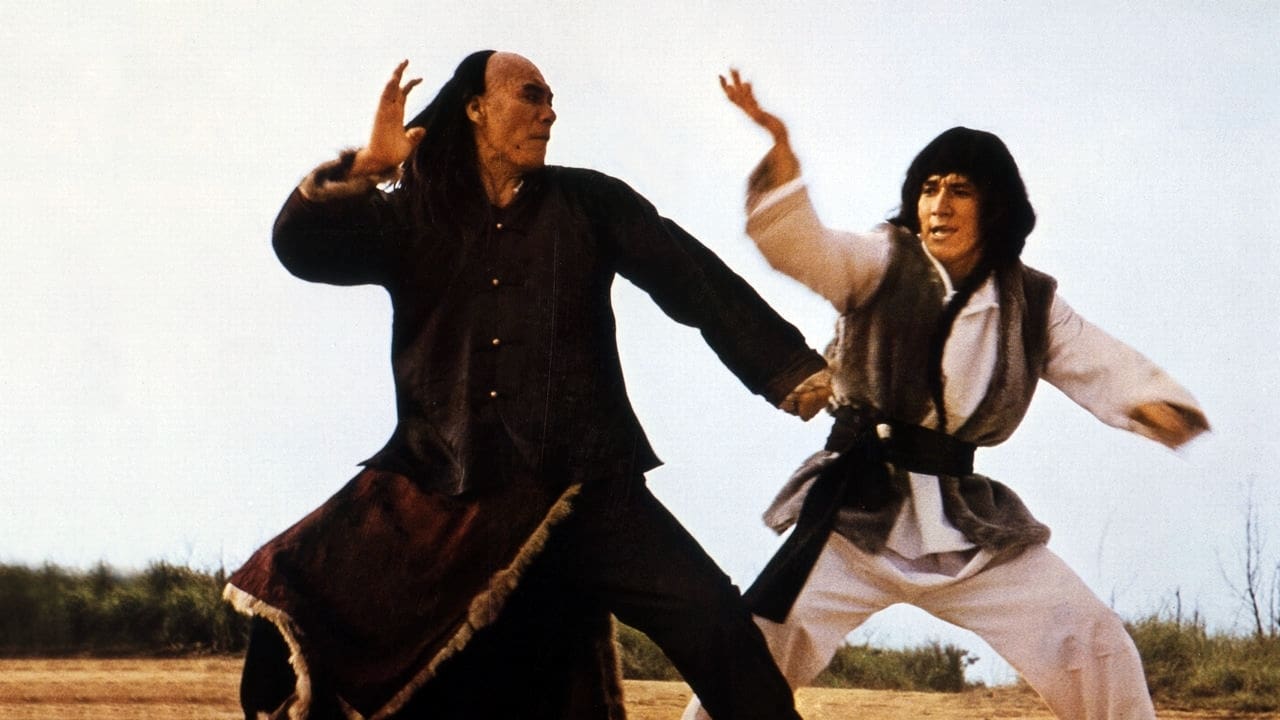
The premise itself is classic kung fu plotting, penned by the legendary writer Kuang Ni (a man whose fingerprints are on countless Hong Kong classics). Jackie Chan plays Hsu Yin-Fung, a wandering martial artist carrying a precious book, "The Art of Snake and Crane," which holds the secrets to a devastating fighting style. The catch? The eight Shaolin masters who penned it have vanished, and every clan under the sun wants that book, believing Hsu knows their whereabouts or, worse, had something to do with their disappearance. This setup unleashes a whirlwind of confrontations as Hsu must fight off wave after wave of challengers, all while trying to unravel the central mystery. It's a plot that serves primarily as a framework to hang some truly spectacular fight sequences on, typical of the era but executed with considerable flair.
### Before the Funny Business: Chan the Dynamo
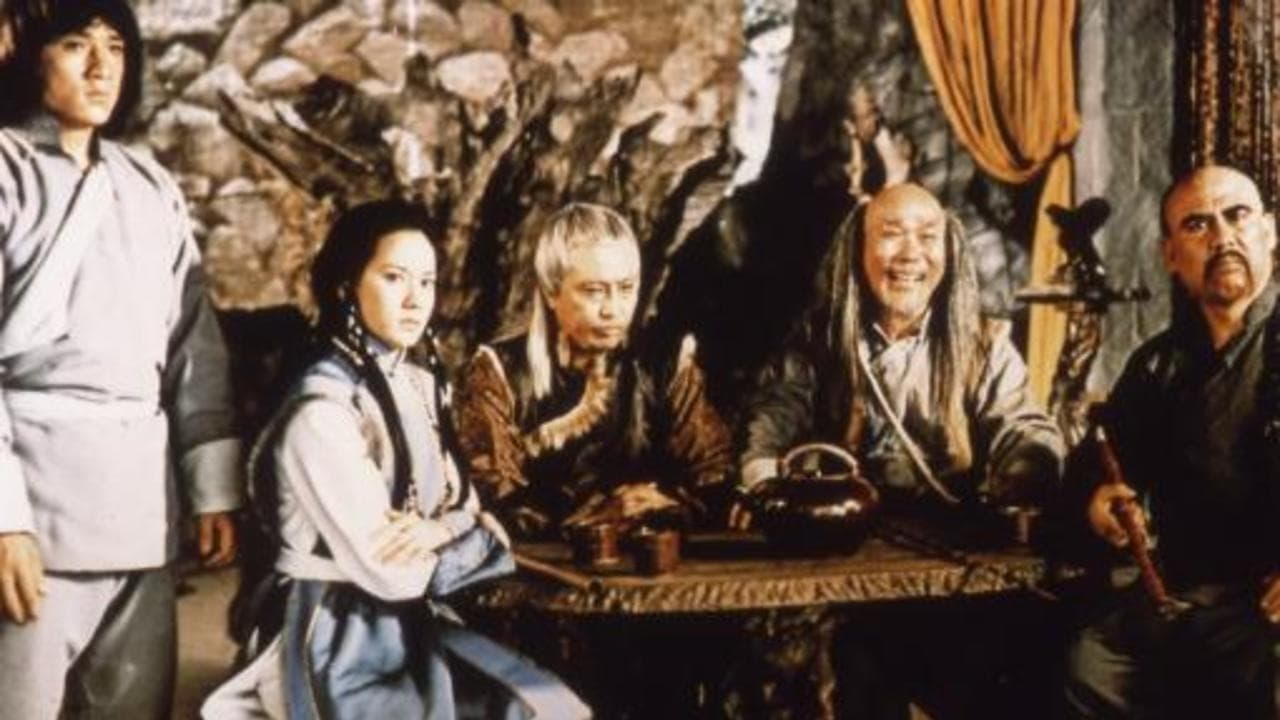
This is a fascinating snapshot of Jackie Chan before he fully embraced the comedic persona that made him a global superstar in films like Police Story (1985). Under the direction of Chi-Hwa Chen, and still somewhat under the influence of producer Lo Wei (who famously tried, and often failed, to market Chan as the 'next Bruce Lee'), Jackie here is intense, focused, and almost startlingly serious at times. Yet, you see the sparks – the incredible athleticism, the inventive use of props (even if less pronounced than later), and that sheer physical charisma. He hadn’t quite found the perfect blend yet, but his raw talent is undeniable. Retro Fun Fact: Chan choreographed his own fight scenes here, a move that often put him at odds with Lo Wei's more traditional vision, but one that clearly showcased his burgeoning genius for action design. This film was part of a gruelling schedule for Chan during his Lo Wei period, churning out multiple films a year, honing his craft under often difficult circumstances.
### Action That Bites and Takes Flight
Let’s talk about what really made us rent these tapes: the action. And Snake and Crane Arts of Shaolin delivers. Forget the floaty wire-fu or CGI enhancements of later years. This is pure, grounded, intricate choreography that feels physical. When someone gets hit (or narrowly avoids it), you feel the impact. The speed and complexity of the hand-to-hand exchanges are genuinely impressive, showcasing a variety of styles as Hsu faces off against different clan leaders. Remember how visceral those weapon fights felt on a fuzzy CRT screen? The spear sequence, in particular, is a standout, demonstrating Chan's incredible coordination and the tangible danger involved. Retro Fun Fact: The sheer pace of Hong Kong filmmaking at the time meant these elaborate sequences were often conceived and shot incredibly quickly, a testament to the skill of Chan and the stunt teams who put their bodies on the line with minimal safety gear compared to today's standards. No digital touch-ups here – just pure skill and nerve.
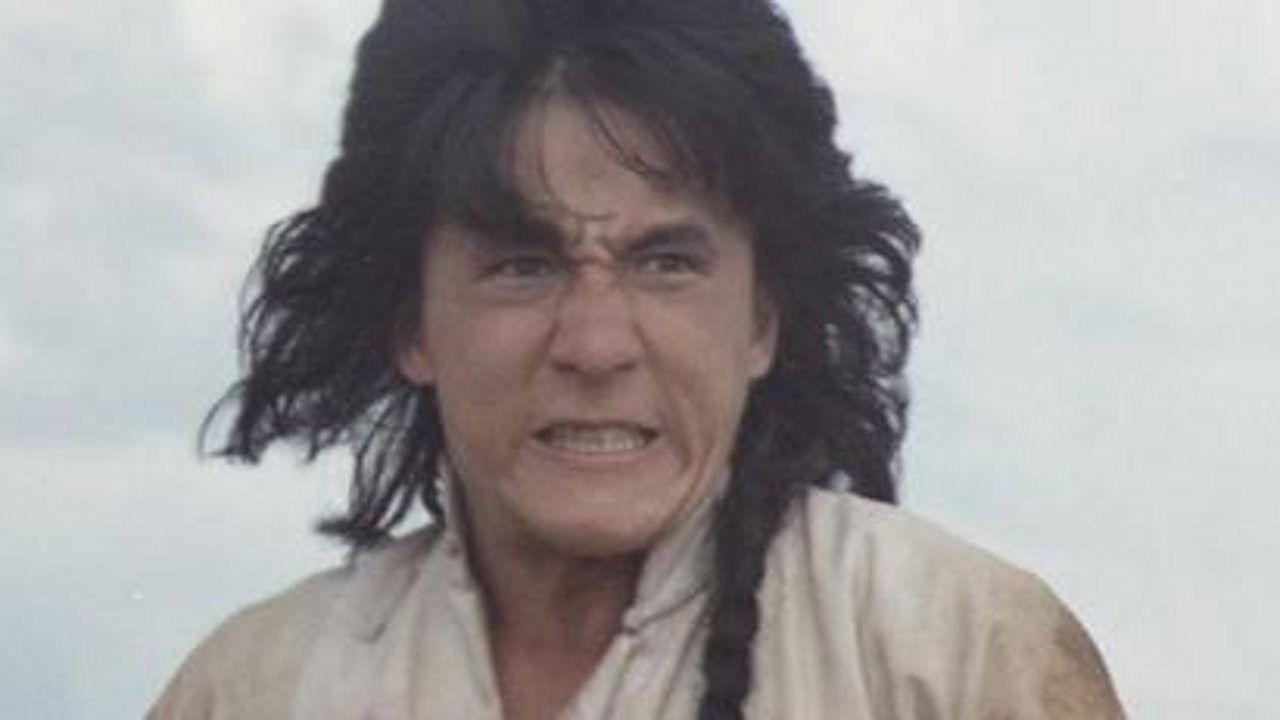
The film also prominently features Nora Miao, a superstar who shared the screen with Bruce Lee himself in classics like The Way of the Dragon (1972). Her presence adds a layer of legitimacy and grace, and she holds her own in the action stakes, playing a complex character whose allegiances aren't immediately clear. Supporting actors like Chih-Ping Chiang fill out the roster of clan leaders and formidable foes, each bringing their own distinct fighting style to the table.
### That Authentic 70s Flavour
Watching Snake and Crane Arts of Shaolin today is an instant trip back. The slightly saturated colours, the occasionally abrupt editing, the wonderfully dramatic zooms, and those unmistakable Shaw Brothers-esque sound effects – it’s all part of the charm. The costumes are pure period kung fu extravagance, and the musical score, likely a mix of library tracks and original cues, perfectly complements the on-screen mayhem. It might feel a bit formulaic in structure compared to modern narratives, but its relentless energy is infectious. This film hit screens just as the kung fu craze was still riding high globally, offering audiences exactly what they craved: intricate plotting (even if convoluted) and non-stop, high-calibre martial arts battles. It wasn't the film that made Chan a household name (Drunken Master later that same year would truly ignite his career), but it was a significant showcase.
***
VHS Heaven Rating: 7/10
Justification: While the plot can sometimes feel like a revolving door of challengers and the serious tone lacks the unique charm Chan would later perfect, Snake and Crane Arts of Shaolin is a must-see for fans of old-school kung fu and Jackie Chan completists. The fight choreography is absolutely top-tier for its time, showcasing Chan's incredible physical prowess and early choreographic genius. It's fast, intricate, and packed with the kind of practical stunt work that defined the genre's golden age. Nora Miao adds star power, and the sheer kinetic energy rarely lets up. It might not be peak Chan, but it’s a vital, thrilling piece of his early filmography.
Final Rewind: A potent dose of 70s kung fu fury, proving that even before the ladder fights and crazy stunts, Jackie Chan was already operating on a different level – pure physical poetry captured on grainy, glorious videotape.