Okay, pull up a comfy chair, maybe pour yourself something neat. We're cracking open a slightly later vintage today, one that just missed the 90s but carries so much of that decade's indie spirit in its DNA: The Tao of Steve from 2000. It might have landed on DVD shelves more readily than dusty VHS tapes in some places, but its heart beats with the rhythm of those quirky, character-driven comedies we used to unearth like treasures at the local rental store. And at its core is a question many of us probably wrestled with back then, albeit less philosophically: what’s the secret to attraction?
### Be Desireless, Be Excellent, Be Gone
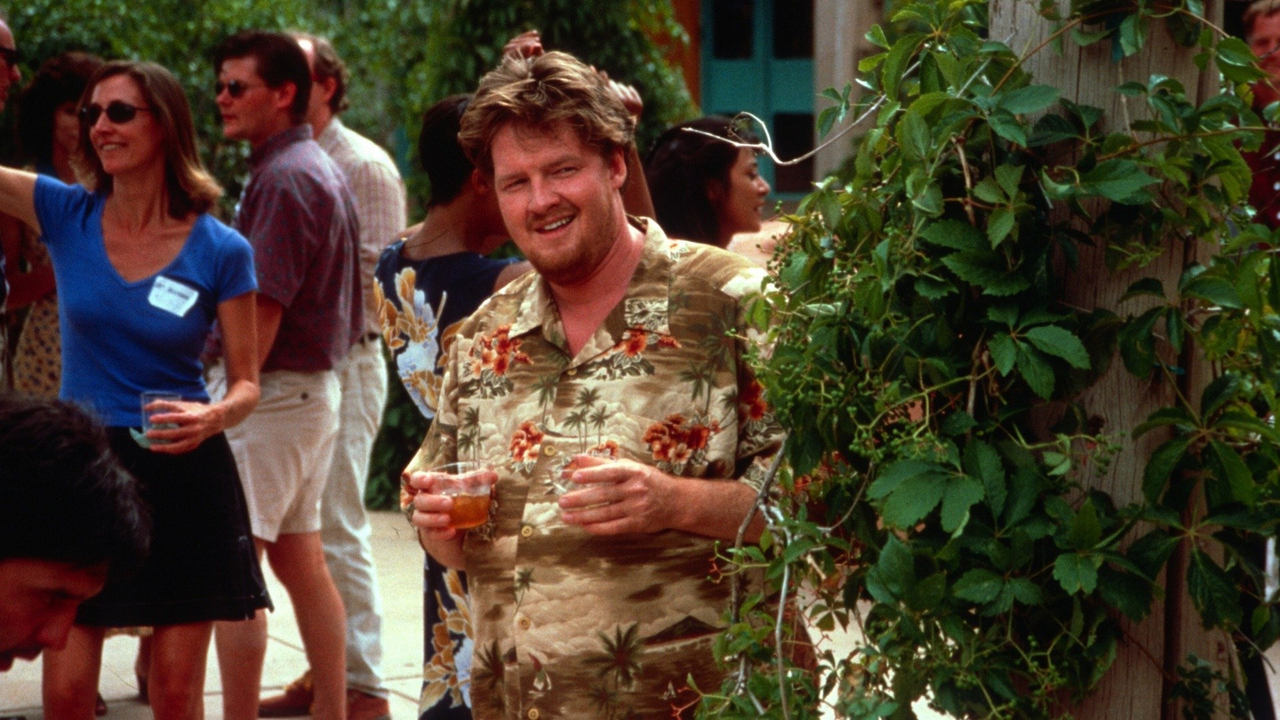
The film introduces us to Dex (Donal Logue), a man who defies conventional attractiveness. Overweight, clad in perpetually casual attire, and working as a part-time kindergarten teacher in Santa Fe, he nonetheless possesses an almost mystical success rate with women. His secret? "The Tao of Steve," a three-pronged philosophy cribbed from Eastern thought and named after the epitome of effortless cool – Steve McQueen, Steve Austin, and Steve McGarrett. The tenets are deceptively simple: eliminate your desire, project excellence in some area (even if it’s just Frisbee golf), and master the art of retreating at the right moment. It's a calculated approach to achieving the uncalculated cool of the "Steves."
What immediately grabs you about Jenniphr Goodman's direction (she also co-wrote with her sister Greer Goodman and Duncan North, the actual originator of this real-life philosophy) is how lived-in Dex's world feels. This isn't a glossy Hollywood take on slackerdom; it’s sun-drenched, a little dusty, set against the distinct backdrop of Santa Fe, New Mexico, which feels less like scenery and more like another character shaping the film's laid-back, slightly philosophical vibe. It has that unmistakable texture of early 2000s indie filmmaking – born from passion and probably a shoestring budget (reportedly around $400k-$500k, though it smartly earned back nearly ten times that, a real indie success story).
### The Unlikely Guru
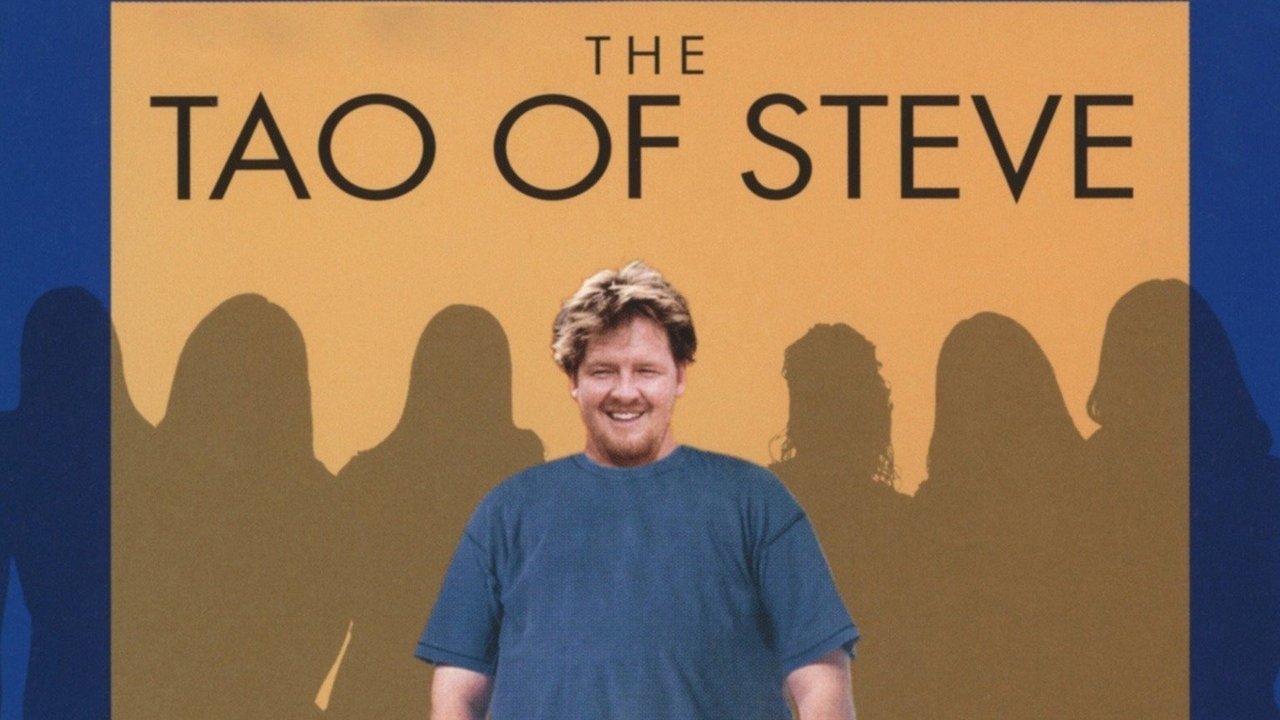
The entire enterprise rests squarely on the broad, comfortable shoulders of Donal Logue. And what a performance it is. Logue, who many of us knew from his supporting roles in 90s fare like Blade (1998) or the sitcom Grounded for Life, absolutely embodies Dex. He makes this potentially off-putting character magnetic. It's not just about delivering witty, pseudo-philosophical dialogue; it's the vulnerability flickering beneath the confident facade, the moments of self-awareness (and self-sabotage), the genuine intelligence warring with profound laziness. Logue doesn't just play Dex; he inhabits him, making his journey feel authentic, funny, and surprisingly moving. His work here rightfully earned him the Special Jury Prize for Outstanding Performance at the 2000 Sundance Film Festival, where the movie first made its splash.
The foil to Dex’s calculated cool arrives in the form of Syd (Greer Goodman), a sharp, engaging set designer who seems immune to his usual methods. Partly because, as we learn, they have a shared past Dex barely remembers – a classic Dex move. Their interactions force Dex to confront the limitations of his carefully constructed philosophy. Can the "Tao of Steve" work when genuine feelings start to complicate the game? Goodman brings a warmth and intelligence to Syd that makes her more than just an obstacle; she's the catalyst for Dex's potential evolution. Their chemistry feels natural, grounded in shared histories and intellectual sparring rather than manufactured movie romance.
### More Than Just a Pickup Artist's Handbook
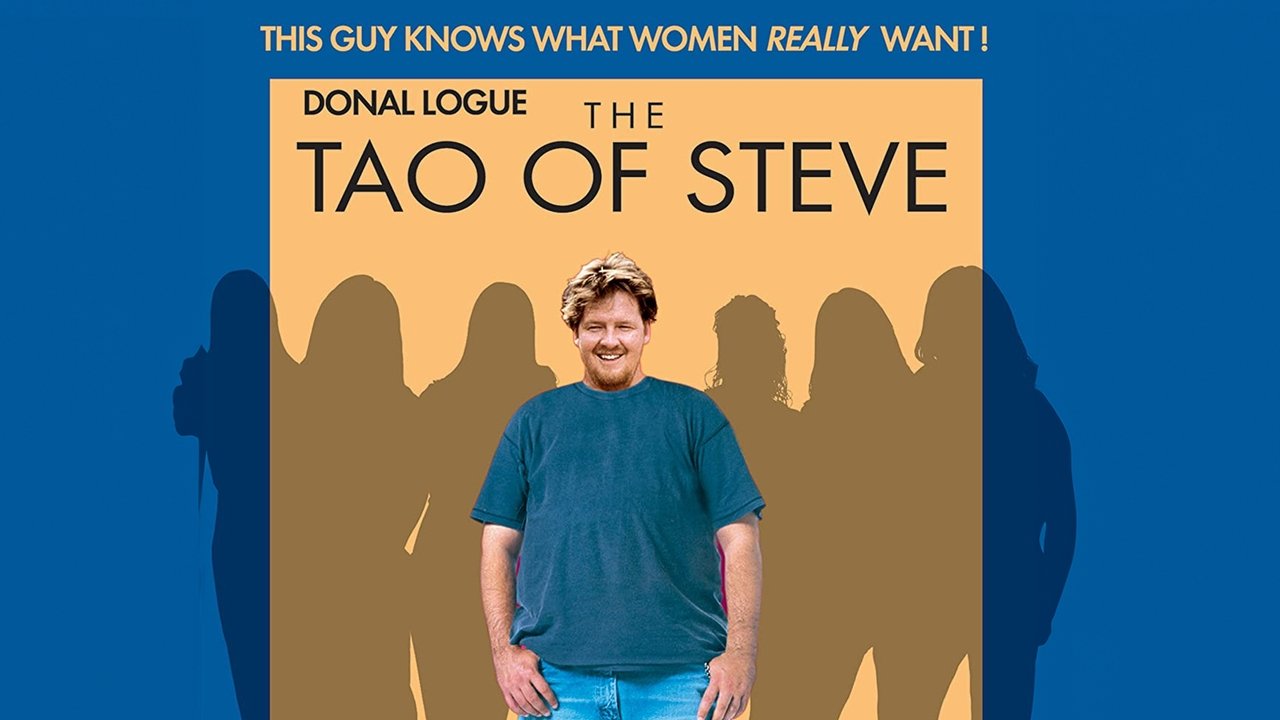
While the "Tao" provides the hook, the film offers more than just dating advice filtered through Eastern philosophy and pop culture icons. It's a genuinely funny and often insightful look at male friendship (Dex’s interactions with his buddies, particularly the earnest Dave played by Kimo Wills, are highlights), insecurity, and the often-messy transition into something resembling adulthood. There's a low-key charm to its exploration of finding meaning, or at least finding something you're genuinely good at, even if it's just quoting philosophy while avoiding responsibility.
One fascinating tidbit is how closely the film hews to the experiences of co-writer Duncan North. It lends an air of authenticity; you get the sense these conversations, these philosophies, these types of guys really existed (and probably still do) in certain corners of the world. It feels less like a screenwriter's invention and more like eavesdropping on late-night discussions fuelled by cheap beer and existential pondering.
Though technically a product of the new millennium, The Tao of Steve feels like a perfect coda to the 90s independent film scene. It possesses that same spirit of quirky character studies, witty dialogue, and finding profundity in the mundane that defined so many beloved low-budget films we discovered on video shelves. It's a film that invites you to hang out with its characters, flaws and all, and maybe even reflect on your own past approaches to life and love. Does the calculated charm Dex preaches hold any real weight, or is authentic connection the only path that matters? The film lets you ponder that long after the credits roll.
Rating: 8/10
This rating reflects the film's undeniable charm, Donal Logue's career-best performance, a genuinely witty and insightful script rooted in real experience, and its perfect capture of a specific time and indie sensibility. It might meander slightly, but its core is solid gold.
The Tao of Steve remains a wonderfully observant and funny reminder that sometimes the coolest thing you can be is simply, authentically yourself – even if it takes a detour through McQueen to figure that out. A true gem that still feels fresh and relevant.