Alright, pull up a comfy chair, maybe crack open a Nehi soda if you can find one, because we're taking a slight detour from the neon glow of the 80s and 90s video store aisles for a moment. We’re heading back a bit further, but through the lens of filmmakers who absolutely defined quirky cool in our favorite decades. Let's talk about O Brother, Where Art Thou?, the Coen Brothers' (yes, the maestros behind Fargo and The Big Lebowski) glorious, sun-drenched trip through Depression-era Mississippi, released right at the dawn of the new millennium in 2000. While technically missing the VHS heyday, its heart beats with the rhythm of old-time radio, classic Hollywood structure, and a kind of mythic storytelling that feels timeless – perfectly at home here in VHS Heaven.

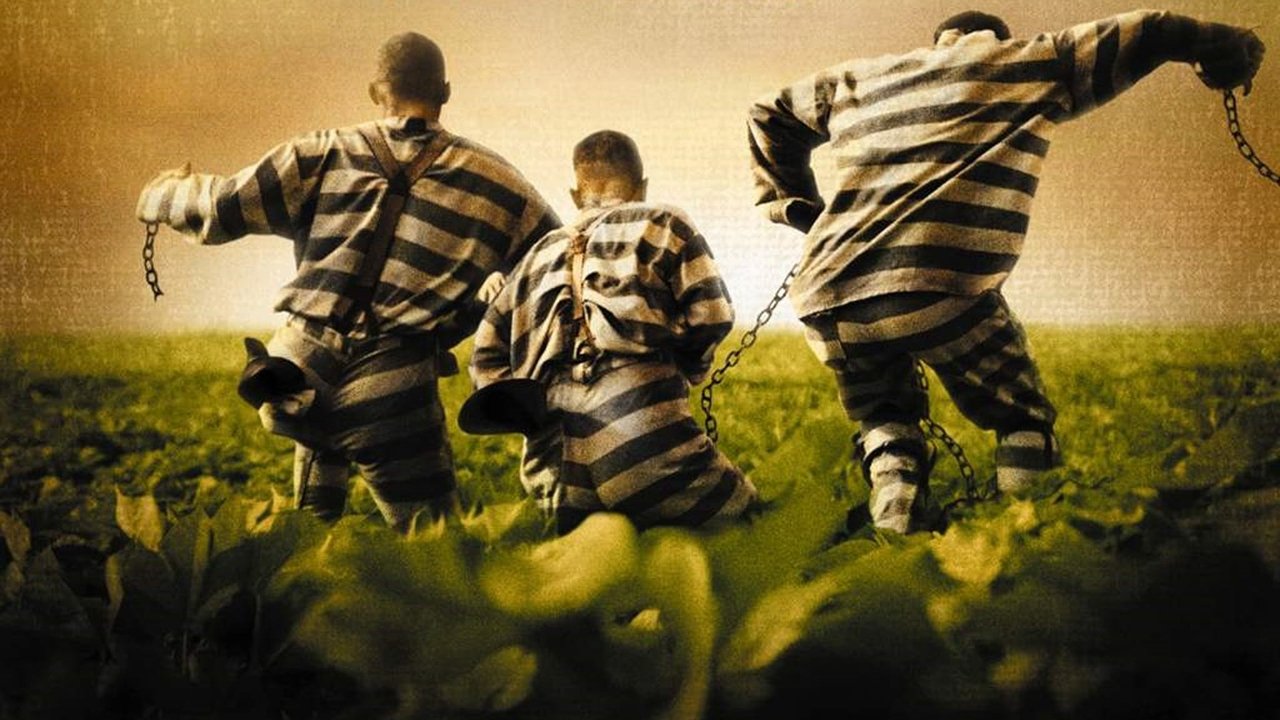
The film opens with a look so distinct, it felt revolutionary even then. Bathed in a dreamy, sepia-and-gold haze, it’s like watching a hand-tinted postcard come to life. This wasn't some filter slapped on in post-production; it was pioneering work by legendary cinematographer Roger Deakins, marking O Brother as the first feature film to be entirely digitally color-corrected. They scanned the whole negative, digitally tweaked every frame to achieve that dusty, baked-earth look, and then printed it back to film. It immediately transports you, setting the stage for a story that’s equal parts screwball comedy, musical odyssey, and surprisingly faithful riff on Homer's The Odyssey.
### Three Fugitives on a Mythic Journey
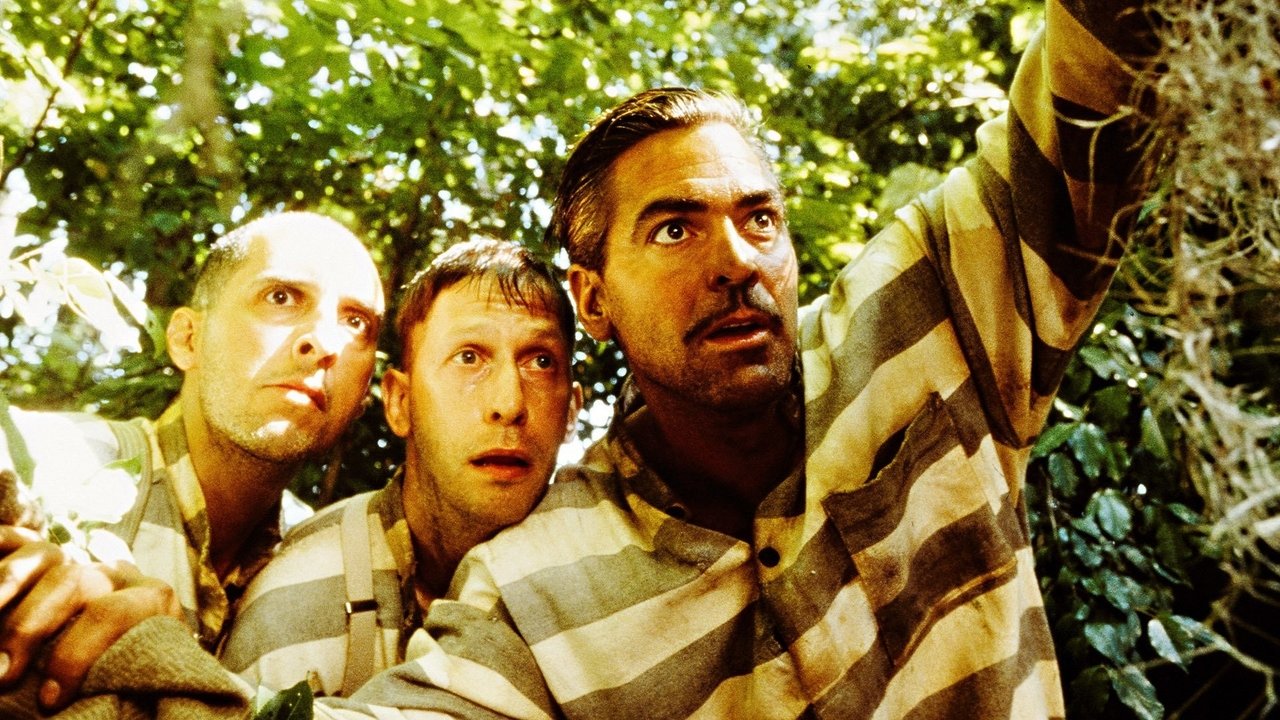
Our heroes, if you can call them that, are a trio of escaped convicts chained together, both literally and figuratively. There’s Ulysses Everett McGill (George Clooney, radiating movie-star charm even under layers of grime and pomade), a fast-talking, self-proclaimed leader obsessed with his hair ("I'm a Dapper Dan man!"). Flanking him are the perpetually grumpy Pete Hogwallop (John Turturro, familiar to Coen fans from Barton Fink) and the sweet, simple Delmar O'Donnell (Tim Blake Nelson, in a truly star-making turn). Everett claims they’re rushing back to retrieve $1.2 million he buried before his old farm is flooded by a new TVA dam project.

What follows is less a straightforward plot and more a picaresque journey, a series of encounters that echo Homer's epic poem with delightful Southern Gothic twists. The Lotus Eaters become a fervent riverside baptism that washes away Delmar's sins (or so he believes). The one-eyed Cyclops transforms into the hulking, Bible-thumping con man Big Dan Teague (John Goodman, chewing scenery with gusto). The enchanting Sirens are replaced by alluring laundresses whose singing lulls our heroes into a dangerous stupor by the riverbank. Even Circe gets a nod with Everett's estranged wife, Penny (Holly Hunter, sharp as ever), who has told their daughters their father was hit by a train. The Coen Brothers, Joel and Ethan, who also penned the sharp, folksy script, famously claimed they hadn't actually read The Odyssey, relying instead on cultural osmosis – a statement that feels perfectly in character for their playful approach to storytelling.
### From Chain Gang to Chart Toppers
Perhaps the most unforgettable detour involves the trio stumbling into a recording studio under the moniker "The Soggy Bottom Boys" (with their friend Tommy Johnson, a guitarist who claims he sold his soul to the devil – another nod to blues legend Robert Johnson). They belt out "Man of Constant Sorrow," a tune that unexpectedly becomes a statewide sensation. It’s a moment of pure movie magic, funny and foot-tappingly infectious. George Clooney looks the part, but that incredible lead vocal actually belongs to bluegrass musician Dan Tyminski. This points to one of O Brother's most significant legacies: its soundtrack.
Produced by T Bone Burnett, the O Brother, Where Art Thou? soundtrack wasn't just popular; it was a phenomenon. Selling millions of copies (over 8 million in the US alone!) and snagging the Grammy Award for Album of the Year, it almost single-handedly revived mainstream interest in bluegrass, folk, and traditional American roots music. Suddenly, artists like Alison Krauss, Gillian Welch, and Ralph Stanley were reaching vast new audiences. For many, the soundtrack became even bigger than the film itself, a collection of songs that felt both ancient and utterly fresh. I remember that CD being absolutely everywhere back then, a genuine cultural moment sparked by this quirky little film.
### More Than Just Laughs and Lyrics
Beneath the humor, the music, and the stunning visuals, the Coen Brothers weave in threads of social commentary. The film doesn't shy away from depicting the poverty and racial tensions of the era, including a chillingly absurd Ku Klux Klan rally choreographed like a Busby Berkeley number, highlighting the banal evil alongside the ridiculousness. Political corruption is lampooned through the gubernatorial race between the folksy incumbent Pappy O'Daniel and the "reform" candidate Homer Stokes.
The film itself, budgeted at around $26 million, brought in a respectable $72 million worldwide, but its real success story lies in its enduring cult status and that powerhouse soundtrack. The title itself is a nod to classic Hollywood – it’s the name of the earnest, socially conscious film the protagonist director in Preston Sturges' 1941 comedy Sullivan's Travels wants to make. It’s another layer of the Coens' love for, and playful subversion of, film history.
Retro Fun Fact: George Clooney reportedly took the role without reading the script, purely based on his desire to work with the Coen Brothers again after a small part in an unproduced project. He apparently practiced his character's singing for weeks, only for the Coens to gently inform him his voice would be dubbed – a classic Coen touch!
### The Verdict
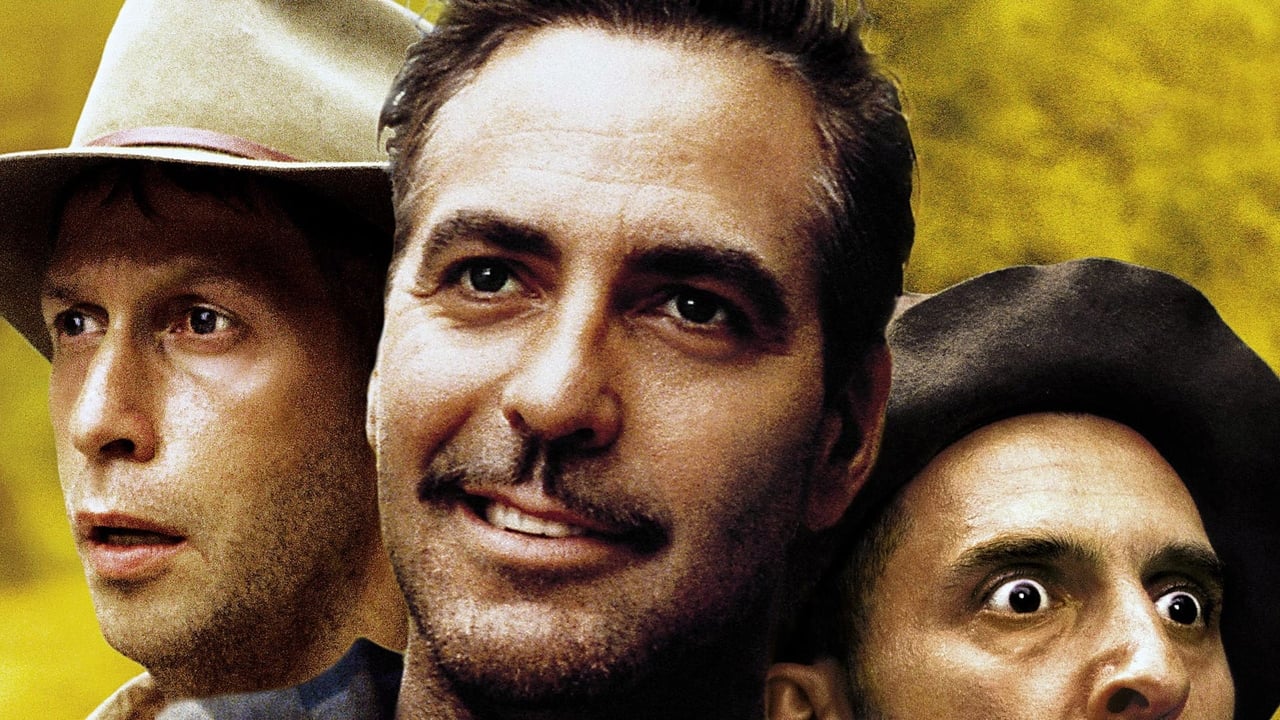
O Brother, Where Art Thou? might have arrived on DVD rather than VHS for most of us, but its spirit feels deeply connected to the kind of imaginative, slightly eccentric filmmaking that thrived in previous decades. It’s a beautifully crafted film – funny, intelligent, visually stunning, and powered by one of the best soundtracks of its time. The performances from Clooney, Turturro, and Nelson are pitch-perfect, creating an unforgettable trio whose misadventures are a joy to watch unfold. It’s a film that rewards repeat viewings, revealing new layers of wit and mythological resonance each time.
Rating: 9/10
This score reflects the film's masterful blend of comedy, music, and myth, its groundbreaking visual style, the phenomenal impact of its soundtrack, and the sheer brilliance of the Coen Brothers' unique vision. It’s a near-perfect execution of a wonderfully strange idea.
So, while it might be a younger sibling in the VHS Heaven family, O Brother, Where Art Thou? is more than welcome. It’s a bona fide treasure, a cinematic journey that leaves you humming its tunes and appreciating its artistry long after the credits roll. We are, after all, men (and women) of constant sorrow, just looking for a little entertainment gold.