Okay, rewind your minds with me for a second. Picture the video store wall circa 1996. Sandra Bullock is everywhere, hot off the smashes Speed and While You Were Sleeping. Denis Leary is the acerbic, chain-smoking king of cynical cool, carving out his niche. Then you spot this box: Two If by Sea. Leary and Bullock? Together? In what looks like… a romantic comedy caper set amongst the New England elite? It felt like an odd pairing then, and watching it now on a well-loved (read: slightly fuzzy) tape, it remains a fascinating, flawed, but undeniably 90s concoction.
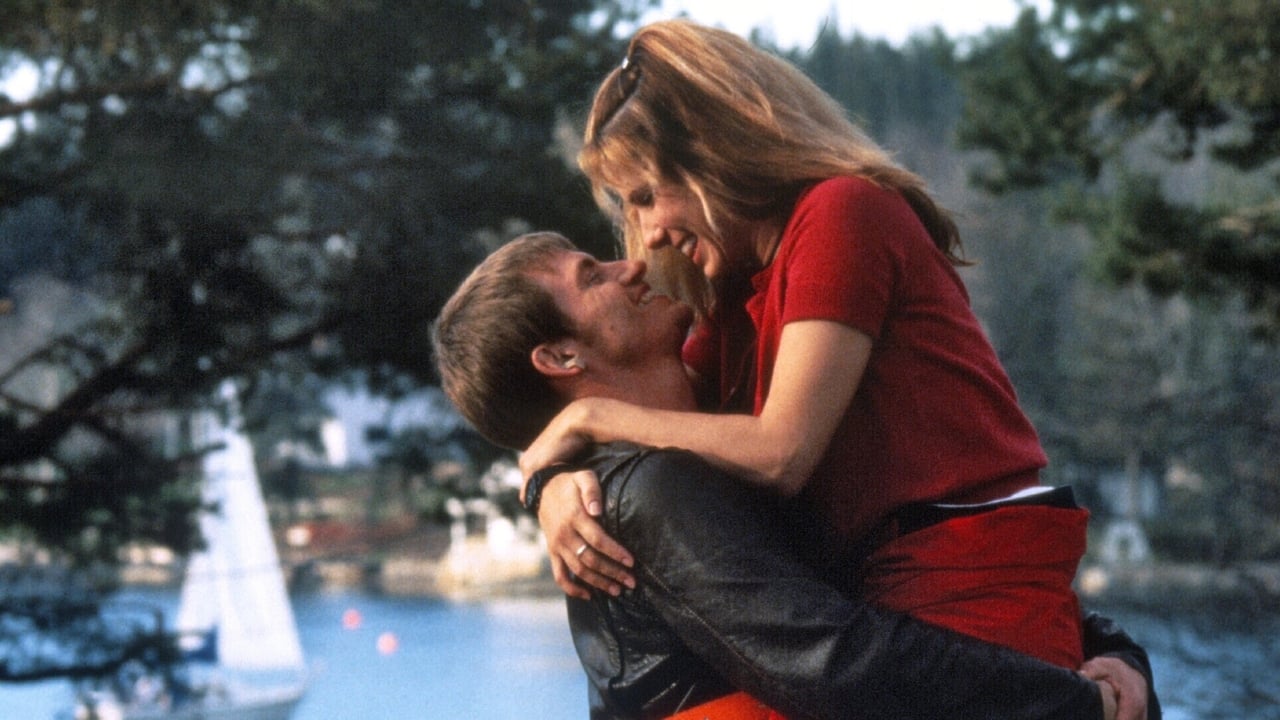
This wasn't your typical high-octane fare, but it had its own kind of frantic energy, mostly fueled by Leary's signature rapid-fire delivery. He stars as Frank O'Brien, a low-rent thief who's just boosted a priceless Matisse painting. His long-suffering girlfriend Roz (Bullock, radiating exasperated charm) is along for the ride, dreaming of settling down while Frank dreams of the big score that will solve everything. Their plan? Lie low in a swanky, empty vacation home on a posh island off the coast while Frank waits to fence the artwork. Naturally, mistaken identities and clashing worlds ensue.
Fish Out of Water, Leary Style
The core gag is Frank and Roz trying, and mostly failing, to blend in with the WASPy, old-money residents. This is where Leary, who also co-wrote the script with Mike Armstrong (reportedly drawing from some of his stand-up bits about relationships), gets to unleash his working-class antagonism against the privileged. Some of the barbs land, capturing that specific brand of 90s stand-up observational humor woven into a narrative. You see Frank, utterly unimpressed by luxury, more concerned about the cable package than the ocean view. It’s Leary doing his thing, and if you were a fan back then, it probably felt pretty comfortable, even if the surrounding movie sometimes struggled to keep up.
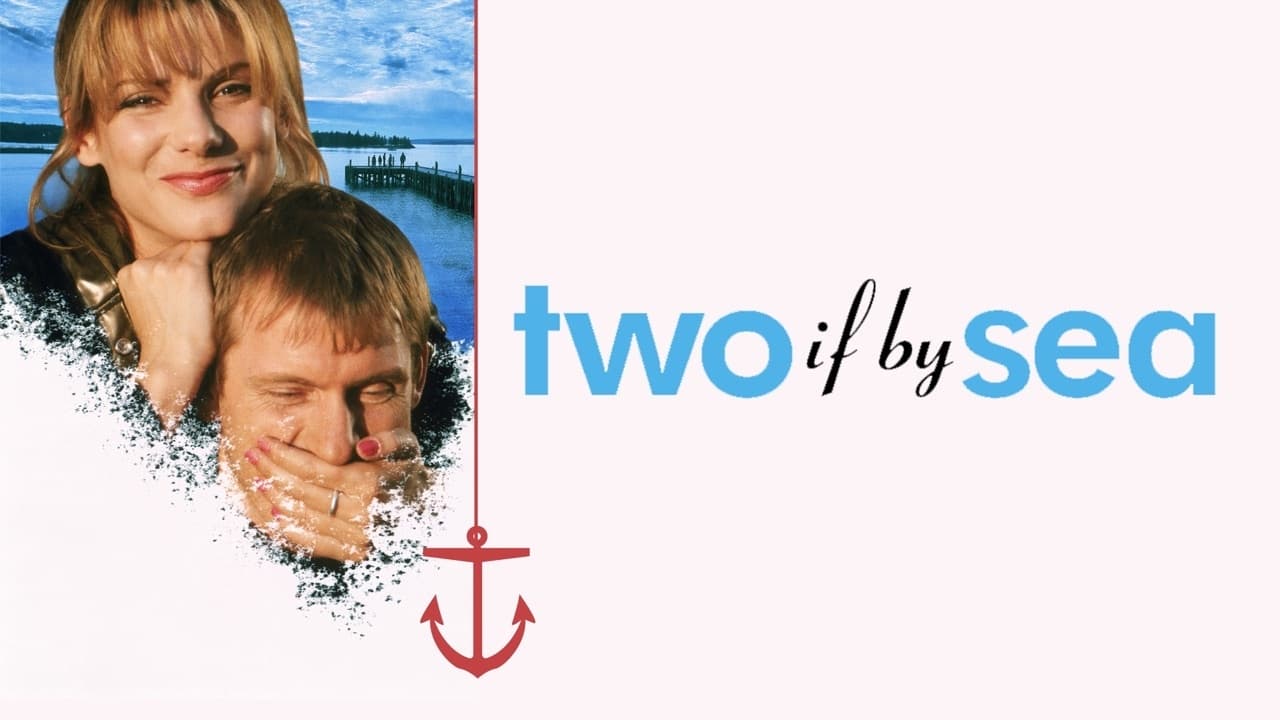
Interestingly, despite the very specific New England island setting vibe (think Martha's Vineyard), the film was primarily shot in Nova Scotia, Canada. They did a convincing job capturing that windswept, coastal affluence on presumably a tighter budget. Speaking of budget, this film didn't exactly set the box office alight. It cost somewhere in the neighborhood of $15-20 million and barely scraped past $10 million domestically. Critics were not kind, and it quickly faded, becoming one of those "Oh yeah, that movie" titles you'd see lingering on the rental shelves for years. It even originally had the arguably more generic title, Stolen Hearts, before settling on the slightly more evocative (if slightly nonsensical) Two If by Sea.
Bullock and the Bad Boy
While Leary is essentially playing his established persona, Sandra Bullock feels like the real anchor here. Fresh off proving her romantic comedy chops in While You Were Sleeping (1995), she brings a warmth and relatability to Roz that makes you understand why she sticks with Frank, even when he’s being an exasperating lout. There's a genuine chemistry between them, built more on bickering and shared history than traditional romance, which feels authentic to the characters Leary and Armstrong wrote. You buy them as a couple who’ve been through the wringer. Remember how effortlessly Bullock could pivot from action heroine to girl-next-door back then? This film sits squarely in that pocket, even if the material doesn't always serve her brilliantly.

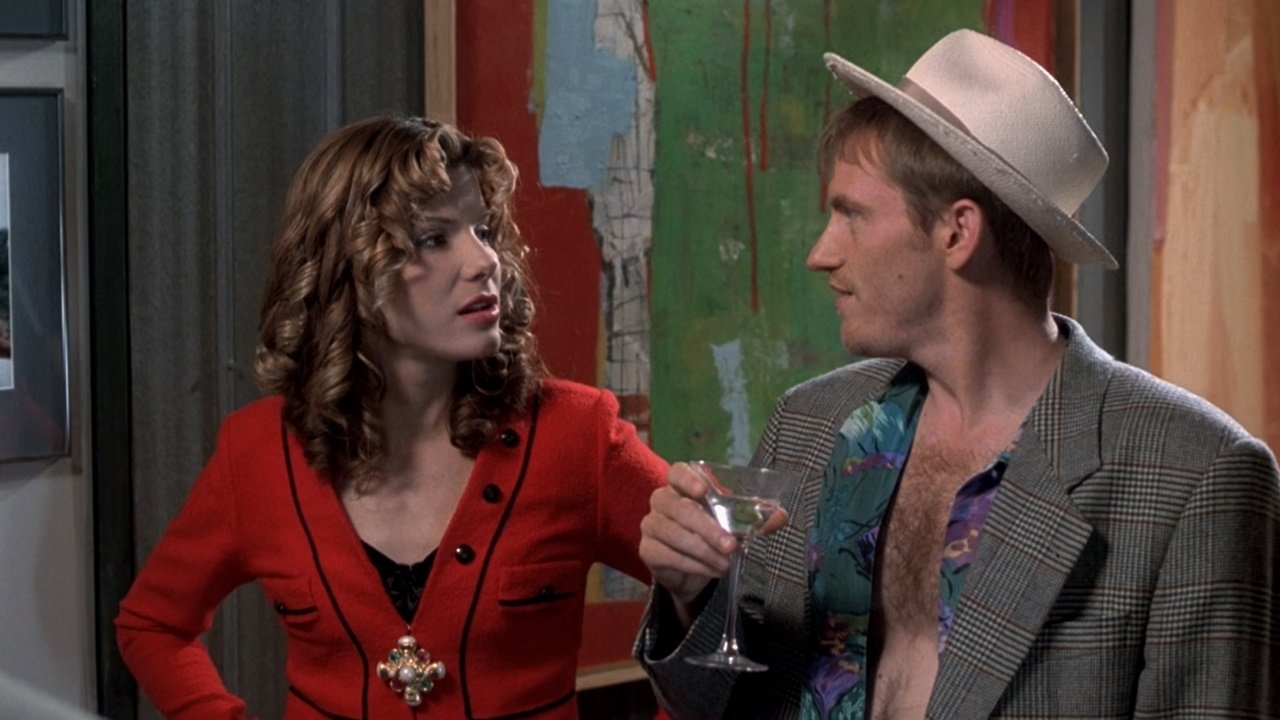
The supporting cast features Stephen Dillane (years before his memorable turn as Stannis Baratheon in Game of Thrones) as Evan Marsh, a smarmy neighbor and art expert who suspects Frank isn't who he claims to be, and also takes a shine to Roz. He provides the necessary foil, though the plot mechanics involving the painting feel a little secondary to the relationship comedy and Frank's culture-clash riffs. The direction by Australian filmmaker Bill Bennett, not exactly known for mainstream Hollywood comedies (he directed the tense thriller Kiss or Kill the following year), is competent but doesn't quite manage to elevate the sometimes uneven script.
Does it Hold Up Beyond Nostalgia?
Look, Two If by Sea isn't going to top any "Best of the 90s" lists. Its pacing can feel a bit languid, and some of the humor definitely feels locked into its specific mid-90s moment. The central heist element is fairly lightweight, serving mostly as a catalyst for the character interactions. But… there's a certain low-stakes charm to it. It captures that feeling of a specific kind of star vehicle – built around Leary's established persona, paired with one of the biggest female stars of the moment. It’s a snapshot of when studios would still take a chance on these mid-budget, slightly off-kilter romantic comedies. You won't find slick CGI here; the appeal lies in the dialogue, the performances, and the cozy, slightly faded feel of the whole enterprise. Did anyone else rent this purely based on the Bullock/Leary combination, curious how it would possibly work?
It's the kind of movie that probably played better late at night, maybe after a couple of beers, the flickering CRT softening its edges. It's not essential viewing, but if you have affection for the stars or a soft spot for 90s rom-coms that tried something a little different (even if it didn't entirely succeed), it's a pleasant enough trip back.
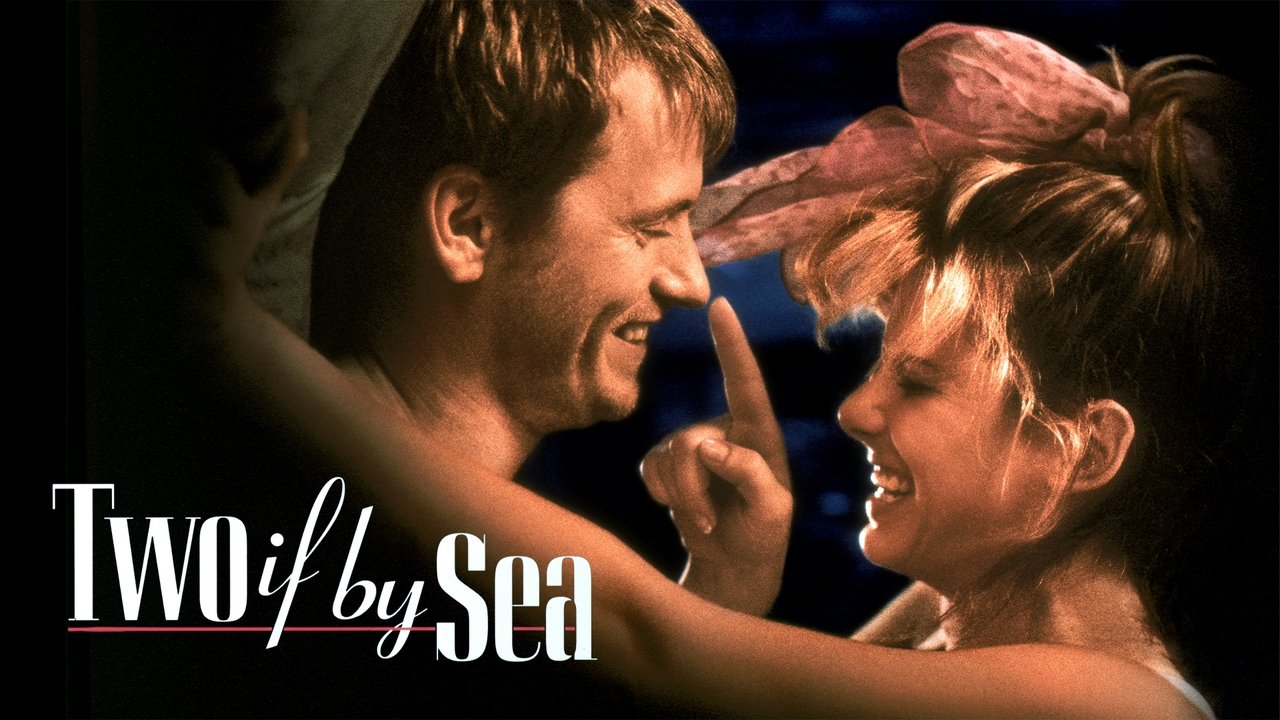
VHS Heaven Rating: 5/10
Justification: The movie rests heavily on the appeal of its two leads and their specific 90s personas. While their chemistry is watchable and there are some genuinely funny Leary moments, the plot is thin, the pacing uneven, and it never quite fires on all cylinders as either a comedy or a caper. It's a quintessential mid-90s rental curio – not terrible, not great, but a distinct product of its time.
Final Take: A slightly dusty artifact from the mid-90s comedy shelf; worth it for Bullock completists or Leary loyalists, but mostly memorable as a curious footnote in their respective careers.