Okay, let's dim the lights, maybe adjust the tracking just a bit, and pop in a tape that feels like it materialized straight from the dustiest corner of the late-night rental shelf. We're talking about Killjoy (2000), a title that practically screams "low-budget weirdness awaits!" Arriving right at the turn of the millennium, this flick feels like a psychic echo from the direct-to-video boom, carrying that unmistakable energy of ambition battling bravely against minuscule resources. Forget pristine digital – this is pure, uncut, slightly grimy turn-of-the-century DTV horror.

### Summoning Something Strange
The setup is classic revenge fodder, dipped in urban legend and supernatural dread. Michael (Joseph Techniques – yes, that appears to be the actor's credit!) is hopelessly in love with Jada (Vera Yell), but he’s bullied relentlessly by Lorenzo (Lee Marks) and his crew. After a brutal beatdown stemming from a misunderstanding (or maybe just cruelty), Michael, heartbroken and desperate, dabbles in dark magic to summon… Killjoy. He hopes this demonic entity will protect him and maybe win Jada over. As you might expect from deals struck in desperation, things go horrifyingly sideways fast. Michael himself is tragically killed, but the ritual is complete, unleashing the titular terror upon those who wronged him.
### Meet the Clown Prince of Cheap Chills
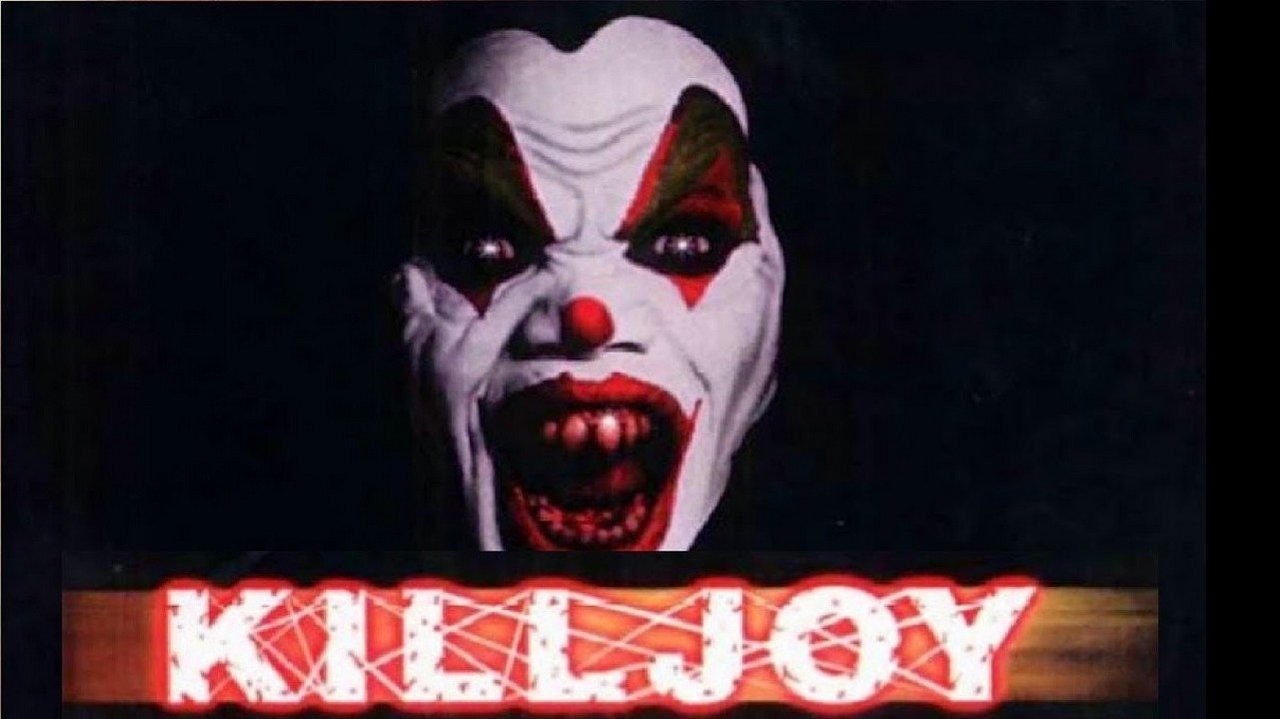
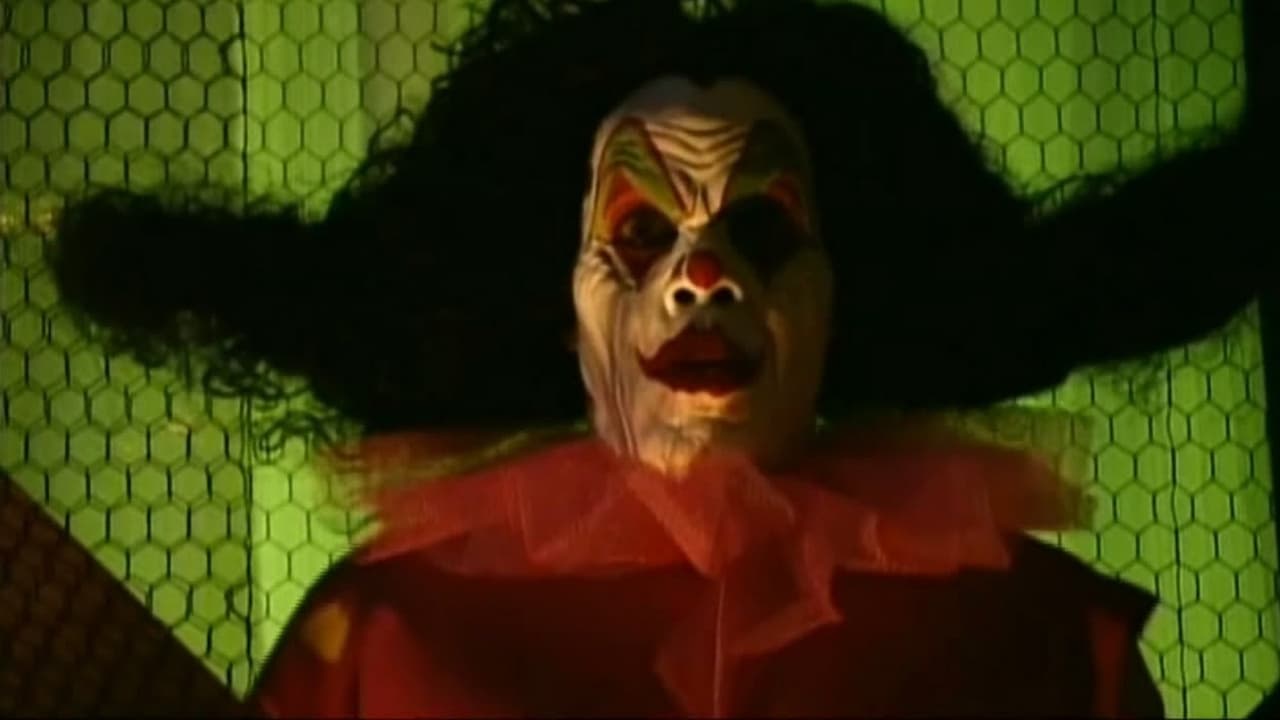
And what a terror Killjoy is! Embodied with a certain raw, unsettling energy by Ángel Vargas in his only outing in the role, Killjoy isn't your slick, studio-polished nightmare fuel. He's a janky, perpetually grinning demonic clown with a wickedly nasty attitude. The mask itself is the star here – a leering, distorted visage that’s genuinely creepy despite its obvious rubbery origins. Vargas leans into the character's malevolent glee, delivering threats and taunts with a cadence that’s part street hustler, part otherworldly entity. It’s a performance that perfectly matches the film's rough-around-the-edges aesthetic.
The effects bringing Killjoy’s pocket dimension – his "Killjoy’s domain" van – to life are pure early 2000s DTV ingenuity. Think coloured gels, fog machines working overtime, and camera tricks trying valiantly to stretch every single dollar. Remember those slightly jarring cuts and optical effects that signaled something supernatural was happening back then? Killjoy has them in spades. It’s a far cry from today’s seamless CGI, but there’s a tangible quality, a sense that they were really making something, however limited the tools.
### The Full Moon Vibe Arrives

While produced by Big Picture Releasing, Killjoy was famously distributed by Charles Band’s Full Moon Pictures (later Full Moon Features), the undisputed kings of quirky, low-budget VHS/DVD genre fare throughout the 90s and 2000s. Seeing that Full Moon logo often meant you were in for something unique, maybe a little baffling, but rarely boring. Killjoy fits right into that mold. Its reported budget hovered around a mere $150,000, and allegedly it was shot in roughly two whirlwind weeks. That kind of guerrilla filmmaking often breeds a certain frantic energy, and you can feel it here – the quick setups, the efficient (if sometimes choppy) storytelling, the focus on getting the scares and the villain front-and-center. Director Craig Ross Jr., who later directed episodes for much higher-budget TV shows like Alias and Prison Break, certainly learned how to make the most of limited resources here.
Writer Carl Washington, who penned other urban horror tales around this time, crafts a script that hits the expected beats but infuses them with Killjoy's specific brand of menace. The dialogue can be stiff, the supporting performances vary wildly, and the plot logic sometimes feels… optional. But honestly? That’s part of the charm for films like this. It wasn't aiming for Sundance; it was aiming for that Friday night rental slot, promising scares, a memorable villain, and maybe a few unintentional laughs along the way.
### More Than Just a Bad Dream?
The film doesn't shy away from the consequences of violence and the cycles of revenge in its urban setting, even if the supernatural clown element dominates. Jada and her surviving friends, including the pragmatic T-Bone (William L. Johnson), find themselves hunted by this entity born of pain and anger. Their attempts to understand and fight back against Killjoy provide the film’s main thrust, leading to confrontations both in the real world and within Killjoy’s bizarre ice cream truck dimension.
Did critics rave about Killjoy back in 2000? Absolutely not. It was largely ignored or dismissed as cheap schlock. But like so many Full Moon-associated properties, it found its audience on home video. People remembered the creepy clown, the weird vibe, the sheer audacity of it all. Enough people, in fact, that Killjoy became one of Full Moon's surprising franchise players, spawning four sequels (though Ángel Vargas bowed out, replaced by Trent Haaga who took the character in a much more comedic, fourth-wall-breaking direction).
### VHS Heaven Rating: 4/10
Let's be real: Killjoy is not a conventionally "good" movie. The acting is uneven, the effects are cheap, the script is basic, and the production values scream "we spent the catering budget on the mask." However, the review score gets a boost for sheer memorable weirdness and its status as a cult artifact. It perfectly captures that specific flavour of early 2000s direct-to-video horror – ambitious, deeply flawed, but possessing a strange, undeniable energy. Ángel Vargas creates a genuinely unsettling villain within significant constraints, and the film's connection to the Full Moon legacy gives it instant credibility for fans of that particular brand of B-movie magic.
Final Take: If you’re hunting for polished scares or nuanced drama, steer clear. But if you have a soft spot for the wonderfully weird world of turn-of-the-millennium DTV horror, complete with rubber masks, questionable choices, and a villain who’s lingered far longer than anyone expected? Killjoy delivers that specific, janky joy like few others. It’s a fuzzy transmission from a bygone era of horror filmmaking, best enjoyed late at night, perhaps with questionable snack choices.