Okay, pull up a comfy chair, maybe grab a cup of coffee. We're digging into something a little different today, a film that arrived right as the new millennium dawned, perhaps feeling like a quiet echo from the earnest dramas we sometimes stumbled upon in the quieter aisles of the video store, or caught late one night on TV. It's Christian Faure's 2000 French television film, Just a Question of Love (or Juste une question d'amour), and while it might technically miss our usual 80s/90s cutoff, its heart and the straightforward honesty it brought to screens feel relevant to that era of discovery.
### Beyond the Stereotypes
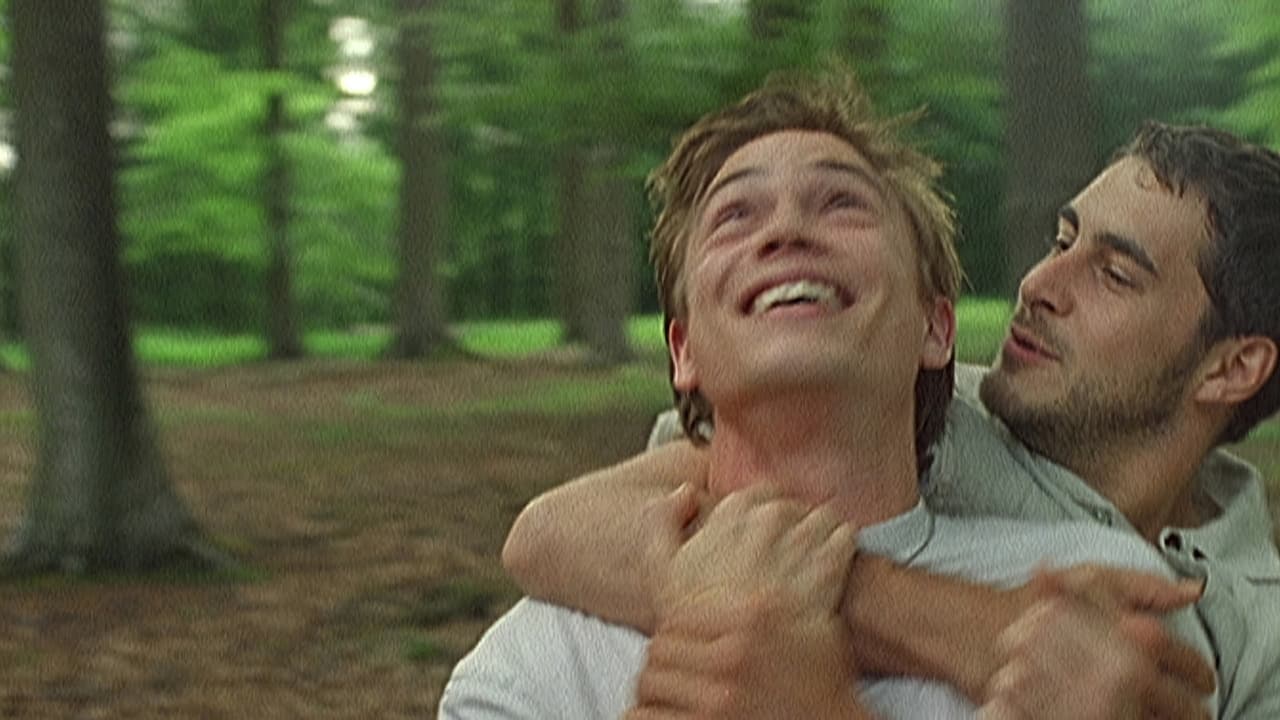
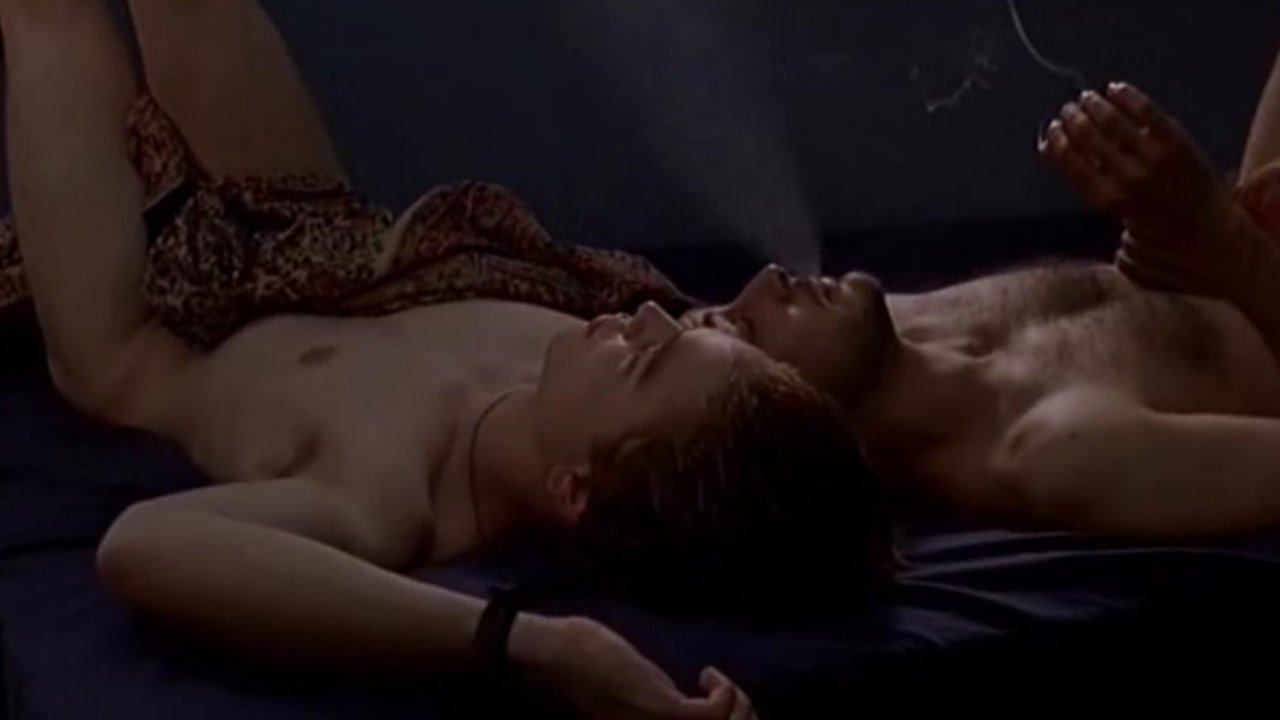
What strikes you first, watching it now, is the film's gentle insistence on normalcy. In an era where on-screen gay relationships often veered into tragedy, issue-driven melodrama, or coded suggestion (especially in mainstream fare), Just a Question of Love presented something refreshingly simple: two young men falling in love. Laurent (Cyrille Thouvenin) is studying agricultural science, living under the shadow of his cousin Marc's coming out, which caused a significant rift in his otherwise close-knit family. He maintains a careful façade, pretending his female best friend is his girlfriend to appease his loving but unknowingly prejudiced mother, Emma (Éva Darlan). Then he meets Cédric (Stéphan Guérin-Tillié), his new thesis advisor, who is openly gay, confident, and lives comfortably with his identity, supported by his own mother. Their connection is immediate, undeniable, and unfolds with a sweetness and tentative intimacy that feels remarkably authentic.
### The Weight of Honesty
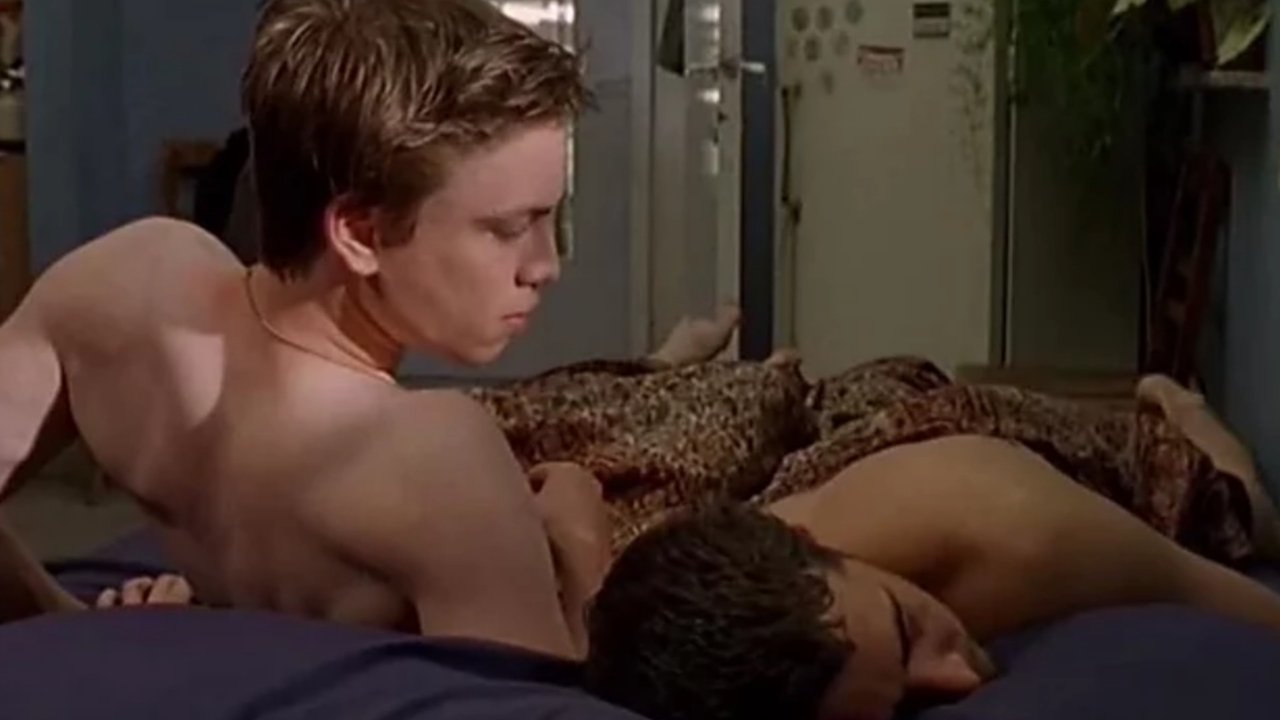
The central tension isn't the relationship itself, but the burden of Laurent's secret. Faure, who also co-wrote the script with Pierre Pauquet, masterfully portrays the suffocating weight of living a lie, even one born from a desire to protect loved ones (or perhaps, oneself). We see Laurent's internal struggle etched on Cyrille Thouvenin's expressive face – the flicker of fear when his mother probes too closely, the desperate yearning for acceptance clashing with the ingrained terror of rejection. Thouvenin truly anchors the film; his performance is a study in vulnerability, capturing the awkwardness, joy, and profound pain of a young man navigating uncharted emotional territory. His win for Best Young Actor at the Luchon International Film Festival that year was thoroughly deserved. He makes Laurent's dilemma palpable – how do you dismantle a lie that has become fundamental to your family dynamic without destroying the love it was meant to preserve?
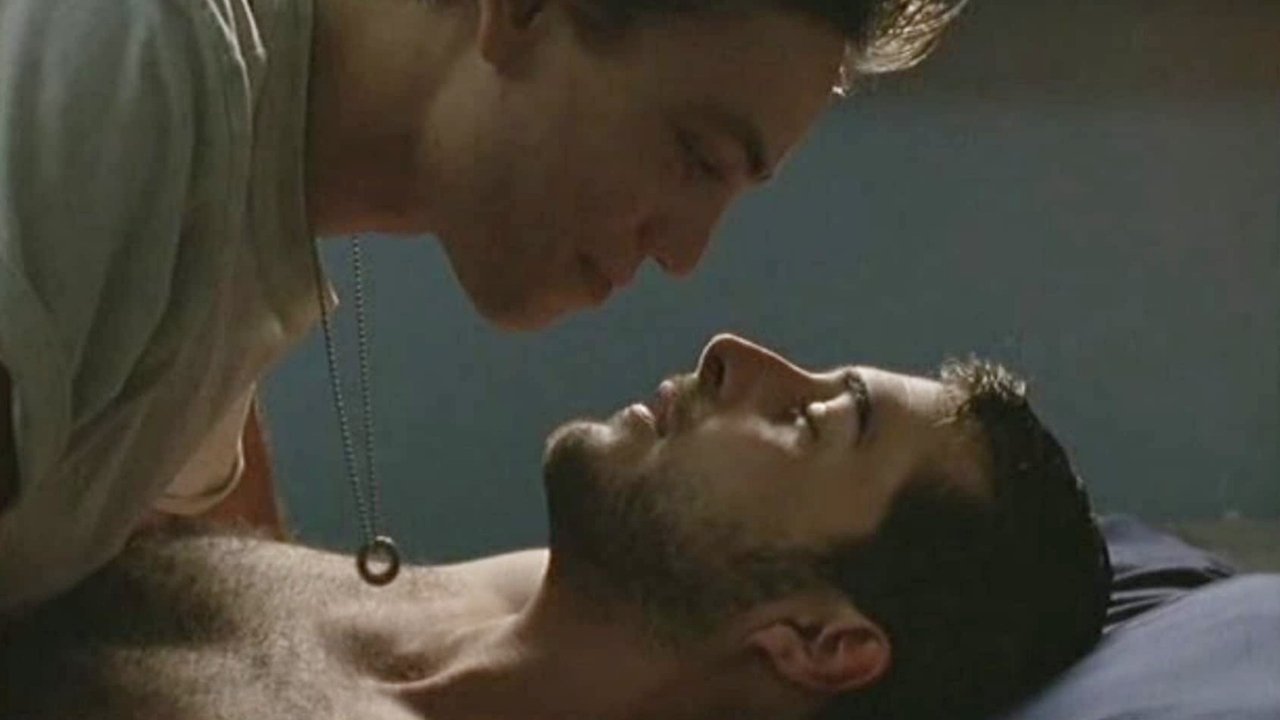
Stéphan Guérin-Tillié provides the perfect counterbalance as Cédric. He’s not a flamboyant caricature, but simply a man comfortable in his own skin, offering Laurent a glimpse of a possible future built on truth. His patience and understanding, even when faced with Laurent’s deep-seated fear, feel genuine. The chemistry between the two leads is understated yet powerful, built on shared glances, tentative touches, and quiet conversations. It’s in these moments – cooking dinner together, studying, simply existing in the same space – that the film finds its most affecting rhythm.
### A Mother's Love, A Mother's Fear
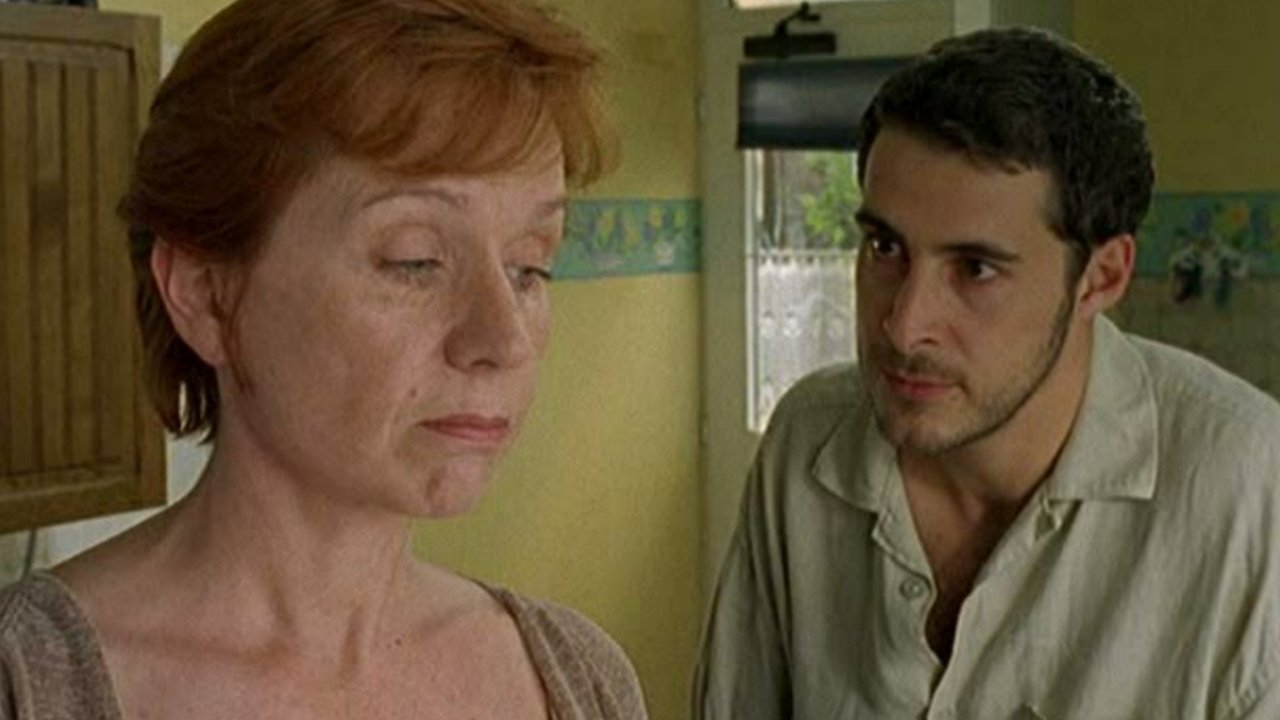
The film also wisely gives significant weight to Laurent’s mother, Emma. Éva Darlan, a familiar face in French cinema, delivers a nuanced portrayal that avoids easy villainization. Emma isn’t hateful; she’s fearful, clinging to prejudices likely rooted in ignorance and the trauma surrounding her nephew. Her journey becomes almost as central as Laurent’s. Her eventual confrontation with the truth forces her to reconcile the son she thought she knew with the man he truly is. Doesn't this dynamic resonate with so many coming-out stories, where parental love wars with deeply ingrained societal biases? The scenes between Thouvenin and Darlan are crackling with unspoken tension and raw emotion.
### Made for TV, Felt Like More
It's worth remembering this was a television movie, produced for France 2. You can occasionally sense the budgetary constraints – the settings are intimate, the scope contained. Yet, Faure uses this intimacy to his advantage, focusing tightly on the characters' emotional lives. The direction is unfussy, allowing the performances and the script's emotional intelligence to shine. There's a lack of sensationalism that feels deliberate and respectful. Apparently, the film resonated deeply in France, drawing over 6.3 million viewers upon its initial broadcast – a testament, perhaps, to a public ready for more honest and humane portrayals. It wasn't just a niche film; it struck a chord.
It's interesting to think about this film in the context of the late VHS/early DVD era. Finding something like Just a Question of Love back then, perhaps imported or discovered through word-of-mouth, felt significant. It offered a perspective often missing from the Hollywood mainstream, a quiet counterpoint to the louder, more action-packed fare dominating the shelves. It demonstrated that a story about love, identity, and family could be compelling without relying on heightened drama or tragedy.
### The Lasting Question
Just a Question of Love might not have the explosions or dazzling effects of its contemporaries, but its power lies in its quiet conviction and emotional honesty. It’s a film about the courage it takes to be oneself and the transformative power of acceptance, both given and received. It treats its subject matter with dignity and warmth, allowing the central relationship to simply be.
Rating: 8/10
This score reflects the film's powerful and authentic performances, particularly from Cyrille Thouvenin and Éva Darlan, its sensitive handling of complex emotional themes, and its refreshing lack of melodrama. While its TV movie origins are occasionally apparent in the production value, the strength of the writing and acting elevates it far beyond typical fare. It earns its points through sheer heart and honesty.
What lingers most after watching is the simple, profound relief that washes over Laurent when the truth is finally revealed. It’s a reminder that sometimes the biggest battles are the internal ones, and the bravest act is simply daring to live openly. A truly affecting piece of cinema, whenever you might have discovered it.