It's curious how some films linger, not necessarily because they were masterpieces, but because they captured a specific, fleeting feeling – a particular brand of earnestness that seemed to bubble up around the turn of the millennium. Here on Earth, released in 2000, feels like one of those films. It arrived just as the sun was setting on the 90s teen movie boom, carrying echoes of its predecessors but striving for a gravity that feels both sincere and, perhaps inevitably, a little fragile. It wasn't a blockbuster, barely made back its modest $15 million budget, and certainly didn't set the critical world alight, but watching it again now evokes a distinct sense of time and place.
A Summer of Consequences
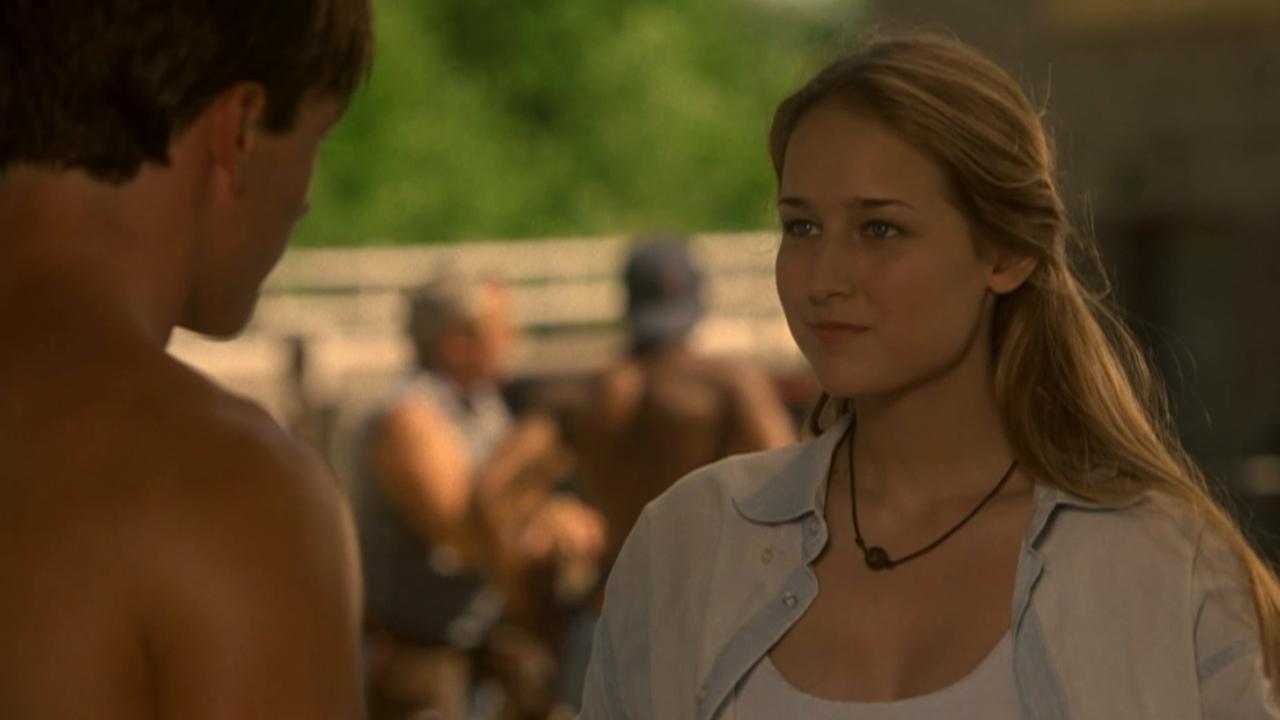
The premise, penned by Michael Seitzman in his first produced screenplay (he'd later write the much more lauded North Country), feels familiar, almost archetypal. Kelley Morse (Chris Klein), a privileged prep school senior with a chip on his shoulder the size of his father's fortune, engages in a reckless drag race with townie Jasper (Josh Hartnett) that ends, predictably, in destruction – specifically, the destruction of the local diner owned by Samantha Cavanaugh's (Leelee Sobieski) parents. As punishment, Kelley and Jasper are sentenced to spend the summer rebuilding it, forcing Kelley into the orbit of the quiet, thoughtful Samantha, Jasper's long-time girlfriend. It's a classic setup: the arrogant outsider, the down-to-earth local girl, the loyal but simmering boyfriend. We feel like we know where this is going, don't we?
A Trio at the Crossroads
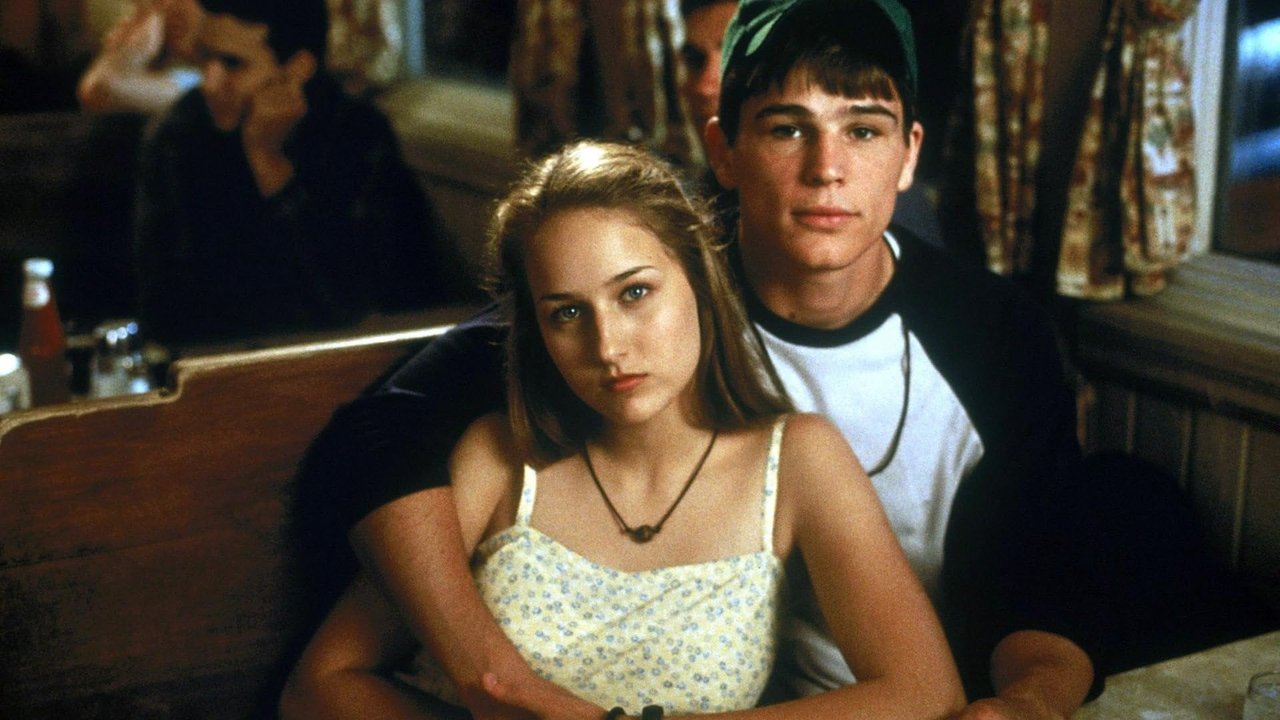
What elevates Here on Earth beyond a simple formula, at least partially, are the performances of its young leads, all captured at a pivotal moment in their careers. Chris Klein, fresh off Election (1999) and American Pie (1999), leans into Kelley's initial spoiled brat persona, but manages to find flickers of vulnerability beneath the surface. It's not a groundbreaking turn, but he conveys the gradual thawing of Kelley's defenses effectively. Josh Hartnett, already smoldering his way through late-90s screens in films like The Faculty (1998) and The Virgin Suicides (1999), embodies Jasper's protective loyalty and simmering resentment with a quiet intensity. His character could easily have been a one-note obstacle, but Hartnett gives him a tangible sense of hurt and history.
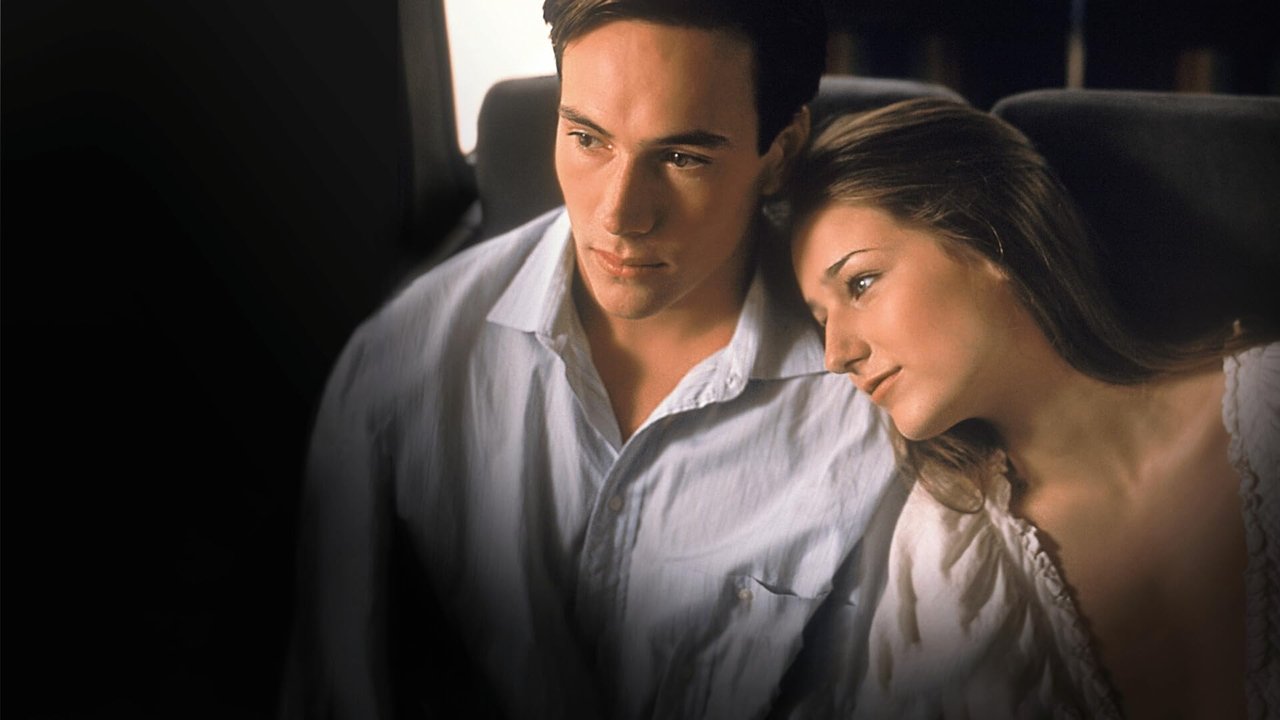
However, the film truly rests on the slender shoulders of Leelee Sobieski. Coming off a string of varied roles (Deep Impact, Joan of Arc), she imbues Samantha with a watchful intelligence and an ethereal quality that feels genuine. Samantha is the heart of the film, grappling with her own profound secrets, and Sobieski navigates these emotional depths with a quiet grace that often transcends the script's occasional reliance on melodrama. Her connection with Klein feels tentative and sweet, while her bond with Hartnett carries the weight of shared experience. It's her performance that lends the film its most resonant moments.
Small Town Melancholy
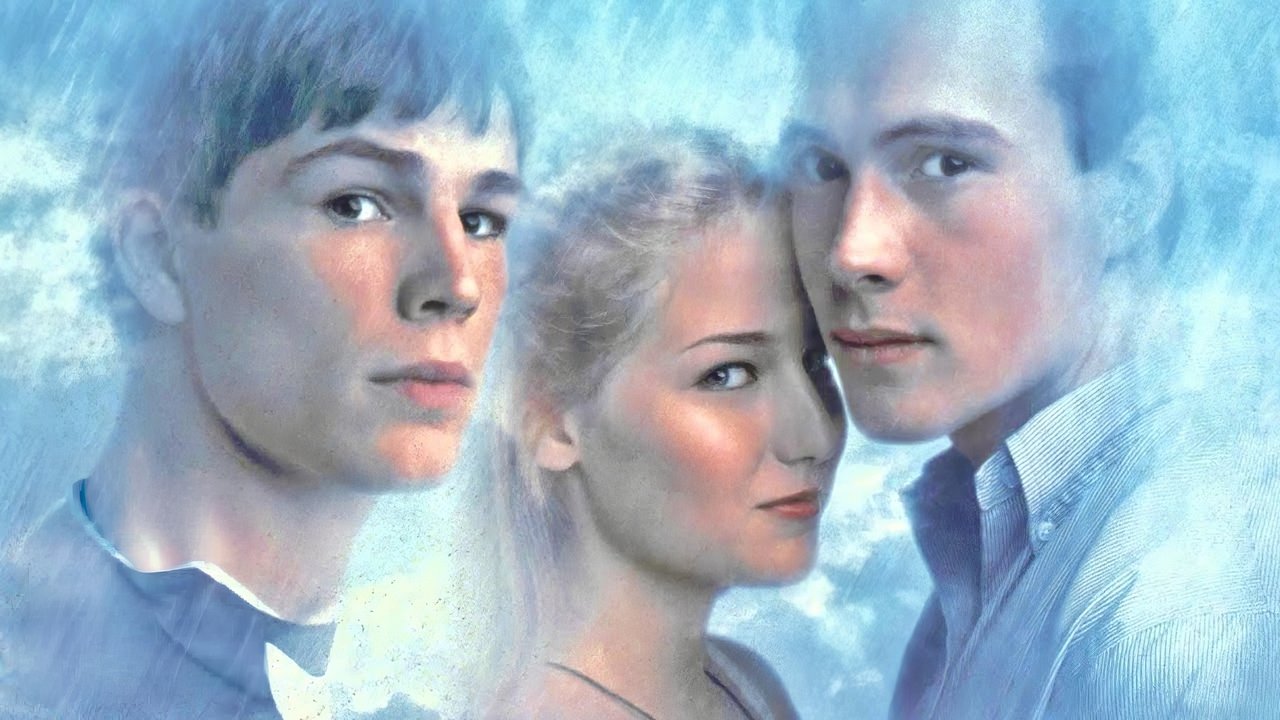
Director Mark Piznarski, known more for his work in television (My So-Called Life, Veronica Mars) and music videos, brings a certain visual sensitivity to the proceedings. He captures the languid beauty of the Minnesota locations (standing in for the fictional Putnam), emphasizing the small-town atmosphere and the sense of lives lived at a different pace. There's a deliberate slowness here, an attempt to let moments breathe, which sometimes works to build atmosphere but occasionally tips into sluggishness. The film aims for a poignant, almost melancholic tone, underscored by a score that leans heavily into swelling strings and gentle piano – standard fare for the era's romantic dramas, certainly, but effective enough in context.
It's impossible to discuss Here on Earth without acknowledging the narrative turn it takes (Spoiler Alert for a 24-year-old film!). The revelation of Samantha's terminal illness shifts the film from a standard love triangle into a meditation on young love confronted by mortality. This is where the film either wins you over with its earnestness or loses you with what some critics at the time perceived as manipulative sentimentality. Looking back, the handling feels sincere, if not entirely subtle. It forces the characters, particularly Kelley, to confront deeper questions about life, love, and responsibility far sooner than they expected. Doesn't this sudden confrontation with fragility resonate with the unexpected turns life throws at all of us?
A Y2K Time Capsule
Here on Earth didn't leave a huge cultural footprint. It wasn't Titanic (1997) or even Cruel Intentions (1999). It represents a specific, softer kind of teen drama that existed alongside the sharper, more cynical fare. Watching it now feels like uncovering a slightly dusty VHS tape from the back of the shelf – maybe not the one you watched endlessly, but one that triggers a specific memory, a feeling of that particular moment just before the world shifted into a new millennium. It carries the DNA of earlier films like Love Story (1970) and prefigures the wave of Nicholas Sparks adaptations that would soon follow.
The film’s sincerity is perhaps its greatest strength and weakness. It wears its heart plainly on its sleeve, embracing emotion without irony. For some viewers back in 2000, and perhaps even now, this earnestness might have felt unearned or overly sentimental. Yet, there's something undeniably touching about its attempt to grapple with big themes – love, loss, class, forgiveness – through the lens of youth. It might be flawed, predictable in parts, and occasionally heavy-handed, but it possesses a quiet integrity, largely thanks to Sobieski's central performance.
***
Rating: 5/10
This rating reflects a film that is earnest and features committed performances, particularly from Leelee Sobieski, but is ultimately hampered by a predictable plot structure and moments that lean too heavily into melodrama. It captures a specific Y2K teen movie aesthetic and tackles serious themes, but doesn't quite achieve the lasting emotional impact it strives for. Its sincerity is admirable, yet it often feels formulaic, preventing it from rising above the conventions of its genre.
Final Thought: Here on Earth remains a poignant, if slightly faded, snapshot of turn-of-the-millennium teen romance – a film whose quiet sincerity might resonate more deeply now than its modest reputation suggests.