It starts, as it so often does, with a deceptively simple idea—a whisper, an experiment born of boredom and intellectual arrogance on a seemingly idyllic college campus. Remember that feeling? The cusp of the new millennium, a time brimming with slick, slightly edgy thrillers exploring the dark undercurrents beneath youthful surfaces. 2000's Gossip arrived right in that wave, armed with a compelling premise and a cast of faces that felt incredibly current, poised on the brink of bigger things. Pulling this one off the shelf at the local video store, maybe drawn in by James Marsden's familiar smirk or the promise of a twisty plot, felt like settling in for a quintessential late-night rental. But does the film deliver more than just a Y2K time capsule?

Whispers in the Ivy
The setup is classic thriller territory, almost leaning into cautionary tale. Three Communications students – Derrick (James Marsden), Jones (Lena Headey), and Travis (Norman Reedus) – decide to start a rumour for a class project, targeting the seemingly perfect Naomi (a radiant Kate Hudson) and Beau (Joshua Jackson). Their hypothesis: gossip takes on a life of its own. What begins as a detached academic exercise, watching the rumour about an alleged encounter ripple through the campus grapevine, quickly spirals horrifyingly out of control when it intersects with a very real, very dark event. The film aims to be a modern morality play, a dissection of how easily misinformation can warp reality and destroy lives, even before the instant amplification of social media we know today.
Director Davis Guggenheim, who would later find immense success with documentaries like An Inconvenient Truth, brings a certain slickness to the proceedings. The campus feels both inviting and vaguely menacing, all brick buildings and shadowed corners. There's an attempt to visually represent the spread of the rumour, though sometimes it feels a little on-the-nose. The core idea, however, remains potent: the casual cruelty and unforeseen consequences of words uttered without thought. Doesn't it make you pause, considering how much faster and further such things travel now?
A Cast on the Cusp
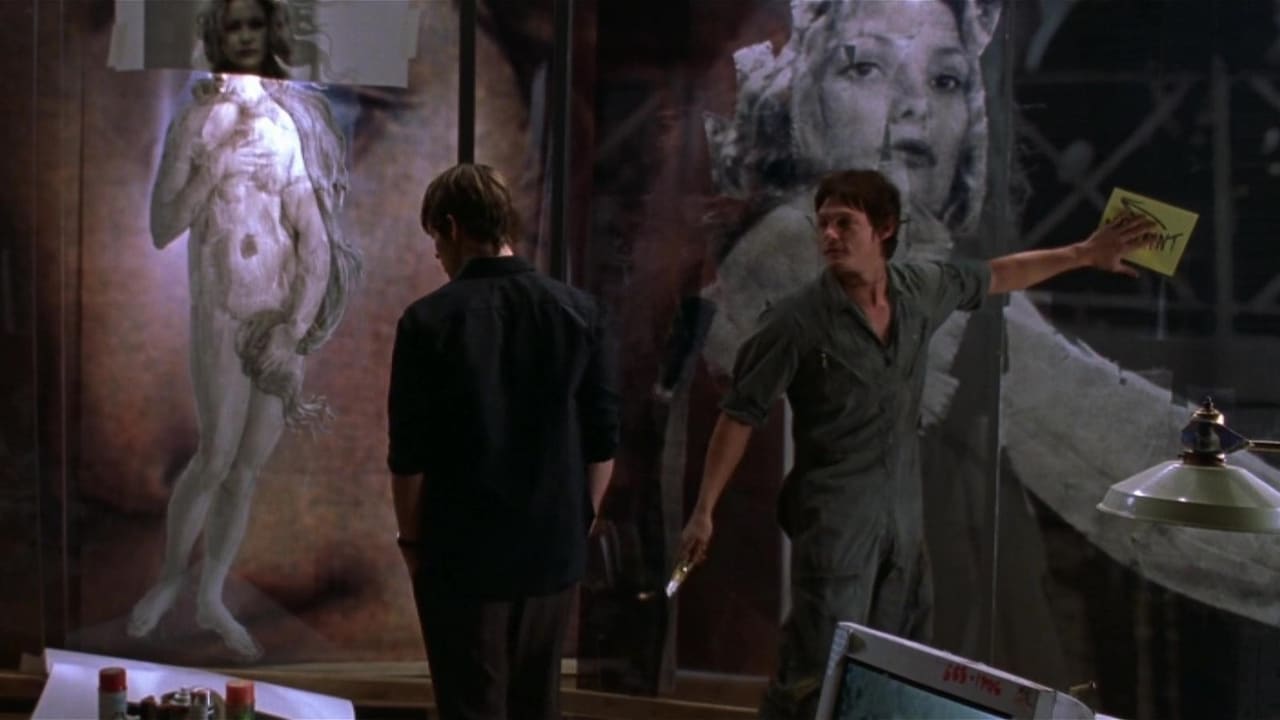
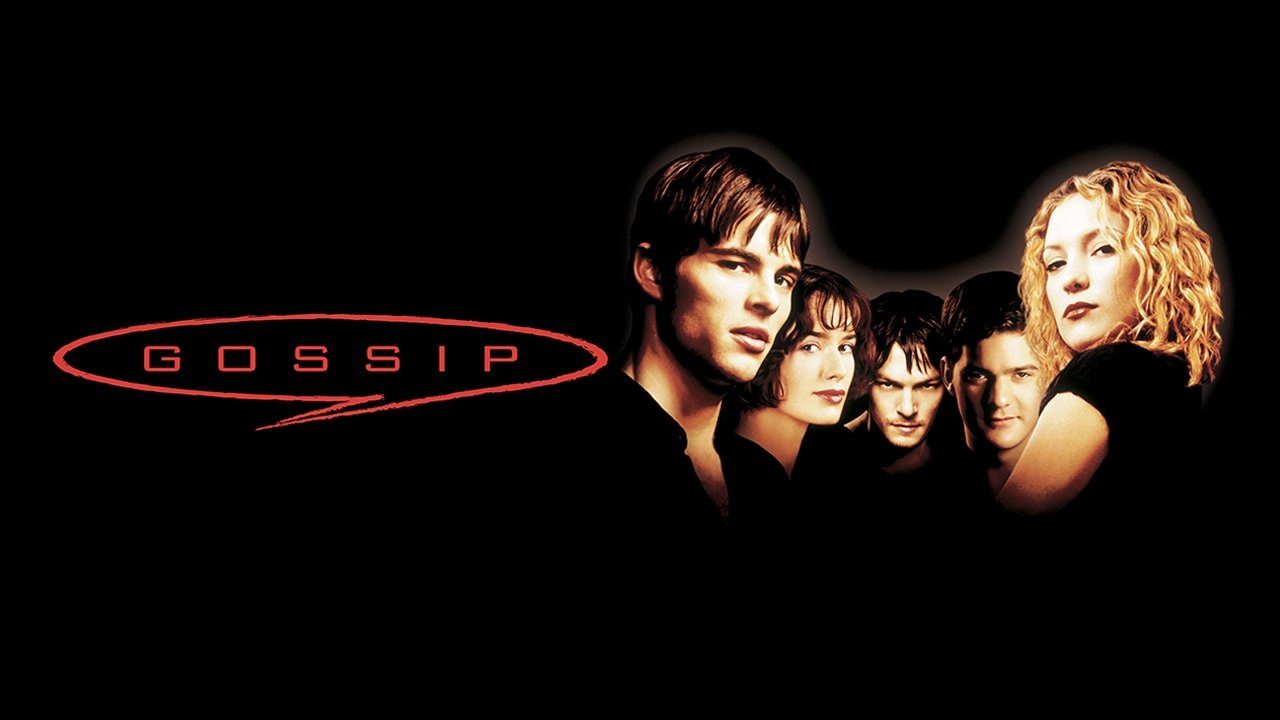
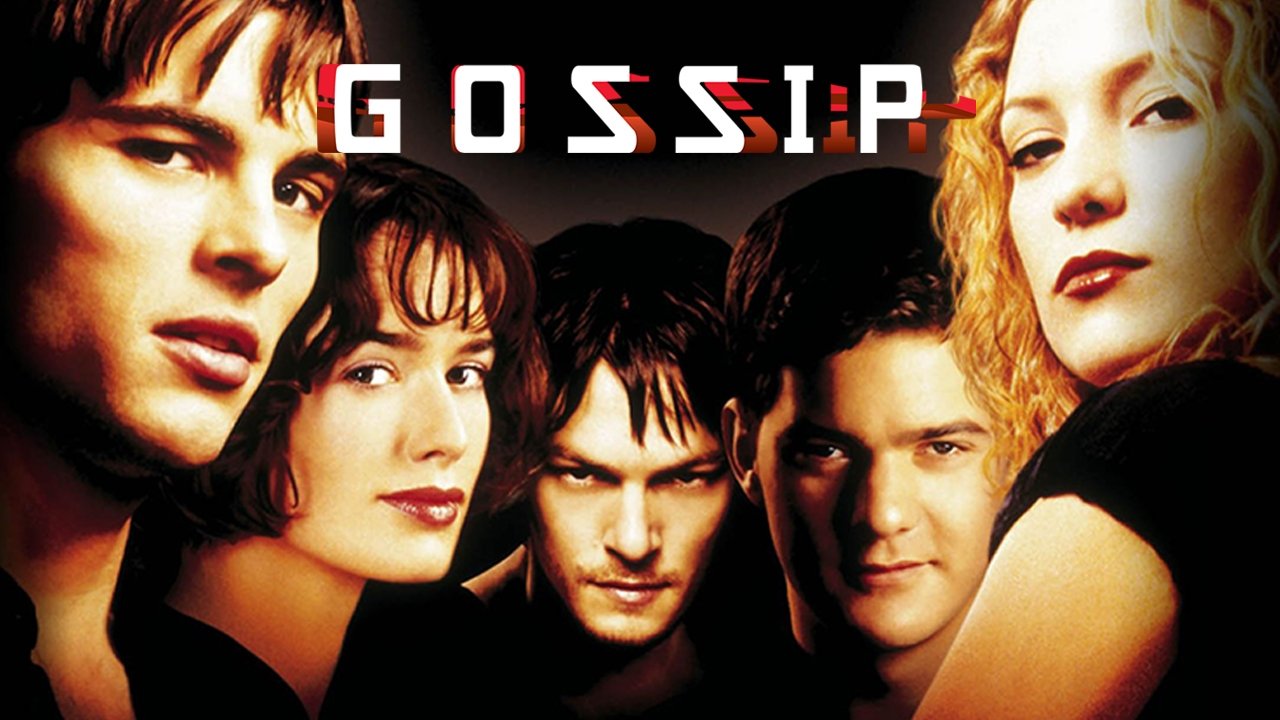
One of Gossip's undeniable strengths, especially viewed through a nostalgic lens, is its cast. James Marsden anchors the film as Derrick, the smooth-talking instigator who finds himself increasingly entangled. He embodies that particular brand of early-2000s charming arrogance that hints at deeper insecurities. Opposite him, Lena Headey brings a grounding intensity to Jones, the moral compass of the trio, whose initial reluctance gives way to complicity and then desperate attempts at correction. It's fascinating to see her here, years before Cersei Lannister, already commanding the screen with a subtle power. And Norman Reedus, as the brooding artist Travis, offers glimpses of the quiet intensity that would later define his iconic Daryl Dixon role in The Walking Dead.
Kate Hudson, fresh off her star-making turn in Almost Famous (released the same year), portrays Naomi's journey from golden girl to victim with vulnerability. Joshua Jackson, a familiar face from Dawson's Creek, handles Beau's descent effectively. Seeing these actors together, capturing a specific moment in their careers, is a significant part of the film's retrospective appeal. It feels like catching lightning in a bottle, even if the bottle itself has a few cracks.

Retro Fun Facts: Behind the Rumours
- Documentary DNA: It's intriguing that Davis Guggenheim directed this narrative thriller before becoming primarily known for his acclaimed documentary work. Perhaps his interest in observing and dissecting real-world phenomena informed his approach here.
- Writer Pedigree: The script saw contributions from Gregory Poirier (who later penned National Treasure: Book of Secrets) and noted playwright/TV creator Theresa Rebeck (Smash). Multiple writers can sometimes signal a tricky development process, perhaps explaining some of the plot's later unevenness.
- Location Stand-In: While set at a fictional American university, much of Gossip was actually filmed on location in Toronto, Canada, a common practice for budget-conscious productions of the era.
- Box Office Whisper: Made on a modest budget (around $12 million), Gossip didn't exactly set the box office ablaze, earning just under $14 million worldwide. It found more of a life, like many films of its ilk, on home video – that trusty VHS tape circulating among friends.
- Critical Mumble: Reviews at the time were largely unkind, often criticizing the plot for becoming too convoluted and implausible in its third act, feeling it didn't fully live up to its provocative premise. It currently holds a rather low score on Rotten Tomatoes, reflecting this initial reception.
When the Message Gets Muddled
For all its potential and the strength of its young cast, Gossip does stumble. The initial intrigue of watching the rumour spread gives way to a more conventional, and sometimes less believable, crime thriller plot involving assault, cover-ups, and betrayals. The thematic exploration of gossip's destructive power gets somewhat lost amidst melodramatic twists and turns that strain credulity. What starts as a sharp observation risks becoming a tangled web that prioritizes plot mechanics over genuine emotional resonance or character depth in its later stages.
The film tries to indict not just the originators of the rumour but the entire ecosystem that allows it to flourish – the listeners, the repeaters, the ones who relish the drama. It asks us to consider our own complicity. Yet, the increasingly complex and somewhat far-fetched narrative developments can dilute this message, shifting focus from the insidious nature of rumour itself to the specific, heightened criminal actions unfolding. Did the film bite off more than it could chew thematically?
Final Reflection: A Flawed Echo
Watching Gossip today is an interesting experience. It’s undeniably a product of its time – the fashion, the specific anxieties, the pre-broadband internet setting where rumours travelled fast, but not instantaneously. It captures that late-90s/early-2000s aesthetic well, and the cast provides a strong nostalgic pull. The central premise remains relevant, perhaps even more so now, serving as a potent reminder of the real-world damage careless words can inflict.
However, the film's execution doesn't quite match its ambition. The plot becomes unwieldy, and the shift towards a more conventional thriller feels less insightful than the initial setup promised. It’s a film that starts a compelling conversation but doesn't quite know how to finish it satisfyingly.
Rating: 5/10
Justification: Gossip gets points for its intriguing premise, capturing a specific Y2K cultural moment, and showcasing a talented young cast on the rise (Marsden, Headey, Reedus, Hudson). The initial exploration of how rumour spreads is effective. However, the film loses its way with an increasingly convoluted and implausible plot in the latter half, ultimately diluting its thematic impact and straining suspension of disbelief. It’s a watchable time capsule and offers some genuine nostalgic appeal, but falls short of being the sharp, insightful thriller it clearly aimed to be.
It remains a fascinating artifact, though—a cinematic whisper from a recent past, echoing warnings about human nature that still resonate, even if the messenger fumbled the delivery slightly. What lingers isn't necessarily the plot's resolution, but the unsettling question it first posed: how responsible are we for the stories we choose to believe, and the ones we choose to spread?