It arrived near the tail end of the decade, a film crackling with a frantic, uncertain energy that felt distinctly different. 1999's Three Kings wasn't just another war movie, nor was it a straightforward heist caper. Instead, it threw both into a blender with sharp political satire and moments of unexpected, raw humanity, leaving audiences buzzing and maybe a little disoriented. Watching it again now, years removed from its initial release, that volatile mix still feels potent, asking questions that linger long after the dust settles.
Beyond the Spoils
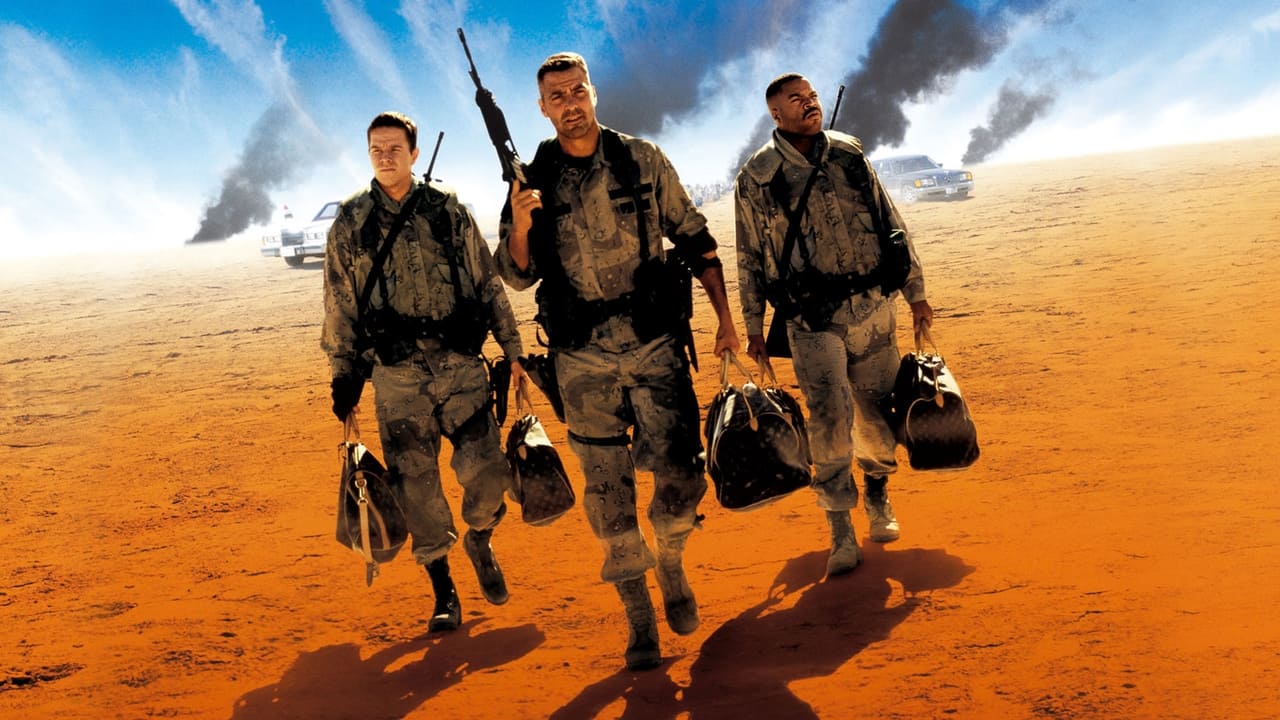
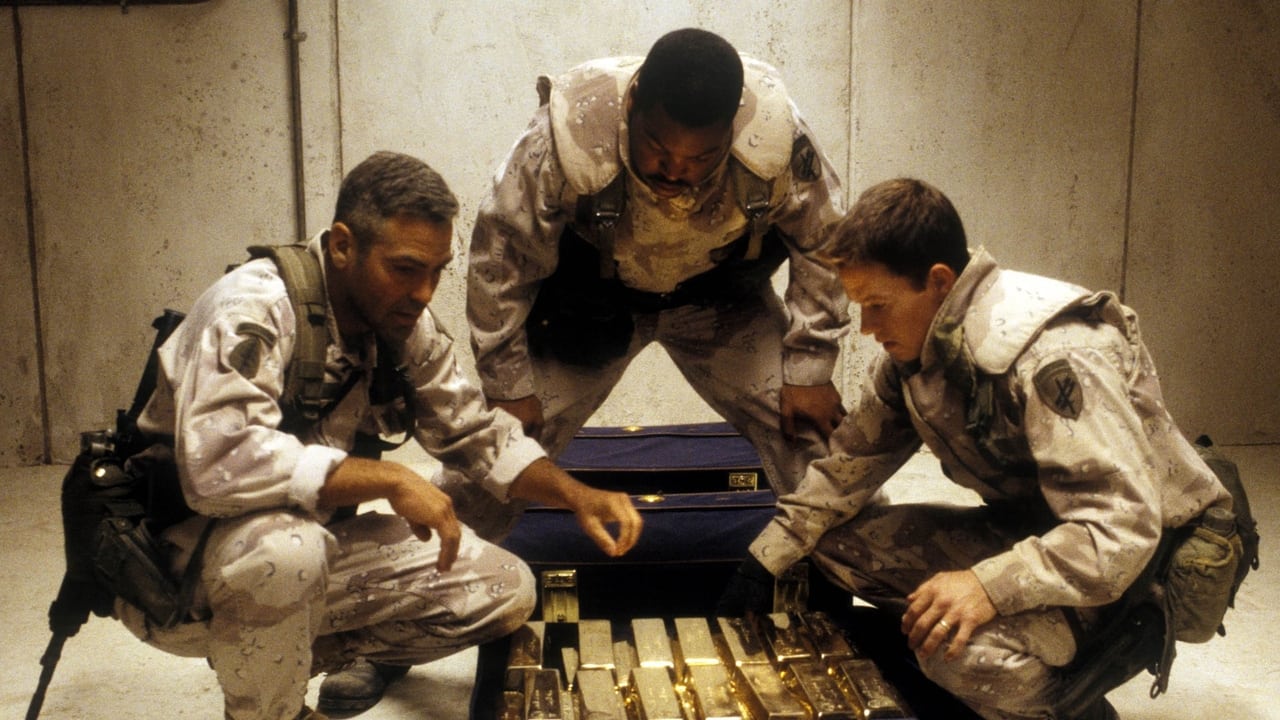
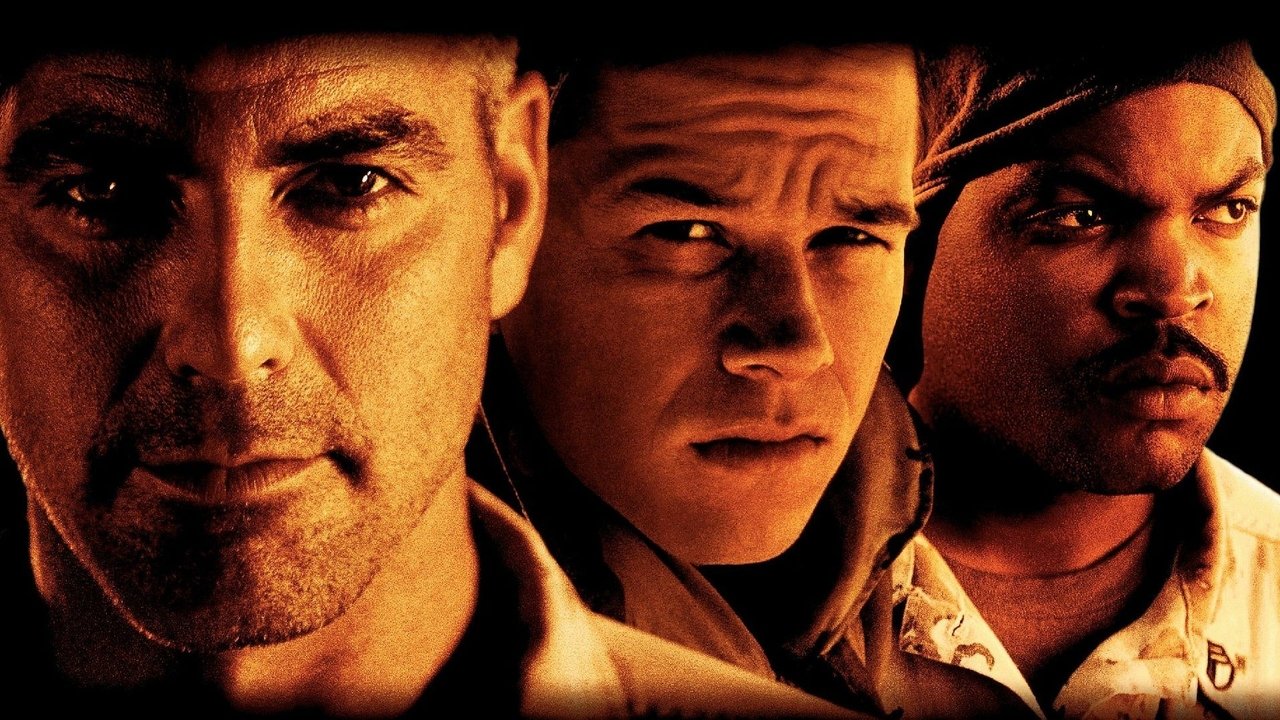
Set in the immediate aftermath of the 1991 Persian Gulf War, the premise sounds almost like a cynical action romp: four American soldiers – jaded Special Forces Major Archie Gates (George Clooney, cementing his movie star charisma post-ER), earnest Sergeant Troy Barlow (Mark Wahlberg, continuing his rise after Boogie Nights), dutiful Staff Sergeant Chief Elgin (Ice Cube, bringing a stoic weight), and the naive Private Conrad Vig (Spike Jonze, in a surprisingly effective turn) – discover a map detailing the location of Saddam Hussein's stolen Kuwaiti gold. Their plan? A quick, unauthorized mission to liberate the loot for themselves before heading home. Simple, right?
Of course, nothing in David O. Russell's chaotic vision is ever simple. What begins as a greedy treasure hunt rapidly spirals into something far more complex and morally demanding. As the soldiers witness the brutal reprisals Saddam's forces inflict upon Iraqi rebels – encouraged to rise up by the U.S. but then abandoned – their mission shifts. The gold becomes secondary to the unexpected weight of conscience. Can they simply take the treasure and leave these people to die? It’s this collision of cynical self-interest and dawning responsibility that forms the film's conflicted, compelling heart.
A Look Forged in Chaos
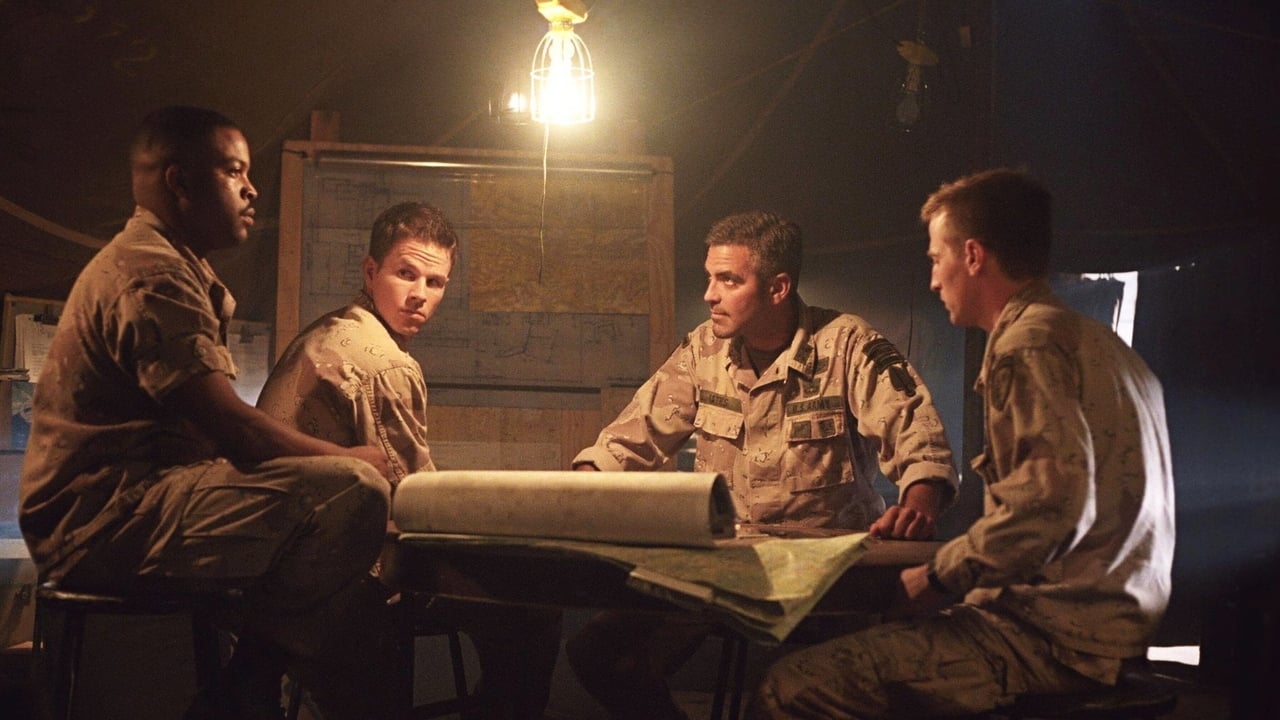
You can't discuss Three Kings without mentioning its distinctive visual style. Cinematographer Newton Thomas Sigel employed unconventional techniques, including reversal film stock and a bleach bypass process, to achieve a high-contrast, desaturated look. The Iraqi desert sun isn't golden; it's harsh, bleached-out, almost alien. This wasn't just aesthetic flair; it mirrored the moral ambiguity and the jarring realities faced by the characters. The visuals feel intentionally agitated, mirroring the fractured state of the region and the soldiers' own internal conflicts.
This kinetic energy extends to Russell's direction. Known for his often turbulent sets – reports of clashes between Russell and George Clooney became legendary Hollywood gossip – that volatile atmosphere arguably bleeds onto the screen. The editing is often sharp, jarring, intercutting moments of black comedy (like the discussion about Lexus ownership amidst chaos) with sudden, graphic violence (the infamous internal view of a bullet wound remains shocking). It’s a style that keeps the viewer constantly off-balance, reflecting the unpredictable nature of the situation. It wasn't always a smooth production – Russell heavily rewrote John Ridley's original, more straightforward spec script ("Spoils of War"), infusing it with his signature idiosyncrasies and political edge. The reported $48 million budget ballooned closer to $75 million, a gamble that paid off reasonably well with a $107 million worldwide gross, but the film's reputation was built more on its critical acclaim and cult following than pure box office dominance.
Flawed Men, Fleeting Heroism
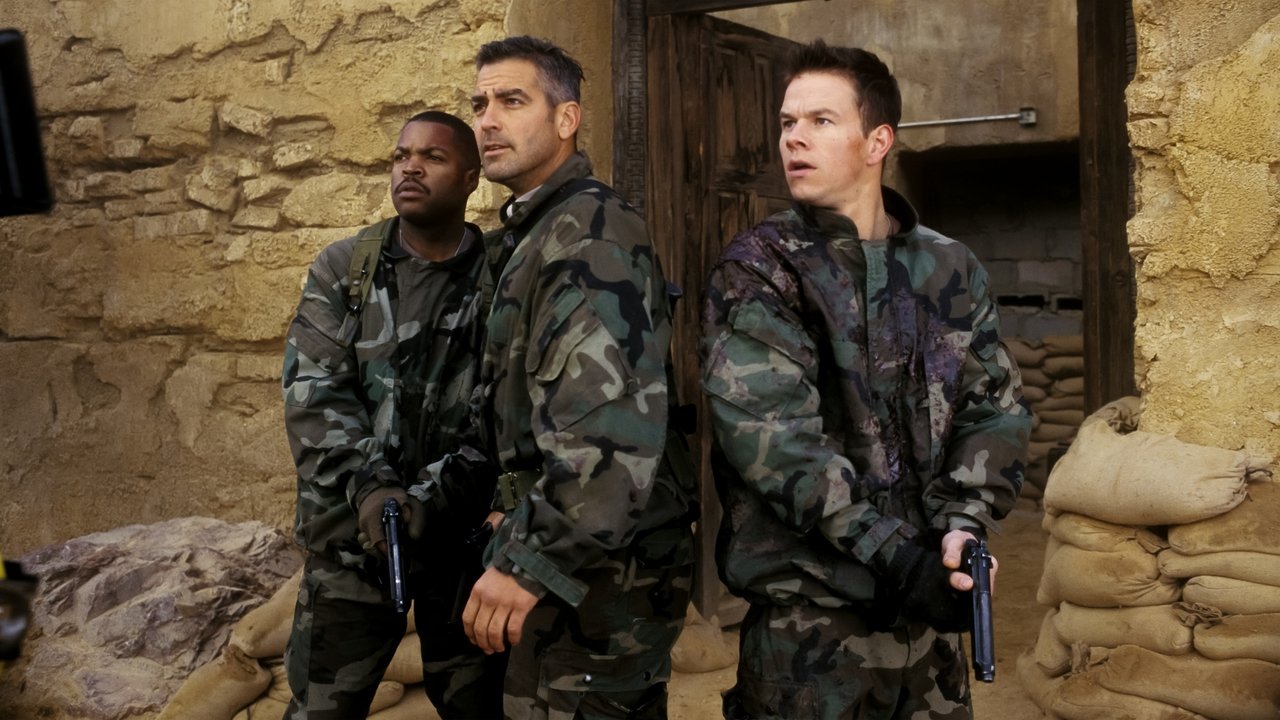
The performances are key to grounding the film's wild tonal swings. Clooney delivers a star-making turn as Archie Gates, radiating weary cool but allowing flickers of doubt and eventual empathy to break through the cynical facade. Wahlberg provides the film’s initial emotional core as Barlow, the young father whose capture forces the others to confront the human cost of their venture. Ice Cube offers a steady, watchful presence as Chief, wrestling with his faith and duty. Even Spike Jonze, primarily known then as a music video director (Beastie Boys' Sabotage), is surprisingly affecting as the slightly dim-witted Vig.
Their journey isn't one of clean-cut heroism. These are flawed men, initially motivated by greed, who stumble into a situation that forces them to reckon with larger responsibilities. Their transformation feels earned precisely because it’s reluctant and messy. Does the film sometimes indulge in caricature? Perhaps. But the core emotional arc – the dawning realization that some things are more valuable than gold – resonates powerfully.
Legacy in the Dust
Three Kings occupies a unique space. It’s a war film less interested in battlefield tactics than in the messy, morally gray aftermath. It’s a heist film where the treasure becomes an afterthought. It’s a satire that doesn’t shy away from the brutal consequences of political decisions made thousands of miles away. Released just a couple of years before 9/11 and the subsequent wars in Afghanistan and Iraq, its critique of interventionism and media narratives feels startlingly prescient.
It challenged audiences in 1999, refusing to fit neatly into any genre box. It wasn't the flag-waving action film some might have expected, nor was it a somber anti-war drama. It was, and remains, something far more restless and complex. Does its frantic style sometimes overwhelm its substance? Maybe. But its ambition, its striking visuals, its strong performances, and its willingness to grapple with difficult questions make it a standout film from the late 90s.
Rating: 9/10
This score reflects the film's audacious blend of genres, its technical innovation, powerful performances, and its enduring, challenging relevance. It captures a specific, chaotic moment in time – both in the world and in filmmaking – with a unique energy that remains compelling. While the on-set turmoil is legendary, the resulting film is a testament to a singular, if volatile, creative vision.
Three Kings wasn't just a tape you rented; it felt like a dispatch from a confusing reality, wrapped in the guise of an action movie. It sticks with you, not just for the gunfire and gold, but for the uncomfortable questions it dared to ask right as one decade bled into the next.