It begins, as so many tragedies do, with a seemingly small injustice. Two fine horses, symbols of a man's pride and livelihood, left abused and neglected through petty spite. It’s a potent image, one that anchors The Jack Bull, a 1999 HBO film that arrived quietly but carried the weight of a classic tragedy onto our CRT screens. This wasn't your typical late-90s fare; it felt older, dustier, steeped in a kind of moral gravity that burrowed under your skin long after the tape ejected. Watching it again recently, that initial spark of outrage felt just as sharp, a reminder of how easily the pursuit of justice can curdle into something far darker.
A Frontier of Grievance
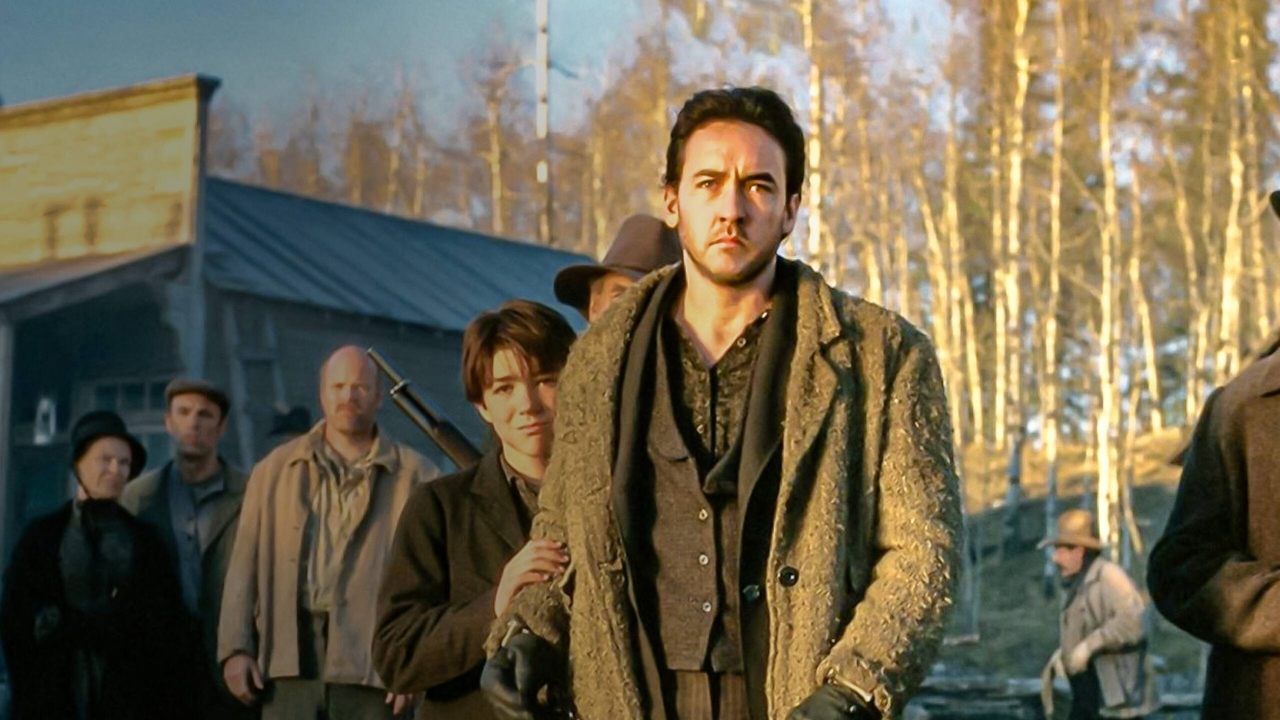
Set against the stark, unforgiving backdrop of late 19th-century Wyoming (though stunningly filmed in Alberta, Canada), The Jack Bull wastes no time establishing its grim trajectory. Myrl Redding (John Cusack) is a horse trader, a man seemingly content with his life, his wife, and his work. But when powerful landowner Henry Ballard (John Goodman) allows Redding’s horses, temporarily left in his care as collateral for a toll, to be cruelly mistreated, Redding seeks redress. Not vengeance, initially, but simple fairness through the law. It’s when the law, swayed by Ballard’s influence and indifference, fails him that the fuse is truly lit. The atmosphere director John Badham crafts is thick with impending doom; the wide, lonely landscapes seem to swallow hope whole, reflecting the isolation of a man increasingly consumed by his principles. It’s a far cry from the neon-drenched thrills of Badham's WarGames or the slick action of Blue Thunder, showcasing his versatility in handling this grounded, character-driven historical drama.
The Weight of Principle
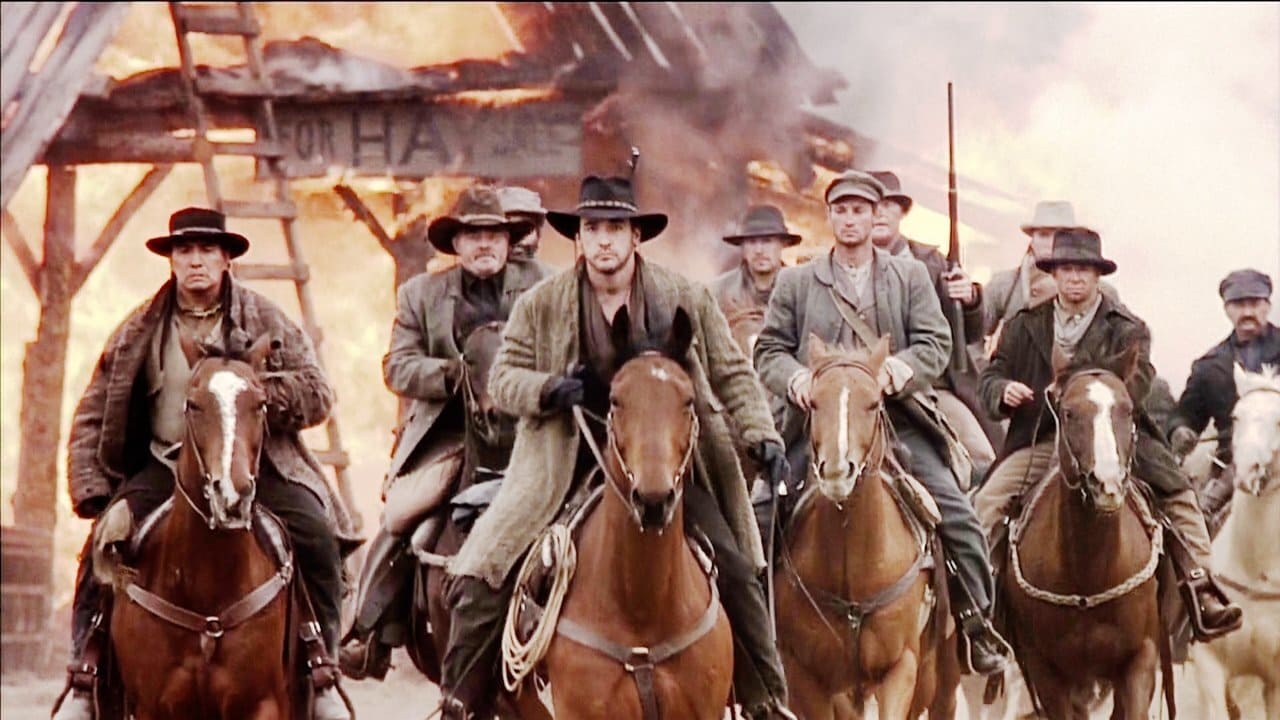
At its heart, The Jack Bull is a fascinating duel of personalities, anchored by two powerhouse performances. John Cusack, working from a script penned by his own father, Dick Cusack, delivers a performance of coiled intensity. His Myrl Redding isn't a swaggering gunslinger, but an ordinary man pushed to extraordinary, and ultimately devastating, lengths. We see the reasonableness drain from his eyes, replaced by a hardening conviction that calcifies into obsession. It’s a portrayal that feels deeply authentic, capturing the dangerous allure of absolute certainty. Does his quest remain righteous when it brings suffering to the innocent? The film forces us to wrestle with that question alongside him.
Opposite him, John Goodman is chillingly effective as Ballard. This isn't the lovable Dan Conner; Ballard embodies the casual cruelty of unchecked power. He’s not cartoonishly evil, but rather small-minded, arrogant, and utterly dismissive of the consequences of his actions for those he deems beneath him. His initial offense stems from wounded pride, a petty act that snowballs precisely because he cannot fathom being held accountable. The chemistry between Cusack and Goodman is one of antagonistic friction, each man’s stubbornness fueling the other’s resolve, propelling the narrative towards its inevitable tragic conclusion.
Retro Fun Facts: From German Novella to HBO Gem
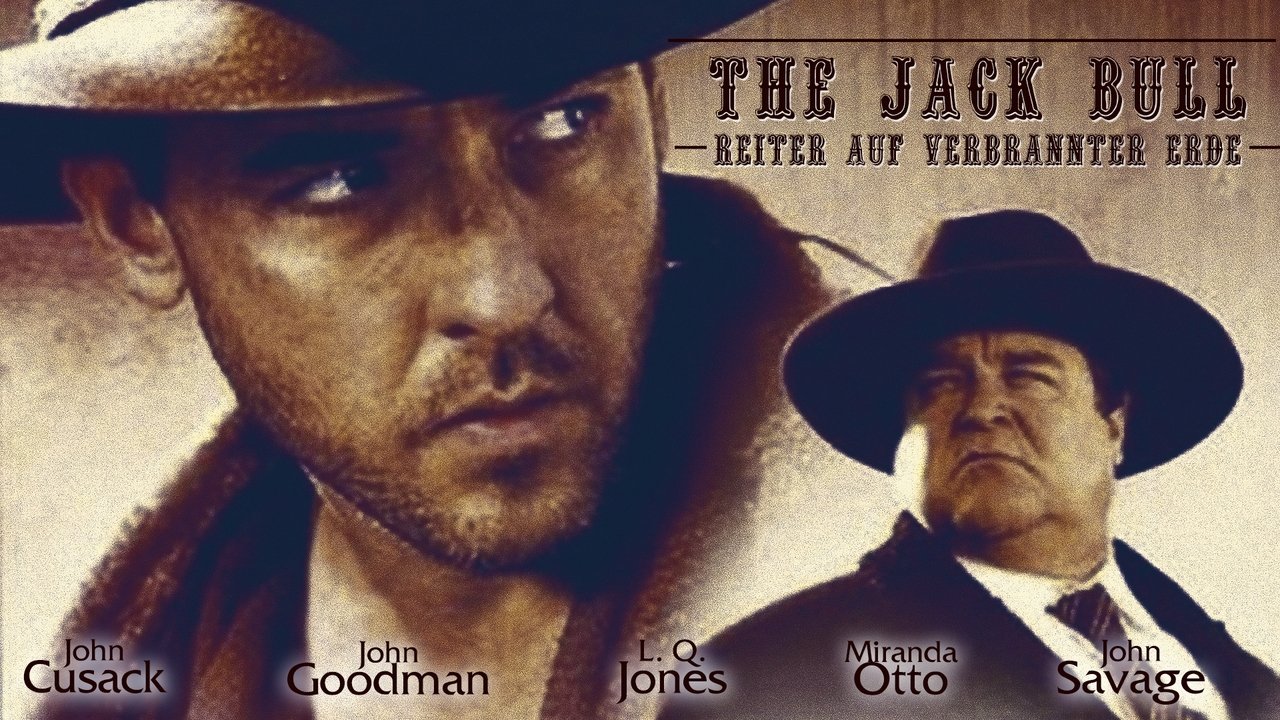
- Literary Roots: One of the most fascinating aspects, often missed back in the Blockbuster days, is that The Jack Bull is a direct adaptation of the 1811 German novella Michael Kohlhaas by Heinrich von Kleist. Dick Cusack masterfully transposed this 16th-century story of a horse dealer seeking justice against a nobleman to the American West, proving the timelessness of its themes about systemic injustice and individual revolt.
- Family Affair: The project was clearly a passion piece for the Cusack family, with John Cusack not only starring but also serving as an executive producer, championing his father's script. This personal connection likely contributed to the film's raw, emotional core.
- Badham's Shift: By 1999, John Badham, once a blockbuster director, was transitioning more towards television work. The Jack Bull stands as a prime example of the high-quality, feature-level productions HBO was becoming renowned for, blurring the lines between cinema and television.
- Against Type: Seeing John Goodman, beloved for his comedic roles like in Roseanne or the Coen Brothers' films (Barton Fink, The Big Lebowski), play such a thoroughly unpleasant, morally bankrupt character was jarring and highly effective.
- Veteran Support: The film is bolstered by a fantastic supporting cast of familiar faces, including the legendary character actor L.Q. Jones as Redding's pragmatic friend, the ever-reliable Scott Wilson as the governor, and John C. McGinley as a key figure in Redding's posse.
The Escalating Cost
What makes The Jack Bull resonate is its refusal to offer easy answers or simple heroism. As Redding gathers his own "posse"—dubbed the "Jack Bull"—and takes the law into his own hands, the lines blur. His methods become increasingly brutal, his focus narrowing until his original grievance seems almost secondary to the path of destruction he carves. The film doesn't shy away from the collateral damage, the fear he inspires, or the moral compromises inherent in vigilantism. We are forced to confront the uncomfortable truth: can the pursuit of justice, however righteous the initial cause, justify becoming the very thing you fight against? The stark, unglamorous depiction of violence and its consequences feels honest and sobering.
A Bleak but Powerful Reflection
The Jack Bull isn't necessarily a "feel-good" movie you'd pop in for light entertainment, even by the standards of gritty Westerns. It’s a demanding, somber piece that lingers precisely because of its moral complexity and the strength of its central performances. It explores timeless questions about the nature of law, the corrupting influence of power, and the terrifying potential for principle to curdle into destructive obsession. It was one of those impressive HBO productions from the late 90s that felt like a genuine cinematic event, even experienced on a standard-definition TV via a worn VHS tape.
Rating: 8/10
This score reflects the film's powerful thematic weight, John Cusack's riveting lead performance, John Goodman's compelling villainy, and the skillful adaptation of a classic story. While its bleakness and deliberate pacing might not appeal to everyone, and it carries the occasional constraint of its TV movie origins, The Jack Bull stands as a remarkably potent and thought-provoking Western drama. It avoids genre clichés, opting instead for a grim realism that forces reflection.
It leaves you pondering the terrible cost of uncompromising conviction, a question as relevant in the halls of power today as it was on the dusty plains of Wyoming, or indeed, in 16th-century Germany. A stark, essential piece of late-90s filmmaking well worth revisiting.