The deceptively calm surface of the water shimmers, reflecting the idyllic Maine wilderness. It’s the kind of postcard-perfect scene that promises summer relaxation, maybe a bit of fishing. But beneath that tranquil surface, something ancient and enormous waits. Lake Placid doesn’t waste time with subtlety; it plunges you straight into the primal fear of the unseen predator, reminding us that even the most serene settings can hide teeth. That opening shock – the swift, brutal underwater attack – sets a tone that lingers: nature's indifference, beautiful and utterly lethal.
Released in 1999, Lake Placid arrived near the tail-end of a decade that had seen its share of creature features, but few managed its peculiar tightrope walk between genuine jolts and razor-sharp, darkly comedic dialogue. Penned by David E. Kelley, a name synonymous with hit television shows like Ally McBeal and The Practice, the script crackles with an unexpectedly cynical wit that elevates it beyond mere monster-munching mayhem. It felt different, even then – smarter, meaner, funnier than you might expect from a flick about a giant killer crocodile in Maine.
### Something Wicked This Way Swims
The premise is elegantly simple: after a gruesome discovery (involving a severed human toe, no less), a mismatched team descends upon the remote Black Lake. There’s the reluctant Fish and Game officer Jack Wells (Bill Pullman, bringing his signature weary charm), the uptight paleontologist Kelly Scott (Bridget Fonda, perfectly channeling urbanite-out-of-water anxiety), the eccentric mythology professor/crocodile enthusiast Hector Cyr (Oliver Platt, stealing scenes with gleeful abandon), and the stoic local Sheriff Hank Keough (Brendan Gleeson, grounding the absurdity). Their clashing personalities and rapid-fire banter form the unlikely heart of the film, providing laughs that often feel refreshingly inappropriate given the monstrous threat lurking nearby.
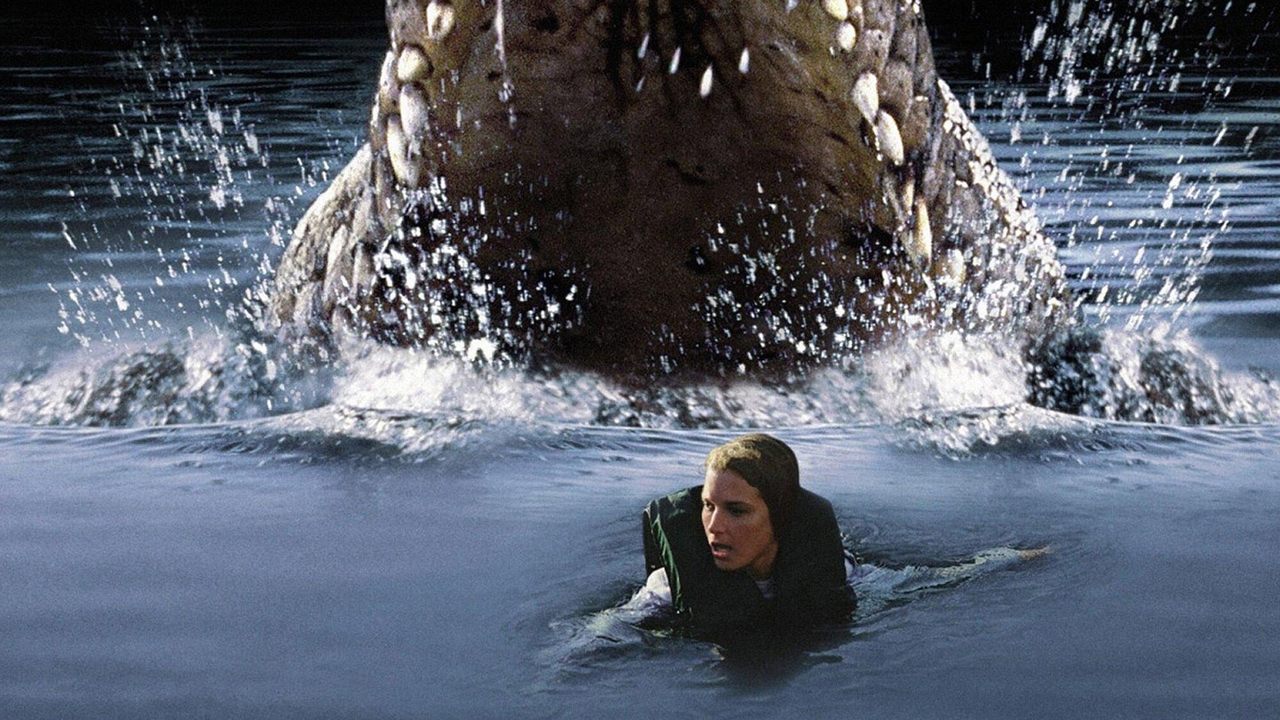
Director Steve Miner, no stranger to the genre having helmed Friday the 13th Part 2 and Part III, as well as the enjoyable horror-comedy House (1985), understood the assignment. He expertly balances the suspense – the murky underwater shots, the sudden eruptions of violence – with Kelley’s barbed dialogue. The pacing is brisk, never allowing the audience to get too comfortable before the next attack or cutting remark. Remember the tension of watching that diver explore the underwater darkness on your flickering CRT? Miner knew how to milk those moments.
### The Beast of Black Lake
Of course, the star of any creature feature is the creature itself. And Lake Placid delivered, thanks to the legendary Stan Winston Studio. Winston, the practical effects wizard behind Aliens, Jurassic Park, and Terminator 2, brought the colossal, 30-foot saltwater crocodile to terrifying life. The blend of animatronics and (then cutting-edge, now slightly dated) CGI was ambitious for its time. The sheer scale of the practical croc, especially in scenes where it breaches the surface or interacts directly with the environment (and actors), still carries a visceral weight that pure digital creations often lack. Reportedly, the main animatronic crocodile was a complex beast requiring multiple operators, and its sheer size and mechanics presented significant challenges during filming, especially in the water sequences shot primarily in British Columbia, Canada (standing in for Maine). The commitment to practical effects, even when supplemented, gives the film that tangible, late-90s creature feature feel we remember so well.

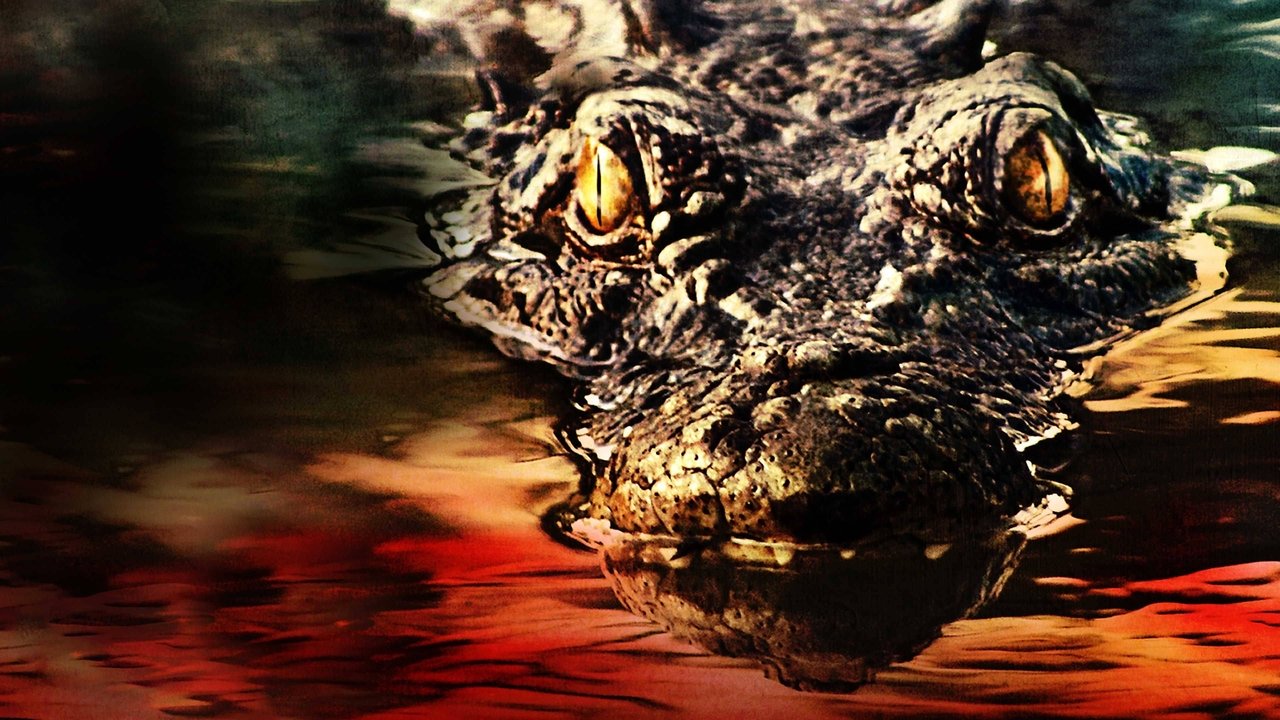
It wasn't just the mechanics; it was the design. The crocodile felt genuinely menacing, ancient, and powerful. Doesn't that image of its massive head emerging silently from the water still feel unnerving? It taps into that deep-seated fear of what lies hidden beneath the surface, a fear amplified by the isolated setting.
### Dark Laughs and Sharp Teeth
What truly sets Lake Placid apart, and perhaps why it maintains such a fond place in the VHS archives of many, is its humor. It’s not goofy or slapstick; it’s dark, cynical, and often character-driven. Oliver Platt’s Hector Cyr, with his cheerful fascination with potentially being eaten and his bizarre theories ("They conceal information like that all the time. I had to fight the state police, the Fish and Game, the missing persons bureau... they didn't want publicity, didn't want panic, didn't want a fuss"), is a comedic force of nature.
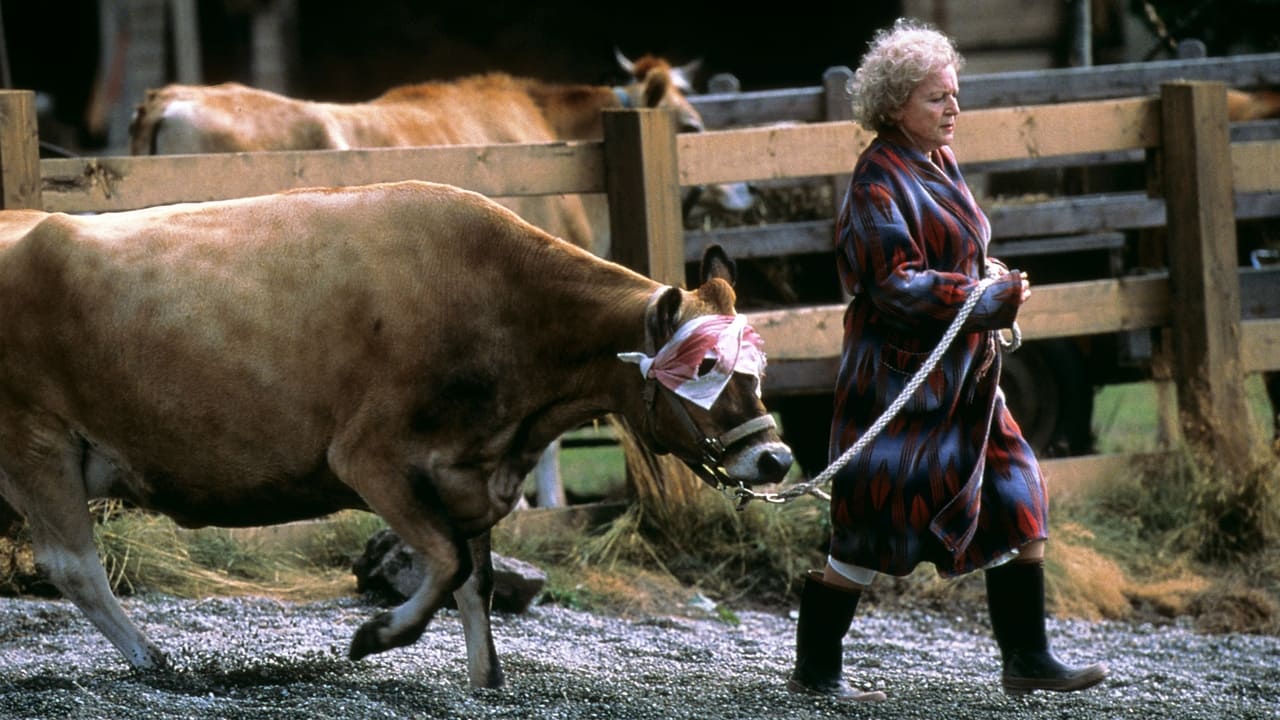
And then there’s Betty White. Cast brilliantly against her beloved Golden Girl type, her portrayal of the foul-mouthed, croc-feeding Delores Bickerman is legendary. Her deadpan delivery of lines about her husband ("He foolishly got too close... I'm rootin' for the crocodile, I hope he eats him.") is pitch-perfect dark comedy. It was a role that reportedly delighted her, offering a chance to shed her wholesome image with profane glee. Her scenes inject a jolt of surreal, almost Wicker Man-esque folk horror into the proceedings – the seemingly sweet old lady secretly nurturing the monster.
### Retro Fun Facts
- David E. Kelley's Genre Hop: It was unusual for Kelley, then at the height of his TV drama fame, to write a creature feature. He apparently conceived the idea while watching documentaries about crocodiles and thought it would be fun to inject his signature dialogue style into the genre.
- Budget Bites: Made for a reported $27-35 million, it was a moderate success, grossing around $56.9 million worldwide. Not a blockbuster smash, but it certainly found its audience on home video, becoming a staple on rental shelves.
- Location, Location, Location: Despite being set in Aroostook County, Maine, the film was primarily shot in British Columbia, Canada, specifically around Shawnigan Lake and Buntzen Lake – locations often used for their resemblance to remote American wilderness.
- Sequel Spree: While the original stands alone in quality, its cult status spawned a surprising number of direct-to-video/Syfy channel sequels (like Lake Placid 2, 3, The Final Chapter, Legacy, and even a vs. Anaconda crossover), none capturing the charm or wit of the 1999 film.
### Final Verdict
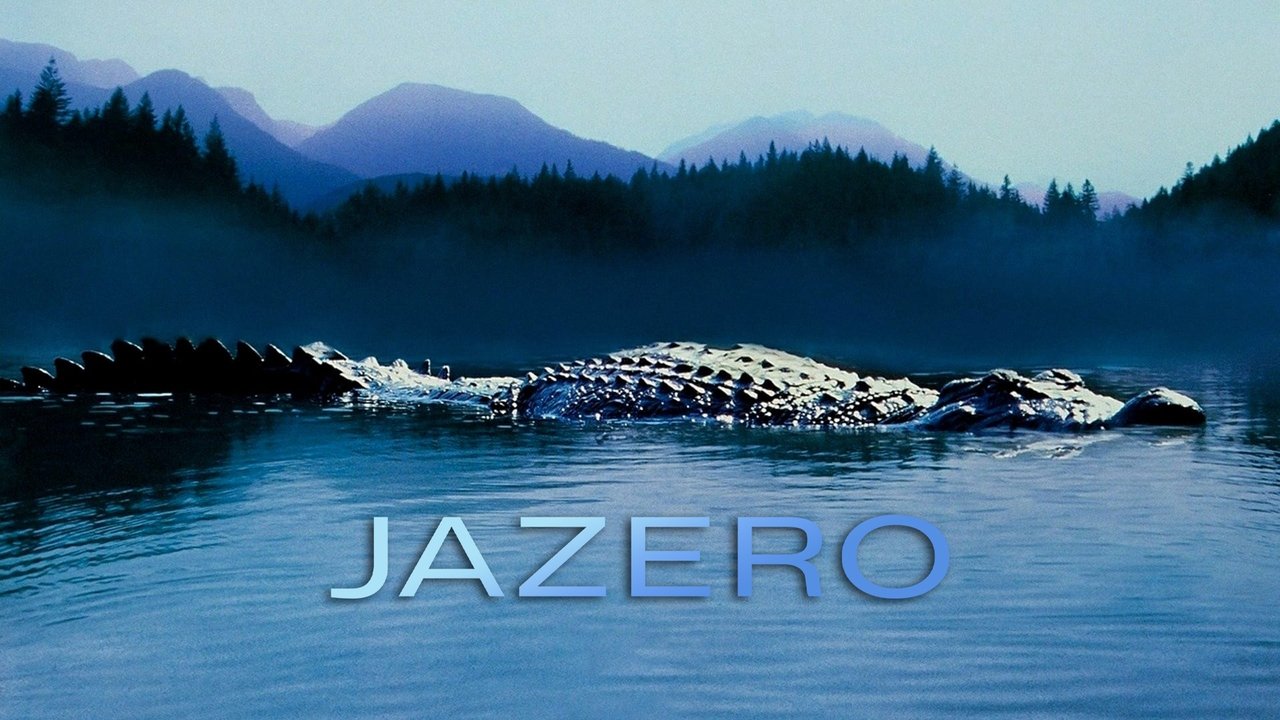
Lake Placid isn't high art, nor does it pretend to be. It's a lean, mean, surprisingly witty creature feature that delivers exactly what it promises: scares, laughs, and a giant, terrifying crocodile. The cast chemistry is electric, the dialogue snaps, and Stan Winston's creature effects (for their time) are impressive. While some of the CGI shows its age, the practical elements and the overall execution hold up remarkably well. It expertly blends genuine tension with dark humor, creating a memorable slice of late-90s genre filmmaking. It knew precisely what it wanted to be and executed it with sharp teeth and a sharper tongue.
Does it still hold that same bite watching it today? For those of us who remember discovering it on a worn VHS tape, absolutely. It’s a perfect example of how a simple premise, elevated by a clever script and committed performances, can become a beloved cult favorite.
Rating: 7.5/10 - Points awarded for the fantastic cast chemistry, sharply written dark humor, effective tension-building, and memorable practical creature effects. Points deducted slightly for some dated CGI and a somewhat predictable third act. Overall, a highly entertaining and rewatchable 90s creature feature staple. It remains one of the most purely fun entries in the giant monster genre from that era, a reminder that sometimes, the best scares come with a side of laughter.