Okay, settle in with a mug of hot cocoa, maybe adjust the tracking on your mental VCR, because we're heading back to the late 90s for a slightly different trip to the North Pole. Forget the fuzzy stop-motion charm for a moment; in 1998, GoodTimes Entertainment delivered a full-length, traditionally animated feature, Rudolph the Red-Nosed Reindeer: The Movie. It landed on shelves perhaps hoping to become the new holiday staple, armed with a surprisingly star-studded voice cast and an ambition to expand the familiar tale.
Beyond the Rankin/Bass Glow
Directed by William R. Kowalchuk Jr. and drawing inspiration from the original story by Robert L. May (who gets a writing credit alongside Michael Aschner), this iteration aimed for something grander in scope than the beloved 1964 TV special. It wasn't just about Rudolph finding his place; this film introduces a formidable new villain, the icy sorceress Stormella (voiced with delicious theatricality by the legendary Debbie Reynolds), who threatens Christmas itself with a colossal storm. We also get new friends for Rudolph, like the gentle doe Zoey and the street-smart Arctic fox Slyly (voiced by the unmistakable Eric Idle of Monty Python fame). And who could forget Leonard the polar bear, brought to life by the warm, stammering tones of Bob Newhart? It’s a different ensemble, adding layers (and runtime) to the simple core narrative.
The plot feels very... well, feature-length. There are quests, magical bridges, capture-and-escape sequences, and even a subplot involving young elves playing hooky. It attempts to build a bigger world around Rudolph, giving him more agency and a more defined hero's journey as he sets out to save Zoey and prove Stormella wrong. While it doesn't quite recapture the singular, almost mythic feel of the original special, there's an earnestness to its storytelling that’s hard to dislike entirely.
Hear Those Sleigh Bells Ringing (and Famous Voices Chime In)
Where this film truly shines, or perhaps glows, is its voice cast. Hearing John Goodman, already a household name from Roseanne and films like The Big Lebowski (1998), lend his booming, yet kindly, voice to Santa Claus feels instantly right. He brings a weight and warmth to the role that anchors the film. Debbie Reynolds, famous since Singin' in the Rain (1952), clearly had a blast chewing the scenery as the villainous Stormella, giving her both menace and a touch of vulnerability. And Bob Newhart, a master of comedic timing, makes Leonard the polar bear an instantly endearing, if slightly anxious, companion. These veteran actors lend a surprising level of professionalism and character to what might otherwise have been a standard direct-to-video release (though it did receive a limited theatrical run).
A Very 90s Christmas Look
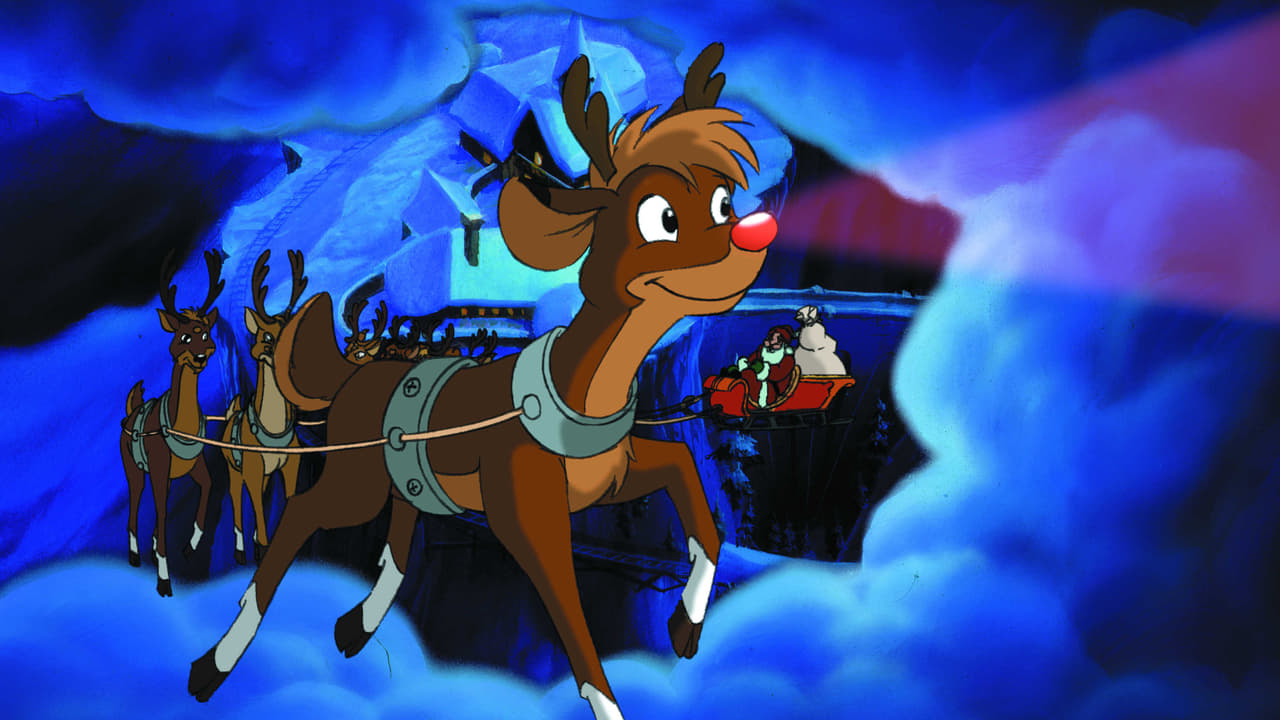
Visually, this Rudolph is a product of its time and its studio. GoodTimes Entertainment was known for its direct-to-video animated features, often seen as alternatives to Disney fare. The animation here is standard 2D work – competent, colorful, but lacking the distinctive texture of the Rankin/Bass classic or the fluidity of bigger-budget theatrical animation of the era. It has that clean, somewhat simple look common in many late 90s animated features and shows. It’s pleasant enough, certainly not jarring, but it doesn’t quite conjure the same cozy, handcrafted magic we might associate with the character. The new songs are sweet and serviceable, aiming for holiday cheer, though none quite achieved the iconic status of Johnny Marks' originals.
Retro Fun Facts & Frosty Reception
Digging into the history reveals this wasn't just a one-off idea. GoodTimes envisioned this film as the potential start of a new Rudolph franchise, hoping to capitalize on the enduring appeal of the character. Unfortunately, it didn't quite light up the box office sky, earning a reported $113,484 in its limited theatrical release – a far cry from blockbuster territory. Its reception was similarly muted, holding a 5.6/10 on IMDb. Perhaps audiences weren't quite ready for a feature-length Rudolph that deviated so much from the classic special they grew up rewatching every year. It’s a fascinating example of trying to reboot or reimagine a beloved property, a trend that’s certainly exploded since the 90s. Interestingly, the film does make a point of connecting back to Robert L. May's original 1939 story, attempting to ground its expanded narrative in the character's origins.
Final Thoughts: A Different Kind of Holiday Glow
Rudolph the Red-Nosed Reindeer: The Movie might not be the first version that springs to mind, overshadowed as it is by its legendary stop-motion predecessor. Yet, revisiting it offers a certain nostalgic charm. It’s an earnest, good-hearted attempt to tell a bigger story, bolstered by genuinely delightful voice work from an impressive cast. The animation is standard fare for the era, but the spirit is undeniably Christmassy. It feels like a warm, slightly oversized sweater – maybe not the height of fashion, but comfortable and familiar in its own way.
Rating: 6/10
This score reflects the film's strong voice cast, ambitious (if slightly overstuffed) story, and genuine holiday spirit, balanced against animation that feels dated and its inability to truly step out of the shadow of the 1964 classic. It’s a pleasant enough watch, especially for completists or those who caught it on VHS back in the day.
It might not be the Rudolph etched into our collective consciousness, but think of it as a friendly cousin visiting for the holidays – different, perhaps a little awkward, but bringing its own brand of cheerful warmth to the festive season. A worthwhile, if not essential, addition to the holiday movie marathon.