It starts, as it often does, with a single click. Not the click of a remote on a VCR, but the sharp, intrusive sound of a camera shutter freezing a moment in time. In Alain Berbérian’s 1998 film Paparazzi, that click captures unassuming night watchman Franck (Patrick Timsit) cheering at a football match, inadvertently landing him in the background of a snatched photo of a celebrity. The consequence? He loses his job. It's a harsh, almost absurd beginning, but one that immediately throws us into the morally murky waters the film navigates – a world where one person's fleeting image can shatter another's life.
An Unlikely Apprenticeship
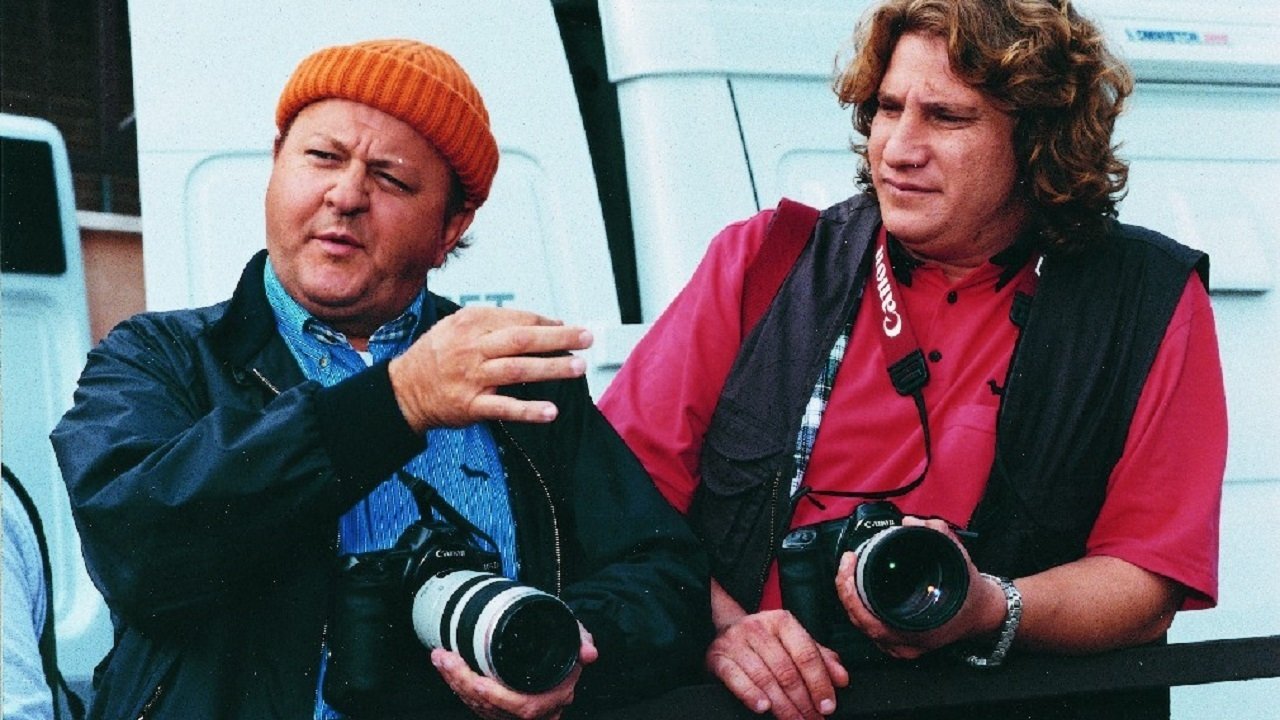
The man behind the lens is Michel (Vincent Lindon), a seasoned paparazzo who, pricked by a rare pang of conscience (or perhaps just weary convenience), decides to take the now-unemployed Franck under his wing. What follows isn't just a buddy comedy setup, though there are certainly moments of dark humour; it's an initiation into a relentless, ethically dubious profession. Berbérian, known previously for the cult spoof La Cité de la peur (1994) and working here from a script he co-wrote with the legendary Danièle Thompson (La Boum, Queen Margot) and Lindon himself, crafts a compelling dynamic between the two leads.
Timsit is wonderfully cast as Franck, embodying an initial wide-eyed innocence that slowly, believably erodes as he gets drawn into the chase. We see the allure – the adrenaline, the camaraderie, the money – but also the toll it takes on his family life, particularly his relationship with his increasingly exasperated wife, played with grounded empathy by Catherine Frot. Lindon, who having co-written the script surely brought layers of insight, portrays Michel not as a simple villain, but as a weary professional operating within a system he accepts, perhaps even quietly despises. There's a coiled tension in his performance, a sense of resignation mixed with the undeniable thrill of getting the shot no one else can. His mentorship of Franck feels less like generosity and more like passing on a necessary cynicism.
The Shadow of Reality
Watching Paparazzi today, especially remembering pulling that tape from the shelf back in the late 90s, it's impossible to ignore the colossal shadow cast by real-world events. The film was reportedly completed before the tragic death of Princess Diana in Paris in August 1997, an event inextricably linked in the public consciousness with the relentless pursuit by paparazzi. Its release in France mere months later, in early 1998, must have felt incredibly charged. This context lends the film an unintended gravity, transforming its exploration of media ethics from a compelling narrative device into something uncomfortably resonant. Does the film explicitly comment? Not directly, given the timing of its production, but the questions it raises about privacy, fame, and the public's insatiable appetite for celebrity gossip felt amplified tenfold. It forces us to ask: where does the photographer's right to capture end, and the subject's right to live begin?
Capturing the Hunt, Pre-Digital
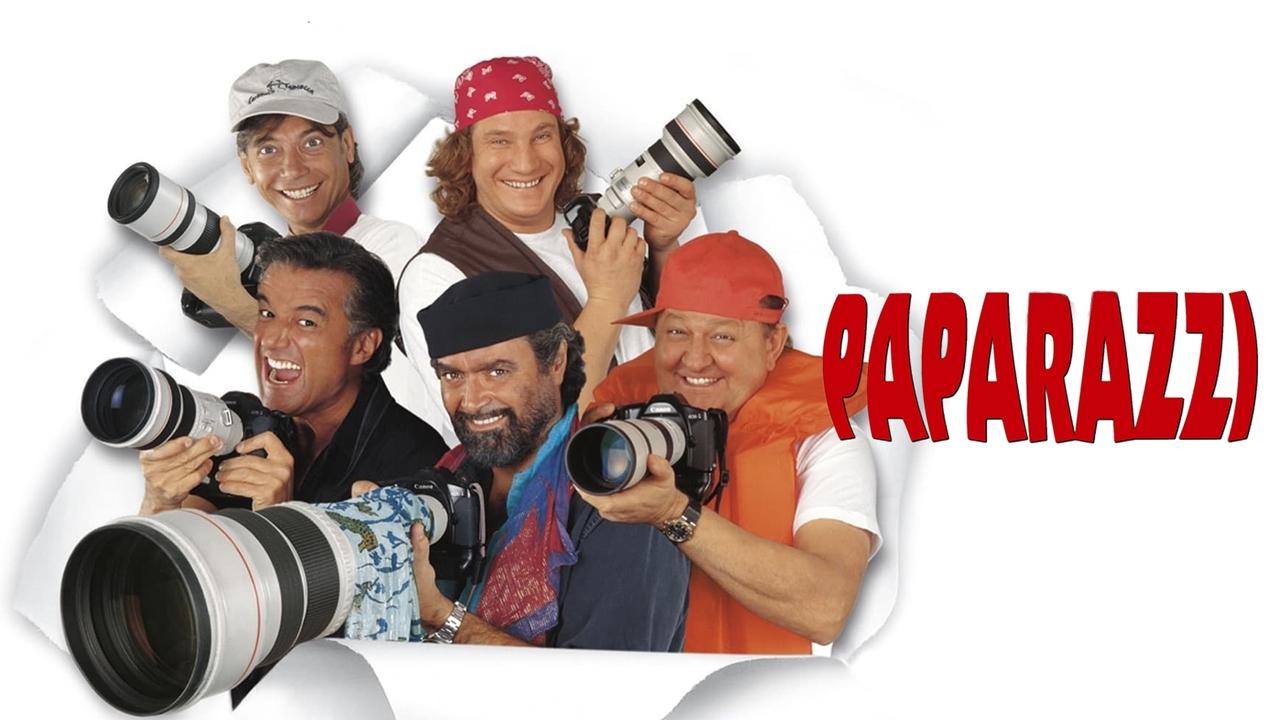
One of the distinct nostalgic pleasures of Paparazzi, beyond its compelling story, is its snapshot of a specific era of photojournalism. This is the late 90s – the cusp of the digital revolution, but still firmly rooted in analogue technology. We see the long lenses, the stakeouts in cramped cars, the urgency of developing film, the physical marketplace for scandalous photos. There's a tactile quality to their work, a grittiness that feels worlds away from today's instant uploads and smartphone snaps. Berbérian captures the frantic energy of the chase through the streets of Paris, giving these sequences a raw, almost documentary feel at times. It’s fascinating to think that the film itself cost around 50 million Francs (roughly €7.6 million, or maybe around €12-13 million today adjusting for inflation) – a decent budget reflecting its aim to capture this world authentically.
Adding to this authenticity is a clever, perhaps meta, touch: the film features numerous cameos from actual French celebrities of the era playing themselves, often depicted being hounded by Michel, Franck, and their colleagues. Spotting figures like Isabelle Adjani or Patrick Bruel adds a layer of verisimilitude, blurring the line between fiction and the reality the film dissects. It was a bold move, lending credence to the often unbelievable lengths the characters go to for a picture.
A Complex Portrait
Paparazzi isn't a laugh-out-loud comedy, despite Timsit's presence and some darkly funny situations. It leans more towards dramedy, a character study wrapped in social commentary. It doesn't offer easy answers, presenting the paparazzi world as a complex ecosystem driven by demand as much as supply. Franck's journey is a cautionary tale about compromise, about how easily one can lose their moral compass when chasing excitement or security. Lindon's Michel remains an enigma – is he a mentor, a corruptor, or just a survivor? The film leaves that ambiguity simmering.
While perhaps not a household name outside of France, Paparazzi holds up as a thoughtful and engaging look at a controversial profession during a pivotal moment in media history. The performances are strong, the ethical questions linger, and its depiction of late-90s Paris feels vividly real. It captures that specific VHS-era feeling of discovering a foreign film that offered a different flavour, a different perspective than the usual Hollywood fare.
Rating: 7.5 / 10
This rating reflects the film's compelling central dynamic, strong performances from Lindon and Timsit, and its timely, thought-provoking exploration of media ethics, amplified by its unfortunate but powerful proximity to real-world tragedy. It successfully captures the gritty reality of the pre-digital paparazzi world, even if the tonal shifts between comedy and drama aren't always seamless. It’s a solid, intelligent film that definitely rewards a revisit.
Final Thought: In an age where everyone with a smartphone can be a photographer and celebrity lives are curated online, Paparazzi feels like a fascinating time capsule – a reminder of the analogue hunt and the complex human cost behind those glossy magazine photos.