It feels like only yesterday that certain VHS tapes held near-mythical status in the household rotation, their worn covers promising epic adventures. Among the titans of late 90s Disney animation, few gleamed quite as brightly or felt as thrillingly different as Mulan. Arriving in 1998, near the tail-end of the Disney Renaissance, it wasn't just another fairy tale; it was a sweeping historical epic painted with breathtaking artistry, anchored by a heroine who redefined courage for a generation.
An Epic Canvas, A Personal Journey
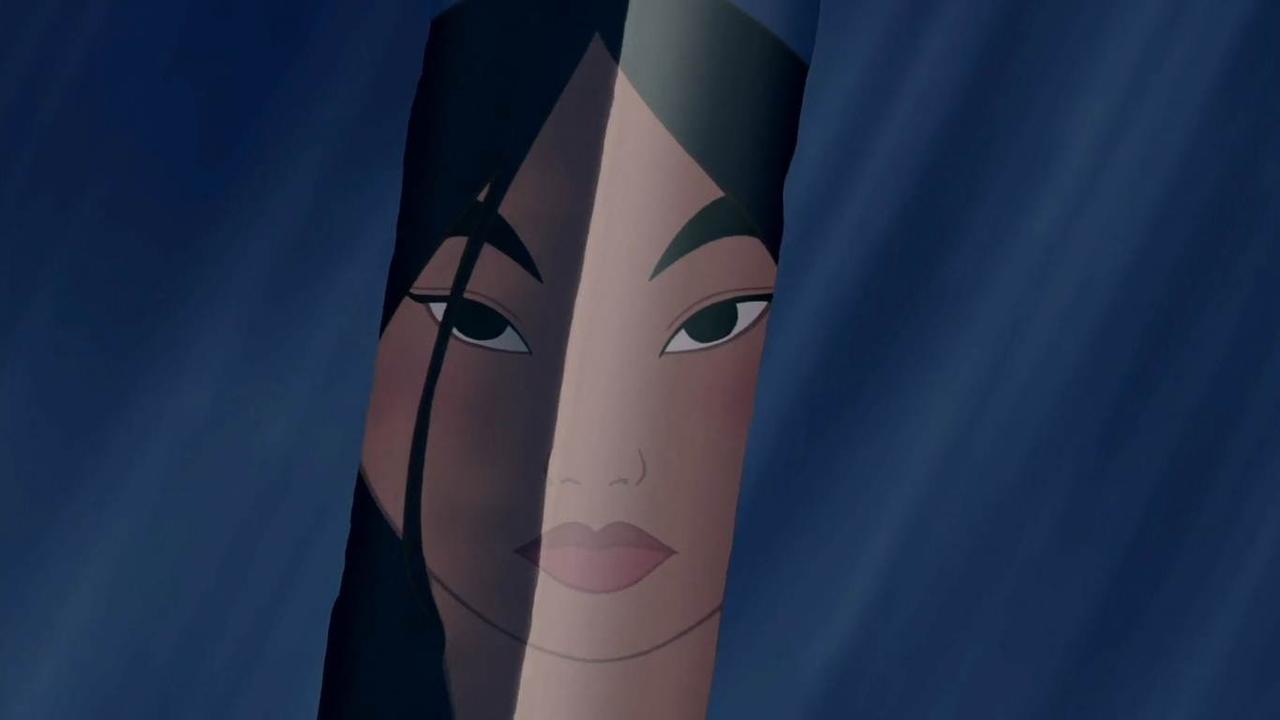
Right from those stunning opening sequences, evoking traditional Chinese scroll paintings brought to life, Mulan announced itself as something special. Directors Tony Bancroft and Barry Cook crafted a film that felt vast in scale – the imposing Great Wall, the formidable Hun army sweeping across snowy landscapes – yet intimately focused on the journey of one young woman. Based on the ancient Chinese legend of Hua Mulan, the story strikes a chord that resonates beyond its cultural origins: the deep desire to protect one's family and the struggle to find one's place when societal expectations feel like a cage. When Fa Mulan makes the heart-wrenching decision to secretly take her ailing father's place in the Imperial Army, disguised as a man named "Ping," you're instantly invested. It’s a powerful setup, beautifully conveyed without excessive hand-holding, trusting the audience to grasp the weight of her sacrifice.
More Than a Princess, A Warrior
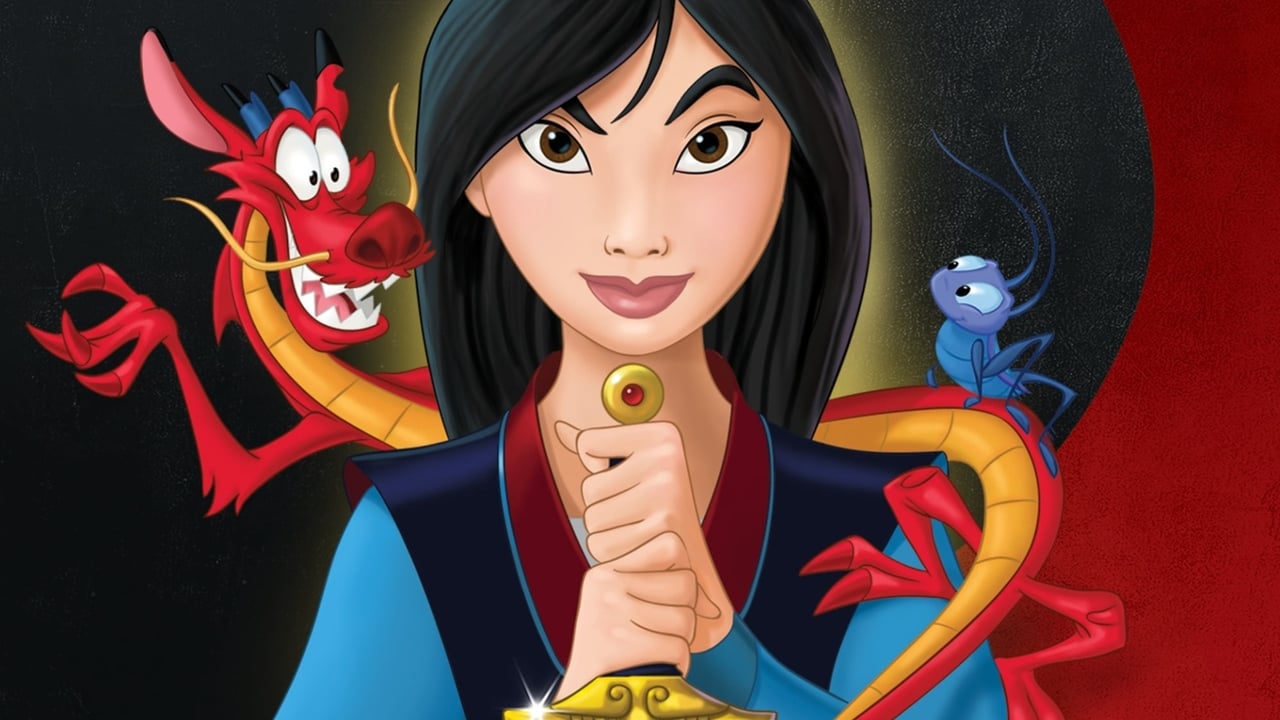
Disney had been evolving its heroines, but Mulan felt like a quantum leap. Voiced with perfect conviction and vulnerability by Ming-Na Wen (whose later turn as Melinda May in Agents of S.H.I.E.L.D. feels like a fitting extension of Mulan's badassery), she wasn't waiting for a prince; she was wielding a sword, enduring brutal training, and ultimately saving an empire through wit and bravery, not magic slippers. It’s her internal conflict, poignantly captured in the iconic song "Reflection" (sung beautifully by Lea Salonga, who also lent her singing voice to Princess Jasmine), that makes her so relatable. She’s clumsy, unsure, yet fiercely determined. We see her struggle, fail, and rise again, making her eventual triumphs feel incredibly earned. Her journey provided a powerful, much-needed narrative for kids everywhere – a message that strength comes in many forms, and true honor lies in being true to yourself.
Bringing the Laughs (and a Dragon)
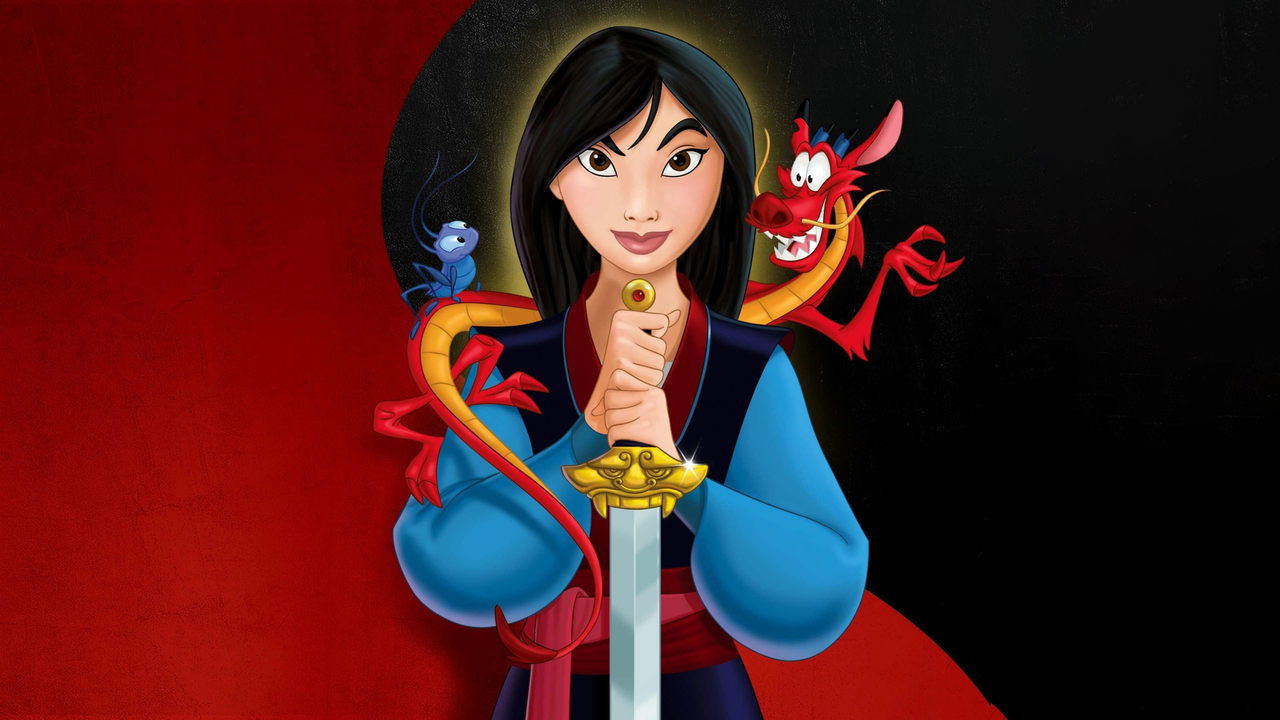
Of course, no late-era Disney Renaissance film was complete without scene-stealing sidekicks, and Mulan delivered in spades. Enter Mushu, the fast-talking, undersized dragon desperate to regain his guardian status, voiced with irrepressible energy by the legendary Eddie Murphy. Fresh off revitalizing his career with The Nutty Professor (1996), Murphy brought his signature comedic timing, turning Mushu into an unforgettable whirlwind of misplaced confidence and hilarious schemes. While some critics at the time found his modern humor occasionally jarring against the film's epic backdrop, for many of us watching on our boxy TVs, Mushu was pure gold – a necessary spark of levity amidst the drama and danger. He might not have been the most traditional guardian, but his loyalty to Mulan (even if self-serving at first) became genuinely heartwarming. He's perfectly complemented by the stoic, lucky cricket Cri-Kee, and Mulan's loyal horse, Khan.

Artistry in Motion
The animation in Mulan remains a high point for Disney. The studio famously sent a team of artists on a three-week trip to China to absorb the culture and landscape, and it shows. The character designs are distinct and expressive, but it's the backgrounds and action sequences that truly stun. The use of color is masterful, shifting from the serene pastels of Mulan's home life to the stark whites and grays of the mountain pass, and the vibrant golds and reds of the Imperial City. The CGI used to create the terrifying Hun army – thousands strong charging down a mountain – was groundbreaking for its time, seamlessly blended with traditional animation to create a sense of overwhelming scale never before seen in a Disney feature. It took a team of software engineers nearly two years to develop the "Atilla" crowd simulation software needed just for that sequence! And who could forget the "I'll Make a Man Out of You" training montage? It's a masterclass in visual storytelling and kinetic energy, perfectly capturing the transformation of Mulan and her fellow recruits from hapless conscripts to capable soldiers, all set to one of the catchiest Disney songs ever penned (Matthew Wilder and David Zippel absolutely nailed the soundtrack).
Retro Fun Facts & Legacy
- Mulan cost a hefty $90 million back in 1998 (that's roughly $165 million today!) but brought honor to the Mouse House, grossing over $304 million worldwide (around $558 million adjusted for inflation), proving audiences were ready for this kind of story.
- Captain Li Shang's speaking voice was provided by BD Wong (perhaps best known then from Jurassic Park (1993)), but his powerful singing voice belonged to none other than 70s teen idol Donny Osmond! An unlikely, but effective, combination.
- While Ming-Na Wen provided Mulan's speaking voice, the studio initially sought a separate singing voice. Lea Salonga, who had already wowed audiences as the singing voice of Jasmine in Aladdin (1992), landed the part after demonstrating she could sing in Mulan's lower register.
- The film's success helped launch the international career of a young Christina Aguilera, whose rendition of "Reflection" for the end credits became her debut single.
Mulan stands tall not just as a great animated film, but as a significant cultural marker. It offered powerful representation, a complex female lead who broke molds, and proved that Disney could tackle mature themes of war, sacrifice, and identity within a family-friendly framework. Its influence is undeniable, paving the way for more diverse stories and inspiring countless viewers. While the 2020 live-action remake took a different, more serious approach, the heart and soul of the story, for many of us, still reside firmly in this vibrant, funny, and deeply moving animated classic.
VHS Heaven Rating: 9/10
This rating reflects the film's gorgeous animation, unforgettable songs, compelling protagonist, successful blend of humor and drama, and enduring cultural impact. It wasn't just another princess movie; it was an epic adventure with real stakes and a heroine who truly earned her place as a legend. While Mushu's humor occasionally feels slightly anachronistic now, it was pitch-perfect for its time and remains genuinely funny. Mulan remains a masterpiece of the Disney Renaissance, a tape that absolutely deserved its well-worn status in our VCRs.
It’s a film that reminds you that the flower that blooms in adversity is the most rare and beautiful of all – a timeless message delivered with artistry and heart.