An American Tail: The Treasure of Manhattan Island
Okay, gather 'round the flickering glow of the metaphorical CRT, folks. Let's slide another tape into the VCR of memory. Remember browsing those towering shelves at Blockbuster or the local video store, eyes scanning for familiar faces? Sometimes, nestled between the blockbusters, you'd find a surprise: a brand-new adventure featuring characters you already loved, promising more stories beyond the big screen. That's precisely the feeling evoked by An American Tail: The Treasure of Manhattan Island, a 1998 direct-to-video offering that brought Fievel Mousekewitz back for another escapade, even if it flew under the radar compared to his theatrical outings.

### A Familiar Face, A New Quest
Released directly to VHS by Universal Cartoon Studios, this wasn't quite the Fievel some remembered from Don Bluth's poignant 1986 original or the sunnier, wilder Fievel Goes West (1991). Directed by Larry Latham, a veteran of television animation, The Treasure of Manhattan Island actually slots itself between those first two films chronologically. It finds the Mousekewitz family still settling into life in New York City, scratching out a living in their tenement home beneath the bustling human streets. Papa Mousekewitz (Nehemiah Persoff, thankfully reprising his warm, iconic role) dreams of a better life, while Fievel (voiced here by Thomas Dekker, taking over from Phillip Glasser) and Tanya (Lacey Chabert, stepping in for Cathy Cavadini) are finding their paws in the urban jungle.
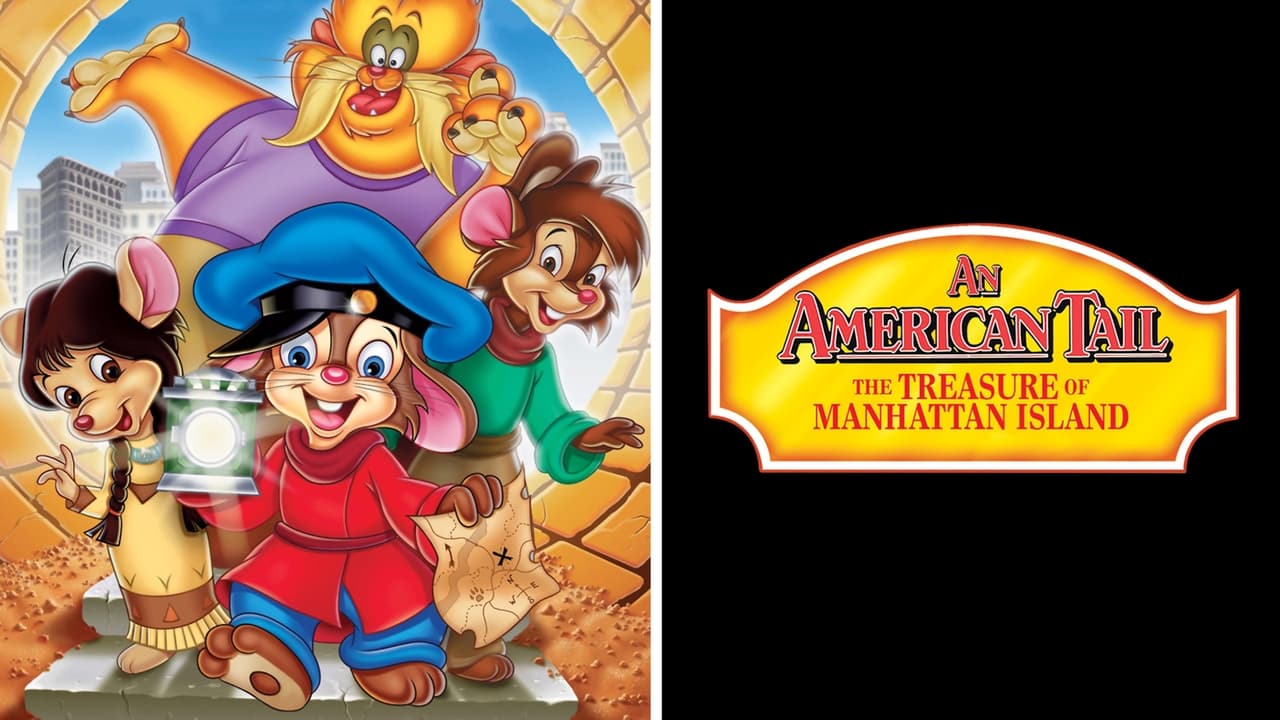
The plot kicks off when Fievel and his pal Tony Toponi stumble upon an old treasure map, seemingly left behind by the legendary mouse explorer, Dead-Eye Dan. This map points towards a hidden world beneath Manhattan, supposedly inhabited by a lost tribe of Native American mice living in harmony with nature, untouched by the harsh realities of the surface world (cats, humans, exploitation). Naturally, adventure calls! Fievel, Tony, and eventually Tanya, guided by the map and spurred on by the possibility of a better life for all mouse-kind (and maybe some shiny treasure), embark on a journey into the city's forgotten depths.
### Below the Streets of New York
What follows is a gentle adventure narrative, penned by Len Uhley, Elana Lesser, and Cliff Ruby, that feels very much in line with the expanding universe of animated television series common in the late 90s. The stakes feel a bit lower than Fievel facing Cossack cats or villainous industrialists. Here, the main antagonists are scheming sweatshop bosses exploiting poor mouse workers, Cholena (the Native mouse princess)'s overly cautious father, and the inherent dangers of navigating crumbling subway tunnels and underground rivers. It trades the darker, more allegorical tones of the original film for something simpler and more episodic.
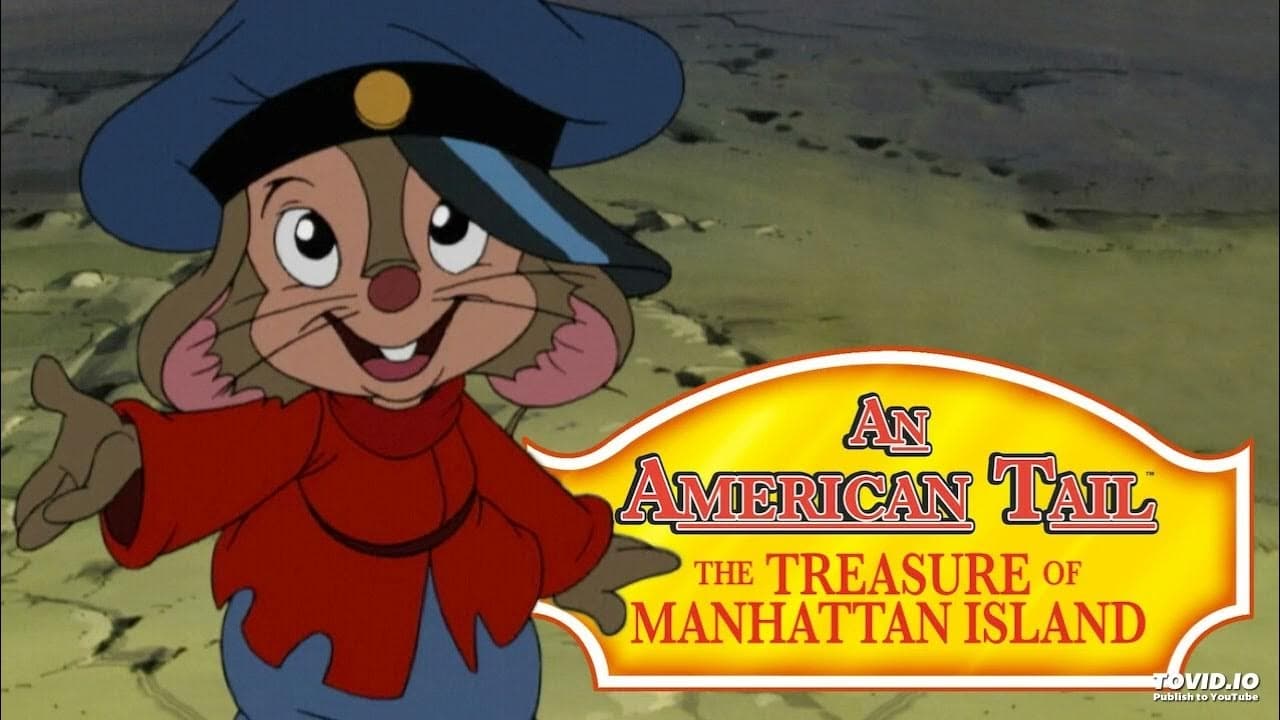
The animation, while competent for its direct-to-video origins, understandably lacks the fluidity and rich detail of the Bluth-helmed original or even the Amblimation gloss of Fievel Goes West. It’s clean, colourful, and gets the job done, very much in the style of Universal's other DTV output of the era, like the numerous Land Before Time sequels. It's functional rather than breathtaking, perfectly suited for repeat viewings on a Saturday morning after the cartoons finished.
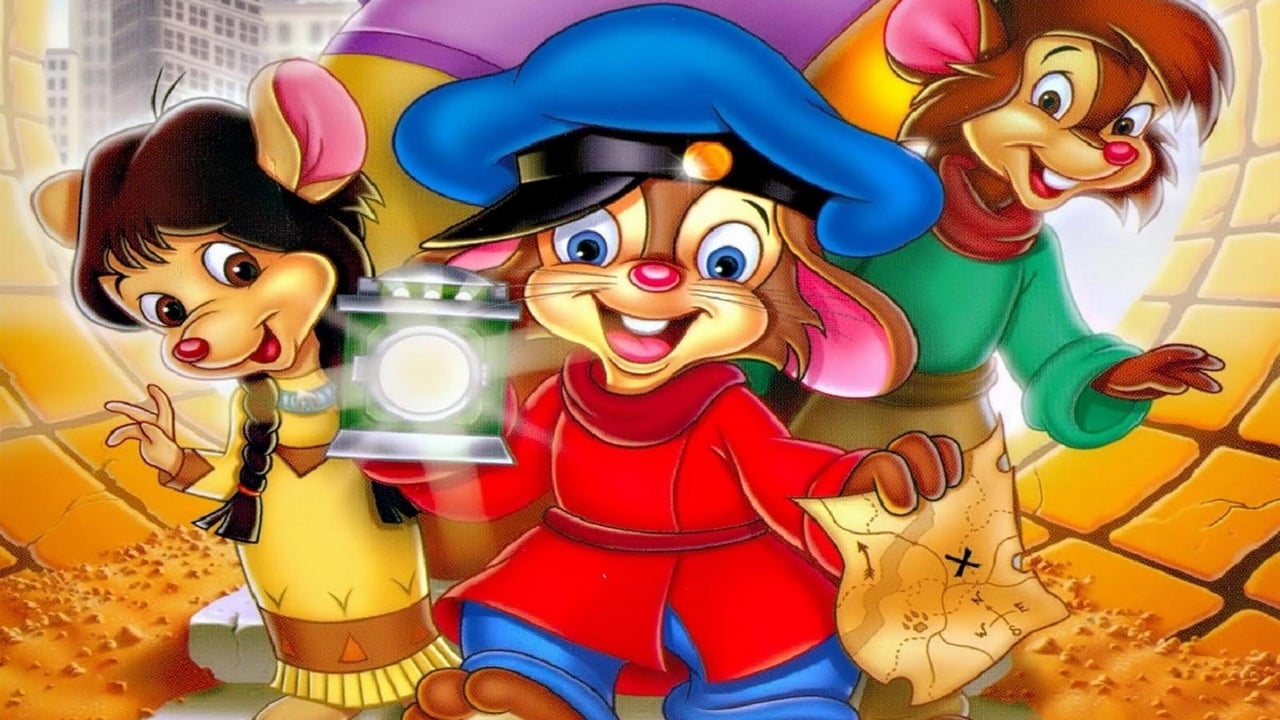

Thomas Dekker does a fine job capturing Fievel's adventurous spirit, while Lacey Chabert, already a familiar voice from shows like The Wild Thornberrys, brings sweetness and burgeoning independence to Tanya. Hearing Nehemiah Persoff return as Papa is a genuine treat, lending the film a vital thread of continuity and warmth. The new characters, like the members of the Lenape mouse tribe, are pleasant additions, though perhaps not as instantly memorable as Tiger or Cat R. Waul from previous installments.
### Retro Fun Facts: Unearthing DTV Details
- Timeline Tango: The decision to set this story before Fievel Goes West is interesting. It allows the writers to explore the Mousekewitz family's early New York struggles without contradicting their later move West.
- Voice of Experience: Director Larry Latham had a long career in TV animation, working on shows like DuckTales, TaleSpin, and Chip 'n Dale Rescue Rangers before moving into directing DTV features.
- DTV Boom: This film arrived during the peak of the direct-to-video animated sequel boom, where studios realized there was a hungry home market for more content based on established theatrical hits. It was followed just a year later by An American Tail: The Mystery of the Night Monster (1999).
- Musical Moments: Like its predecessors, Treasure of Manhattan Island features original songs, though they arguably don't quite reach the iconic status of "Somewhere Out There" or "Dreams to Dream." They serve the story well enough within the film's context.
### A Gentle Echo of Adventure
An American Tail: The Treasure of Manhattan Island isn't likely to convert anyone who wasn't already charmed by Fievel's earlier adventures. It lacks the emotional depth and artistic ambition of the original, and the rollicking energy of the first sequel. However, viewed through the lens of late-90s home video nostalgia, it holds a certain gentle appeal. It’s a comfortable, familiar return to characters we care about, offering a perfectly pleasant, if unremarkable, hour-plus of animated entertainment. It felt like catching up with old friends, even if their latest story wasn't quite as epic as their first. For kids who grew up renting these sequels, it was simply more Fievel, and sometimes, that was exactly what you wanted from a trip to the video store.
VHS Heaven Rating: 6/10
Justification: The rating reflects the film's status as a competent but standard direct-to-video sequel. It provides mild entertainment and nostalgia for fans of the franchise, featuring decent animation for its market and the welcome return of Nehemiah Persoff. However, it lacks the impact, originality, and artistry of the first two films, with a simpler plot and less memorable songs. It's a pleasant-enough watch, a solid mid-range entry typical of the era's DTV output.
Final Thought: While it might not be buried treasure itself, The Treasure of Manhattan Island is a perfectly amiable map back to a simpler time in animation, when finding a new Fievel adventure on VHS felt like discovering a small, comforting prize on the rental shelf.