Okay, fellow tapeheads, let’s rewind to a time when renting a movie was an event, the tracking might need adjusting, and comedy could be gloriously, unapologetically stupid. Slide that worn cassette of BASEketball (1998) into the VCR, because we’re revisiting a film that perfectly captured the tail-end of the 90s, blending the Zucker spoof machine with the anarchic energy of two guys who were rapidly becoming infamous for a certain animated show set in Colorado.
### Driveway Dreams and Corporate Schemes
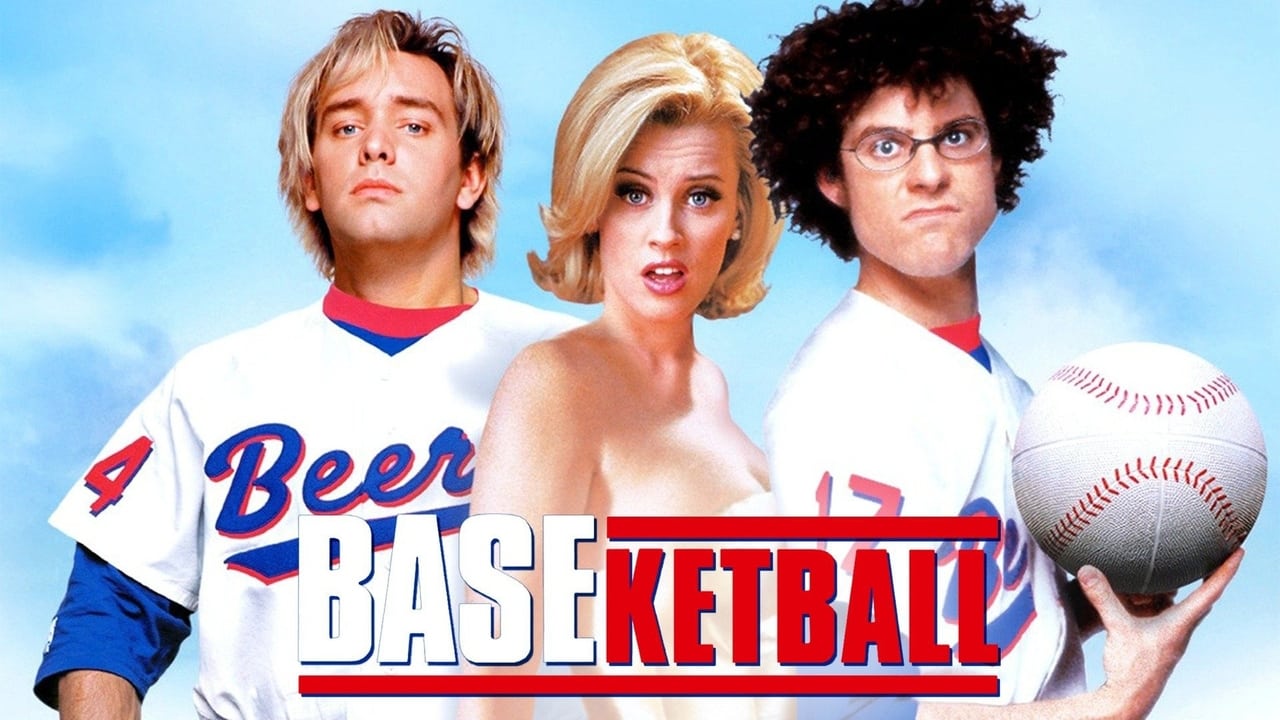
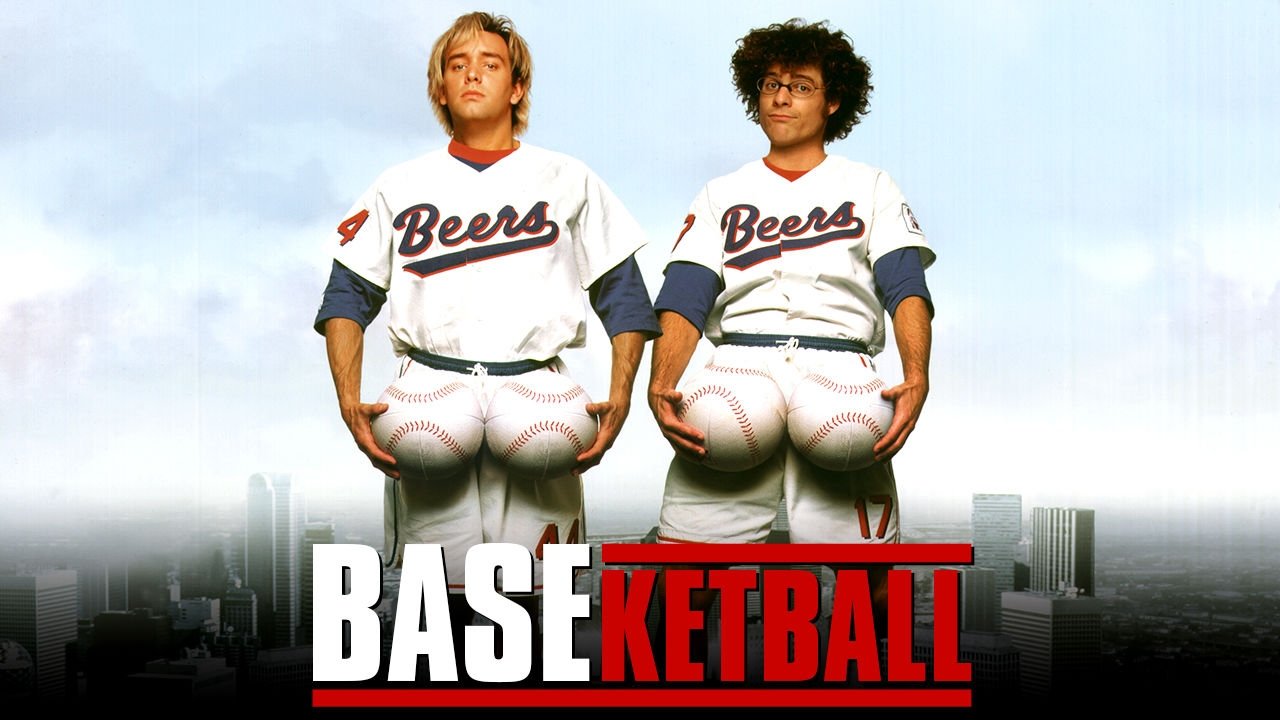
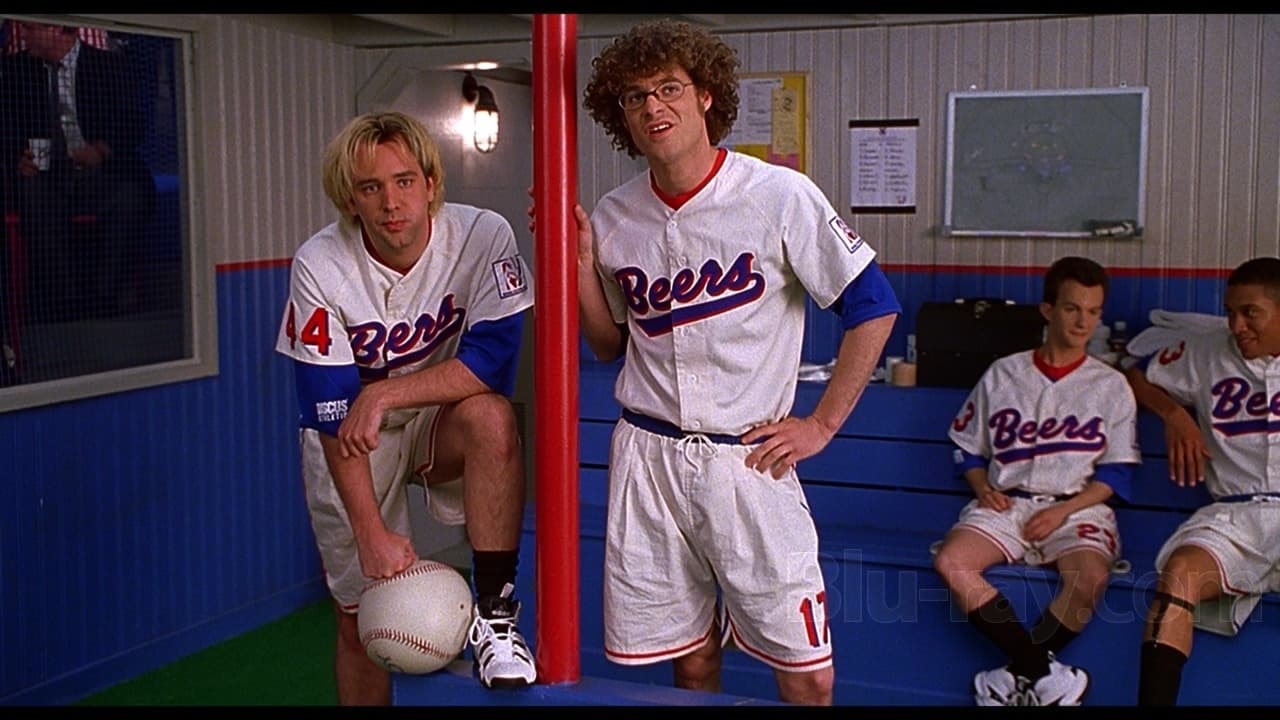
Remember stumbling across this box on the rental shelf? Maybe nestled between a serious drama and a high-octane action flick, its very premise felt like a dare. Two slackers, Joe Cooper (Trey Parker) and Doug Remer (Matt Stone), invent a sport combining basketball and baseball in their driveway purely to level the playing field against jocks. The core rule? Distraction is key. Psychological warfare, or "psych-outs," becomes the main offensive weapon. What starts as pure, unadulterated goofing off somehow spirals into a national phenomenon, complete with sponsorships, a league, and inevitably, corporate greed threatening its soul. It’s a concept so brilliantly dumb, it’s almost genius, cooked up by David Zucker, a name synonymous with laugh-a-minute comedy thanks to his legendary work on Airplane! and The Naked Gun series.
### The Zucker Punch Meets South Park Smirk
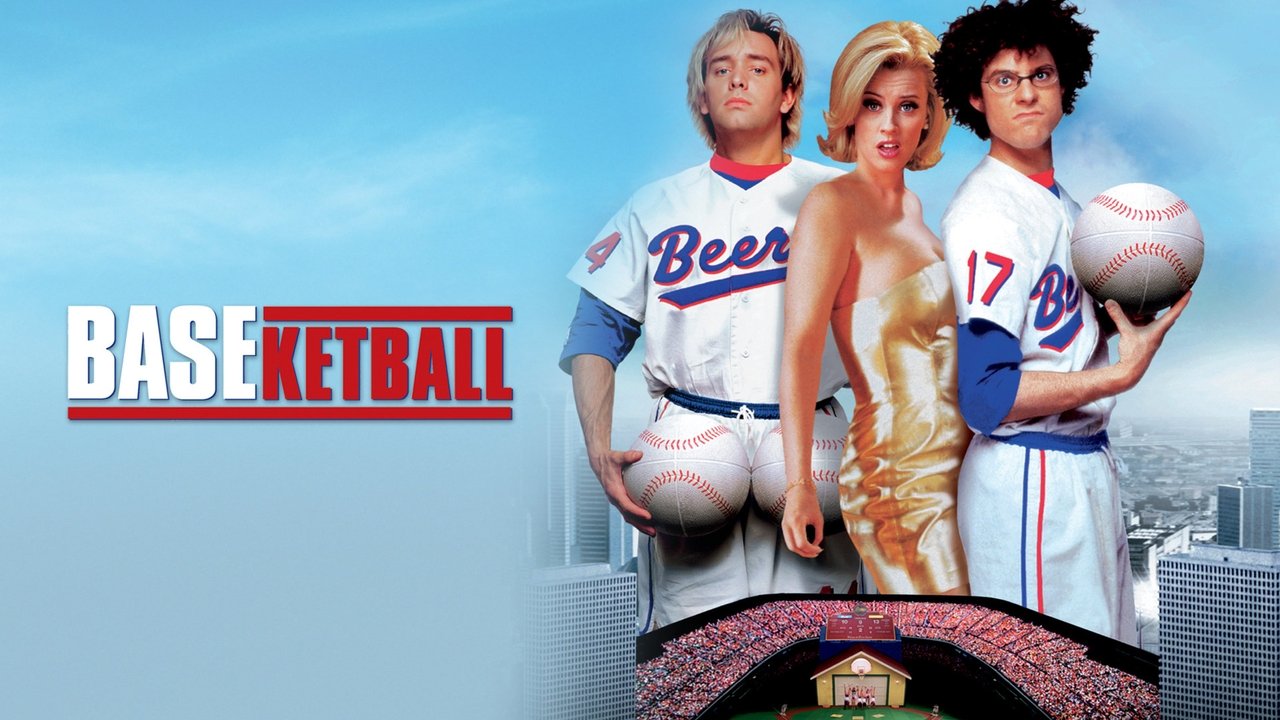
This film feels like a fascinating collision of comedic styles. You absolutely get Zucker's signature rapid-fire visual gags, puns, and non-sequiturs – think unexpected background absurdity and deadpan deliveries. But filtered through the sensibilities of Parker and Stone, fresh off the explosive debut of South Park just the year before, the humour takes on a cruder, more intentionally offensive edge. It’s a brew that’s undeniably late-90s: part clever spoof, part gross-out humour, and entirely committed to its own ridiculousness. Interestingly, Zucker reportedly wanted to dial back the sheer density of jokes compared to his earlier work, aiming for something slightly different. Whether he succeeded is debatable, but the result is unique. The film leans heavily on Parker and Stone's already established slacker chemistry, honed through their early indie work like Cannibal! The Musical. They aren't polished actors, but their natural rapport carries much of the film's charm.
### Psych-Outs and Practical Gags
Forget intricate CGI explosions; the "action" here is all about the glorious stupidity of the psych-outs. These sequences are where the film truly shines, allowing for a barrage of surreal, offensive, and often hilarious cutaway gags. From revealing embarrassing childhood secrets to elaborate, nightmarish scenarios involving questionable surgery or giant insects, the invention knows few bounds. These aren't digital creations; they rely on timing, performance, and good old-fashioned practical comedic setups. Remember the sheer audacity of some of those moments? They felt outrageous back then, tapping into that boundary-pushing spirit that South Park was making mainstream. It's worth noting that the game itself wasn't just a movie invention; Zucker and his friends apparently conceived and played a version of BASEketball years earlier, proving truth can sometimes be as strange (and silly) as fiction.
### A Cast of Characters (and Cameos)
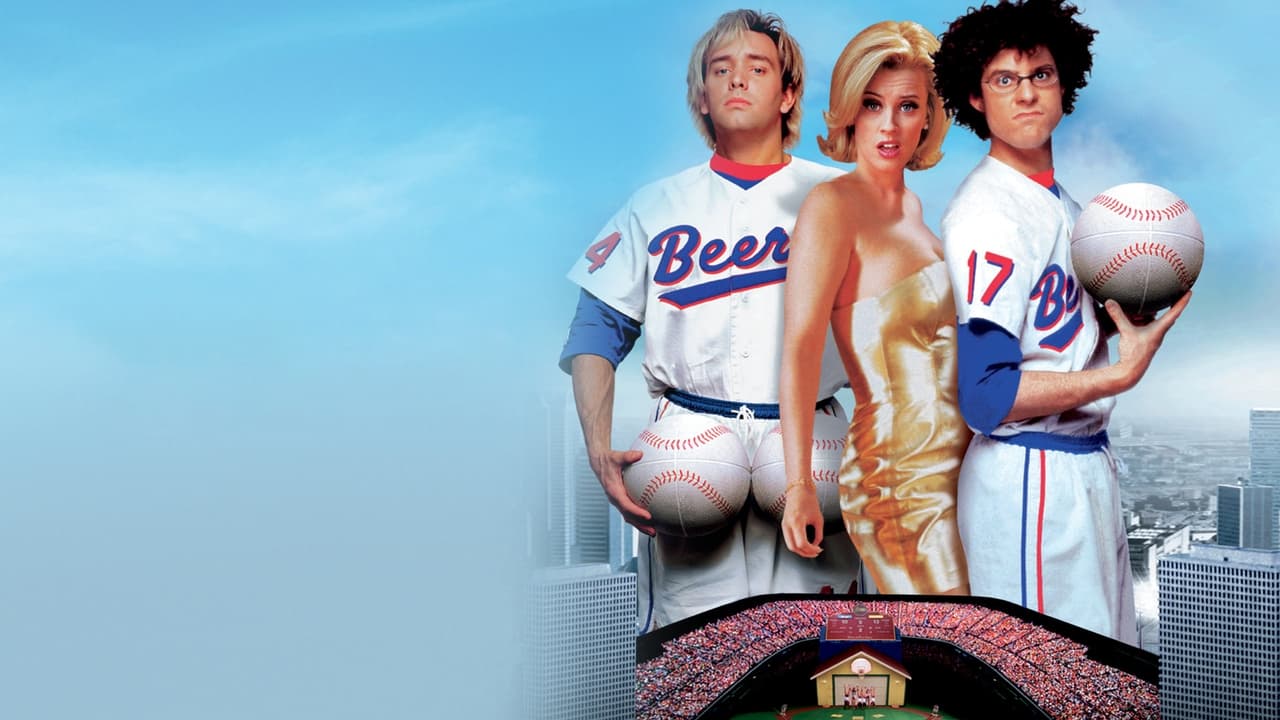
Beyond our central duo, the film is populated by familiar faces chewing the scenery. Robert Vaughn, typically known for suave roles like Napoleon Solo in The Man from U.N.C.L.E., clearly has a blast as the slimy corporate villain Baxter Cain, scheming to commercialize BASEketball with rule changes like allowing players to switch teams for money (the horror!). Yasmine Bleeth and Jenny McCarthy fill the requisite 90s love interest/eye candy roles, delivering exactly what the script asks of them within the film’s often juvenile framework. And seeing the legendary Ernest Borgnine, an Oscar winner no less, appear as wealthy team owner Ted Denslow adds a delightful layer of absurdity. Plus, the film is peppered with sports commentator cameos – Bob Costas and Al Michaels gamely parodying themselves, adding another layer to the sports satire.
### From Box Office Dud to Cult Favourite
Let’s be honest, BASEketball didn't exactly set the box office on fire back in '98. Pulling in only about $7 million against a reported $23 million budget, it was considered a flop. Critics weren't overly kind either, often finding the humour scattershot or overly crude. But isn't that the story of so many VHS gems? Ignored or dismissed initially, they found their true audience on home video. Renting this tape, maybe with a group of friends late at night, felt like discovering a secret handshake – a movie that wasn't afraid to be dumb, offensive, and relentlessly silly. It perfectly captured a specific moment in comedy, and for those attuned to its wavelength, it delivered genuine laughs. Its legacy isn't about critical acclaim; it's about the knowing nods and quoted lines shared between fans who remember discovering this oddball comedy on the rental store shelf.
---
VHS Heaven Rating: 6.5/10
Justification: While undeniably flawed – the plot is thin, some jokes fall flat, and it relies heavily on crude humour – BASEketball earns its points for sheer comedic audacity, the unique blending of Zucker's spoof mastery with Parker and Stone's emerging anarchic style, and some genuinely memorable, laugh-out-loud psych-out sequences. It’s not high art, but it perfectly encapsulates a certain late-90s comedic sensibility and has rightly found its cult audience. The energy of Parker and Stone is infectious, even if the film around them isn't always consistent.
Final Thought: BASEketball is like that goofy friend you had in high school – maybe not the sharpest, definitely prone to saying inappropriate things, but undeniably fun to hang out with when you just wanted to turn your brain off and laugh. A perfect specimen of late-era VHS comedy weirdness.