Alright, fellow tapeheads, slide that well-loved copy of Galaxy Quest into the VCR (you know, the one with the slightly chewed label from that time you paused it mid-pizza bite). Forget the pristine digital streams for a moment; let's remember the thrill of discovering this absolute gem nestled amongst the sci-fi comedies on the rental shelf back in '99. It looked like maybe just another Star Trek spoof, right? Maybe something starring Tim Allen, fresh off his Home Improvement tool belt, felt like a bit of a gamble. But oh, what awaited us was so much more: a film brimming with wit, surprisingly thrilling action, and a giant, loving heart that beat in perfect sync with every fan who ever believed in the final frontier.
### By Grabthar's Hammer, What a Concept!
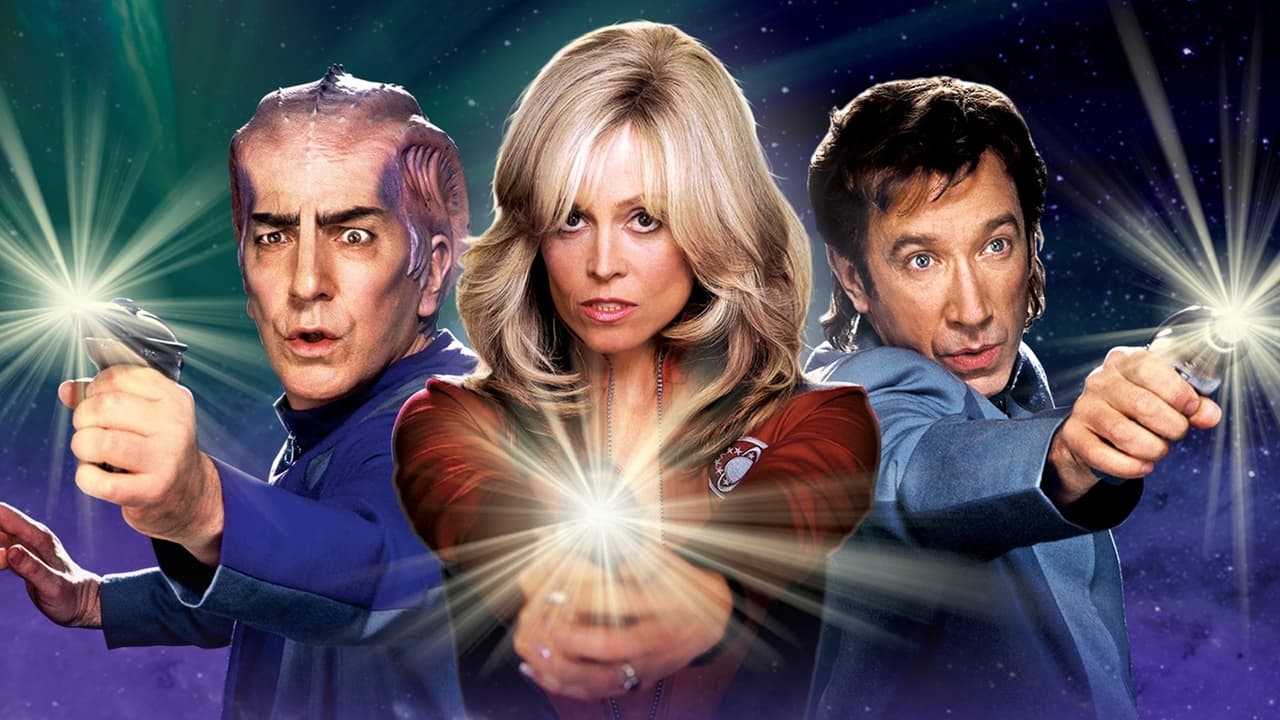
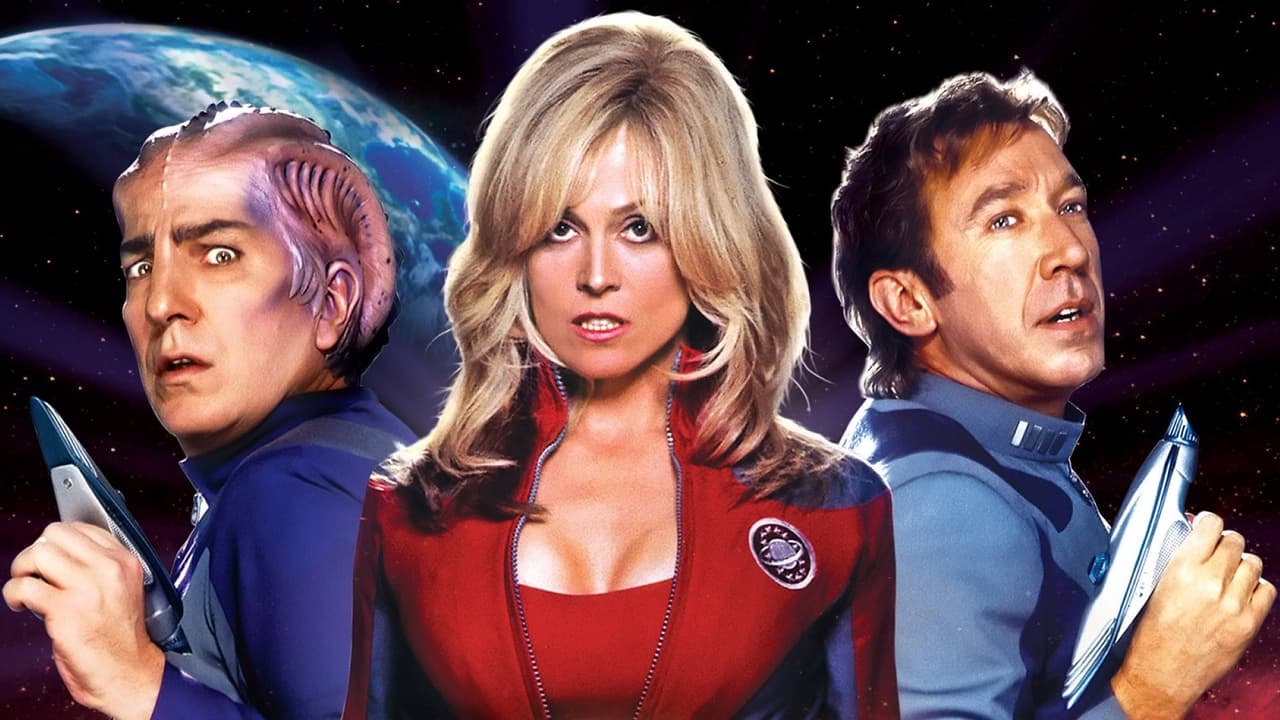
The setup is pure gold: the washed-up cast of a cancelled, cult-classic sci-fi show ("Galaxy Quest," naturally) spends their days signing autographs at conventions and opening supermarkets, forever trapped by their iconic, yet increasingly embarrassing, roles. Tim Allen nails the swagger and insecurity of Jason Nesmith, the Shatner-esque commander. Sigourney Weaver, in a fantastic comedic turn far from her Ripley days in Alien (1979), is Gwen DeMarco, forever lamenting her character's sole function: repeating the ship's computer. And then there's the late, magnificent Alan Rickman as Sir Alexander Dane, a classically trained actor reduced to wearing prosthetic head-fins and spouting his character Dr. Lazarus's catchphrase ("By Grabthar's hammer, by the suns of Warvan, you shall be avenged!") through gritted teeth. Rickman’s performance is a masterclass in weary exasperation, apparently drawing inspiration from his own feelings about repetitive typecasting and perhaps even stories he'd heard about Leonard Nimoy's relationship with Spock.
Their dreary routine is shattered when actual aliens, the Thermians, arrive. Having mistaken the show's transmissions for historical documents, they've built a working replica of the NSEA Protector and need Nesmith and his crew to save them from the reptilian warlord Sarris (Robin Sachs, chewing scenery with delightful menace). The genius here is how the film uses this fish-out-of-water premise not just for laughs, but to explore themes of belief, heroism, and the often-blurred line between fiction and the impact it has on real lives.
### More Than Just a Parody
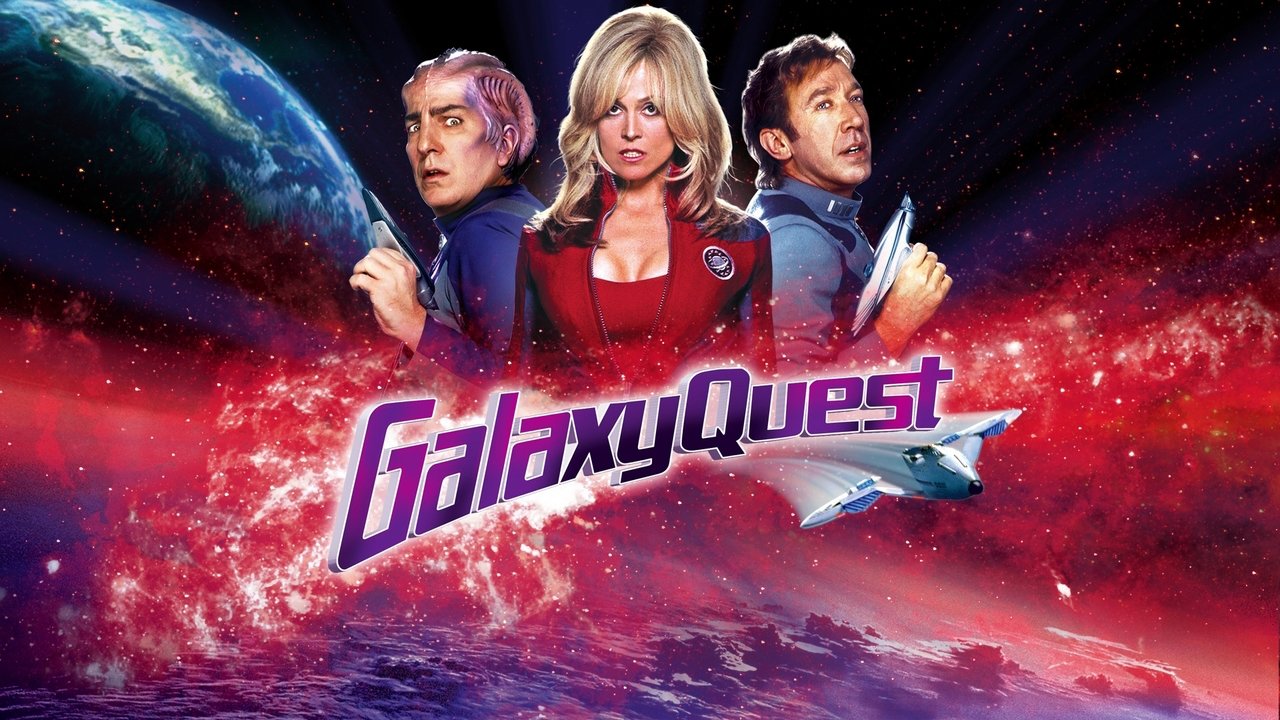
While Galaxy Quest lovingly sends up countless sci-fi tropes – the expendable crewman (poor Sam Rockwell as Guy Fleegman, terrified he's the redshirt), the nonsensical tech babble, the dramatic space battles – it never feels mean-spirited. Director Dean Parisot, who would later helm RED 2 (2013), strikes a perfect balance. The comedy lands beautifully, derived from character and situation rather than cheap gags. Who can forget Tony Shalhoub's perpetually laid-back Fred Kwan casually munching space snacks during mortal danger, or Daryl Mitchell's Tommy Webber trying to actually pilot the ship he only pretended to fly? The script, polished by Robert Gordon from an idea by David Howard, is razor-sharp, finding humor in the actors' struggles to live up to their fictional personas when faced with genuine stakes. It's a Retro Fun Fact that the original concept was apparently darker and more satirical before DreamWorks and producer Steven Spielberg championed a warmer, more fan-centric approach.
The film also manages some genuinely thrilling moments. The escape from the rock monster planet – filmed evocatively in Utah's Goblin Valley State Park – is a standout sequence. Sure, the Rock Monster itself is a blend of practical puppetry and late-90s CGI that might look a bit dated now, but back then? It felt tangible, weighty. ILM handled the effects, and they brought a sense of real-world texture to the Protector and the various alien designs that holds up surprisingly well. Remember how intense that sequence navigating the "chompers" felt? All timed practically, demanding precise choreography from the actors running through the set. That’s the kind of nerve-wracking, physical filmmaking that defined the era.
### The Little Ship That Could
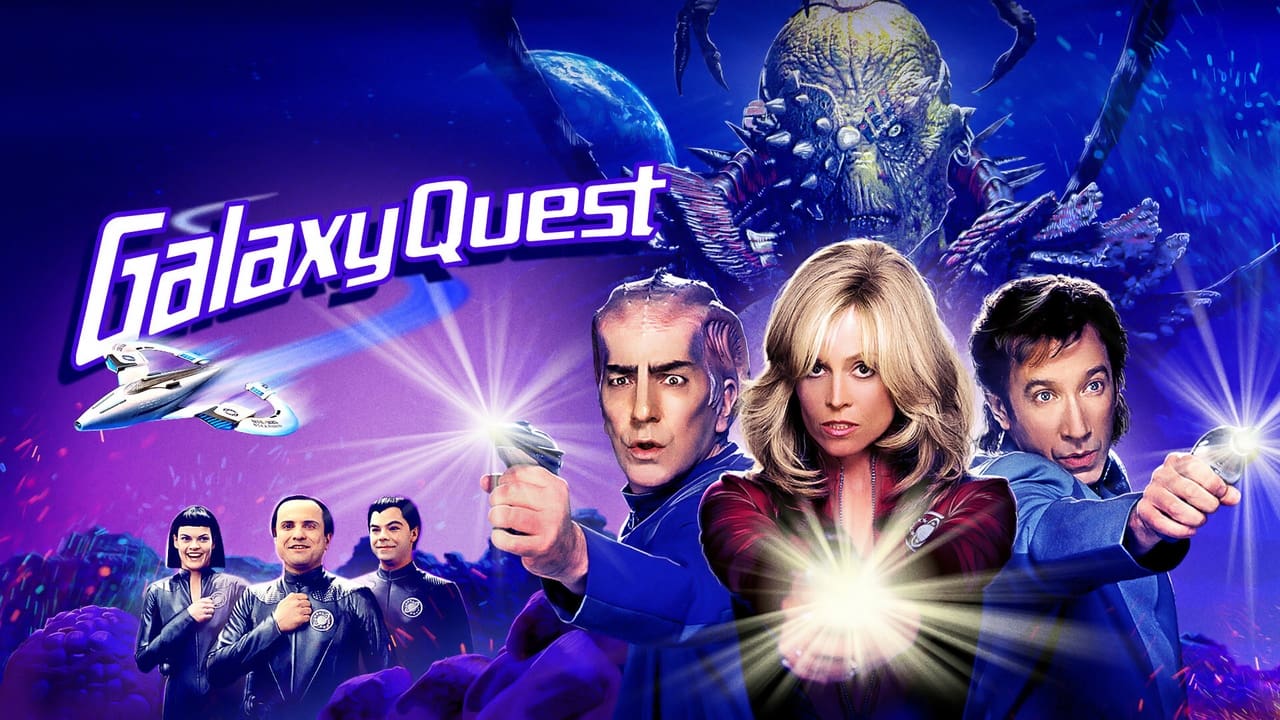
Galaxy Quest wasn't a box office behemoth upon release – earning about $90 million worldwide against a $45 million budget – but its reputation grew exponentially on home video and through word-of-mouth. It became a beloved cult classic, particularly embraced by the very sci-fi fans it gently ribbed. It’s often hailed, only half-jokingly, as one of the best Star Trek movies ever made, capturing the optimism and camaraderie of Roddenberry's vision better than some official entries. Its influence is undeniable, paving the way for other meta-comedies and demonstrating how affection, not cynicism, can fuel brilliant satire. There have been whispers of sequels or TV series for years, a testament to the enduring love for these characters and their unlikely adventure.
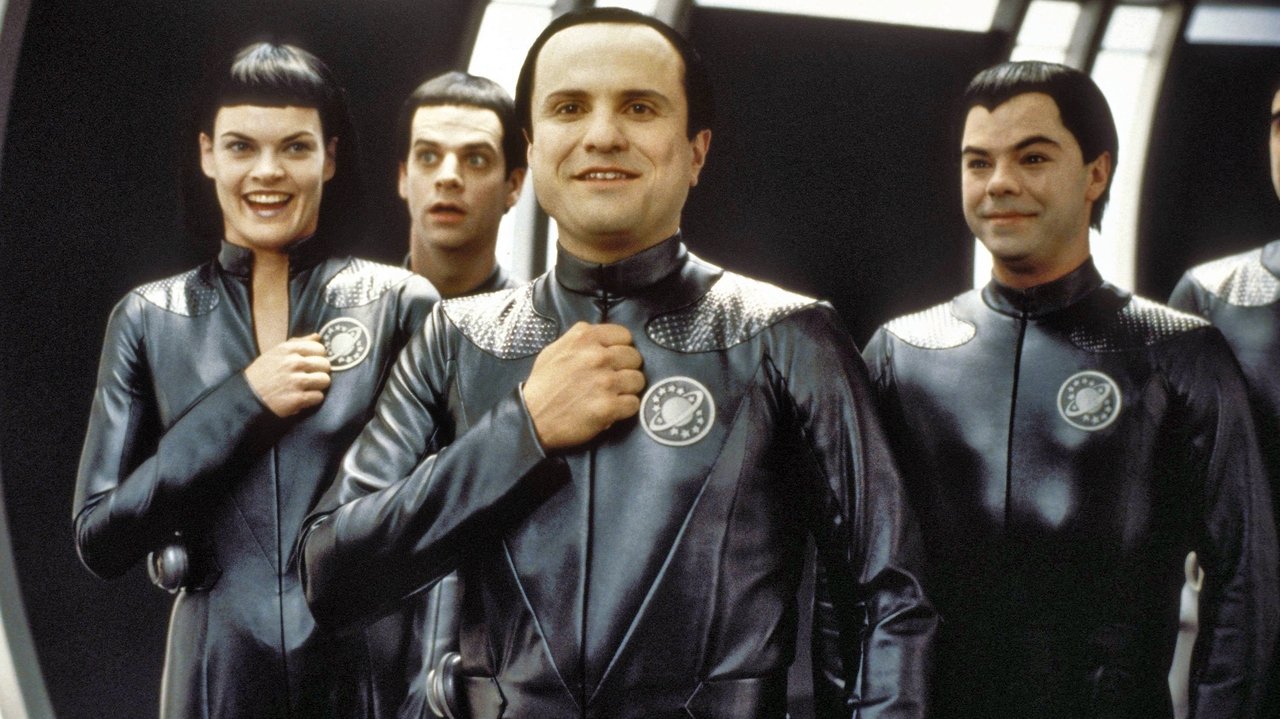
The supporting cast, the Thermians especially, are wonderful. Their naive sincerity and literal interpretation of Earth television provide endless comedic opportunities, but also genuine pathos. Their unwavering belief in the Galaxy Quest crew is ultimately what inspires the jaded actors to become the heroes they pretended to be. It’s this emotional core that elevates the film beyond mere parody.
Rating: 9/10
This score feels absolutely earned. Galaxy Quest is a near-perfect blend of sharp satire, laugh-out-loud comedy, genuine heart, and surprisingly effective sci-fi action. The cast chemistry is electric, the script is wonderfully clever, and it achieves that rare feat of appealing to both hardcore fans and casual viewers alike. It respects the source material it parodies while telling its own unique and satisfying story.
Final Thought: In a galaxy cluttered with cynical deconstructions, Galaxy Quest remains a shining beacon – a reminder that sometimes, the most heroic thing you can do is simply believe, even if you’re just reciting lines from an old TV show. Never give up, never surrender finding those VHS tapes that still spark pure joy.