Okay, rewind your mind palace, eject that copy of Die Hard for a sec, and slap this bright orange cassette into the VCR. The tracking might be a little fuzzy, the sound pure stereo hiss, but get ready. "Welcome to Good Burger, home of the Good Burger, can I take your order?" If that phrase doesn't instantly transport you back to a specific flavour of mid-90s Nickelodeon absurdity, maybe check your flux capacitor. Good Burger (1997) wasn’t just a movie; it felt like an extended episode of All That beamed directly onto the big screen, and honestly, finding this tape at the rental store felt like discovering treasure.
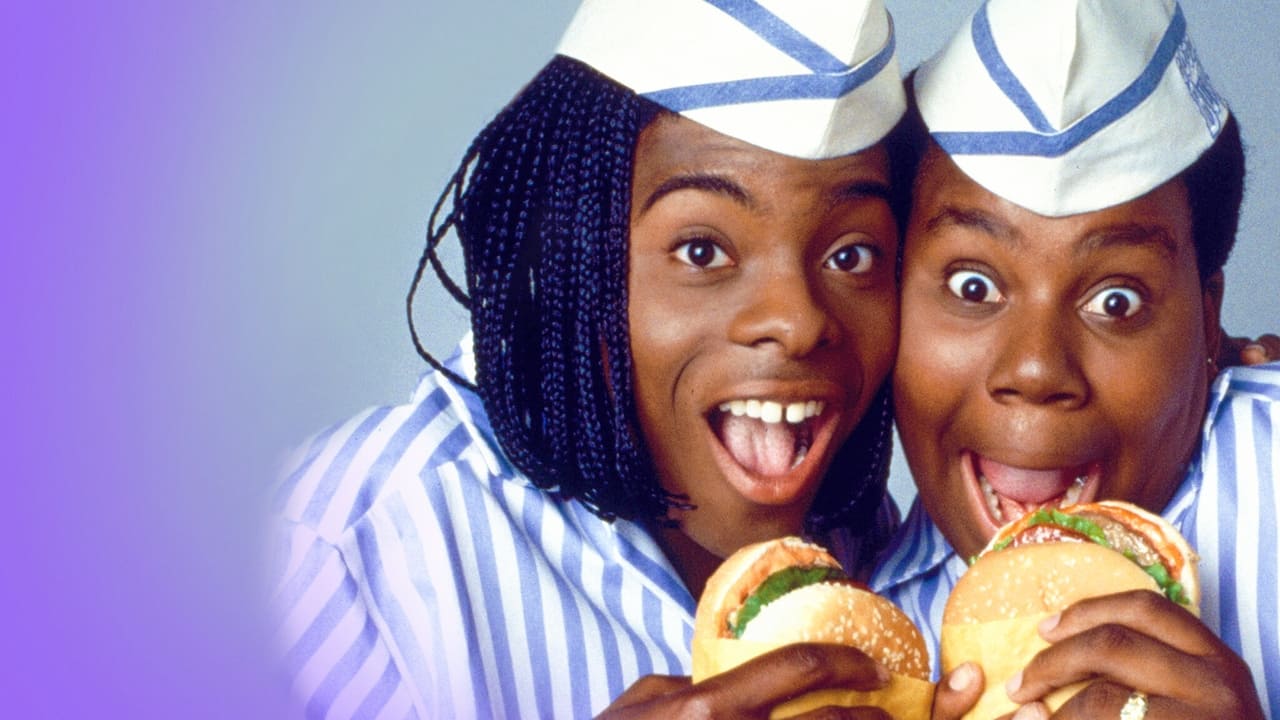
Based on the recurring sketch from the beloved kids' variety show, the premise is wonderfully simple: slacker high school student Dexter Reed (Kenan Thompson, already showing the comedic timing that would make him an SNL legend) needs summer cash after crashing his mom's car (driven, hilariously, by Sinbad in peak 90s form). He lands a job at the perpetually struggling Good Burger, home to the lovably clueless Ed (Kel Mitchell, embodying the character he made famous with infectious, almost surreal energy). Their fast-food haven is threatened by the monolithic, high-tech Mondo Burger opening across the street, run by the cartoonishly villainous Kurt Bozwell (Jan Schweiterman). Can Dexter's schemes and Ed's secret sauce save the day?
### Dude, Where's My Mondo Burger?
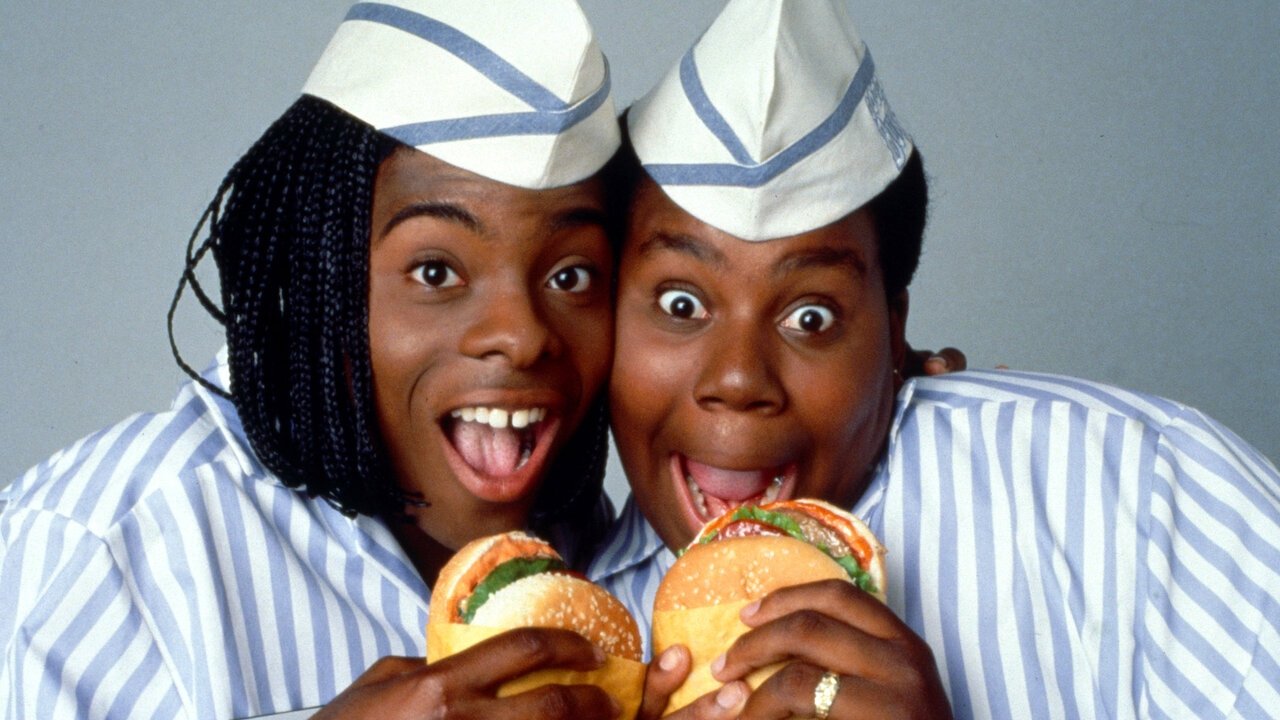
Let's be real, the plot isn't exactly Chinatown. It's a classic underdog story painted in bright, primary colours, fueled by slapstick and catchphrases. But what elevated Good Burger beyond just a cynical cash-in was the undeniable chemistry between Kenan Thompson and Kel Mitchell. These guys were Dexter and Ed. Their rhythm, honed over years on All That, felt effortless. Kenan played the perfect straight man (well, straighter man) to Kel's inspired lunacy. Remember watching them riff off each other? It felt spontaneous, even within the scripted lines, a kind of energy rarely captured so purely in kids' comedies today.
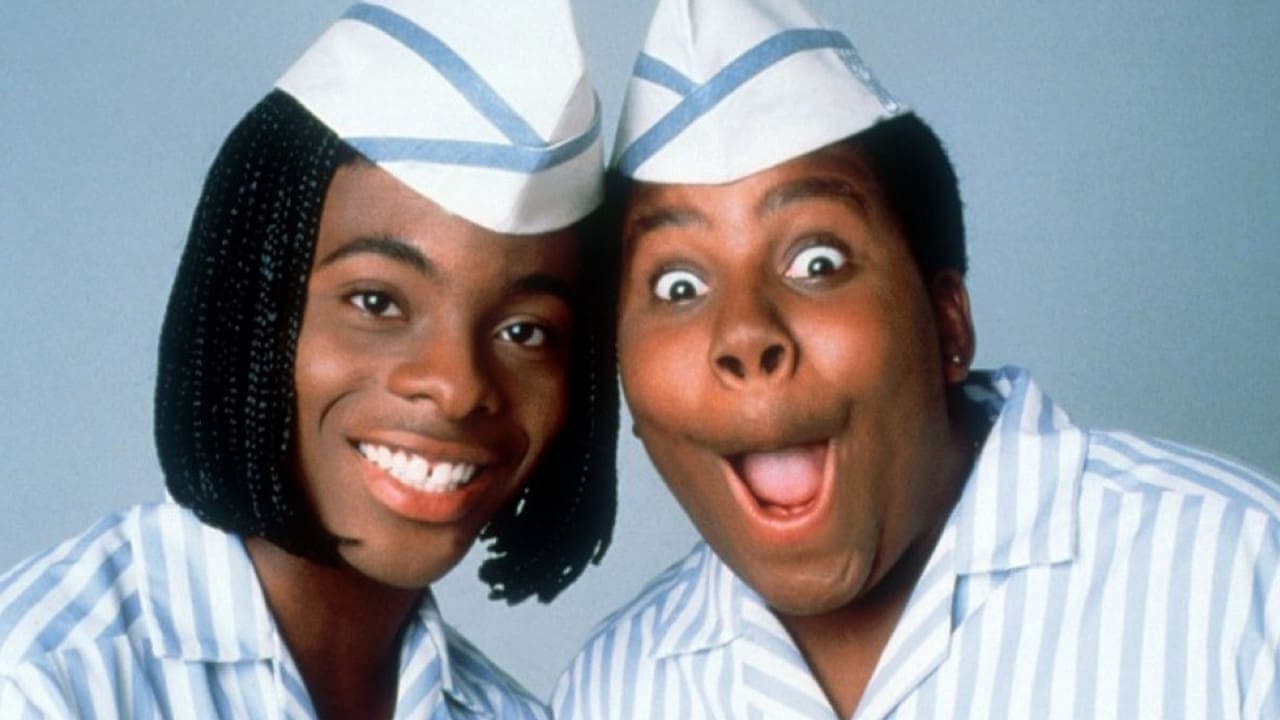
Director Brian Robbins, who had deep roots in Nickelodeon productions (and would later direct films like Varsity Blues), understood exactly what made the sketch work: letting Kenan and Kel be Kenan and Kel. He wisely keeps the focus tight on their dynamic and the escalating absurdity. The film cost a relatively modest $8.5 million to make – peanuts even then for a studio picture – but it wisely spent its money on visual gags and capturing that specific brand of goofy energy, eventually pulling in over $23 million, proving the power of the Nick generation.
### That Sauce Ain't CGI
Okay, maybe "action" isn't the right word, but the physicality of Good Burger feels incredibly tangible in a way modern comedies often smooth over. Think about the sheer messiness! Ed's chaotic attempts at customer service, the flying food, the disastrous deliveries – it all feels grounded, even when it's completely over-the-top. Remember the giant burger mobile? That wasn't some sleek digital creation; it was a real, clunky, probably barely drivable prop that perfectly encapsulated the film's charm.
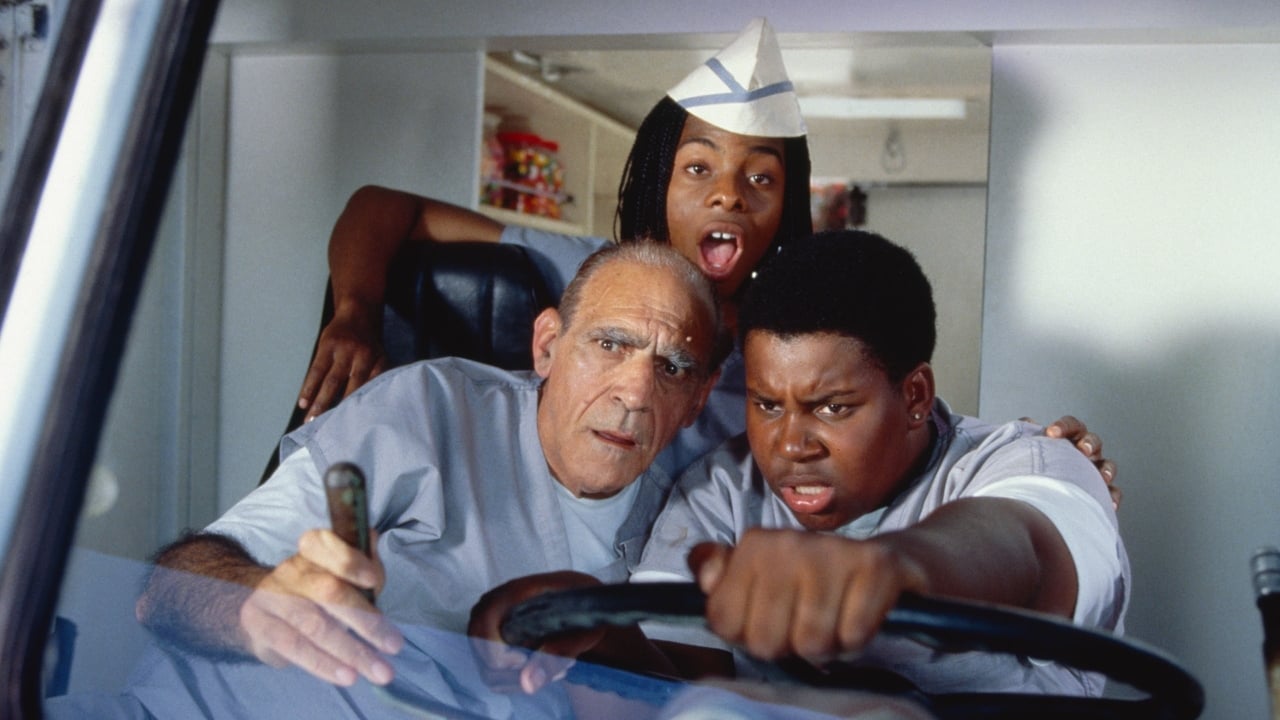
And Ed's Sauce! That mysterious concoction looked genuinely... viscous. The glowing, vaguely orange goo felt like something a kid might actually dream up, not a perfectly rendered digital effect. The climactic scenes at Mondo Burger, with its ridiculously oversized burgers and conveyor belts gone haywire, rely on practical sets and props that creak and wobble just enough to feel real within the cartoonish world. It’s a far cry from the seamless, often weightless effects we see now. There’s a tactile quality to the mayhem here that just hits different on a fuzzy VHS playback. Even the supporting cast, like the eternally exasperated Mr. Baily (Dan Frischman, reprising his Head of the Class nerdy energy) or the lovely Linda Cardellini (yes, that Linda Cardellini from Freaks and Geeks and ER!) in one of her earliest roles as the asylum patient Heather who thinks Ed is beautiful, add to this grounded-yet-goofy reality.
### A Side of Retro Fun Facts
Digging through the archives (or, you know, the early internet), you find little nuggets about Good Burger. The film was shot primarily in West Covina, California, transforming existing locations into the iconic fast-food joints. Shaquille O'Neal makes a memorable cameo – apparently, he was a huge fan of the original sketch and happily agreed to appear. And let's not forget the soundtrack, featuring the absolute earworm theme song "We're All Dudes" by Less Than Jake, perfectly capturing that 90s pop-punk energy, plus a groovy appearance by the Parliament-Funkadelic legend George Clinton himself as one of the Demented Hills Asylum patients. Critics at the time? Mostly baffled, giving it fairly poor reviews. But audiences, especially kids who grew up on All That, absolutely ate it up. It found its true home on VHS and cable, becoming a sleepover staple.
### The Verdict
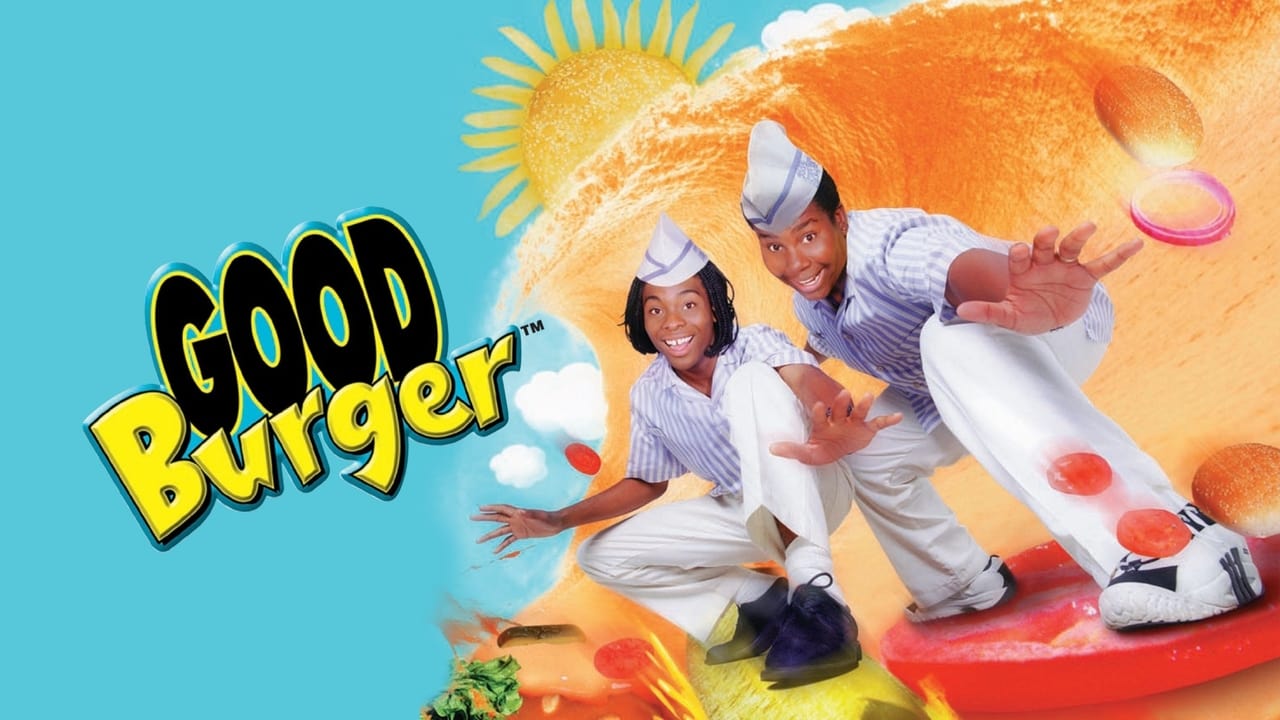
Good Burger isn't high art, and it never pretends to be. It's a silly, good-hearted comedy built on the charisma of its two young stars and a premise tailor-made for 90s kids. Watching it now evokes a powerful wave of nostalgia – for Nickelodeon's golden age, for simpler plots, for jokes delivered with pure, unadulterated goofiness rather than irony. The physical comedy feels endearingly real, the performances are committed, and the central friendship between Dexter and Ed is surprisingly sweet. It’s comfort food cinema, plain and simple.
Rating: 7/10 - It achieves exactly what it sets out to do: be a fun, funny, and memorable adaptation of a beloved sketch comedy bit. The nostalgia factor is high, the leads are fantastic together, and it delivers laughs without resorting to cynicism. It's dated? Sure. Simple? Absolutely. But is it still a good time? Dude, totally.
Final Thought: In an era before cinematic universes, Good Burger was the All That extended universe, delivering a blast of pure, unrefined 90s fun that tastes just as weirdly satisfying today, maybe even better with a side of fuzzy tracking lines.