Alright, pull up a beanbag chair, maybe crack open a Crystal Pepsi if you can find one, because we're diving deep into the weird, wild heart of the late 90s video store shelves with 1997's A Life Less Ordinary. Remember this one? Tucked between the blockbusters and the straight-to-video actioners, its quirky cover art practically dared you to take a chance. And if you did, you found something… well, different.

### After the Needle Drop
Coming off the back-to-back triumphs of Shallow Grave (1994) and the generation-defining Trainspotting (1996), the pressure on director Danny Boyle, writer John Hodge, and star Ewan McGregor must have been immense. What creative lightning could they possibly bottle next? The answer, bafflingly and rather wonderfully, was this: a screwball romantic comedy kidnapping caper heavily influenced by divine intervention. It wasn't the gritty realism or cynical cool audiences might have expected, and perhaps that disconnect explains its initial tumble at the box office. Despite costing around $12 million, it barely scraped back $4.4 million worldwide – a far cry from Trainspotting's cultural and financial explosion. But box office isn't everything in VHS Heaven, is it? Sometimes the misfires are the most fascinating finds.
### Heavenly Matchmaking, Earthly Chaos
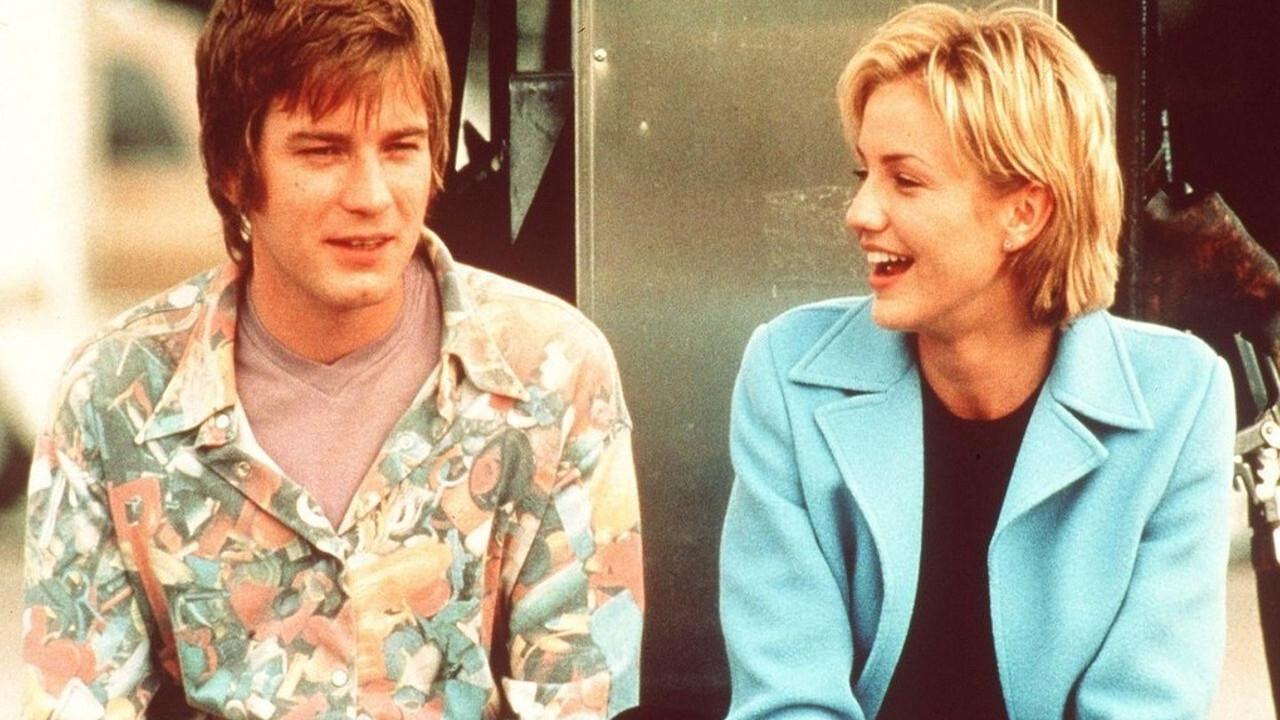
The plot itself is delightfully bonkers. Ewan McGregor, dialing down the junkie intensity for a kind of charming loser vibe, plays Robert Lewis, a down-on-his-luck janitor in Los Angeles who gets fired and promptly decides to kidnap his boss's daughter, Celine Naville. Celine, played with manic energy by a rising Cameron Diaz (hot off The Mask (1994) and My Best Friend's Wedding (1997)), is less victim and more bored, slightly sociopathic instigator. Their bickering, fumbling attempt at a crime quickly spirals out of control.
Watching over this chaos are two angels, O'Reilly and Jackson, dispatched by Gabriel himself with a critical mission: make these two deeply incompatible humans fall in love. Fail, and they're stuck on Earth forever. And who better to play these celestial enforcers than the fiercely brilliant Holly Hunter (Raising Arizona (1987), The Piano (1993)) and the effortlessly cool Delroy Lindo (Get Shorty (1995))? Their odd-couple dynamic, blending bureaucratic weariness with divine purpose (and occasionally, shotguns), is arguably the film's strongest asset. They inject a surreal, Coen-esque energy every time they appear. I remember thinking Hunter’s character felt like a force of nature crammed into a trench coat.
### Boyle's Pop Art Fantasia

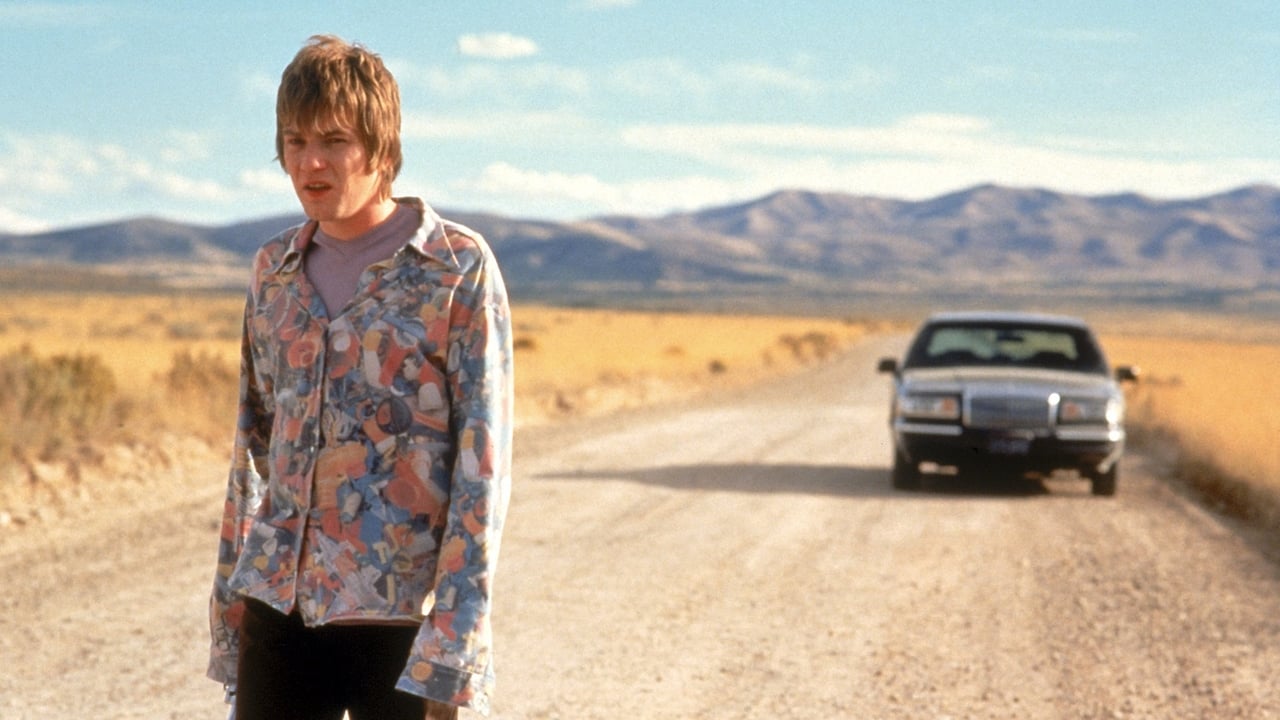
Visually, Danny Boyle throws everything at the screen. Gone is the grungy aesthetic of Trainspotting; instead, we get hyper-saturated colours, jaunty camera angles, and a restless energy that mirrors the chaotic plot. It feels like Boyle trying to capture the freewheeling spirit of classic Hollywood screwball comedies filtered through a late-90s pop lens. There are moments of pure visual invention – the claymation dream sequence is a standout piece of whimsy that feels utterly unique to this film.
The soundtrack, too, pulses with that distinctive 90s alternative vibe, anchored by the fantastic title track "A Life Less Ordinary" specifically written and performed by the band Ash. It perfectly captures the film's blend of yearning romance and off-kilter energy. Remember how movie soundtracks felt like carefully curated mixtapes back then? This was definitely one of those.
### A Quirky Chemistry Set
Does the central romance entirely work? That’s debatable. McGregor and Diaz certainly have moments of fizzing chemistry, particularly in their more antagonistic scenes. But the script, penned by John Hodge, sometimes struggles to make their sudden shifts towards genuine affection feel earned amidst the kidnapping, gunfights, and divine meddling. It's a testament to the actors' charisma that they remain engaging throughout. Hodge, who so expertly navigated dark humour and sharp dialogue in Shallow Grave and Trainspotting, seems slightly less sure-footed in this lighter, more fantastical territory. Reportedly, the script went through significant changes, and perhaps some of that unevenness stems from trying to reconcile different tonal ideas.
Yet, there's an undeniable charm to its ambition. It’s a film that refuses to be easily categorised, blending genres with a kind of reckless abandon. We get car chases, shootouts (with some surprisingly punchy practical squib effects that felt quite visceral back on a fuzzy CRT!), heartfelt moments, and literal angels arguing about their methods. It’s messy, yes, but it’s interestingly messy. It feels like a film made with genuine creative spirit, even if it doesn't quite stick the landing.
### Finding the Extraordinary in the Ordinary (Rental)
A Life Less Ordinary is a fascinating artefact of 90s cinema – a bold swing from a team at the height of their powers that didn't quite connect with the mainstream but retains a peculiar charm. It’s a reminder of a time when major studios occasionally took chances on truly eccentric projects. You wouldn’t see a film quite like this greenlit today, not with this budget and these stars aiming for this level of quirk.
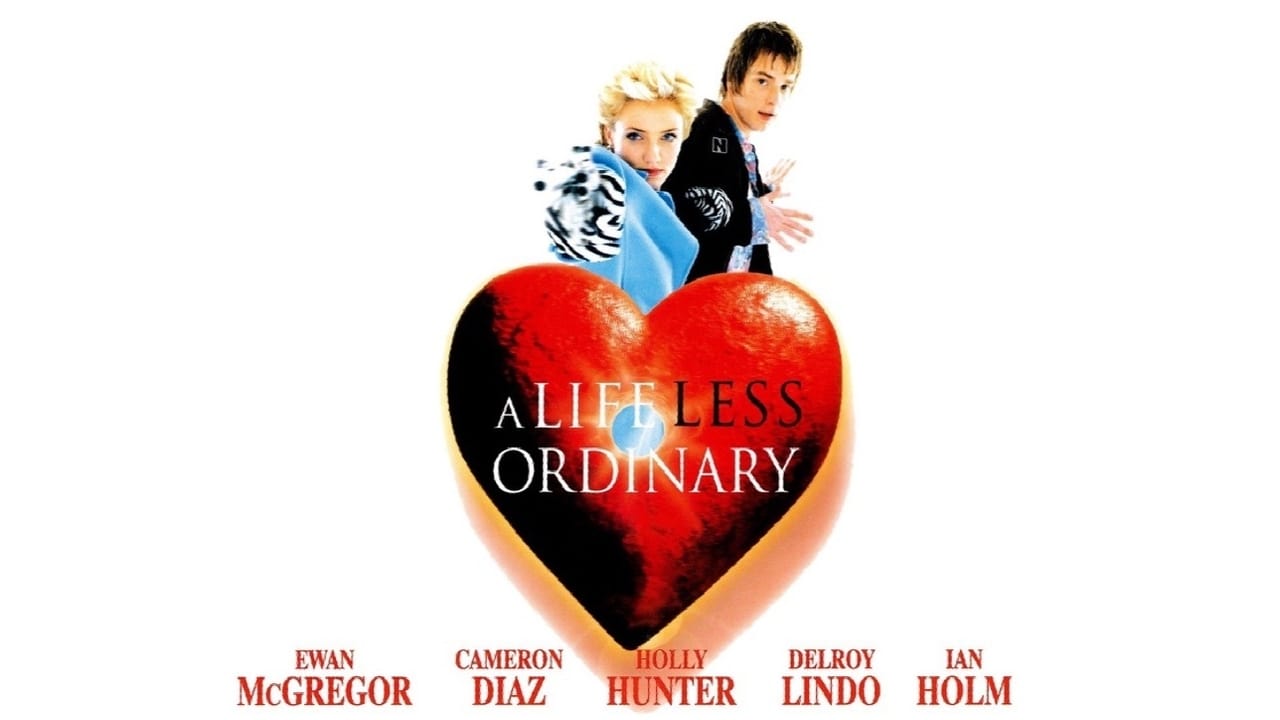
VHS Heaven Rating: 7/10
Justification: It scores points for sheer audacity, the brilliant supporting turns from Hunter and Lindo, Boyle's energetic direction, and its unique 90s flavour. It loses a few for the sometimes-uneven tone and a central romance that doesn't always convince. However, its ambition and memorable weirdness make it far more interesting than many safer, more successful films of the era.
Final Thought: It might not have been the follow-up anyone expected, but A Life Less Ordinary remains a vibrant, oddball testament to 90s cinematic risk-taking – a cult curio definitely worth revisiting for its sheer, unapologetic strangeness. It’s like finding that weird flavour of soda you loved as a kid; maybe not an everyday drink, but delightfully memorable.