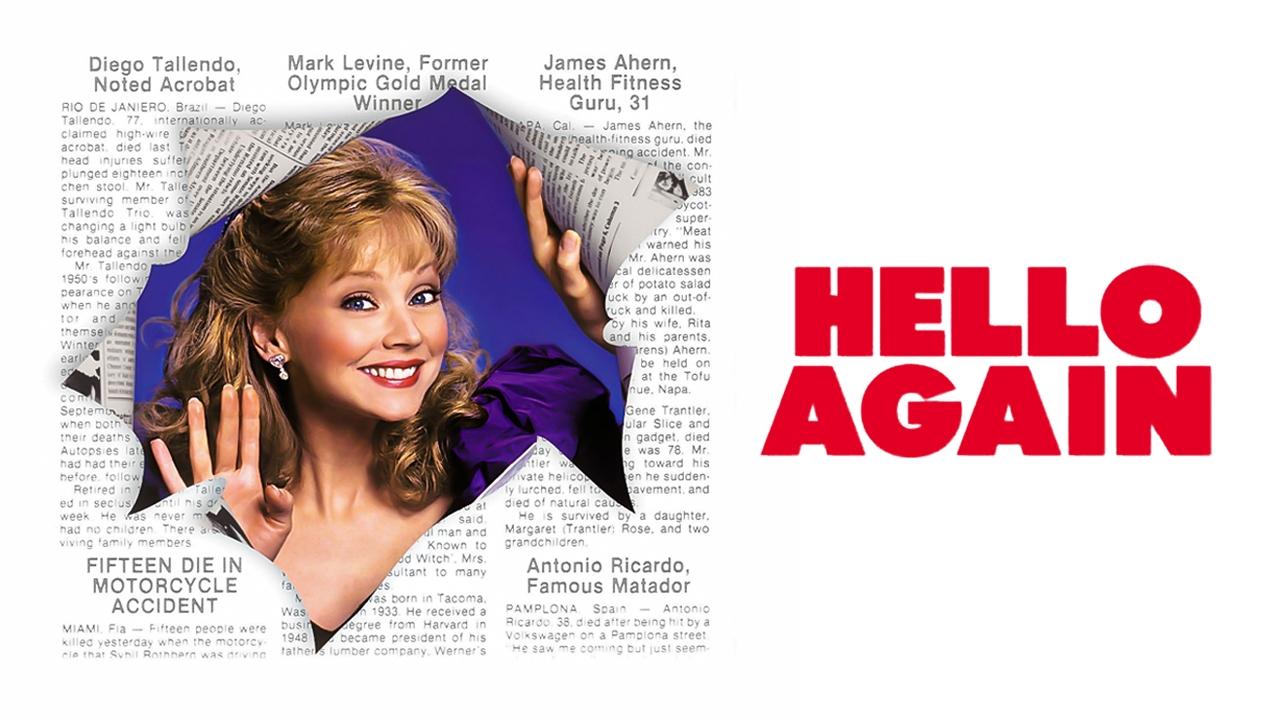
There's a certain kind of cinematic departure that sticks with you, not for its drama or heroism, but for its sheer, unadulterated weirdness. Choking to death on an exotic chicken ball at a dinner party? It feels less like poignant tragedy and more like a cosmic practical joke. Yet, this is precisely the ignominious end – and improbable new beginning – for Lucy Chadman in Frank Perry's 1987 fantasy-comedy Hello Again, a film that somehow spins this moment of domestic absurdity into a surprisingly gentle, often charming, reflection on what happens when life grants you a mulligan you never expected.
A Second Serving of Life
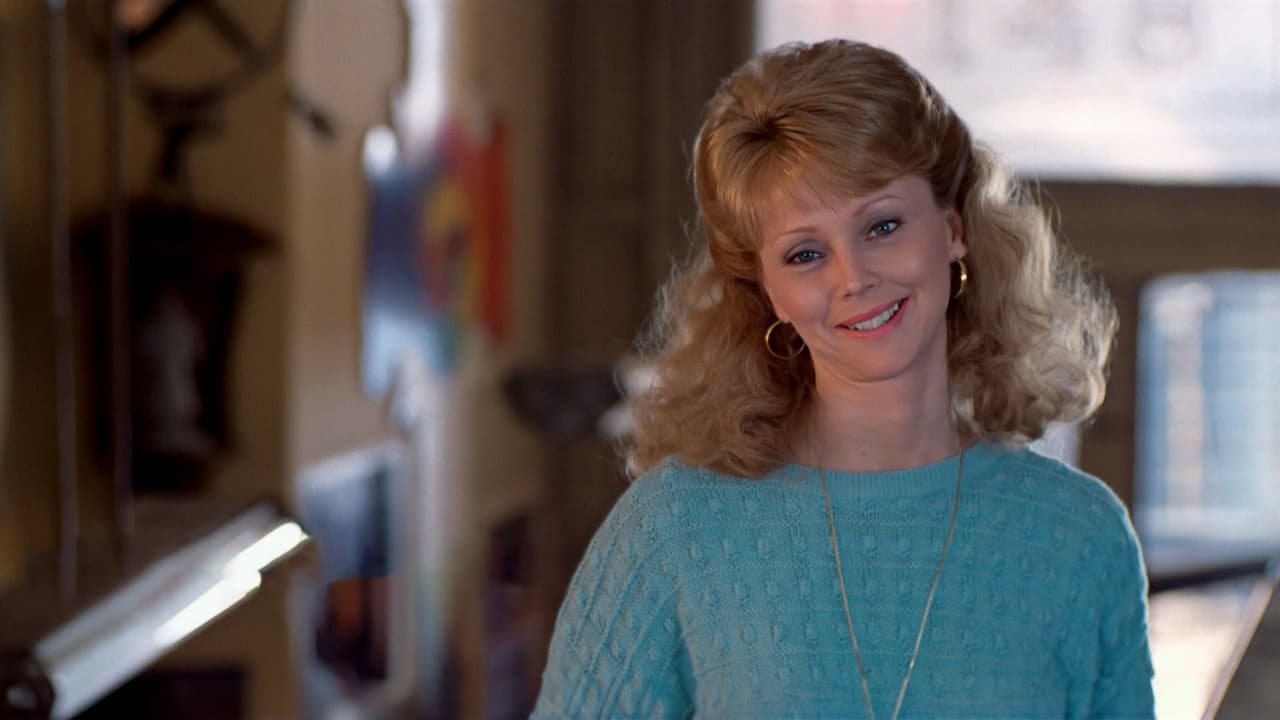
We first meet Lucy Chadman (Shelley Long, fresh off her iconic run on Cheers and navigating the tricky waters of translating TV stardom to the big screen) living a life of comfortable, perhaps slightly complacent, suburban affluence in Long Island. She has a successful plastic surgeon husband, Jason (Corbin Bernsen), two kids, and a seemingly devoted best friend, Kim (a delightfully scheming Sela Ward). It all seems perfectly pleasant, right up until that fateful South Korean appetizer lodges itself fatally in her throat. Flash forward one year, and Lucy’s eccentric sister Zelda (Judith Ivey, in a performance that crackles with quirky brilliance) – a believer in all things mystical – performs a complex occult ritual, fueled by a specific celestial alignment and no small amount of hope. Against all odds, Lucy gasps back to life, unchanged but for the small detail of being legally deceased for 365 days.
Waking Up in Yesterday's World
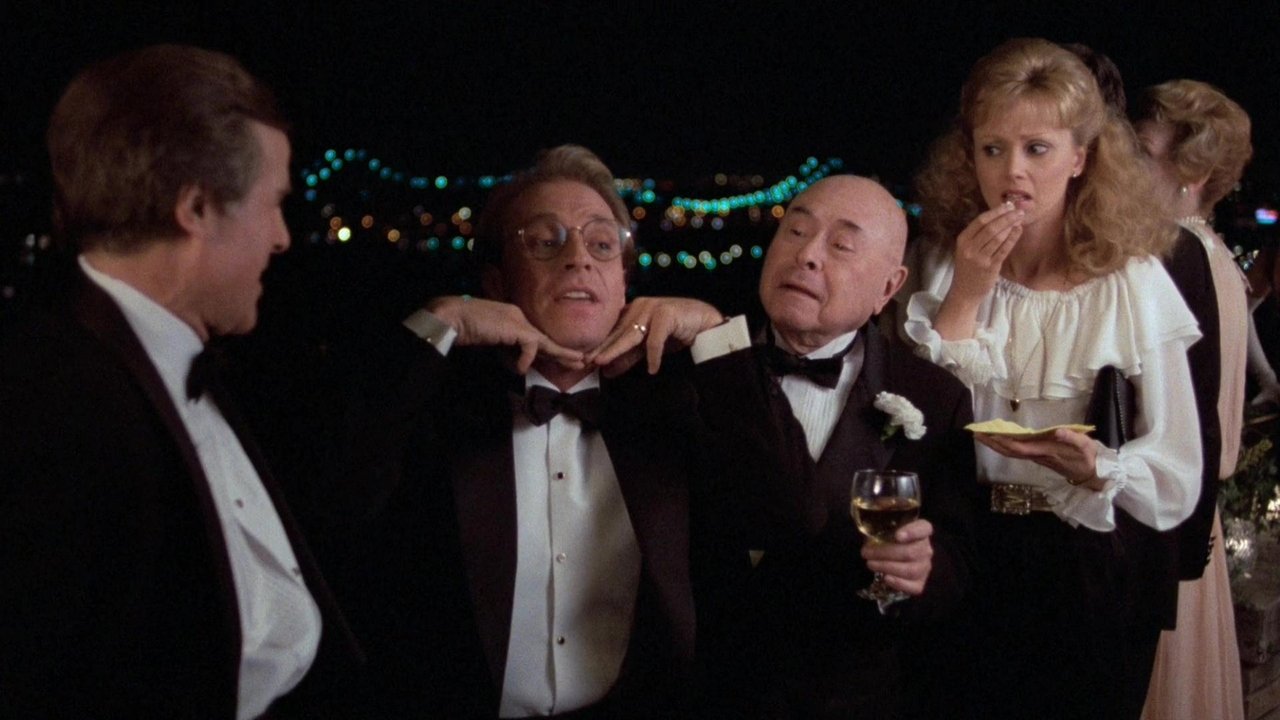
The core of Hello Again lies in Lucy's bewildered attempt to re-enter a world that, quite reasonably, assumed she was gone for good. Her husband has remarried – to Kim, naturally. Her children barely remember her. Her home, her clothes, her very identity now belong to someone else. This premise, ripe for broad comedy, is handled by Long with a touching vulnerability. She captures Lucy's profound disorientation and hurt beneath the requisite comedic double-takes and fish-out-of-water scenarios. It’s this performance, coupled with Ivey’s wonderfully warm and weird Zelda, that gives the film its heart. Ivey embodies the supportive, slightly kooky sister figure perfectly, grounding the film's more fantastical elements with genuine affection. You believe she would try to resurrect her sister, consequences be damned.
Retro Fun Facts: A Director's Detour and Big Apple Backdrops
Seeing Frank Perry's name attached to Hello Again might raise an eyebrow for those familiar with his heavier work, like the intense Hollywood exposé Mommie Dearest (1981) or the unsettling Diary of a Mad Housewife (1971). This foray into light fantasy-comedy was certainly a departure. Perhaps it was the sharp, witty screenplay by novelist Susan Isaacs (adapting her own bestseller) that attracted him. Whatever the reason, Perry brings a steady hand, allowing the comedic moments to land without sacrificing the underlying emotional current.
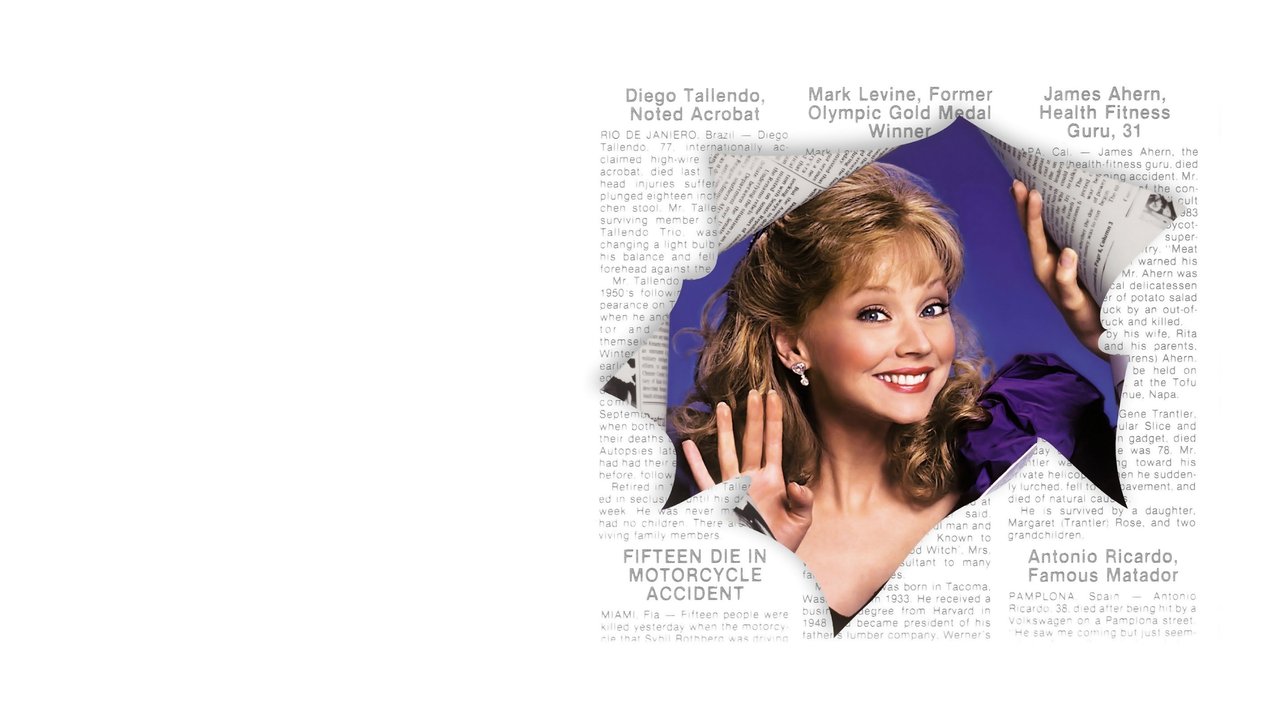
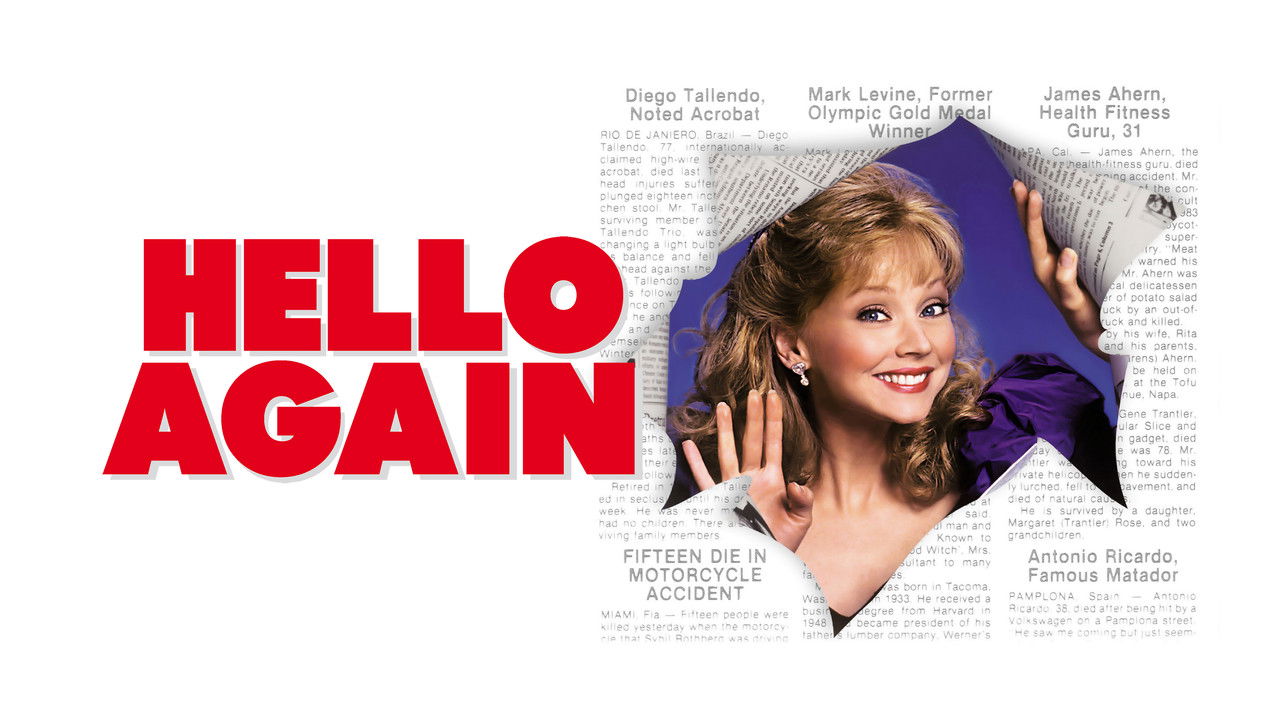
Filmed primarily on location in and around New York City, the movie feels very much a product of its time – capturing that specific late-80s blend of sharp shoulder pads, burgeoning yuppie culture, and slightly pastel aesthetics. Look closely and you'll spot recognizable NYC landmarks serving as the backdrop for Lucy's surreal second act. While not a runaway blockbuster, Hello Again performed respectably at the box office, pulling in just over $20 million domestically (roughly $55 million adjusted for inflation today), ensuring its place as a familiar face on video store shelves throughout the late 80s and 90s. And who could forget that brilliantly blunt marketing tagline? "She choked on a chicken ball. She was dead for a year. She's back." It certainly set expectations!
Finding New Connections
As Lucy navigates her strange new reality, she finds an unexpected connection with the handsome, compassionate hospital doctor, Kevin Scanlon, played with understated charm by a pre-Miller's Crossing Gabriel Byrne. Byrne provides a necessary anchor amidst the absurdity. His quiet empathy offers Lucy not just a potential romantic interest, but a validation of her bewildering experience. Their scenes together lend the film a welcome touch of sincerity, balancing the broader comedic strokes involving Kim's increasingly desperate attempts to keep Lucy out of the picture and Zelda's ongoing occult interventions. The magic here isn't about dazzling special effects – the resurrection itself is played more for awkward charm than spectacle – but about the everyday magic of human connection and rediscovery.
The Lingering Taste
Did Hello Again revolutionize the fantasy-comedy genre? Not particularly. Does it grapple with the profound existential questions its premise hints at? Only glancingly. But viewed through the warm, slightly fuzzy lens of VHS nostalgia, it holds a distinct charm. It’s a comfort food movie – familiar, warm, perhaps a little predictable, but ultimately satisfying in its own gentle way. The performances, particularly from Long and the scene-stealing Ivey, remain endearing, and the central concept, while played mostly for laughs, carries a faint, resonant echo about appreciating the life we have. It might not be high art, but it possesses that quintessential 80s movie magic – a blend of high-concept premise, likable stars, and a fundamentally good heart. I distinctly remember renting this one, drawn in by Long's familiar face and the quirky premise, and finding it a perfectly pleasant way to spend a Saturday afternoon.
Rating: 6/10
This score reflects the film's undeniable charm, strong comedic performances (especially from Ivey), and high nostalgic value for fans of 80s comedies. It loses points for a somewhat predictable plot and for not fully exploring the deeper implications of its premise, but its warmth and humor make it a worthwhile trip back.
Hello Again remains a sweet, slightly goofy artifact of the video store era – a reminder that sometimes, even after the most bizarre of exits, there might just be a chance for a second act, perhaps even with a better love interest and fewer dangerous hors d'oeuvres.