Sometimes, the most potent time capsules aren't gleaming blockbusters, but those quieter films you stumbled upon, perhaps tucked away in the 'World Cinema' section of the local video store. I remember finding Paolo Virzì's August Vacation (original title: Ferie d'agosto) from 1996 that way – a colourful VHS cover promising sun-drenched Italian antics, but delivering something far richer, sharper, and surprisingly resonant. It wasn't just a holiday comedy; it felt like peering through a window onto the beautiful, messy soul of a nation grappling with itself, all played out on the shores of a tiny Mediterranean island.
### Two Tribes Go to War (on Holiday)
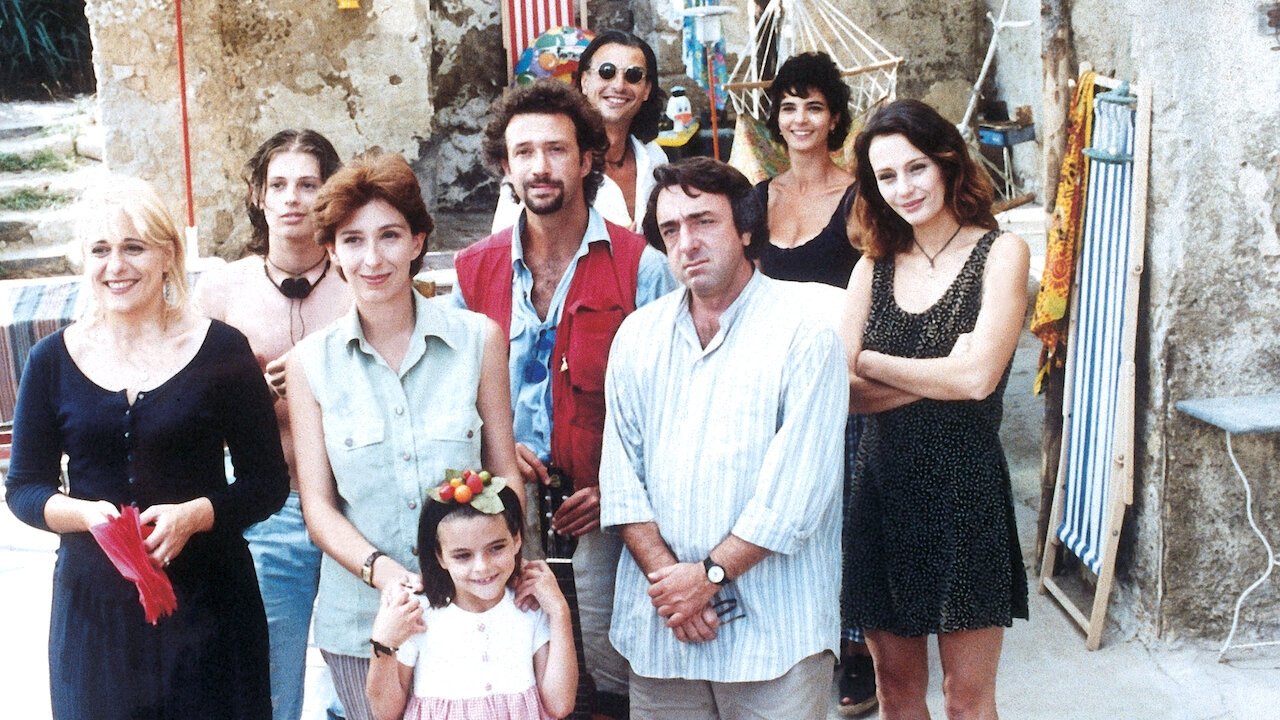
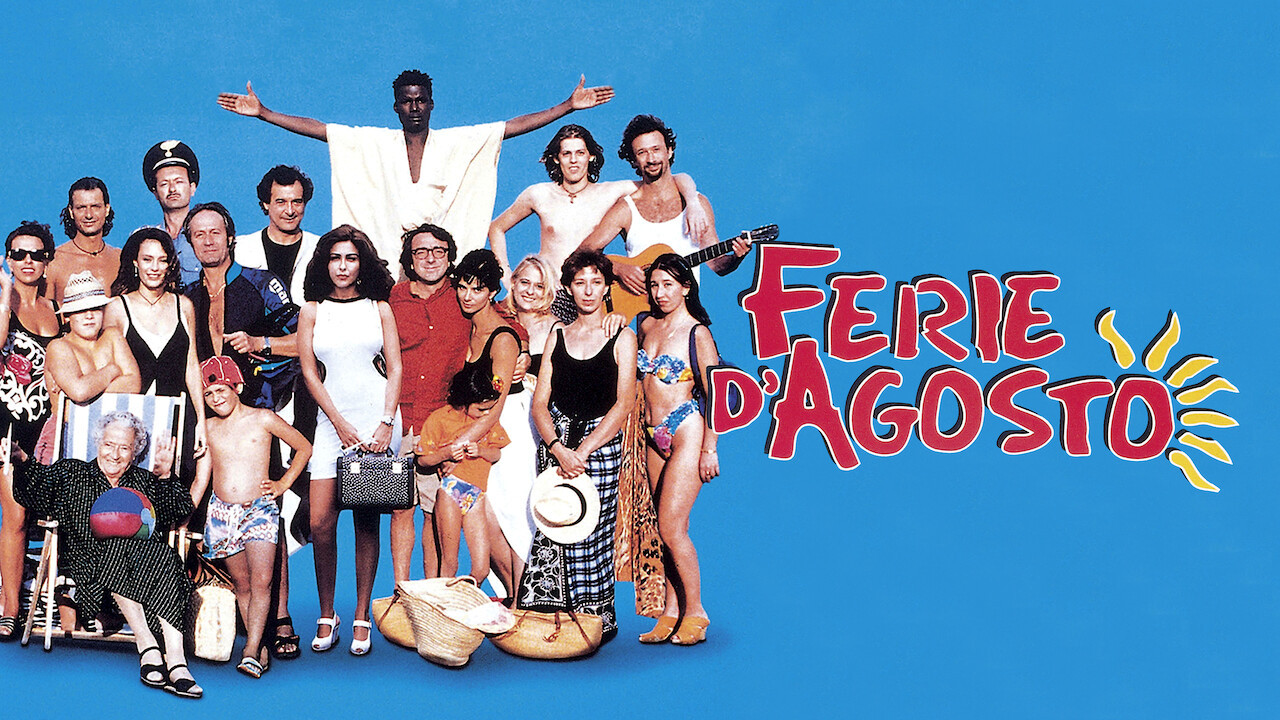
The premise is pure comedic gold, ripe for social satire. Imagine the scene: the picturesque, slightly rugged island of Ventotene, a popular spot for Italians seeking refuge during the sweltering Ferragosto holiday in August. By sheer chance, two families representing opposite ends of the Italian social and political spectrum rent neighbouring villas. On one side, we have the Molinos: Sandro (Silvio Orlando), a left-leaning journalist nursing his intellectual anxieties, his psychotherapist partner Cecilia (Laura Morante), and their circle of similarly earnest, cultured friends. They seek quiet reflection, meaningful conversation, and perhaps a bit of organic food.
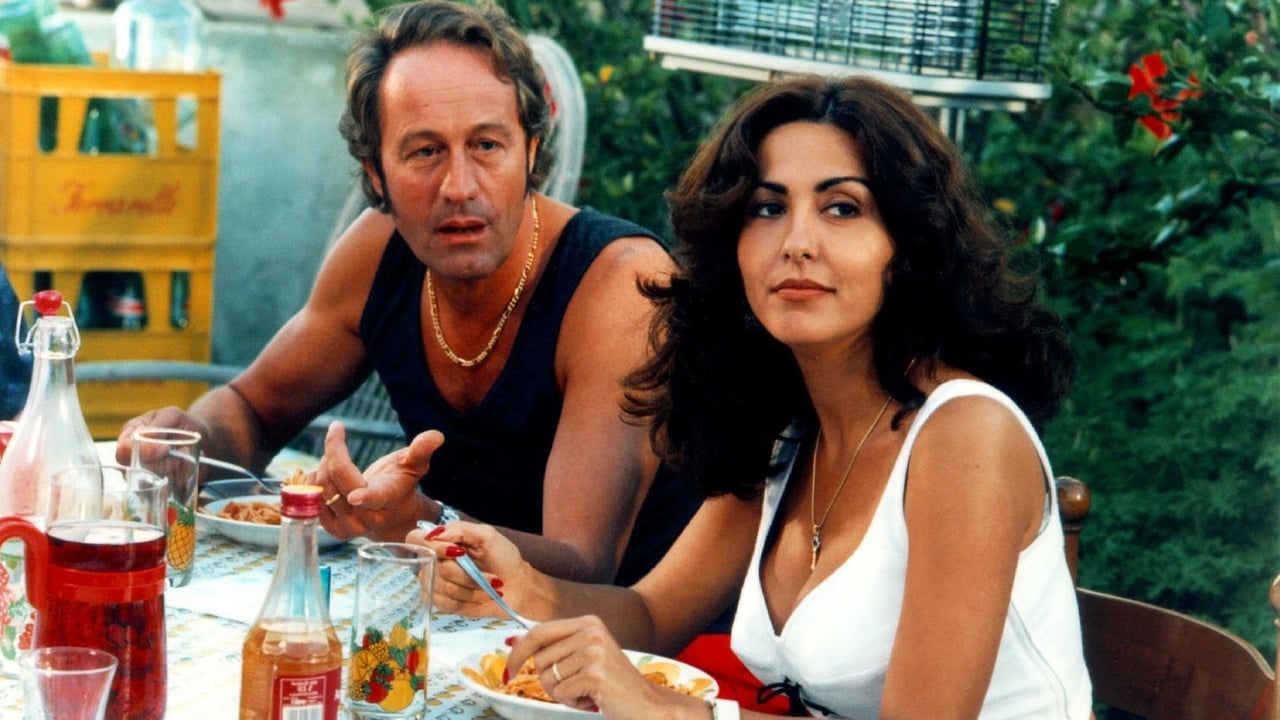
On the other side crashes the Mazzalupis clan, led by the boisterous, unapologetically nouveau riche Ruggero (Ennio Fantastichini). He's loud, loves flashy things, leans distinctly rightward politically, and arrives with his younger, glamorous girlfriend Sabrina (Sabrina Ferilli), family, and friends in tow. Their idea of a holiday involves loud music, jet skis, barbecues, and zero tolerance for pretension. What follows is less a relaxing vacation and more a collision course, a microcosm of Italy's own fractured identity playing out under the relentless summer sun.
### More Than Just Laughs
While Virzì, co-writing with Francesco Bruni, mines the situation for plenty of genuine laughs – the culture clashes, the misunderstandings, the sheer awkwardness are often hilarious – August Vacation quickly reveals itself to be more than just a farce. It’s a film deeply interested in what lies beneath the stereotypes. Silvio Orlando is pitch-perfect as Sandro, embodying a certain kind of intellectual paralysis, full of ideals but often struggling to connect authentically. His anxieties feel palpable, a subtle performance that grounds the film’s more overtly comedic elements.
Counterbalancing him brilliantly is Ennio Fantastichini as Ruggero. He could easily have been a caricature, but Fantastichini imbues him with a certain undeniable life force, a brashness that masks vulnerability. And then there’s Sabrina Ferilli, radiating charisma as Sabrina. She’s initially presented as perhaps just flashy arm candy, but Ferilli gives her layers, revealing flickers of dissatisfaction and intelligence beneath the surface glamour. It’s through characters like her that the film gently chips away at the easy assumptions we (and the characters themselves) make about each other. The performances across the board feel lived-in; you believe these are real people thrown together by fate, warts and all.
### Ventotene Vibes and Virzì's Vision
Filming on location on the actual island of Ventotene was crucial. You can almost feel the heat radiating off the rocks, smell the salt in the air. The island itself becomes a character – beautiful but also confining, forcing these disparate groups into uncomfortable proximity. Virzì, who would go on to become one of Italy's most acclaimed contemporary directors with films like Human Capital (2013), demonstrates his talent here for balancing tone. He orchestrates the chaos with a light touch but never shies away from the melancholy simmering just below the surface. There's a distinct echo of the classic Commedia all'italiana tradition – think Dino Risi or Mario Monicelli – where laughter often walks hand-in-hand with poignant social observation and a touch of sadness.
The film tapped into something real in mid-90s Italy, a period of political upheaval and shifting social landscapes (the rise of Berlusconi, the fallout from the Tangentopoli scandals). It resonated strongly, becoming a significant critical and box office success domestically and winning the prestigious David di Donatello award for Best Film in 1997. It wasn't just funny; it felt true. Finding this on VHS felt like uncovering a dispatch from another culture, yet the human dynamics – the pretensions, the insecurities, the unexpected moments of connection or conflict – felt universally recognisable. I recall reading somewhere that the cast and crew genuinely embraced the island setting, adding to the film's authentic, slightly thrown-together holiday feel.
### The Lingering Taste of Summer
What stays with you after the credits roll isn't just the laughter, but the bittersweet taste. August Vacation understands that holidays, like life, are rarely simple. Connections are fleeting, misunderstandings linger, and the societal divides we try to escape often follow us, even to a remote island paradise. Does the enforced proximity lead to genuine understanding or just reinforce prejudices? The film doesn't offer easy answers. It leaves you pondering the complexities of human nature and the invisible walls we build between ourselves, even when sharing the same patch of sand.
Rating: 8.5/10
This score reflects the film's sharp writing, brilliant ensemble cast, Virzì's assured direction, and its insightful blend of laugh-out-loud comedy with poignant social commentary. It captures a specific time and place beautifully, yet its themes of division and the search for common ground feel startlingly relevant even decades later. It might lack the slickness of Hollywood fare, but its rough edges and genuine heart make it a standout Italian comedy from the 90s and a gem worth seeking out, whether you first found it on a dusty VHS tape or are discovering it anew. It reminds us that sometimes the most memorable vacations are the ones that challenge us, leaving us with more questions than answers as the ferry pulls away from the shore.