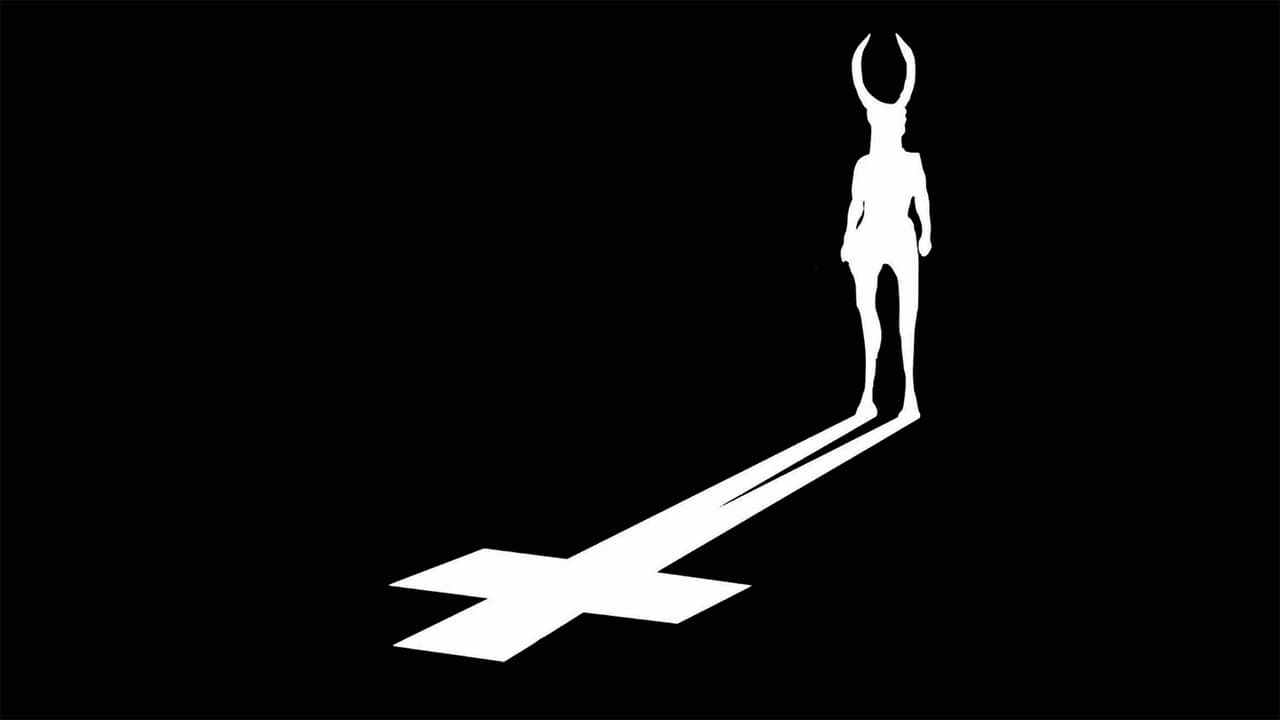
Okay, settle in, grab your beverage of choice – maybe something stronger than usual – because we're digging into a tape that likely melted a few VCR heads back in the day with sheer, blasphemous energy. I’m talking about Álex de la Iglesia’s 1995 Spanish masterpiece of mayhem, El día de la Bestia, or The Day of the Beast. Finding this on the shelf, maybe tucked away in the foreign film section with its stark, intriguing cover art, felt like unearthing forbidden knowledge. And popping it in? Pure, unadulterated chaos delivered with a wink and a shotgun blast.
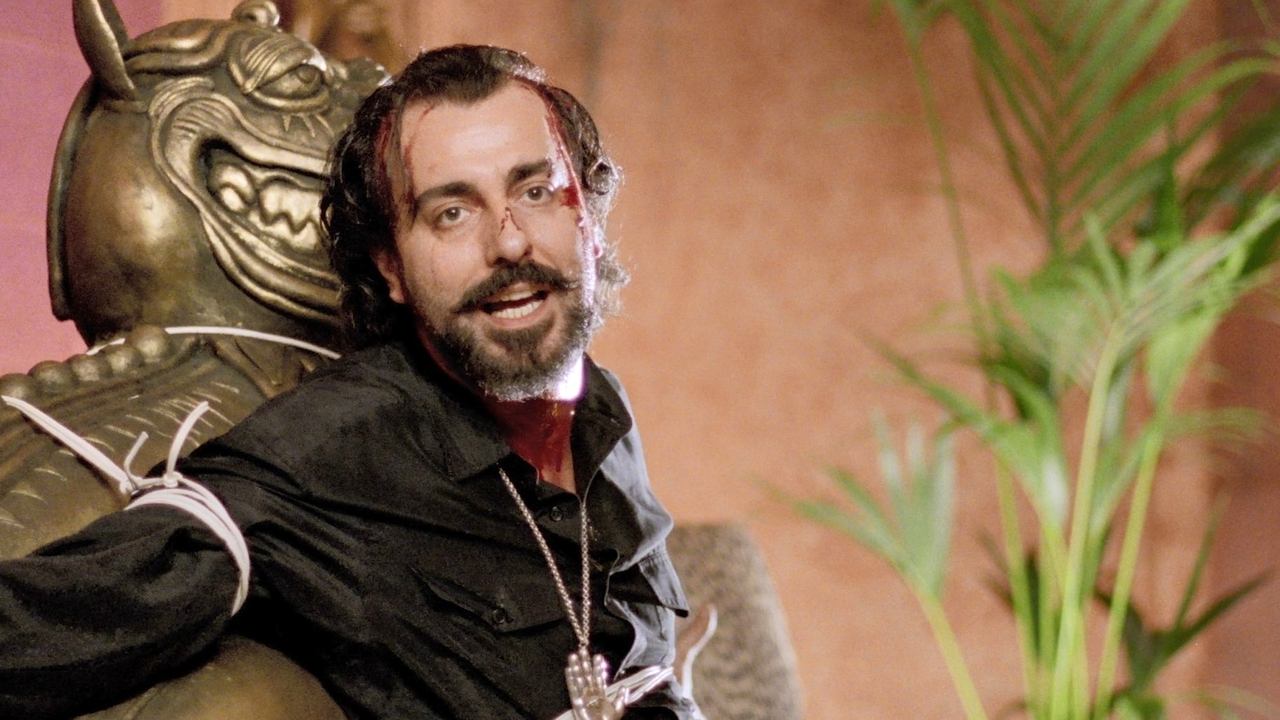
This wasn't your typical Hollywood fare, folks. Forget slick heroes and predictable plots. The Day of the Beast throws us headfirst into a grimy, Christmas-crazed Madrid alongside Father Ángel Berriartúa (Álex Angulo), a Basque priest who’s deciphered a secret code predicting the Antichrist's birth somewhere in the city on Christmas Eve. His solution? Commit as many sins as possible to infiltrate the devil's circle and stop the apocalypse. It’s a premise so audacious, so gleefully sacrilegious, it still feels dangerous today.
An Unholy Alliance for the Ages
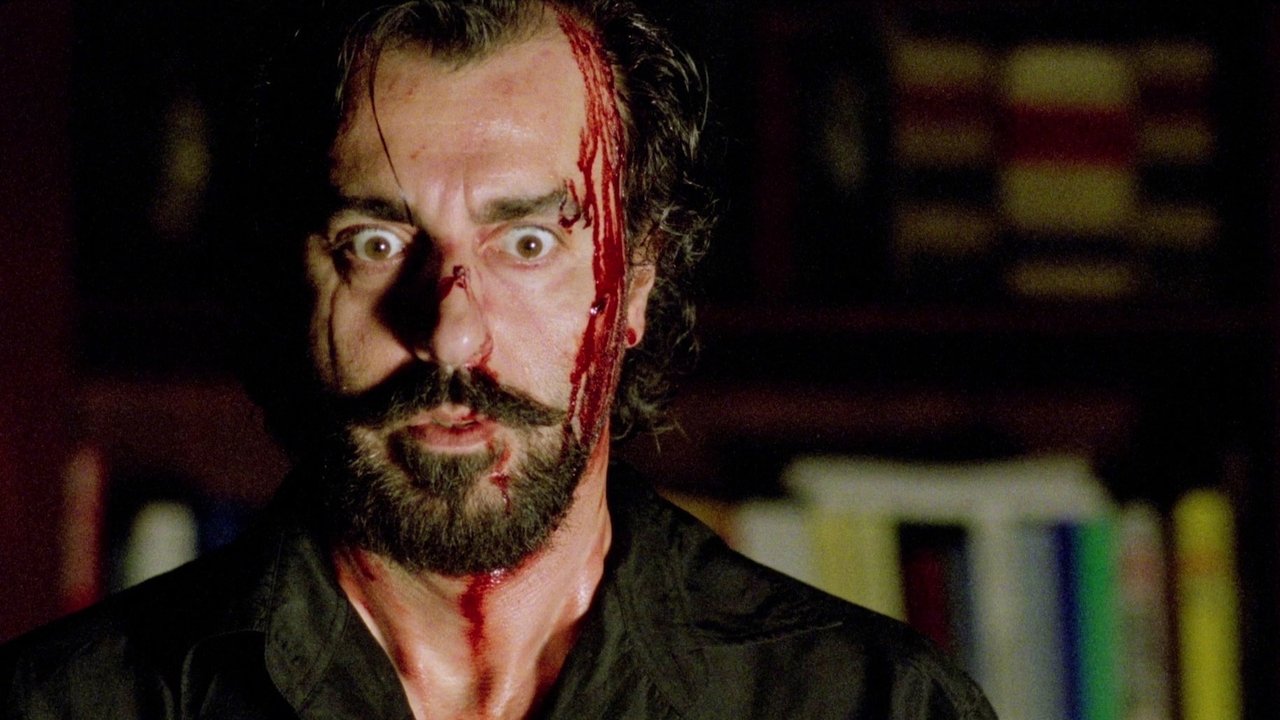
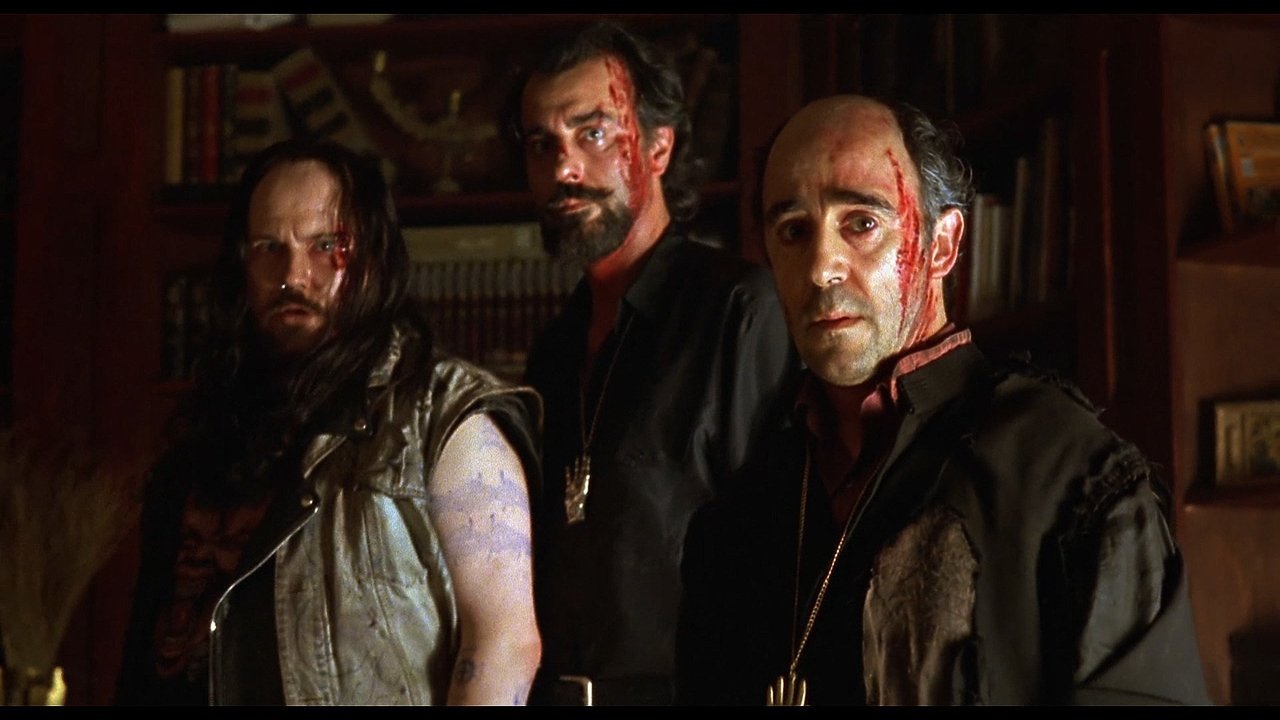
Father Ángel, played with incredible, wide-eyed conviction by the late, great Álex Angulo, isn't alone in his quest. He soon strong-arms José María (Santiago Segura), a dim-witted, Satanic Death Metal record store employee, into being his partner in crime. And what a partner! Segura, in a role that rocketed him to stardom in Spain (he'd later create and star in the hugely successful Torrente series), is absolute perfection. He’s all leather, sweat, questionable hygiene, and surprising loyalty, embodying the film's chaotic, comedic heart. Rounding out this bizarre trio is Professor Cavan (Armando De Razza), a flamboyant TV occultist and charlatan who they believe holds the key to summoning the Devil himself. The chemistry between these three is electric, a masterclass in unlikely camaraderie forged in fire, LSD, and cheap liquor.
Madness in Madrid
Álex de la Iglesia, making only his second feature film (but what a statement!), directs with the frantic energy of a comic book panel brought violently to life – perhaps unsurprising given his background in comics. Alongside his frequent writing partner Jorge Guerricaechevarría, he crafts a narrative that careens between brutal violence, genuinely unsettling horror, and laugh-out-loud black comedy, often within the same scene. The pacing is relentless. Remember how some 90s films just felt faster, more unhinged? This movie embodies that spirit.
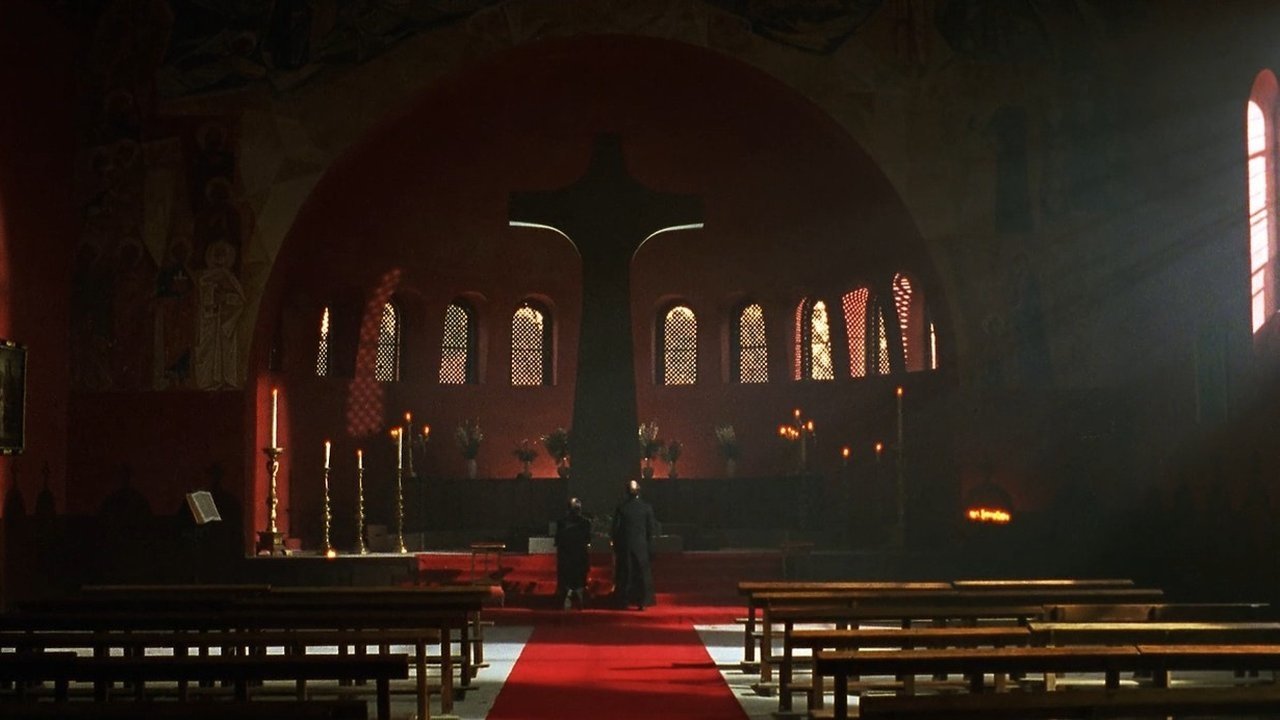
The genius here is how real it all feels, despite the supernatural plot. De la Iglesia shot on location in Madrid during the actual Christmas season, capturing the buzzing, sometimes oppressive energy of the city streets. There's a tangible grit to the cinematography, a sweaty, lived-in texture that makes the increasingly bizarre events feel grounded. This wasn't a sanitized Hollywood backlot; it was the pulsing heart of Spain providing a backdrop for Armageddon. And talk about bang for your buck – made for a relatively modest budget (around 300 million pesetas, maybe $2.5 million USD back then), the film was a massive critical and commercial success in Spain, snagging six Goya Awards, including Best Director for de la Iglesia.
That Sweet, Sweet Practical Mayhem
Let's talk action and effects, VHS Heaven style. Forget smooth, weightless CGI. The Day of the Beast revels in glorious, tangible, practical chaos. When someone gets shot, it looks messy and impactful. The makeup effects, especially later in the film, have that wonderful, grotesque quality that digital creations often lack. There's a raw physicality to the stunts that gets your heart pounding.
And who can forget the sequence involving the iconic Kio Towers in Madrid? Seeing our unlikely heroes scaling that massive, illuminated sign high above the city… that felt dangerous back then. Knowing they actually performed significant parts of those stunts practically (with safety rigging, of course, but still!) adds another layer of appreciation. It’s that kind of real-world risk and tangible effort that defined so much of the era’s best genre filmmaking, a far cry from today’s green-screen perfection. It feels precarious, desperate – perfectly mirroring the characters' quest.
More Than Just Blasphemy?
Beneath the heavy metal soundtrack, the blasphemous humor, and the sheer B-movie energy, The Day of the Beast offers sharp satire. It pokes fun at consumerism, media obsession, and the absurdity of modern life, all while delivering a genuinely gripping apocalyptic thriller. It’s smart, it’s stylish, and it’s utterly unique. It cemented Álex de la Iglesia as a major force in Spanish cinema and remains a benchmark for dark, comedic horror.
---
Rating: 9/10
Justification: The Day of the Beast is a near-perfect storm of black comedy, horror, and social satire, executed with manic energy and stylistic flair. Brilliant performances from the central trio (Angulo, Segura, De Razza), unforgettable practical set pieces, and Álex de la Iglesia's confident, kinetic direction make this a standout cult classic. It loses a point only perhaps for moments where the sheer chaos might overwhelm some viewers, but its audacious spirit and gritty execution are undeniable.
Final Thought: This is the kind of glorious, unhinged discovery that made digging through video store shelves so rewarding – a potent cocktail of 90s genre madness that still kicks like a mule dipped in holy water. Absolutely essential viewing.