It starts with a question, doesn't it? That quiet hum beneath the surface of seemingly happy lives: is lifelong, faithful commitment actually possible, or even desirable? "Miami Rhapsody" floats this query amidst the sun-drenched, pastel-hued environs of mid-90s Florida, wrapping profound anxieties in the guise of a breezy, neurotic romantic comedy. Watching it again now, decades removed from its original VHS release, feels like uncovering a time capsule – not just of fashion and locale, but of a specific kind of cinematic introspection that often got lost between the bigger, louder releases on the rental store shelves.
A Sunshine State of Confusion
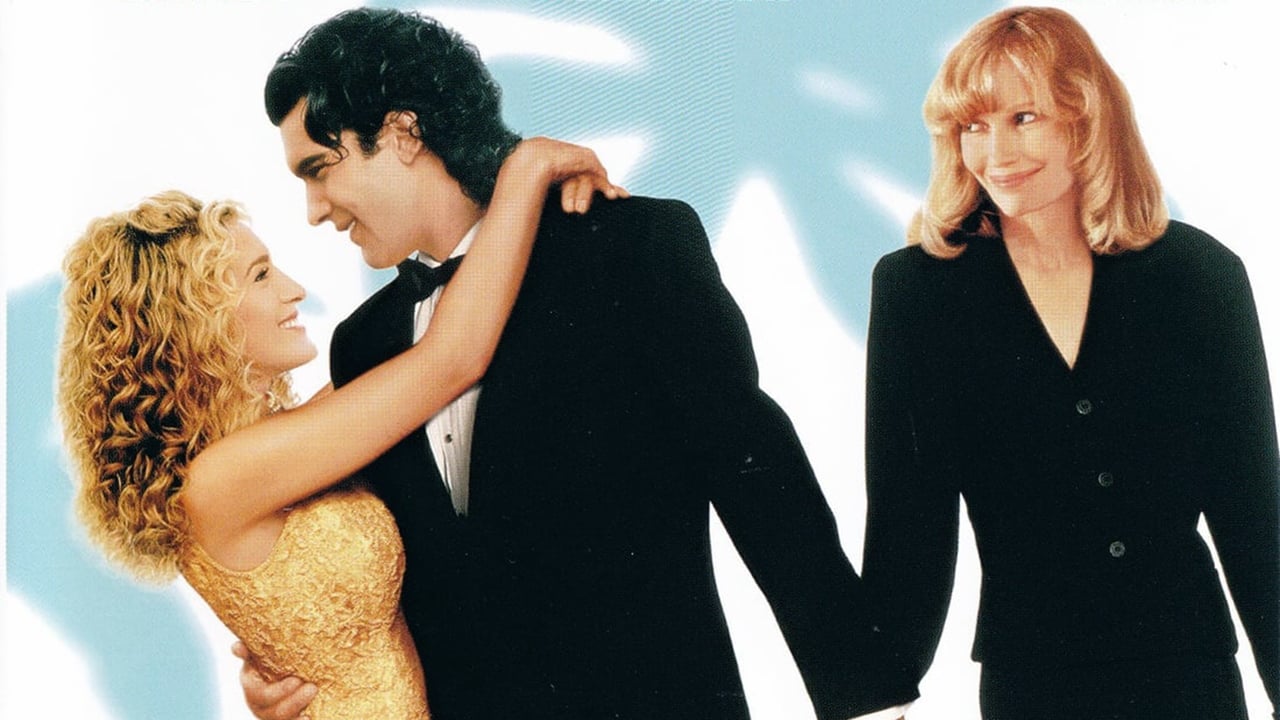
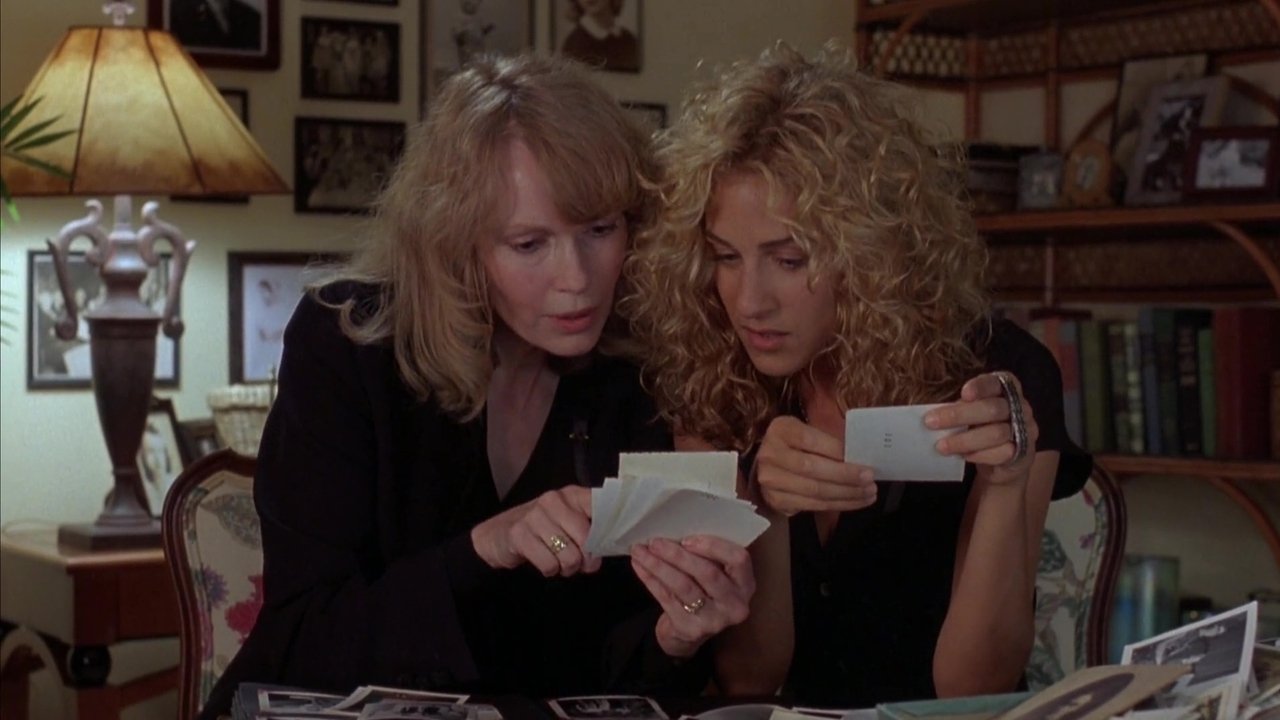
At the heart of it all is Gwyn Marcus, played by Sarah Jessica Parker in a role that feels like a fascinating stepping stone towards her later iconic Carrie Bradshaw. Gwyn is witty, observant, and deeply uncertain. Having just accepted a proposal from her sweet, dependable boyfriend Matt (Gil Bellows), she suddenly finds her faith in the institution of marriage utterly shattered. Why? Because she discovers, in rapid succession, that seemingly everyone in her long-married family is engaging in extramarital affairs. Her mother Nina (Mia Farrow, bringing her trademark vulnerability and nervous energy), her father Vic (Paul Mazursky, the veteran director lending wry authenticity), her elder sister Leslie (Carla Gugino), and even her recently married brother Jordan (Kevin Pollak) – they're all straying. It's a cascade of revelations that sends Gwyn spiraling, questioning everything she thought she knew about love and loyalty.
Sarah Jessica Parker anchors the film beautifully. Her performance isn't just about delivering David Frankel's (who both wrote and directed) often sharp, observational dialogue; it's in the subtle shifts in her eyes, the hesitant gestures, the way she carries the weight of her family's secrets while trying to navigate her own future. You feel her confusion, her disappointment, and her desperate search for an answer that might not exist. It's a performance that reminds you of her range beyond the Cosmopolitans and Manolos, grounded in a relatable vulnerability. I recall renting this back in the day, perhaps initially drawn by the promise of Miami glamour, but finding myself surprisingly invested in Gwyn's very human dilemma.
Orbiting Stars and Lingering Questions
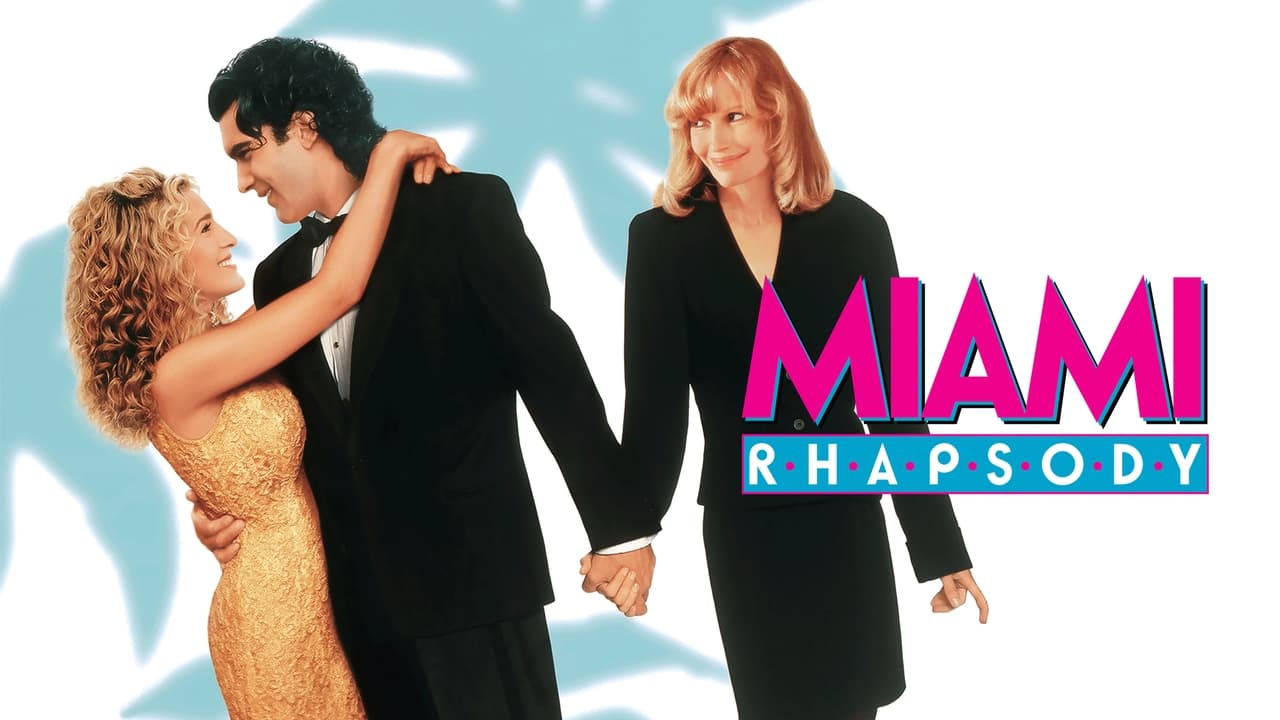
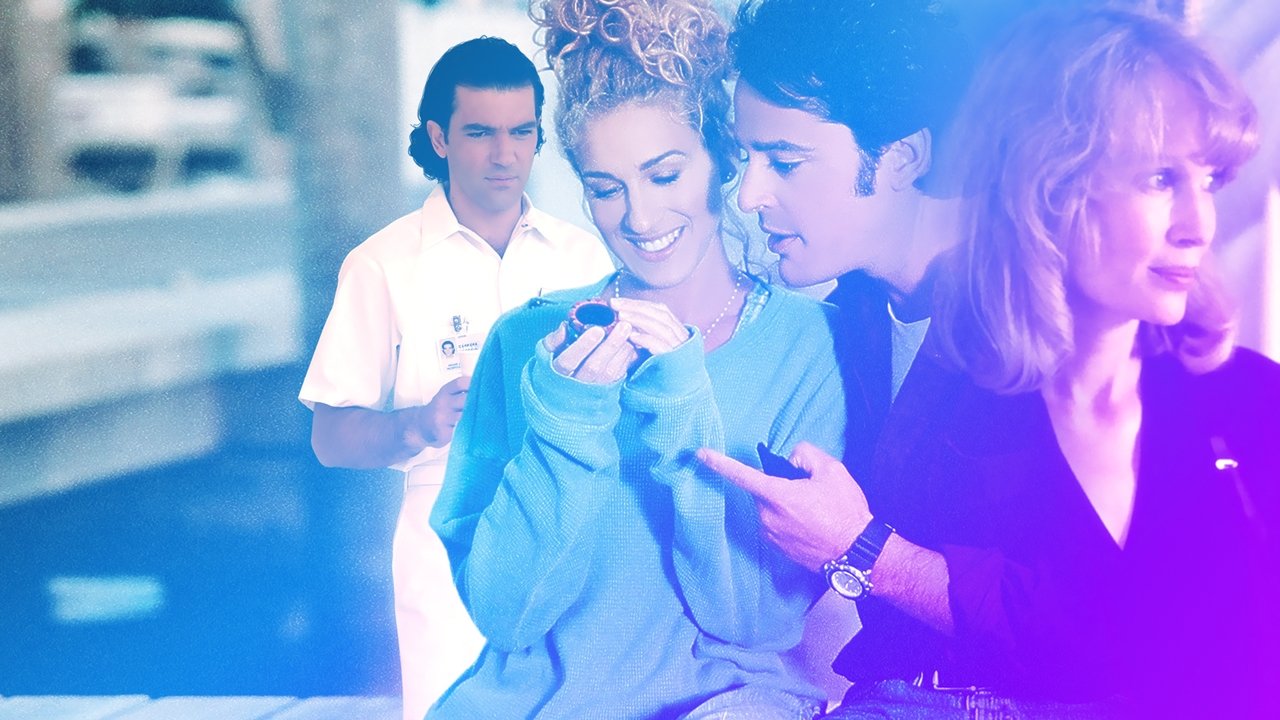
The ensemble cast orbits Gwyn's central crisis, each representing a different facet of love's complexities and compromises. Mia Farrow is particularly effective, her portrayal of Nina oscillating between maternal warmth and a quiet desperation for something more. And then there's Antonio Banderas as Antonio, the impossibly charming nurse caring for Gwyn's grandmother, who becomes entangled in the family's web of secrets and represents a potent temptation for Gwyn herself. Banderas, then solidifying his status as a Hollywood heartthrob after films like Desperado (1995) which came out the same year, exudes effortless charisma. Their scenes together crackle with an undeniable chemistry, highlighting the allure of the forbidden and the excitement of the unknown, contrasted sharply with the comfortable predictability Gwyn has with Matt.
Director David Frankel, making his feature film debut here before going on to helm massive hits like The Devil Wears Prada (2006), certainly crafts a visually appealing picture. He uses the Miami locations – the vibrant colors, the art deco architecture, the shimmering heat – to create a backdrop that feels both idyllic and slightly unreal, mirroring the deceptive surfaces of the characters' lives. You can almost feel the humidity. Frankel undeniably borrows heavily from the Woody Allen playbook – the neurotic protagonist, the witty observational humor, the focus on relationship angst amongst the affluent, and of course, the casting of Mia Farrow. While some critics at the time perhaps dwelled too much on these similarities (reviews were mixed, often citing the Allen influence), "Miami Rhapsody" develops its own distinct, sunnier flavour, less cynical and perhaps more hopeful, despite the pervasive infidelity. It cost around $6 million to make, a modest sum even then, and while not a huge box office smash, it found its audience on home video, becoming one of those pleasant discoveries tucked away on the "New Releases" wall.
Beyond the Rhapsody
What lingers after the credits roll isn't just the clever dialogue or the appealing cast. It's the film's gentle insistence on exploring the messiness of long-term relationships without offering easy answers. Does Gwyn find a simple solution? Not really. The film suggests that maybe the 'happily ever after' ideal is more complicated, requiring constant negotiation, forgiveness, and perhaps an acceptance of imperfection in ourselves and others. It doesn't necessarily condemn or condone the characters' actions, but rather presents them as flawed humans navigating difficult choices. It asks us, implicitly, what compromises we might be willing to make for love, or for security, or for a fleeting moment of passion.
Is it a perfect film? No. The pacing sometimes meanders, and the resolution might feel a touch too neat for some, given the complexities raised. But its charm is undeniable, and its central performance by Sarah Jessica Parker is a standout. It captures a specific mid-90s moment in romantic comedies – smarter, talkier, and more willing to grapple with ambiguity than many that followed.
Rating: 7/10
This score reflects the film's considerable charm, strong central performance, witty script, and appealing ensemble cast, balanced against its derivative elements and slightly uneven pacing. It earns its points for tackling mature themes within a generally lighthearted framework and for capturing that specific mid-90s vibe so effectively.
For fans of thoughtful romantic comedies or anyone who remembers squinting at the back of a VHS box deciding what to rent on a Friday night, "Miami Rhapsody" remains a warm, witty, and surprisingly resonant look at love, marriage, and the messy business of being human. It leaves you pondering not with grand pronouncements, but with a gentle, sun-dappled question mark hanging in the air.