Alright, pop that tape in, maybe give the heads a quick clean, because we're diving headfirst into a slice of mid-90s French cinematic mayhem that hit with the force of a runaway TGV back in its day: Jean-Marie Poiré’s Guardian Angels (or Les Anges Gardiens if you’re feeling continental, 1995). Forget subtle Gallic charm; this is cinematic caffeine, mainlined directly from the hyperactive minds that gave us the colossal smash Les Visiteurs just a couple of years prior.
### High Concept, Higher Octane
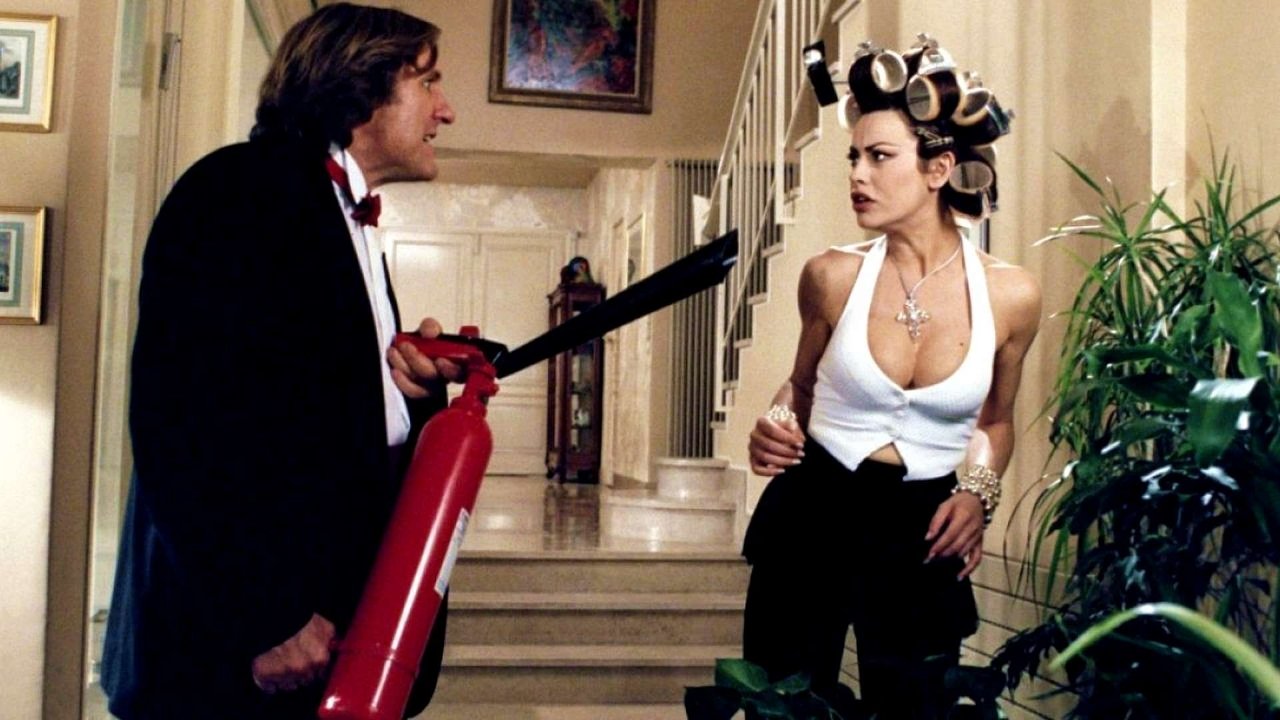
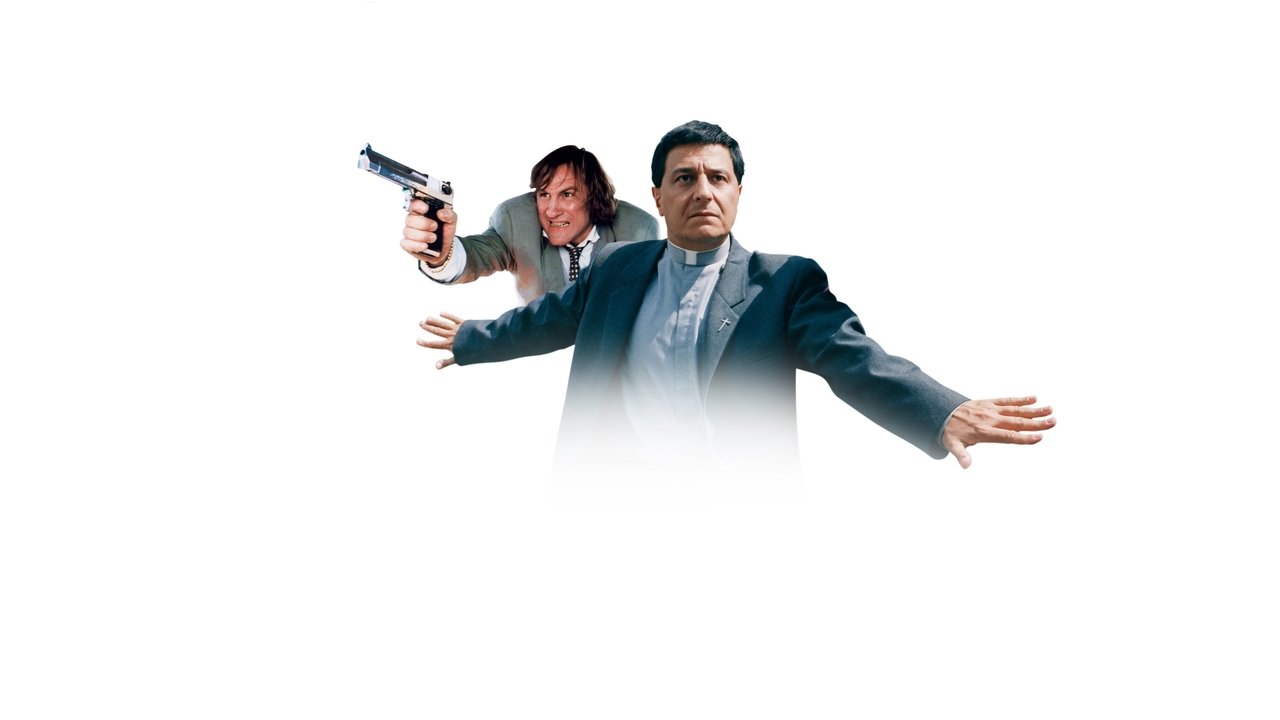
Imagine this pitch: Gérard Depardieu, playing Antoine Carco, a cynical, borderline-sleazy nightclub owner and general bon vivant, gets saddled with transporting a kid from Hong Kong back to France for a dying friend. Simple enough, right? Wrong. Turns out the kid is carrying something valuable the Triads want, and Carco accidentally gets lumbered with the ghost – or rather, the physical manifestation of the conscience – of a squeaky-clean, perpetually exasperated priest, Father Hervé Tarain, played with manic energy by the one and only Christian Clavier. Tarain, you see, also died trying to help the same kid. Now, these two polar opposites are literally stuck together, popping in and out of existence, bickering relentlessly, and generally causing chaos across continents. It’s the odd couple premise juiced up on espresso and dropped into an action-comedy blender set to ‘pulverise’.
### The Dynamic Duo Returns

Let's be honest, the main draw here is the reunion of Depardieu and Clavier under Poiré’s direction. After Les Visiteurs became a cultural phenomenon in France, expectations were sky-high, and the budget reflected that – a whopping 130 million French Francs (around $26 million USD back then, a massive sum for a French production, probably close to $50 million today!). Guardian Angels leans heavily into the established chemistry. Depardieu brings his immense screen presence, effortlessly embodying the gruff, hedonistic Carco who finds himself increasingly bewildered by his sudden moral compass. Clavier, meanwhile, dials his signature neurotic energy up to eleven, portraying Tarain as a bundle of righteous indignation and panicked flailing. Their constant bickering, misunderstandings, and moments of begrudging teamwork are the engine driving the film, fuelled by Poiré and Clavier's rapid-fire script.
### French Farce Meets Hong Kong Action (Sort Of)
The film splits its time between Paris and Hong Kong, and while the Parisian scenes feel like familiar ground for Poiré, the Hong Kong sequences add a welcome dash of exoticism and fish-out-of-water comedy. Don't expect intricate John Woo-style ballets of bullets, though. The action here is pure Poiré: chaotic, loud, and primarily serving the comedic set pieces. There are car chases, shootouts, and frantic escapes, but they often dissolve into slapstick or are punctuated by the bizarre appearances and disappearances of Clavier’s angelic pest. It’s less about meticulously choreographed stunt work and more about sheer, unadulterated pandemonium. Remember that frantic sequence on the plane? It perfectly encapsulates the film's blend of perceived danger and utter absurdity. The practical effects are mostly limited to making Clavier appear and vanish, which, while simple, is used relentlessly for comedic timing.
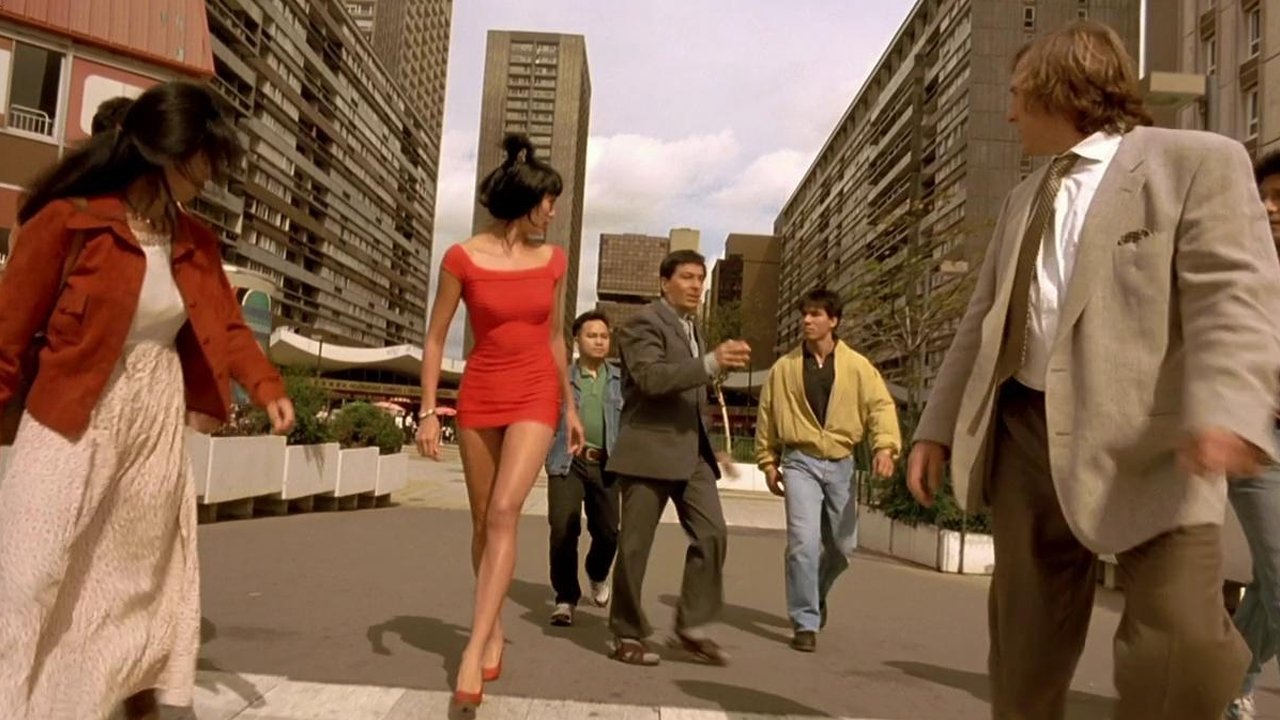
One fascinating tidbit is how the production navigated filming in bustling Hong Kong. While some key exteriors were shot on location, capturing that unique energy, Poiré cleverly utilized studio work and meticulous editing to blend it seamlessly with the French-shot interiors, maintaining the film's breakneck pace without breaking the (already enormous) bank further. It’s a testament to the canny production management needed for such an ambitious Franco-Asian venture in the 90s.
### Laugh Riot or Sensory Overload?
The humour is broad, fast, and very, very French. Think exaggerated reactions, physical comedy bordering on the cartoonish, and a healthy dose of shouting. If you enjoyed the high-energy antics of Les Visiteurs, you'll likely find plenty to enjoy here. Éric Lévi's score, much like his work on Visiteurs, is bombastic and ever-present, underscoring every gag and chase with relentless enthusiasm. However, be warned: subtlety is not in this film’s vocabulary. The pacing is relentless, the performances are pitched high, and the central gimmick of the appearing/disappearing angel is milked for all its worth. For some, it might feel exhausting; for others, it’s part of the exhilarating, over-the-top charm. It’s the kind of film you might have stumbled upon late one night on some obscure cable channel, wondering what exactly you were watching but unable to look away.
Supporting players like Eva Grimaldi as Carco’s glamorous girlfriend add to the colourful chaos, but the spotlight rarely strays from the central odd couple. The film doesn't really aim for deep character arcs; it's about the immediate comedic friction and the increasingly ludicrous situations the premise throws up.
### Massive Hit, Cult Curiosity
In France, Guardian Angels was another colossal success for the Poiré/Clavier/Depardieu team, becoming one of the highest-grossing films of the year and cementing their status as box office royalty. Internationally, however, it barely made a ripple, proving perhaps too culturally specific or just too darn frantic for broader tastes. Watching it today feels like unearthing a time capsule of a specific brand of European blockbuster filmmaking – loud, unapologetic, and utterly convinced of its own comedic brilliance. It didn't quite achieve the iconic status of Les Visiteurs, but it's a fascinating companion piece. Interestingly, despite the huge domestic success, Poiré wouldn't direct Depardieu and Clavier together again until Les Visiteurs II: The Corridors of Time a few years later.
***
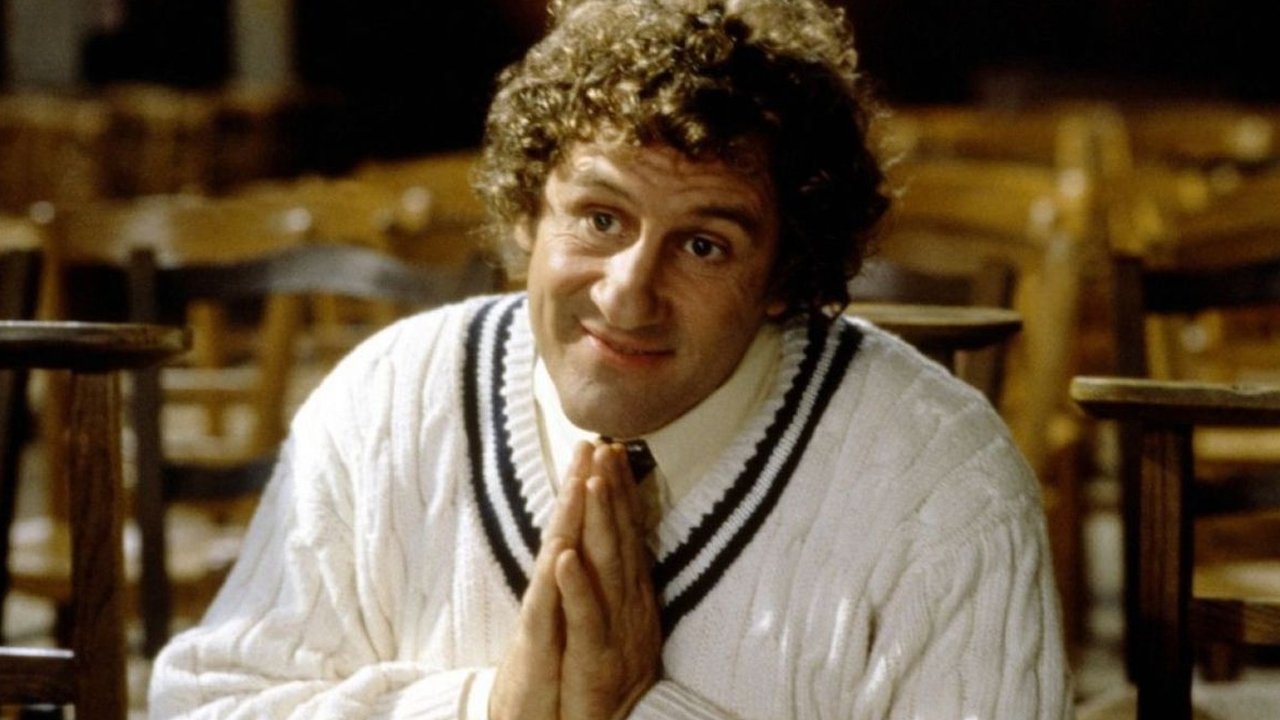
VHS Heaven Rating: 7/10
Justification: Guardian Angels earns a solid 7 primarily for the sheer, unbridled energy and the proven comedic dynamite of the Depardieu/Clavier pairing under Poiré's hyperactive direction. It’s a technically proficient slice of big-budget 90s European filmmaking that fully commits to its ludicrous premise. The massive success in its home country speaks volumes about its effectiveness for its target audience. However, it loses points for its relentless, potentially exhausting pace, its extremely broad (and occasionally dated) humour that won't land with everyone, and action sequences that favour chaos over memorable choreography. It lacks the narrative novelty of Les Visiteurs, feeling more like a (very successful) victory lap leveraging a proven formula.
Final Rewind: This is pure, unfiltered 90s French farce dialled up to maximum volume. If you're nostalgic for a time when blockbusters could be this unapologetically weird and driven by sheer star power chemistry, Guardian Angels is a chaotic, often hilarious blast from the past, best enjoyed loud.