The air in the Buffalora cemetery hangs thick and still, disturbed only by the buzzing of flies and the occasional, inconvenient resurrection. Seven days after burial, they claw their way back up, the "Returners," shambling and hungry. For Francesco Dellamorte, the cemetery keeper, it’s just part of the job description: put them back down, preferably with a well-aimed bullet to the head. Welcome to the beautifully bizarre, darkly funny, and existentially troubled world of Michele Soavi’s 1994 masterpiece, Cemetery Man (originally, and perhaps more poetically, Dellamorte Dellamore - "Of Death, Of Love").
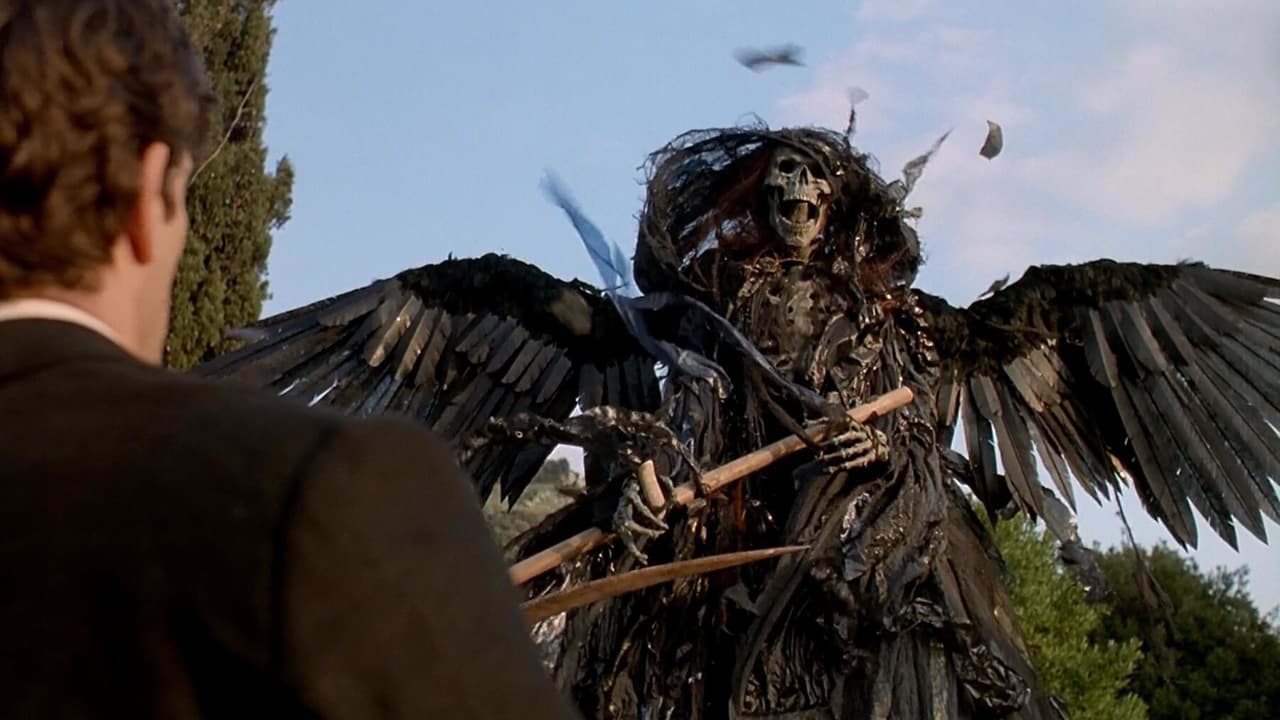
This wasn't your standard slasher or ghost story lurking on the shelves of the video store back in the day. Finding this tape felt like uncovering something illicit, something stranger and more artful than its lurid cover might suggest. I distinctly remember the grainy quality of the VHS adding another layer to its already dreamlike, or perhaps nightmarish, atmosphere. It felt less like a straightforward horror film and more like a weird European comic book brought to life, soaked in graveyard damp and philosophical resignation.
A Keeper of Secrets and Skulls
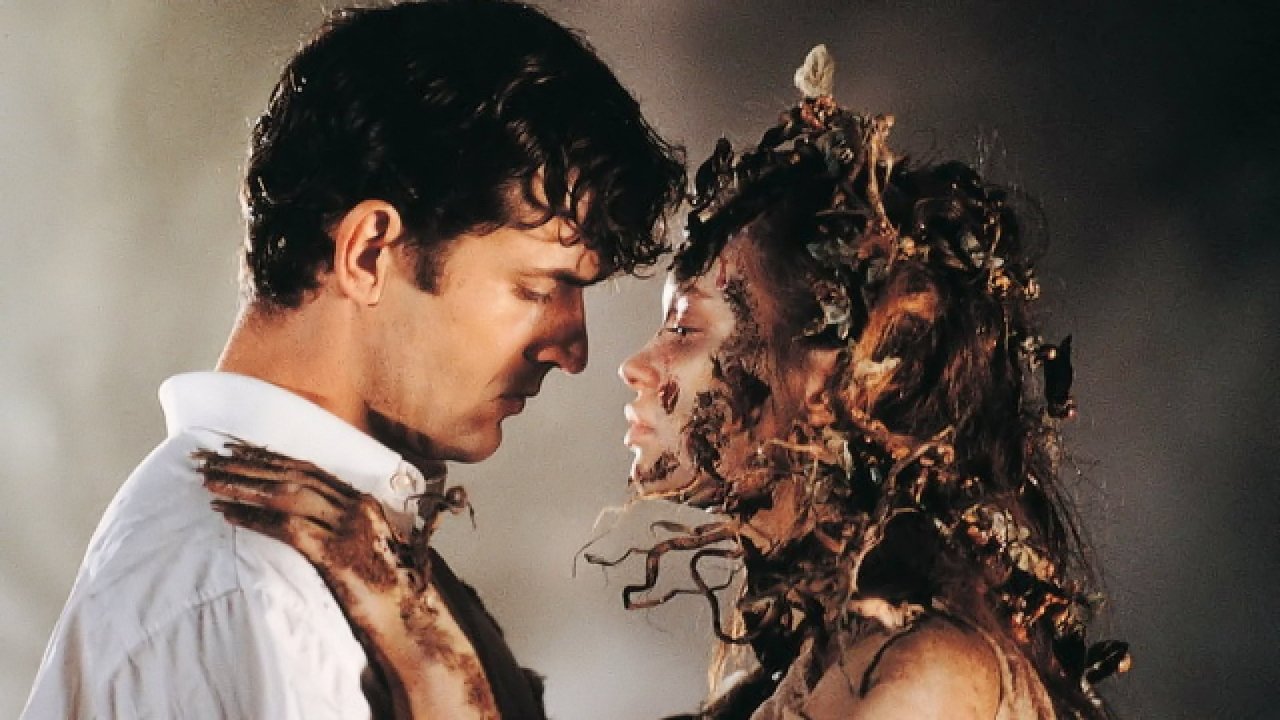
At the heart of this strange fairytale is Rupert Everett as Francesco Dellamorte. Everett, often known for more suave roles, embodies Francesco's world-weariness perfectly. He’s handsome, intelligent, and utterly bored by the cyclical nature of his existence – kill the dead, bury the new dead, repeat. His only companion is the lumbering, nearly mute Gnaghi (François Hadji-Lazaro), whose childlike devotion and unexpected moments (like vomiting maggots or falling in love with a severed head) provide much of the film’s grotesque humor. Everett's portrayal was apparently so striking that it later influenced the look of the Italian comic book character Dylan Dog, whose creator, Tiziano Sclavi, also penned the novel Dellamorte Dellamore upon which the film is based. It's a fascinating loop – the film inspired by the literary world influencing the visual world of comics.
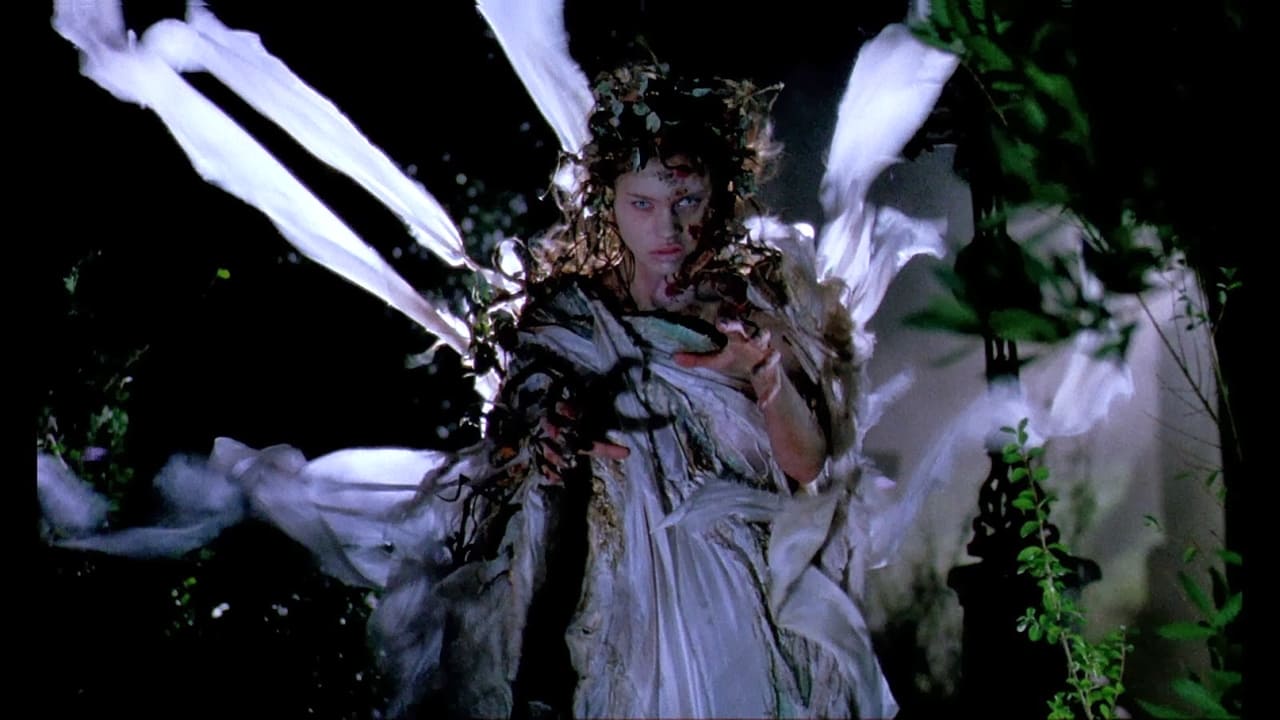
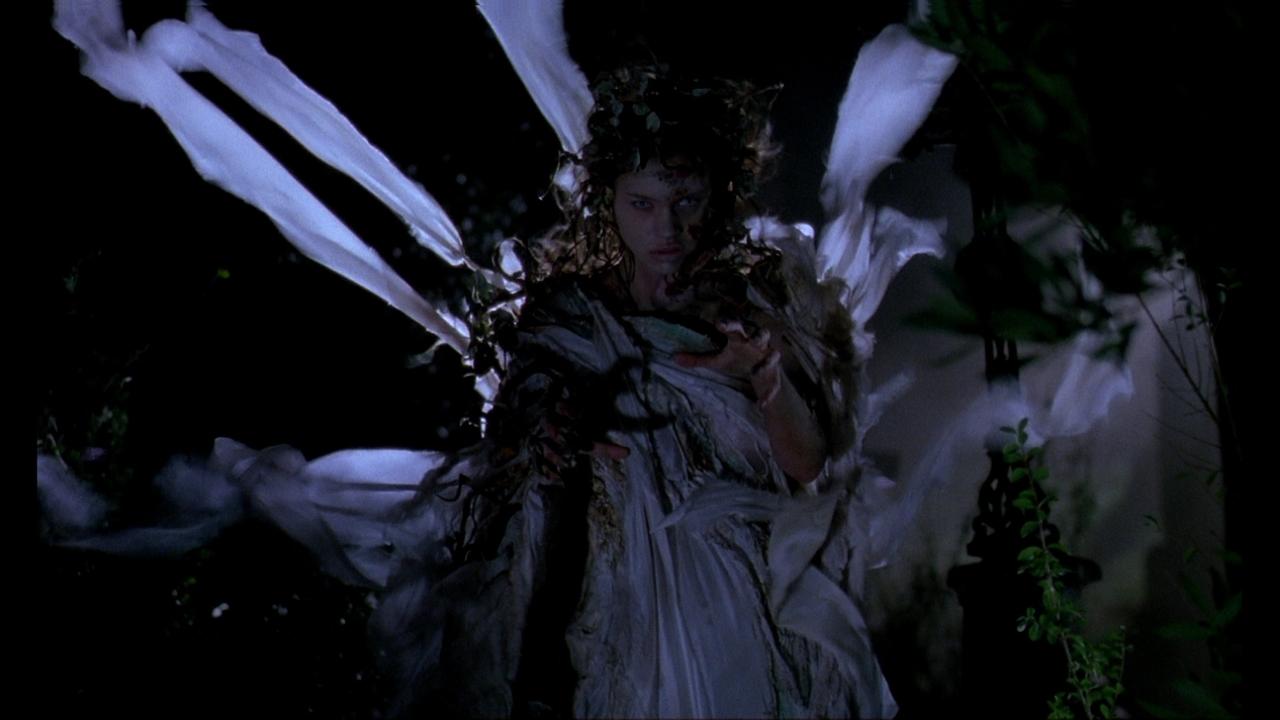
Their performances are central to the film's peculiar charm. Everett delivers lines about love, death, and the futility of it all with a deadpan irony that somehow makes the surrounding absurdity feel grounded. Hadji-Lazaro, meanwhile, conveys so much with so little, a truly memorable physical performance that balances the tragic and the comedic. And then there's Anna Falchi, credited simply as "She," appearing in multiple guises – primarily as a captivating widow who ignites Francesco's desperate longing for connection, only for death (and undeath) to intervene repeatedly. Her ethereal presence underscores the film’s themes of elusive love and inevitable loss.
Beauty in the Decay
Michele Soavi, a protégé of the legendary Dario Argento (he served as assistant director on films like Tenebrae (1982) and Phenomena (1985)), directs with a visual flair that elevates Cemetery Man beyond mere genre fare. The Buffalora cemetery isn't just a setting; it's a character – sprawling, gothic, filled with crumbling crypts and overgrown statues, bathed in moonlight that feels both romantic and menacing. Soavi uses the frame like a painter, creating compositions that are often strikingly beautiful, even amidst the carnage. The practical effects for the "Returners" are wonderfully old-school; they possess a tangible quality that digital effects often lack. They aren't always terrifying in the modern sense, but their physicality, combined with Soavi's atmospheric direction and Manuel De Sica's haunting score, creates a unique sense of unease. Remember the zombie boy scout troop? Or the biker rising from the grave, still fused to his motorcycle? It’s that blend of the macabre and the surreal that sticks with you.
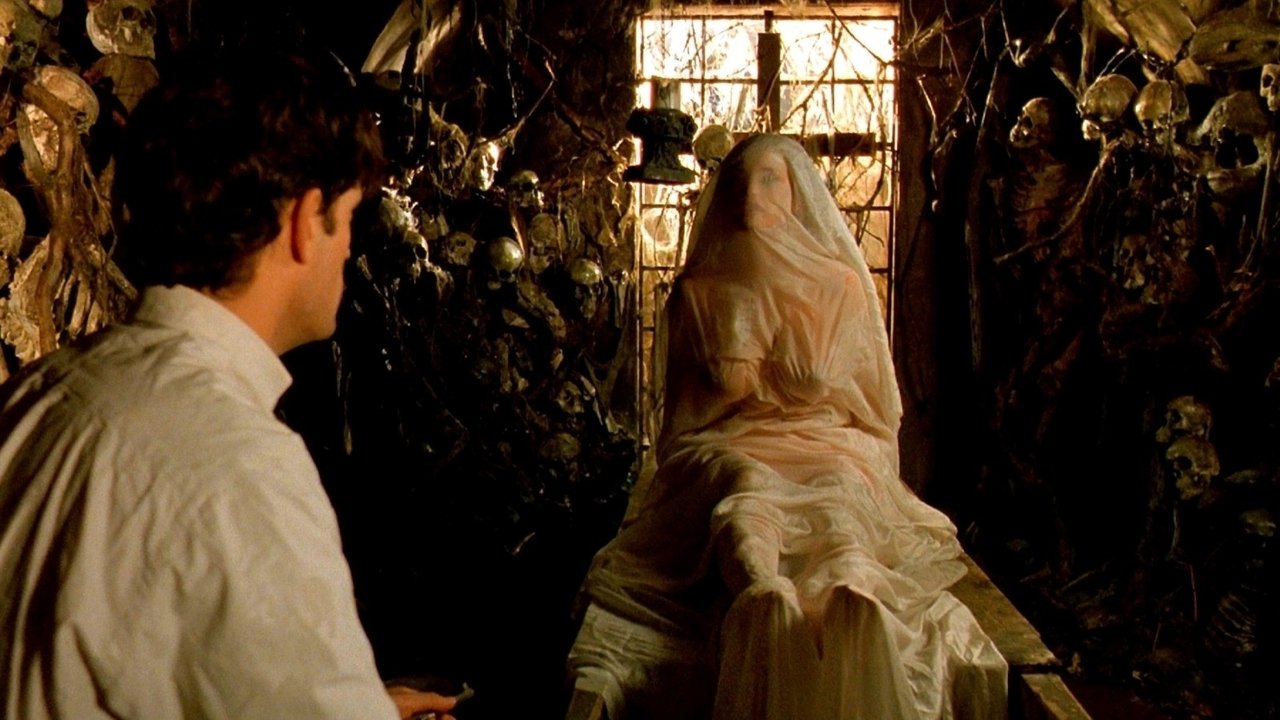
Interestingly, the production faced challenges finding the perfect cemetery, eventually using a location in Poggiardo, Lecce, in Southern Italy, enhancing its unique, sun-drenched yet decaying look. It wasn't a massive budget film (details are scarce, but typical for Italian genre films of the era), relying heavily on atmosphere and creative ingenuity rather than expensive set pieces, which arguably contributes to its lasting charm.
Beyond the Grave, Beyond Genre
What truly sets Cemetery Man apart is its refusal to be pigeonholed. Is it a horror film? Yes, there's gore and zombies. Is it a romance? Francesco’s yearning for "She" is palpable. Is it a black comedy? Absolutely, the deadpan reactions and absurd situations often provoke dark laughter. But beneath it all, it’s grappling with something deeper – existential dread, the meaninglessness of routine, the confusion between the living and the dead, love and obsession. The film grows increasingly surreal as Francesco's grasp on reality seems to fray. Did that twist involving the town outside the cemetery genuinely make you question everything you’d seen? The lines blur, logic dissolves, and the film culminates in one of the most baffling and strangely poignant endings in 90s cult cinema.
It wasn't a huge box office hit upon release, finding its devoted audience, as many gems did, through home video and word of mouth. It became that film – the weird Italian zombie movie you had to tell your friends about. It represented a high point for Soavi, whose promising directorial career was sadly curtailed by personal tragedy soon after. Yet, Cemetery Man remains a testament to his unique vision.
Final Judgment
Cemetery Man is a film that defies easy categorization and lingers long after the credits roll. It's visually stunning, darkly funny, strangely moving, and utterly unique. It embodies that thrill of discovery from the VHS era – finding something unexpected, something that bends the rules and leaves you thinking. While its pacing might meander for some, and its blend of tones might not resonate with everyone, its sheer audacity and artistic ambition are undeniable. It captures a specific kind of European genre filmmaking that feels increasingly rare.
Rating: 9/10
This score reflects the film's exceptional visual style, unique tone, memorable performances, and its enduring status as a cult classic that perfectly balances horror, humor, and philosophical melancholy. It’s a near-perfect encapsulation of ambitious, artful genre filmmaking from the era.
For fans of Italian horror, bizarre cinema, or anyone who misses the days of discovering weird gems on video store shelves, Cemetery Man remains essential viewing – a beautiful nightmare you won't soon forget. Doesn't that final shot still echo with a chilling uncertainty?