Okay, settle in, fellow VHS hunters. Remember those slightly rarer finds at the back of the video store? The ones with intriguing cover art but maybe a subtitled language that made you pause? Sometimes, taking a chance on those yielded something truly special, a film that didn't just entertain but resonated on a deeper, more personal level. Nanni Moretti's Dear Diary (Caro diario) from 1993 (though many of us likely found it after its Best Director win at Cannes in 1994) was exactly that kind of discovery – a film that felt less like a constructed narrative and more like flipping through the intimate, funny, and sometimes profoundly moving pages of someone's actual life.
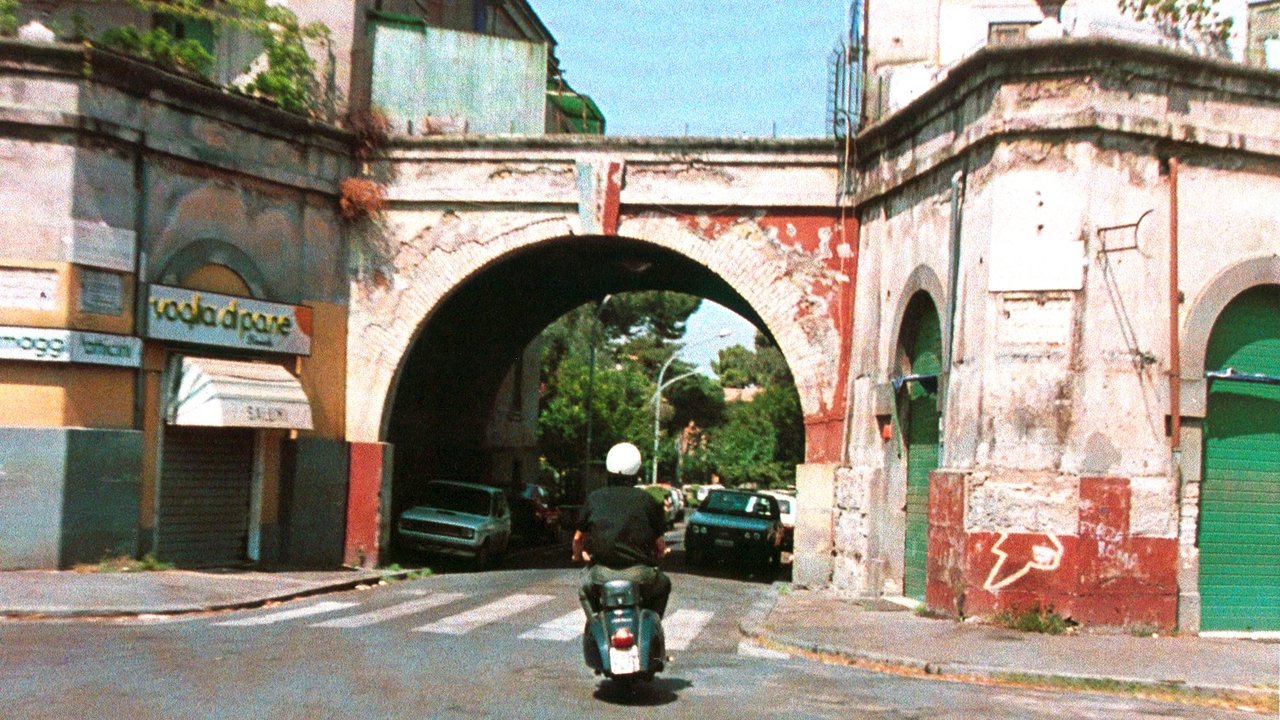
### Riding Through Rome, Riding Through Life
The film opens not with a bang, but with the gentle hum of a Vespa. Nanni Moretti, playing a version of himself, glides through the sun-drenched, often deserted streets of Rome in August. This first chapter, "On My Vespa," is pure cinematic poetry. There's no driving plot, just observation, musings, and encounters. He comments on architecture he dislikes, eavesdrops on conversations, spontaneously decides to visit Ostia to see where the filmmaker Pasolini was murdered, and dances solo in the street to infectious world music. It's whimsical, charming, and captures a feeling of liberation and quiet contemplation. I recall watching this section on my old CRT, the warmth of the Italian summer practically radiating off the screen, a stark contrast to whatever grey weather might have been outside my own window. It felt… real. Moretti isn't just showing us Rome; he's sharing his experience of Rome, his thoughts echoing in voiceover like personal diary entries. The soundtrack here is key, featuring artists like Leonard Cohen and Khaled, perfectly complementing the meandering, meditative mood.
### Islands of Isolation and Observation
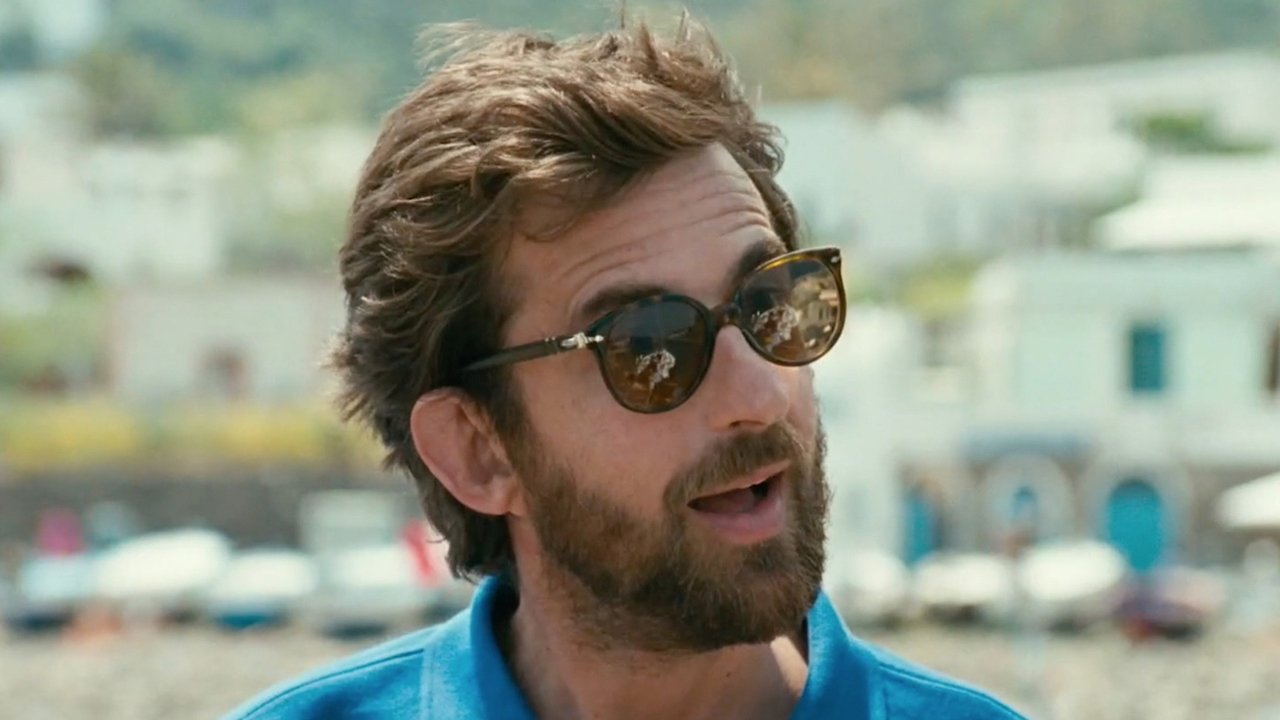
The second chapter, "Islands," shifts gears. Moretti travels with a friend, Gerardo (Renato Carpentieri), an academic obsessed with James Joyce's Ulysses, to the Aeolian Islands. Gerardo hasn't watched television in decades, and their journey becomes a humorous, slightly melancholic exploration of intellectual isolation versus mass culture, and the difficulty of finding genuine peace and quiet, even on remote islands. There's a gentle critique here of pretentious intellectualism, but also a searching quality – what does it mean to connect, or disconnect, in the modern world? This section contains a wonderfully funny sequence where Moretti skewers the state of contemporary Italian cinema, lamenting the lack of compelling stories. It’s moments like these, blending cultural commentary with personal observation, that elevate Dear Diary beyond simple autobiography. You get the sense Moretti is genuinely working through these ideas on screen.
### Facing the Abyss: A Doctor's Diary
(Minor Spoilers Ahead for the film's premise)
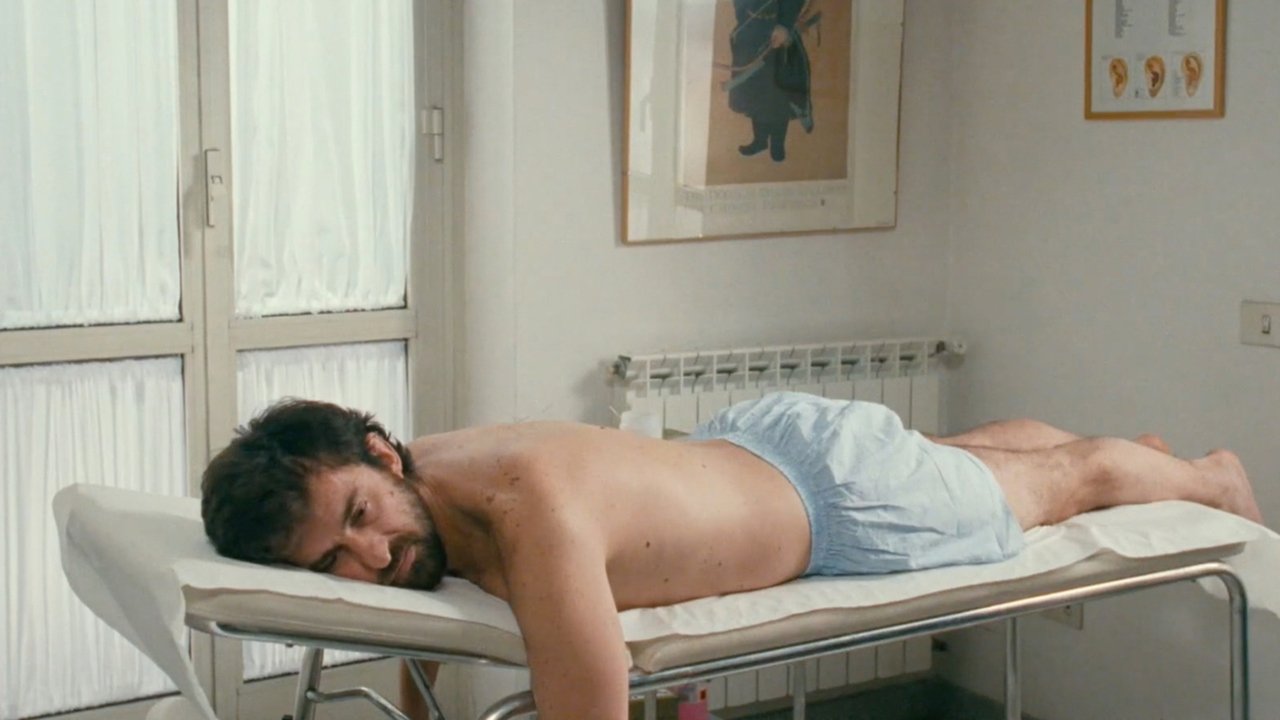
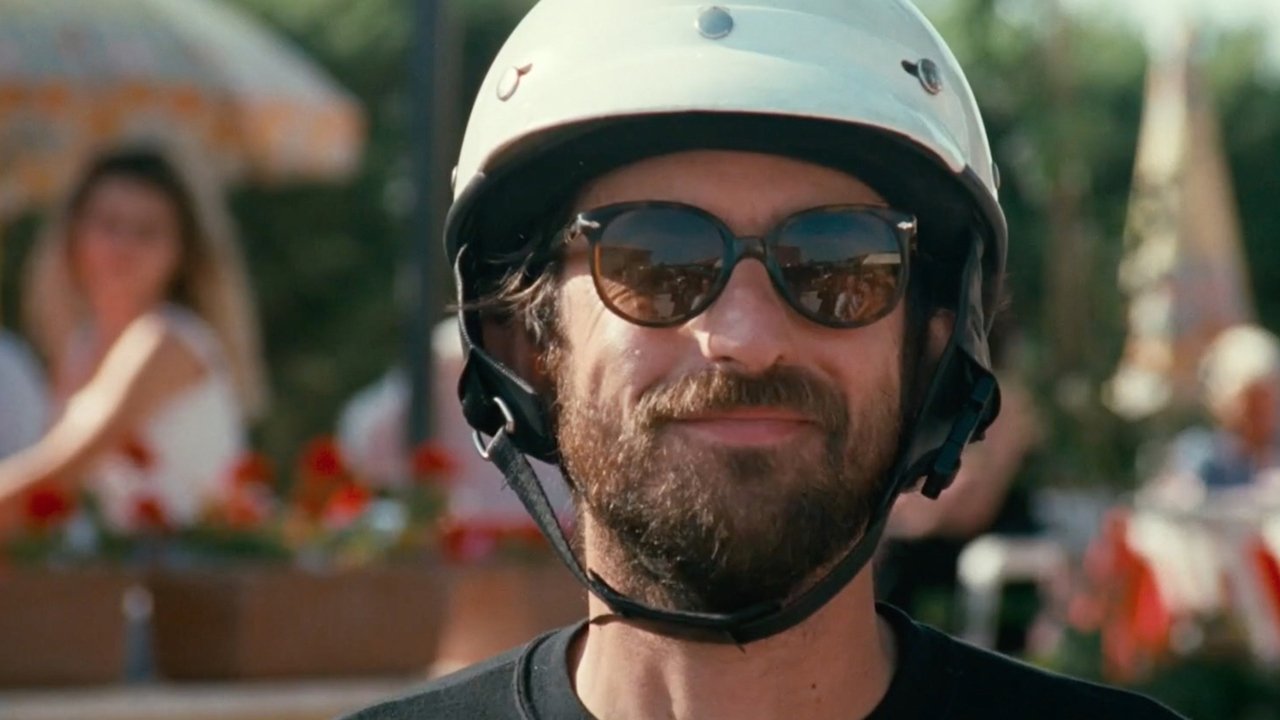
The film's tone takes a significant, poignant turn in its final chapter, "Doctors." Here, Moretti recounts, with unflinching honesty and dark humor, his real-life struggle with Hodgkin's lymphoma. We follow his frustrating journey through the medical establishment, consulting numerous specialists who misdiagnose his persistent, agonizing rash and cough, prescribing ineffective and sometimes contradictory treatments. The ordeal is presented not with self-pity, but with a kind of bewildered detachment and sharp observational wit. He meticulously documents the condescension, the incompetence, the sheer absurdity he faced. I remember this part hitting hard. It felt incredibly brave for a filmmaker to lay bare such vulnerability, transforming personal trauma into a universally relatable critique of healthcare systems. It wasn't something you saw often, especially packaged within such an otherwise lighthearted film. This chapter, based directly on Moretti's own harrowing experience which led to his eventual successful chemotherapy treatment after the film's events were documented, is what lingers most. It’s a powerful reminder of the fragility of life and the importance of listening, truly listening, to patients. Reportedly, Moretti even used his actual medical scans in the film, blurring the line between filmmaker and subject completely.
### The Man Behind the Vespa
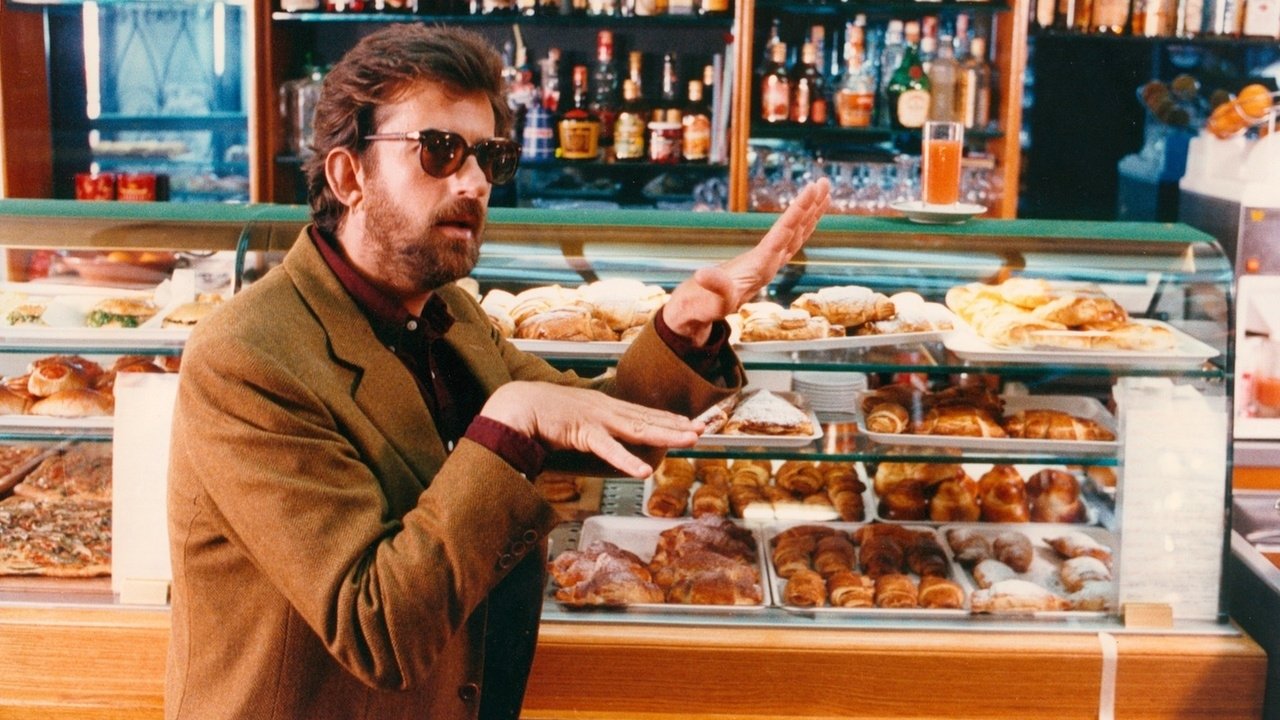
What makes Dear Diary work so beautifully is Nanni Moretti himself. His on-screen persona – intelligent, neurotic, funny, observant, slightly curmudgeonly yet deeply humane – is utterly captivating. He directs with a deceptively simple style, favouring long takes and allowing moments to breathe. His direct address to the camera doesn't feel like a gimmick; it feels like an invitation, pulling us into his confidence. It's a performance of pure authenticity, precisely because he isn't really performing in the traditional sense. He's sharing. We see this same distinctive voice in his other works, like The Son's Room (2001), which won the Palme d'Or, but Dear Diary feels like the purest distillation of his cinematic worldview.
This wasn't your typical 90s video rental – no explosions, no car chases (well, besides the Vespa), no conventional plot arc. Finding Dear Diary felt like discovering a hidden channel, one broadcasting directly from the filmmaker's soul. It's a film that celebrates the small moments – a beautiful day, a favourite song, a shared observation – while confronting the big questions with courage and wit. It asks us, gently, what truly matters in our own lives.
Rating: 9/10
This rating reflects the film's unique structure, profound honesty, effortless charm, and lasting emotional impact. It's a near-perfect blend of personal essay, travelogue, social commentary, and health memoir, executed with a singular vision. The slight deduction acknowledges that its deliberately meandering pace and arthouse sensibility might not connect with absolutely everyone, but for those willing to go along for the ride, it's unforgettable.
Dear Diary remains a testament to the power of personal filmmaking, a reminder that sometimes the most compelling stories are the ones drawn directly from life, shared with warmth, humor, and unflinching truth. It’s a film that stays with you, like a long, thoughtful conversation with a fascinating friend.