Alright, pop that tape in, maybe give the tracking knob a little wiggle for authenticity, because we're diving headfirst into the audacious, frequently hilarious world of 1993's CB4. Forget subtly nuanced character studies; this flick grabbed the burgeoning, often controversial, gangsta rap phenomenon by its gold chains and gave it a loving, satirical wedgie. If you remember renting this from Blockbuster based solely on the cover art depicting three guys looking way tougher than they probably were, you're in the right place.
### Straight Outta Locash: From Nice Guys to Notorious MCs
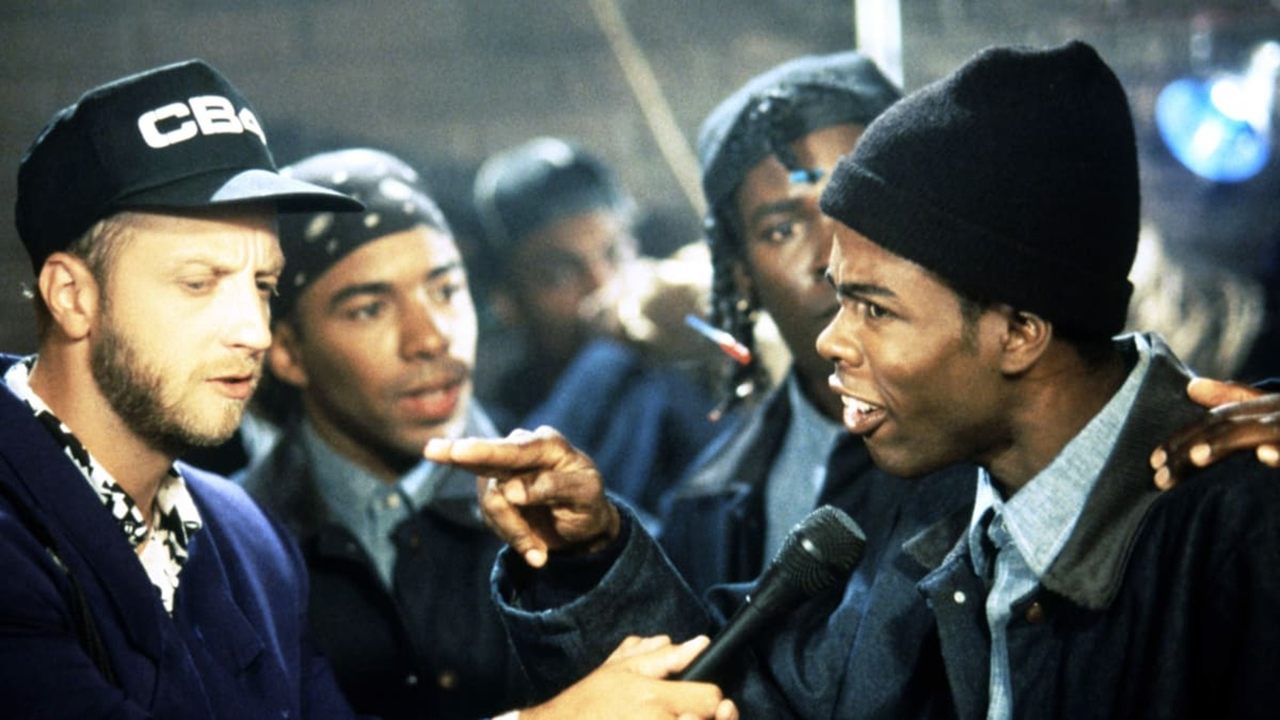
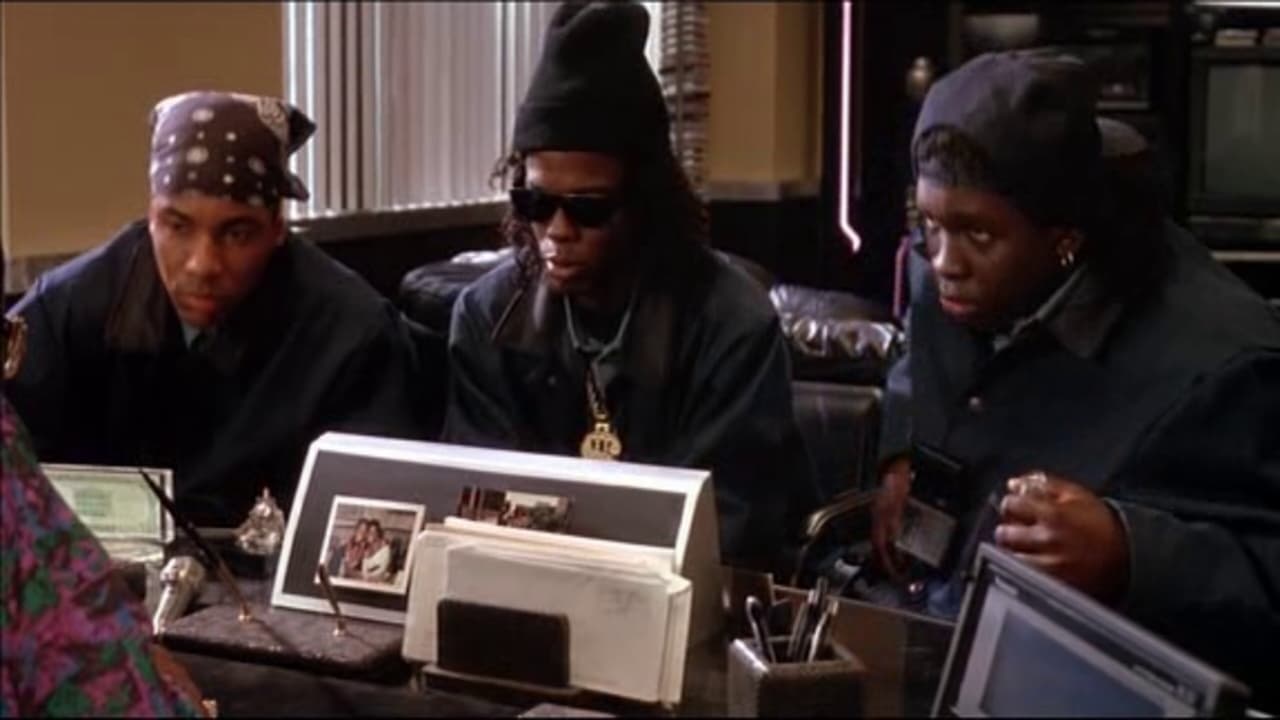
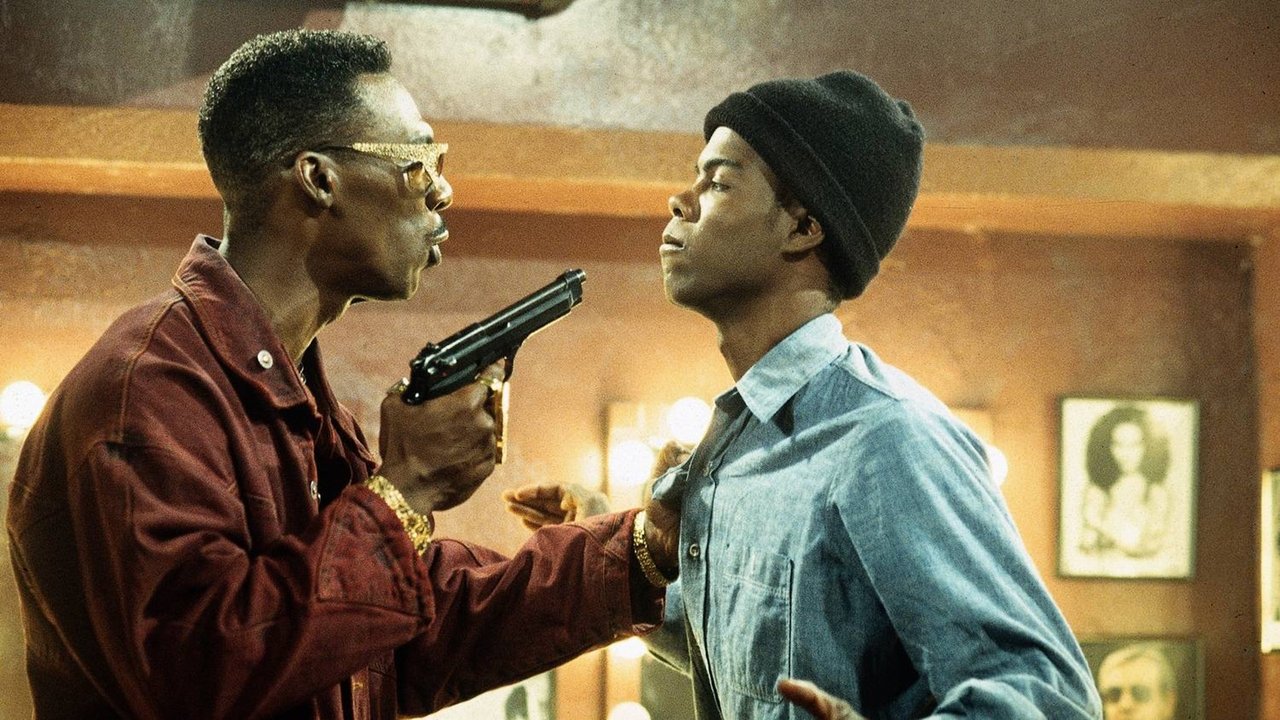
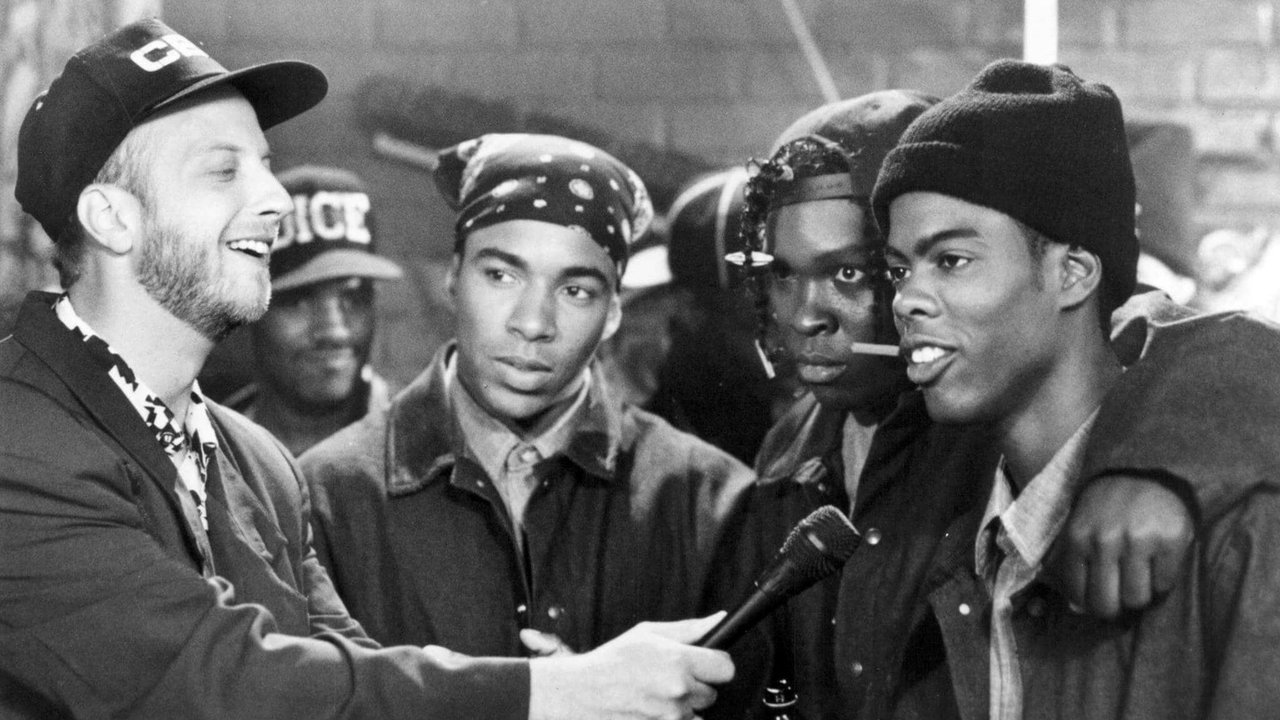
Before mockumentaries became a dime a dozen, CB4 offered a brilliantly sharp take, framed through the lens of an aspiring filmmaker, A. White (played with perfect cluelessness by Chris Elliott). Our heroes are Albert (Chris Rock), Euripides (Allen Payne), and Otis (Deezer D), three decidedly middle-class friends from Locash, California, with dreams bigger than their suburban reality. Frustrated by rejection, Albert witnesses local tough guy Gusto (Charlie Murphy in a scene-stealing, menacing role) getting arrested. In a moment of inspired (and potentially life-threatening) opportunism, Albert steals Gusto's name, backstory, and hardcore persona, transforming himself and his buddies into MC Gusto, Dead Mike, and Stab Master Arson – the notorious rap group CB4 (Cell Block 4). What follows is a meteoric rise fueled by fabricated street cred, outrageous lyrics, and the public's insatiable appetite for gangsta authenticity, all while the real Gusto stews in prison, plotting his return.
The premise itself is gold, tapping directly into the zeitgeist of the early 90s. N.W.A. had exploded onto the scene just a few years prior, changing music and terrifying parents, and the line between performance art and reality was becoming increasingly blurred. CB4 wasn't just laughing at gangsta rap; it was laughing with the absurdity of the hype machine surrounding it. Chris Rock, who co-wrote the script with acclaimed music journalist Nelson George and Robert LoCash, was perfectly positioned for this. Already making waves on Saturday Night Live, Rock brings an electrifying, slightly manic energy to Albert/Gusto. You totally buy his transformation from nervous wannabe to swaggering rap star, even as the inherent comedy of the situation constantly bubbles beneath the surface. It's fascinating to know Rock and George really wanted to nail the nuances, drawing heavily on their insider knowledge of the rap world’s inner workings and sometimes ridiculous posturing.
### Keeping It Real… Fake
What makes CB4 endure beyond just being a time capsule is how well it skewers its targets. The music videos within the film – like the infamous "Sweat from My Balls" – are pitch-perfect parodies of the era's low-budget, high-impact visuals. Remember those? The slightly distorted fish-eye lenses, the gratuitous slow-motion, the posses just milling around? CB4 nails it. The lyrics are equally outrageous, pushing the boundaries of taste in a way that felt both shocking and hilarious back then (and, let's be honest, still kind of does).
Director Tamra Davis, who came up directing iconic music videos for artists like the Beastie Boys and Tone Loc, was the perfect choice to helm this project. Her experience gave the film's musical sequences and overall aesthetic an authentic feel, even within the parody. She knew how to capture that specific early 90s hip-hop energy. She wasn't just making a comedy; she was making a comedy about a specific, visually driven culture, and it shows. The supporting cast is also key: Allen Payne and Deezer D provide the perfect foils as the slightly-less-committed members of the group, and Phil Hartman delivers a typically brilliant performance as Virgil Robinson, a conservative politician trying to shut CB4 down while simultaneously (and hypocritically) using them for his own gain. His smarmy opportunism feels depressingly timeless. And we can't forget the brilliant cameos from actual hip-hop royalty like Ice-T, Ice Cube, Flavor Flav, and even a brief appearance by Eazy-E, lending a layer of meta-authenticity to the whole affair.
### More Than Just Jokes: Behind the Rhymes
While CB4 is primarily a comedy, it lands some solid punches about media sensationalism, the manufacturing of celebrity, and the complexities of race and identity in entertainment. The way the media and fans unquestioningly embrace CB4's violent fiction speaks volumes. It smartly pokes fun at the fans who crave the "danger" from a safe distance and the industry executives happy to profit from it, regardless of the message. It's interesting to note the film was made for a relatively modest $6 million but managed to pull in nearly $18 million at the box office – proving there was definitely an audience hungry for this kind of satire.
Of course, watching it today, some elements feel distinctly of their time. The fashion, the slang, the sheer earnestness of some of the parody – it's a glorious blast of 90s nostalgia. Does every joke land perfectly thirty years later? Maybe not. But the core satirical engine – the commentary on authenticity, hype, and the often-absurd nature of fame – remains remarkably potent. It’s less about the specific targets (though the N.W.A. parallels are unmistakable) and more about the universal silliness of trying to be something you're not, especially when that something involves bragging about fictional crimes while the real criminal wants his identity back.
Final Thoughts:

CB4 is a sharp, funny, and surprisingly insightful snapshot of a specific moment in music and cultural history. It’s Chris Rock finding his cinematic voice, Tamra Davis showcasing her knack for culturally attuned comedy (before giving us gems like Billy Madison and Half Baked), and a supporting cast that totally commits to the bit. It may not have the polished sheen of later mockumentaries, but its raw energy and affectionate skewering of early 90s hip-hop culture make it a vital watch for fans of the era. It understood the scene well enough to parody it perfectly.
Rating: 7.5/10
This rating reflects CB4's success as a pointed satire and effective comedy that perfectly captured its time. While some elements feel dated, its core message, Chris Rock's star-making energy, and its sheer nostalgic value keep it highly entertaining. It’s a hilarious reminder that sometimes, the best way to understand a phenomenon is to lovingly make fun of it. Definitely worth digging out of the VHS archives for a rewatch – just make sure your VCR heads are clean for those crucial rap video sequences.