Ah, the humble animated short. Sometimes, tucked away at the start of a feature presentation VHS, or maybe popping up unexpectedly during a Saturday morning cartoon block, you'd stumble across absolute gold. Not the slick, polished Disney fare, but something... different. Something wonderfully weird, maybe a little dark, and utterly unforgettable. If that rings a bell, chances are you might have encountered the frantic, hilarious, nine-lives-fueled nightmare that is Cordell Barker's 1988 masterpiece, The Cat Came Back.
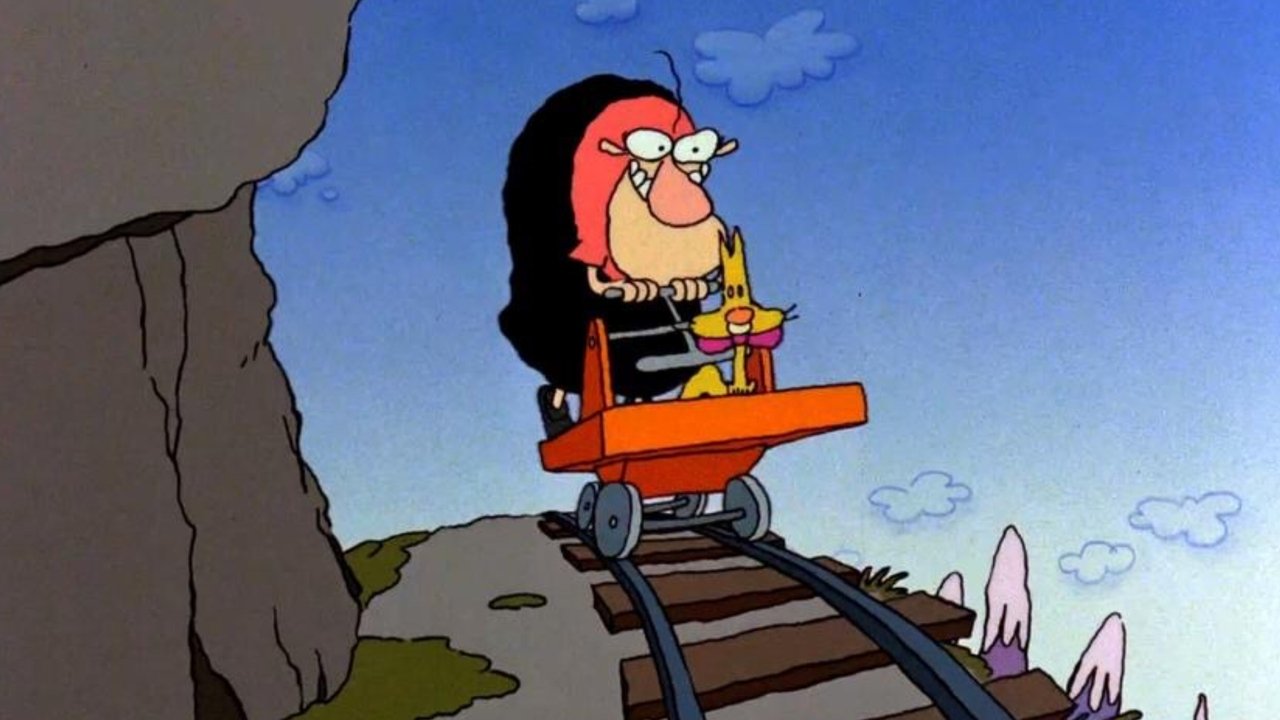
This wasn't just any cartoon cat. This was the cat. The little yellow feline agent of chaos gifted to the perpetually unlucky Old Mr. Johnson. What starts as a simple, unwanted gift rapidly spirals into a Sisyphean struggle of escalating absurdity. If you've ever tried, and failed, to deter a particularly stubborn animal (or perhaps even a persistent life problem), you'll find a kindred spirit in Mr. Johnson's increasingly desperate plight.
The Uninvited Guest Who Stayed... and Stayed
The genius of The Cat Came Back lies in its relentless momentum, perfectly synchronized to the jaunty, yet increasingly manic, rhythm of the title folk song (itself dating back to 1893, penned by Harry S. Miller). Mr. Johnson's attempts to rid himself of the cheerful, indestructible yellow cat become ever more elaborate and disastrous. From leaving it miles from home, to attempting increasingly dangerous disposal methods involving trains, balloons, bombs, and even deep-sea diving – nothing works. The cat, utterly oblivious or perhaps maliciously enjoying the mayhem, just... keeps coming back.
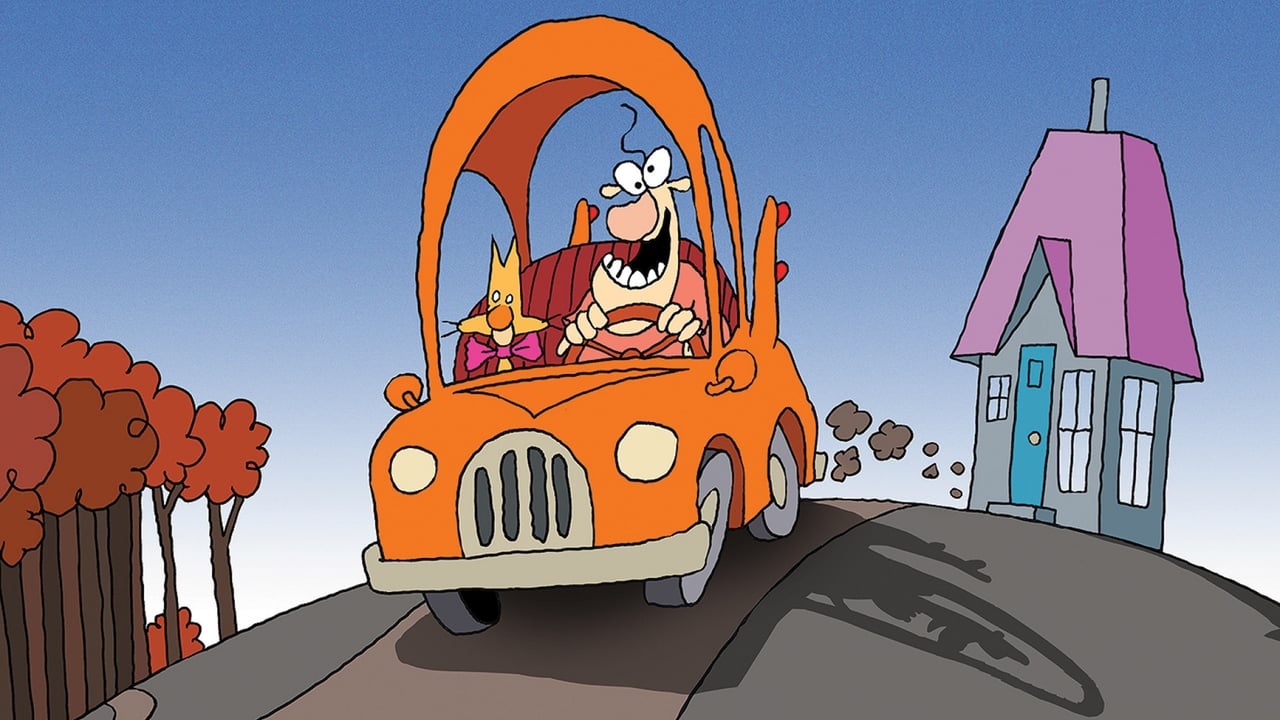
This isn't just slapstick; it's a masterclass in comedic timing and mounting desperation. Each failed attempt is funnier and more frantic than the last, pushing the boundaries of cartoon logic into darkly hilarious territory. Cordell Barker, who both wrote and directed this gem for the legendary National Film Board of Canada (NFB), doesn't shy away from the underlying grimness, making the laughter feel almost cathartic. We're laughing with Mr. Johnson's pain, recognizing that feeling of being overwhelmed by something seemingly small but utterly insurmountable.
Hand-Drawn Hysteria
Forget computer-generated smoothness; the animation here feels alive with nervous energy. Barker's style is loose, expressive, almost vibrating with the anxiety of poor Mr. Johnson. The character designs are simple but incredibly effective – the cat's infuriatingly cheerful expression versus Mr. Johnson's increasingly haggard, wide-eyed panic. It’s a perfect visual match for the story's chaotic heart. Produced by the NFB, known for fostering unique and often experimental animation (Barker would later give us the similarly brilliant, Oscar-nominated Runaway in 2009), The Cat Came Back stands as a testament to the creative freedom they offered. It’s a far cry from the mainstream animation dominating the late 80s, possessing a quirky charm and unpolished energy that feels distinctly Canadian and refreshingly different.
Retro Fun Facts
- This little short packed a punch, earning an Academy Award nomination for Best Animated Short Film in 1989 (losing out to Pixar's Tin Toy). It did, however, snag the Genie Award (Canada's equivalent of the Oscar) for Best Animated Short.
- Its seven-and-a-half-minute runtime made it a perfect filler piece. Many of us likely first saw it playing before a feature film at the local cinema or as a bonus on a compilation VHS tape – a delightful, unexpected treat.
- The NFB connection is significant. For decades, the Board has been a powerhouse of animation, producing countless acclaimed shorts and features, often with a unique artistic or social perspective. The Cat Came Back is one of its most universally beloved and recognizable hits.
Why It Still Purrs
Decades later, The Cat Came Back hasn't lost an ounce of its frantic charm. The humor, rooted in universal frustration and escalating absurdity, remains timeless. The animation style holds up beautifully, its hand-drawn energy a refreshing counterpoint to today's digital perfection. And that song? Let's be honest, it's probably worming its way into your ear right now. It’s a small film with a massive comedic impact, a testament to how much laughter and character can be packed into just a few minutes. It perfectly captures that feeling of a problem that just won't go away, wrapped in a package of pure, unadulterated cartoon lunacy.
VHS Heaven Rating: 9/10
The Cat Came Back is a near-perfect animated short. Its combination of dark humor, relentless pacing, memorable music, and distinctive animation makes it an enduring classic. It loses a single point only because, well, it is just a short – leaving you wanting more of its chaotic brilliance. It’s a concentrated dose of comedic genius that perfectly encapsulates the joy of discovering unexpected gems in the VHS era.