Tiny Toon Adventures: How I Spent My Vacation
Ah, summer vacation. For kids of the early 90s, that often meant freedom, sunshine, and maybe, just maybe, a trip to the video store for something new. And in 1992, Warner Bros. Animation delivered something quite special directly to our VCRs: Tiny Toon Adventures: How I Spent My Vacation. This wasn't just an extra-long episode; it felt like a genuine movie event, a chance to spend feature-length time with the hyperactive, hyper-referential next generation of Looney Tunes running absolutely wild outside the confines of Acme Looniversity. Landing straight on shelves, it was a pioneering move for major studio animation, bypassing theaters entirely and proving the burgeoning power of the home video market.
### An Acme Acres Exodus
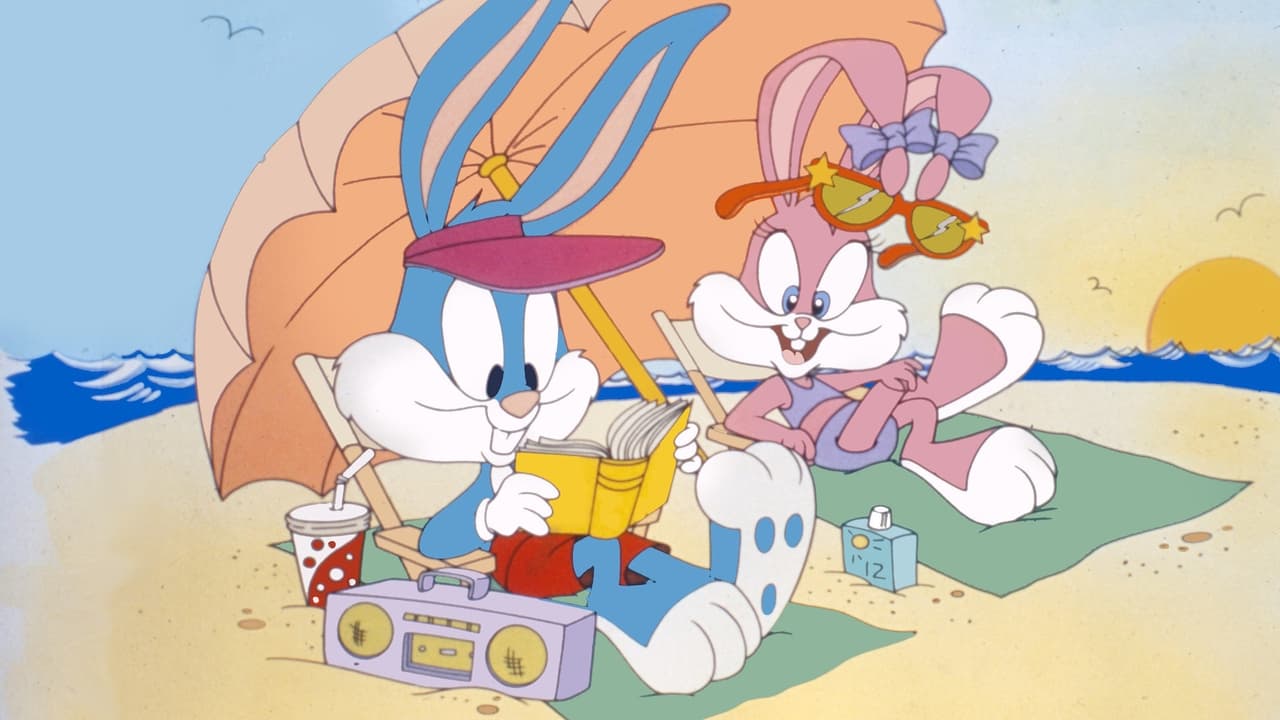
Remember the sheer chaotic energy of the Tiny Toon Adventures TV show? Helmed by a team of directors including Rich Arons and Kent Butterworth, and guided by the sharp comedic minds of writers like Paul Dini (who'd later shape Batman: The Animated Series), Tom Ruegger (the series' creator), and Sherri Stoner (also the voice of Slappy Squirrel!), this movie captured that same spirit and amplified it. The premise is simple, yet perfectly suited to the show's ensemble format: school's out, and the Tiny Toons scatter for summer adventures. We follow several intertwining (and often colliding) storylines. Buster and Babs Bunny (Charlie Adler and Tress MacNeille, respectively, delivering their usual vocal magic) start a water gun fight that escalates into a downstream journey through the perilous American South. Plucky Duck (Joe Alaskey, channeling Daffy with youthful arrogance) convinces Hamton J. Pig (the late, great Don Messick) to join him on a disastrous cross-country road trip to the promised land of Happy World Land. Meanwhile, Elmyra Duff (Cree Summer) inflicts her particular brand of smothering affection on unfortunate wildlife, and Fifi La Fume (Kath Soucie) seeks romance with her celebrity skunk crush.
### More Than Just a Long Episode
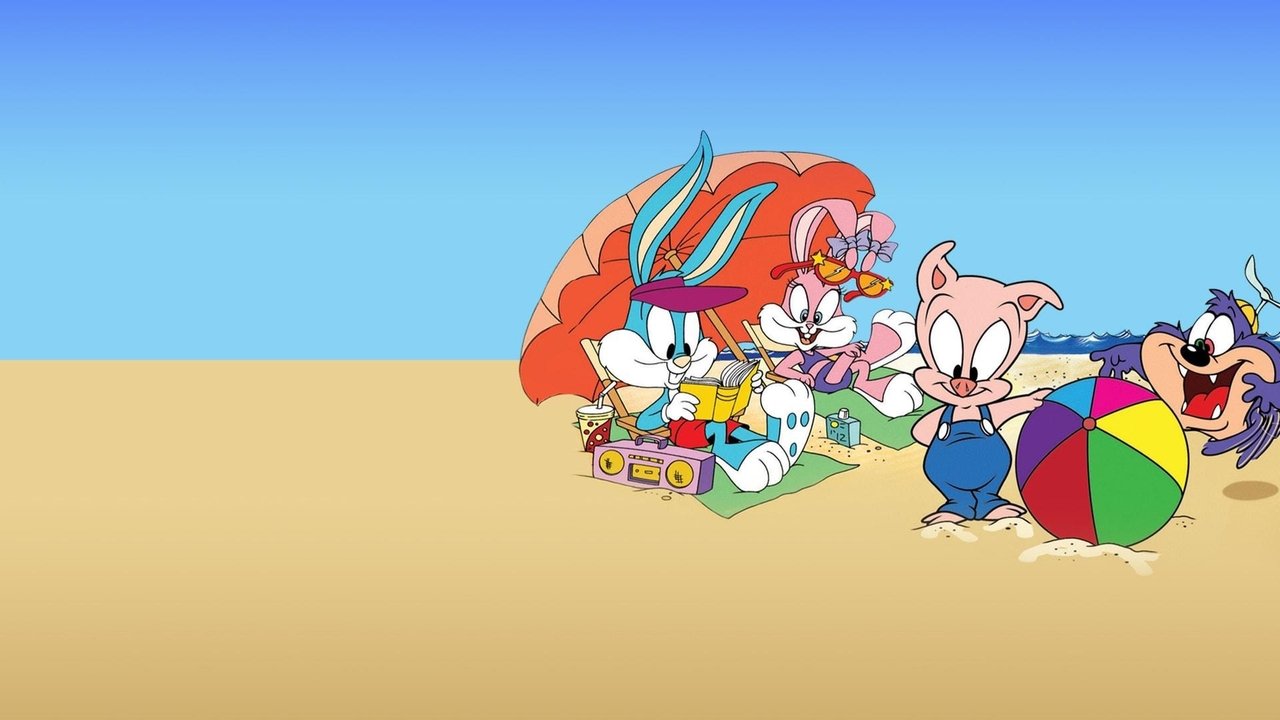
What set How I Spent My Vacation apart wasn't just its runtime (around 80 minutes, practically an epic compared to the usual 11-minute segments). It was the slightly expanded scope and, crucially, the budget. While still recognizably Tiny Toons, the animation felt a notch smoother, the backgrounds more detailed, and the set pieces more ambitious than the already high-quality TV series produced by Steven Spielberg's Amblin Television. It truly felt like a movie, not just several episodes stitched together – although its episodic nature, jumping between storylines, clearly echoes the show's structure. This pioneering direct-to-video (DTV) release was a gamble that paid off, reportedly selling incredibly well and demonstrating a viable new path for animated features outside the traditional (and expensive) theatrical route. It arguably paved the way for countless Disney DTV sequels and other animated home video exclusives throughout the 90s.
### Retro Fun Facts & Enduring Laughs
Part of the joy, then and now, is the sheer density of gags. The writing team packed every frame with visual puns, slapstick absurdity, and those signature Tiny Toons pop culture riffs (some hilariously dated now, others still landing perfectly). Plucky and Hamton's road trip is a particular highlight, a descent into vehicular madness featuring car trouble, questionable roadside attractions, and a truly unforgettable encounter with a homicidal hitchhiker wielding a chainsaw (and fuzzy dice!). It’s moments like these – pushing the boundaries of kid-friendly cartoon mayhem – that lodged this movie firmly in memory. The sequence where Buster and Babs encounter various Southern stereotypes, while perhaps viewed differently today, was pure cartoon anarchy back then.
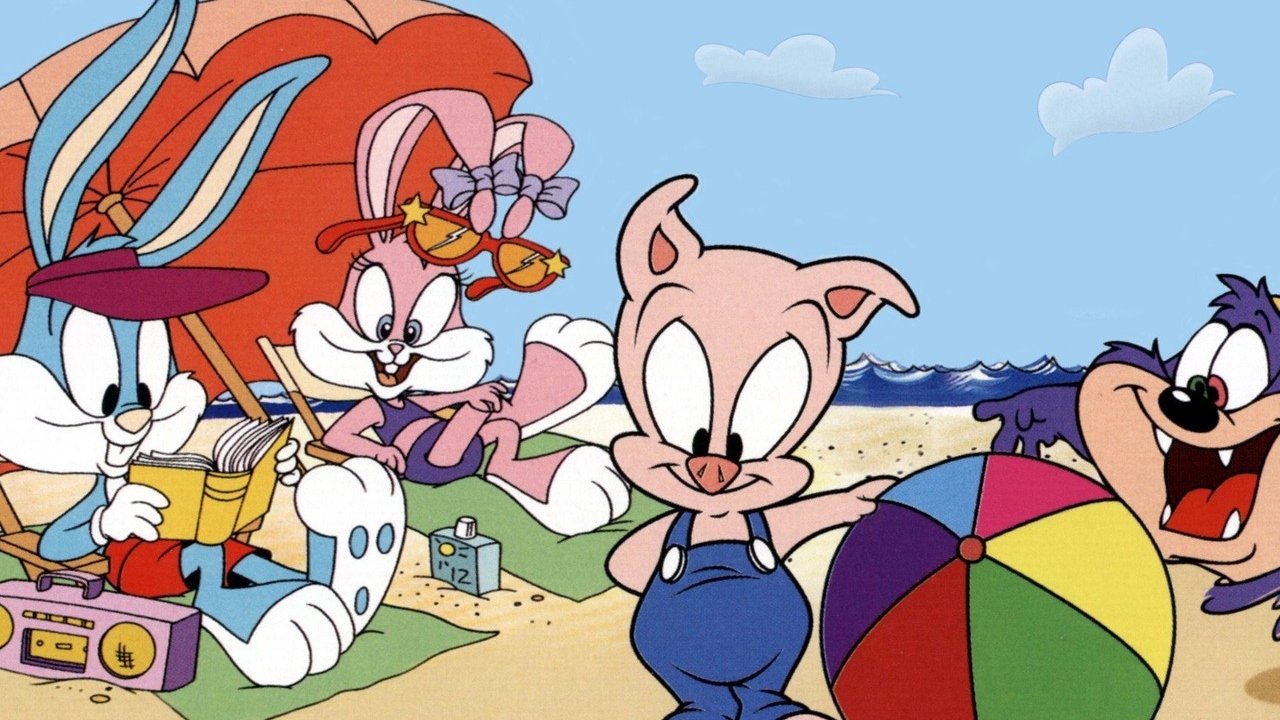
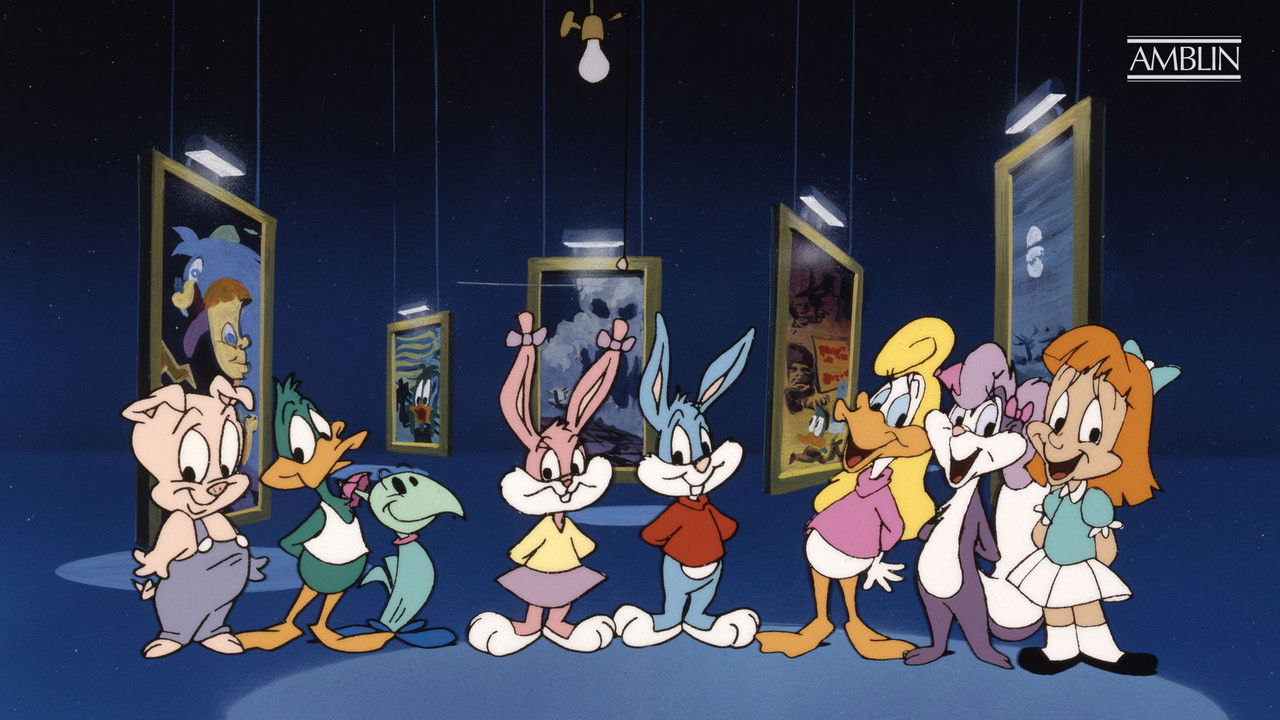
Behind the scenes, the voice cast, many pulling double or triple duty, were firing on all cylinders. Think about the sheer talent involved: Tress MacNeille wasn't just Babs, but also Hamton's Mom and Babs' Mom. Joe Alaskey seamlessly voiced Plucky and provided incidental voices. And the legendary Frank Welker contributed his immense range as Gogo Dodo, Uncle Stinky Pig, and numerous animal sounds. Their energy is infectious and absolutely central to the film's enduring appeal. Reportedly, the script went through various iterations, but the core idea of exploring summer vacation stuck, providing a perfect canvas for the characters' personalities to shine outside the school setting.
### A Blast from the Animated Past
Watching How I Spent My Vacation today is like opening a time capsule filled with brightly colored, zany energy. Sure, the multi-story structure means some plotlines feel more developed than others, and maybe the pacing occasionally dips between the frantic highs. But the charm is undeniable. It perfectly captures that feeling of endless summer possibility, filtered through the wonderfully warped lens of Acme Acres. The humor holds up remarkably well, blending kid-friendly slapstick with witty dialogue and those blink-and-you'll-miss-them background gags that reward repeat viewings – something many of us undoubtedly did with our worn-out VHS tapes. It’s a reminder of a golden era for television animation spilling over into the home video market with confidence and creativity.

Rating: 8/10
This isn't just a nostalgia trip; it's a genuinely funny, well-animated, and historically significant piece of 90s animation. Its pioneering direct-to-video status, combined with the sharp writing and stellar voice work synonymous with the Tiny Toons brand, makes it a standout. The segmented plot keeps things moving, even if it lacks a single driving narrative, perfectly capturing the chaotic fun of the show itself. It delivered exactly what fans wanted: more time with beloved characters on a grander scale.
For anyone who grew up with Buster, Babs, and the gang, popping this imaginary tape back into the VCR feels like revisiting old friends on their wildest summer break ever – pure, unadulterated Acme absurdity.