Okay, settle back into that comfy spot on the couch, maybe imagine the satisfying clunk of a tape going into the VCR. Today, we're digging out a brightly coloured box, one that promised familiar Gallic fun but with a distinctly transatlantic twist: 1994's animated adventure, Asterix Conquers America (originally Asterix et les Indiens in France, Asterix in Amerika in Germany). For many of us who grew up devouring the brilliant comics by René Goscinny and Albert Uderzo, any Asterix film was an event. This one, though, always felt a little… different. And there’s a good reason for that – unlike its predecessors, this wasn't a Franco-Belgian production, but rather a German-led effort aiming, quite literally, to conquer the American market.
### Off the Edge of the World
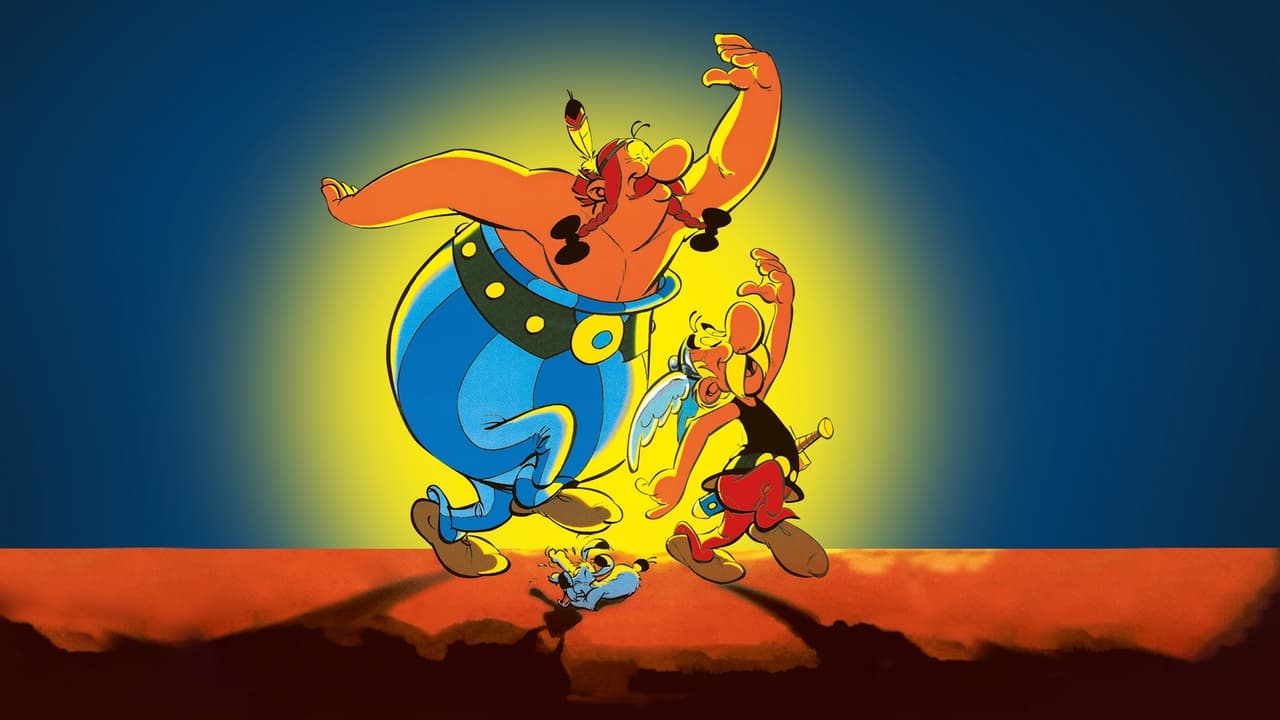
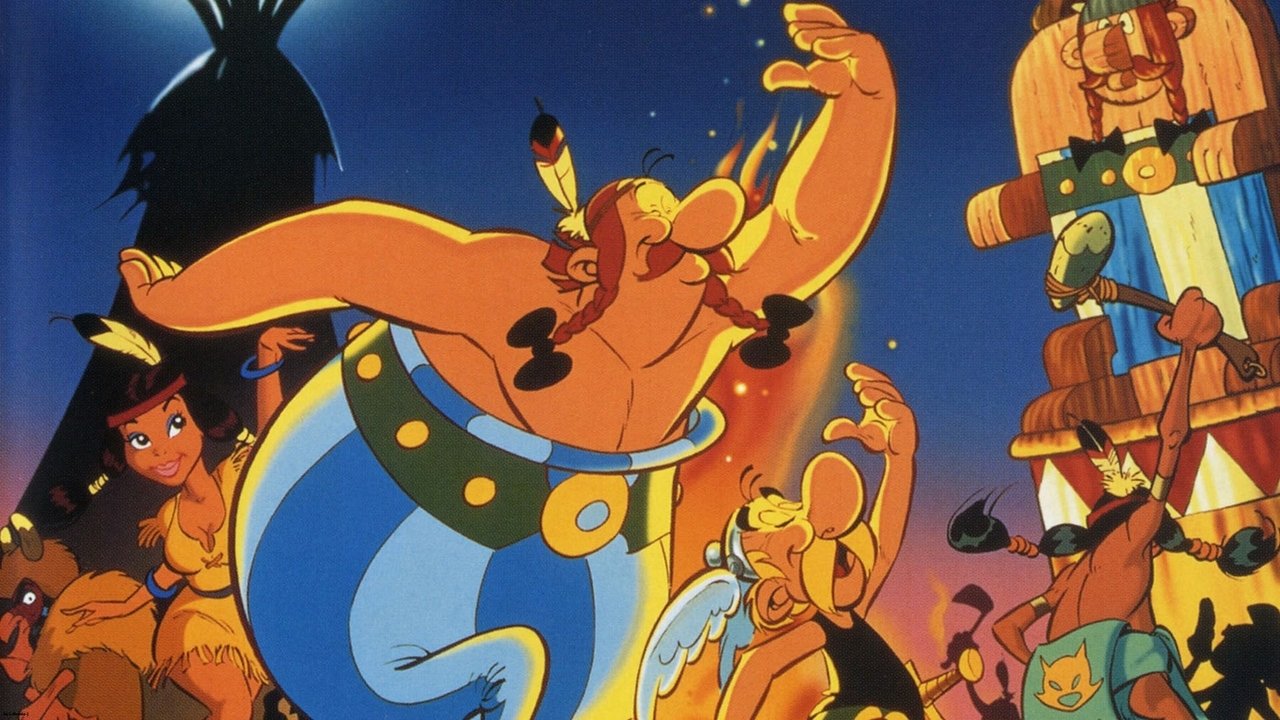
The setup feels classic Asterix: the Romans, desperate to finally overcome the indomitable Gauls, figure the key is removing their potion-brewing druid, Getafix. Caesar himself hatches a plan – kidnap Getafix and fling him off the edge of the world (remember, they still believed the world was flat!). Naturally, our heroes Asterix and Obelix, accompanied by the ever-faithful Dogmatix, give chase. Their journey takes them across the Atlantic to a strange new land populated by Native Americans, misunderstood turkeys, and a surprisingly resourceful medicine man. It's a premise that deviates significantly from any single comic book storyline, instead weaving together familiar tropes – the captured druid, the rescue mission, the fish-slapping arguments – into a new narrative cooked up by writers like Thomas Platt, Rhett Rooster, and Asterix veteran Pierre Tchernia. While not directly pulled from the page, the core spirit of adventure and comedic chaos feels instantly recognizable.
### Familiar Voices in a New Land
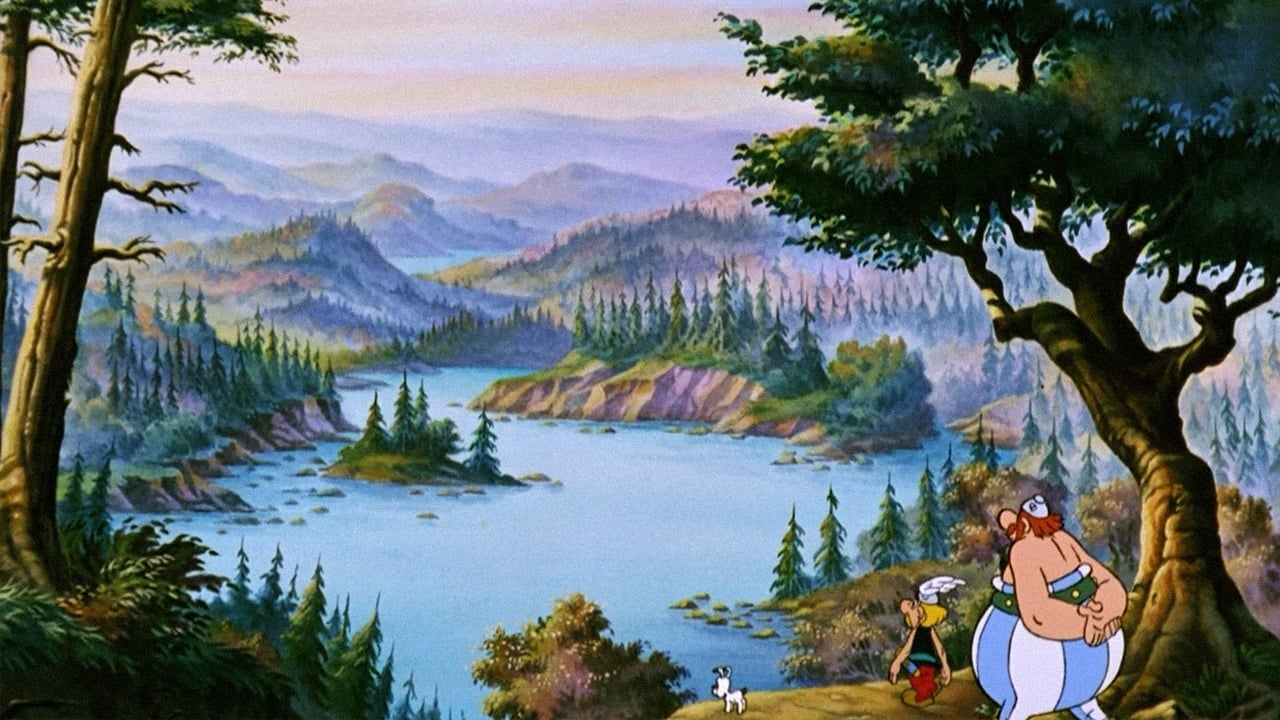
For French-speaking audiences, or those lucky enough to find the original language VHS, the auditory comfort was immediate. The legendary Roger Carel returned once more to voice Asterix, his distinctive, slightly nasal tones embodying the quick-witted Gaul perfectly. Alongside him, Pierre Tornade brought his booming, good-natured portrayal to Obelix, the heart and soul (and appetite) of the duo. Henri Labussière also reprised his role as the wise, if somewhat flustered, Getafix. Hearing these voices was like meeting old friends, even if the visual surroundings felt a bit unfamiliar. Their performances anchor the film, providing that essential Asterix feel despite the production's geographical shift. English dubs certainly existed, often found on those ex-rental tapes, but they sometimes lacked that specific Gallic charm the original voices carried so effortlessly.
### A German Spin on Gaulish Charm
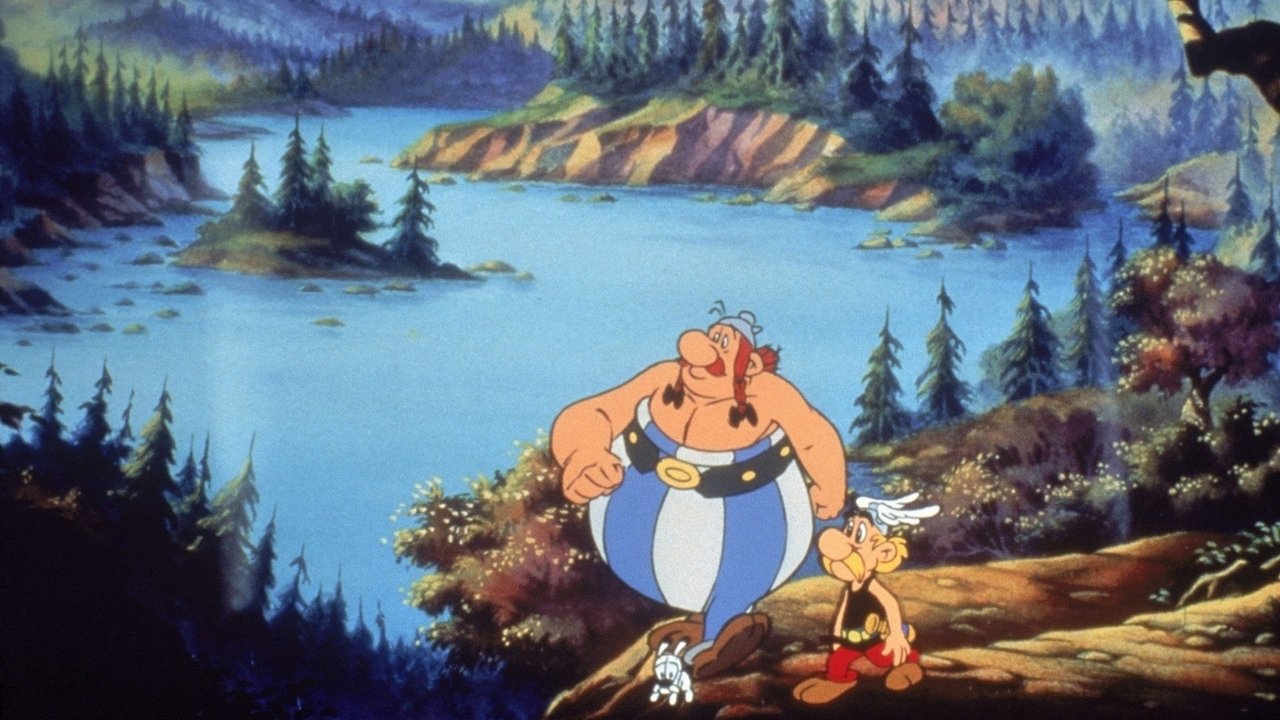
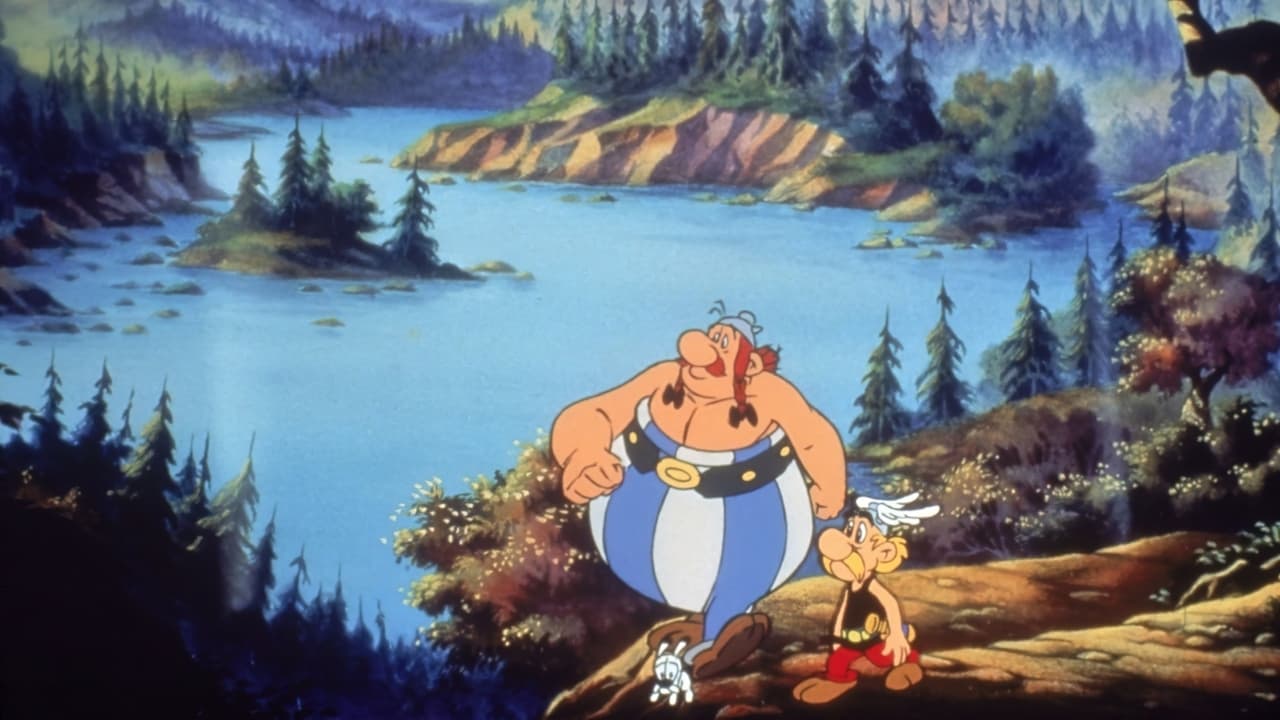
Directed by Gerhard Hahn, known for his work on German animated features like Benjamin the Elephant, the film sports an animation style that feels distinct from earlier Asterix outings like The Twelve Tasks of Asterix (1976). Produced primarily by Germany's Extrafilm Produktion on a fairly hefty budget for European animation at the time (estimates hover around $18-20 million), the visuals are clean, colourful, and certainly aimed at broad appeal. Some might argue it lacks a little of the nuanced character animation or detailed background work seen in the Dargaud Films era, perhaps leaning into a slightly more streamlined, Saturday-morning-cartoon aesthetic intended to woo international – specifically American – audiences. It’s not bad by any means, often quite fluid and dynamic in the action sequences, but it doesn't quite capture the Uderzo comic panels coming to life in the same way some other adaptations managed. The ambition was clearly there, though; this was Asterix trying to go global on screen.
### Retro Fun Facts: Faltermeyer's Gauls?
Here’s a nugget that always makes me chuckle: the score was composed by none other than Harold Faltermeyer. Yes, the synth wizard behind the iconic themes for Beverly Hills Cop (Axel F) and Top Gun! Hearing his signature 80s/early 90s electronic sensibilities applied to Asterix and Obelix stomping through ancient forests and sailing the high seas is… certainly a choice. It dates the film quite specifically, but honestly, it adds a layer of quirky charm. It's one of those "Wait, really?" moments that makes revisiting these films so much fun. Sadly, despite the German production muscle, the Faltermeyer score, and the accessible plot, the film didn't quite conquer America as hoped, performing decently in Europe but failing to make a significant dent stateside. It remains a fascinating "what if?" in the Asterix cinematic legacy. Another fun tidbit: the plot point of kidnapping the druid bears resemblance to the classic comic Asterix and the Goths, though the trans-Atlantic journey is wholly original to this film.
### Still Worth the Voyage?
Watching Asterix Conquers America today definitely sparks that warm, fuzzy feeling of simpler times – renting a colourful cartoon, settling in for an hour and a half of knockabout fun. It might not be the most faithful or artistically revered Asterix adaptation, and its attempt to 'Americanize' the formula yields mixed results. The humour is broad, the plot straightforward, but the core appeal of Asterix and Obelix – their unwavering friendship, their gleeful defiance of the Romans, Obelix's obsession with boar – remains intact. It’s perhaps less sophisticated than the original comics or some of the earlier films, but it delivers solidly on goofy adventure and visual gags. It was a common sight on video store shelves, maybe not the first Asterix tape you reached for, but a reliable standby for animated escapism. Remember seeing those Romans get clobbered and feeling that vicarious thrill? That part never gets old.
***
VHS Heaven Rating: 6/10
Justification: Asterix Conquers America is a perfectly enjoyable, if somewhat unremarkable, entry in the Gaul's cinematic adventures. It earns points for the familiar comfort of the main characters (especially with the iconic French voice cast), some genuinely funny moments, and its sheer 90s animated energy, including that unforgettable Harold Faltermeyer score. However, it loses points for deviating significantly from the source material's wit, a slightly generic animation style compared to its predecessors, and an overall feeling that it's playing things a bit too safe to appeal to a wider audience, ultimately sacrificing some of the unique Asterix flavour. It’s fun, colourful, and certainly nostalgic, but lacks the timeless magic of the best Asterix adaptations or the original comics.
Final Thought: While it didn't quite take the New World by storm, this transatlantic jaunt remains a cheerful, brightly coloured memory from the video store shelves – a testament to the enduring, world-hopping appeal of those indomitable Gauls. Pass the magic potion (or maybe just the popcorn).