There are journeys undertaken not across vast landscapes, but through the stark, often unwelcoming terrain of human indifference. Some films capture this with a quiet intensity that lingers long after the static hiss fills the screen post-rewind. Gianni Amelio's 1992 masterpiece, Il Ladro di Bambini (or The Stolen Children, as it reached many of us on those well-loved rental tapes), is precisely such a film – a profoundly moving odyssey disguised as a simple transfer of responsibility. It doesn't shout; it observes, and in its observation, reveals truths about fractured families, societal neglect, and the unexpected bonds forged in moments of quiet desperation.
### An Unlikely Escort
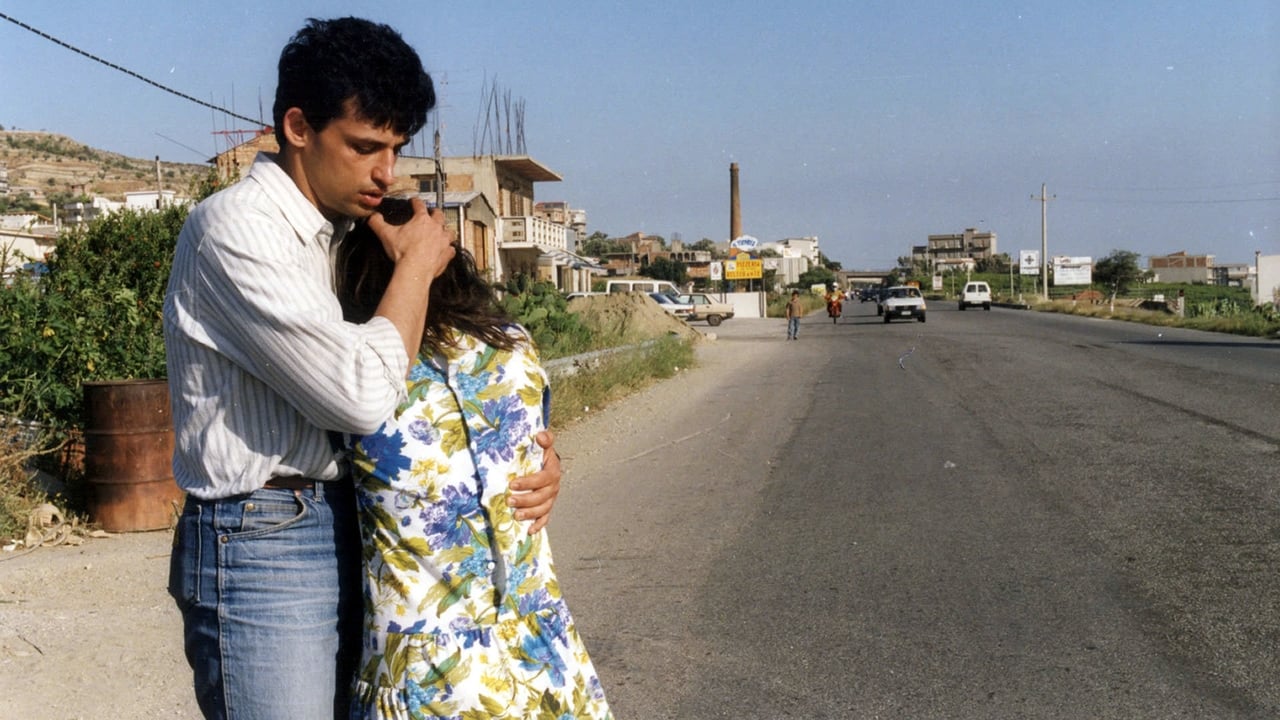
The premise feels almost bureaucratic in its setup. Antonio (Enrico Lo Verso) is a young, inexperienced Carabiniere tasked with escorting two children – 11-year-old Rosetta (Valentina Scalici) and her younger brother Luciano (Giuseppe Ieracitano) – from Milan to an orphanage in Sicily. Their mother has been arrested for forcing Rosetta into prostitution. What begins as a duty, a mere logistical task for Antonio, slowly transforms into something far more complex and emotionally charged. This isn't a road trip movie in the conventional sense; it's a measured, often somber journey through the neglected corners of Italy and, more significantly, through the damaged inner worlds of its three protagonists.
### The Weight of Silence
What strikes you immediately about The Stolen Children is its restraint. Amelio, who also co-wrote the screenplay with Sandro Petraglia and Stefano Rulli, adopts an almost neorealist approach. There are no grand dramatic swells of music telegraphing emotion, no contrived plot twists designed to manipulate. Instead, the film finds its power in quiet moments, stolen glances, and unspoken feelings. We watch Antonio grapple with the children's trauma and his own discomfort, his initial rigidity slowly giving way to a protective tenderness he seems unprepared for.
The performances, particularly from the children, are astonishingly authentic. Valentina Scalici as Rosetta carries the weight of experiences far beyond her years, her hardened exterior occasionally cracking to reveal a vulnerability that is heartbreaking. Giuseppe Ieracitano as Luciano is often silent, withdrawn, his small acts of defiance or quiet observation speaking volumes. It’s a testament to Amelio’s direction that these young actors deliver portrayals devoid of artificiality. There's a story, perhaps apocryphal but fitting, that Amelio sought children who hadn't been overly coached, aiming for that raw, unvarnished truthfulness that shines through so powerfully.
Enrico Lo Verso, in what became a star-making turn, is equally compelling. His Antonio is not a conventional hero. He’s uncertain, sometimes clumsy in his attempts to connect, but his fundamental decency radiates. You see the conflict in his eyes – the duty-bound soldier versus the compassionate human being witnessing profound injustice. It’s a performance built on subtle shifts in expression and posture, conveying more than pages of dialogue ever could.
### Echoes of the Past, Reflections for Today
Watching The Stolen Children now, perhaps decades after first encountering it on a grainy VHS tape possibly rented from a store more accustomed to stocking Stallone or Schwarzenegger, its power feels undiminished. It evokes the spirit of Italian Neorealist classics like Bicycle Thieves, focusing on ordinary people caught in dehumanizing systems. The indifference Antonio and the children encounter – from nuns who recoil from Rosetta, from officials who see only case numbers – feels painfully real. Doesn't this bureaucratic coldness, this societal tendency to look away from uncomfortable truths, still resonate profoundly today?
The film was a significant critical success, winning the Grand Prix at the 1992 Cannes Film Festival. This wasn't a blockbuster discovery, but for those of us who stumbled upon it, perhaps guided by a discerning video store clerk or a mention in a film magazine, it felt like uncovering something special. It stood apart from the usual early 90s fare – a quiet film demanding attention, rewarding patience with deep emotional resonance. It’s a reminder that cinema, even experienced through the humble VCR, could offer windows into vastly different worlds and experiences. I recall the feeling, distinct even now, of needing silence after the tape ended, letting the film's quiet weight settle.
### The Journey's End
The Stolen Children doesn’t offer easy answers or neat resolutions. The journey Antonio undertakes with Rosetta and Luciano is fraught with ambiguity. Can their wounds ever truly heal? Can one person's compassion counteract systemic failure? The film leaves these questions hanging, trusting the viewer to contemplate the difficult realities it portrays. It’s a study in empathy, a critique of indifference, and a testament to the resilience of the human spirit, even in its most fragile state.
Rating: 9/10
This score reflects the film's masterful direction, the unforgettable, naturalistic performances (especially from the children), and its profound emotional depth. It achieves its impact through subtlety and observation rather than melodrama, making it a standout piece of 90s European cinema. It might lack the immediate gratification of more mainstream fare, but its quiet power is undeniable and earns its high marks through sheer artistry and emotional honesty.
Final Thought: The Stolen Children is more than just a film; it's an experience that stays with you, a quiet echo reminding us of the responsibility we have towards the most vulnerable, and the unexpected connections that can illuminate the darkest journeys. A true gem from the shelves of VHS Heaven.