There's a feeling certain films evoke, a stirring in the chest that starts with the opening frames and lingers long after the VCR whirred to a stop. Michael Mann's 1992 adaptation of The Last of the Mohicans is undeniably one of those films. It arrives not with a whisper, but with the thunder of waterfalls and the haunting, propulsive swell of Trevor Jones and Randy Edelman's unforgettable score, immediately plunging you into a world both breathtakingly beautiful and brutally unforgiving. Forget the dusty, often stiff pageantry sometimes associated with historical epics; this felt, and still feels, like something raw, immediate, and deeply alive.
Forging a New Frontier Narrative
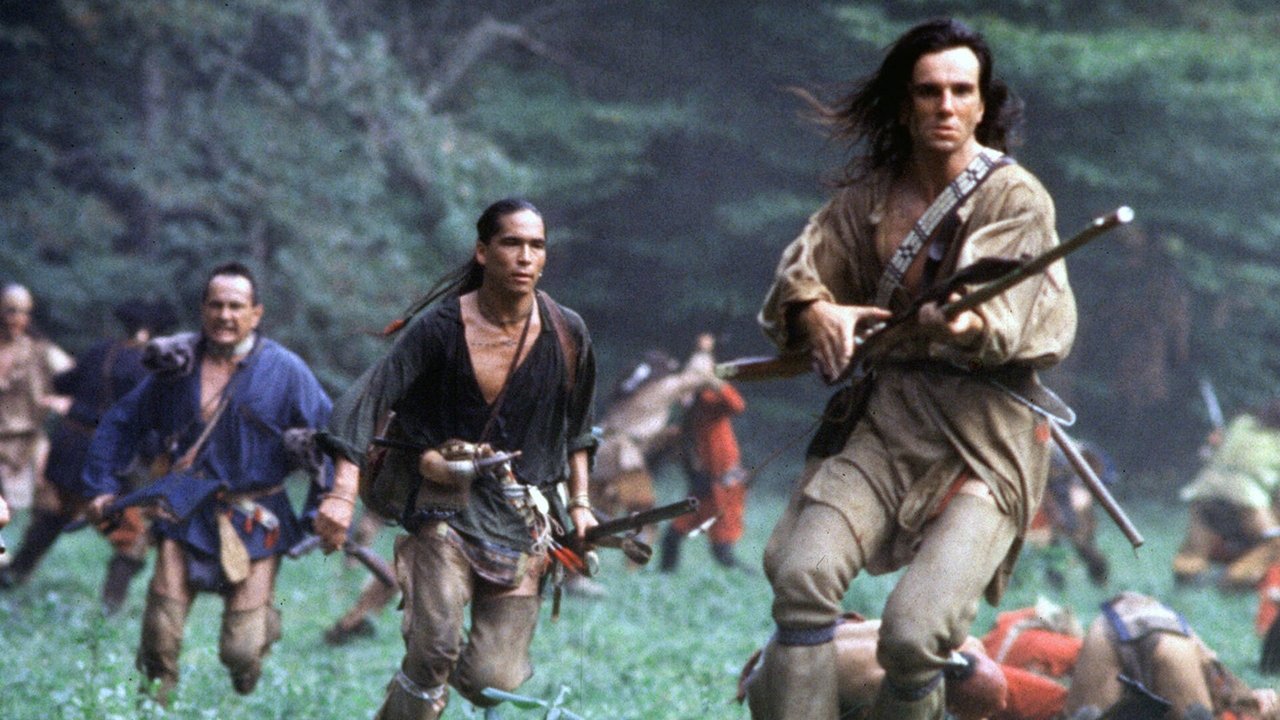
While drawing its title and core characters from James Fenimore Cooper's 1826 novel (and owing a significant debt to the 1936 film adaptation), Mann crafts a narrative distinctly his own. Set against the violent backdrop of the French and Indian War in 1757 Colonial America, the film wisely streamlines the novel's plot, focusing instead on the atmospheric immersion and the charged relationships between its characters. The wilderness isn't just a backdrop here; it's a character in itself – lush, dangerous, ancient, captured with a painterly eye by cinematographer Dante Spinotti. You can almost feel the damp earth and smell the woodsmoke. This palpable sense of place was hard-won; filming primarily in the Blue Ridge Mountains of North Carolina presented significant logistical challenges, forcing the crew to contend with unpredictable weather and difficult terrain, but the result is an authenticity that CGI-heavy modern epics often struggle to replicate.
The Fierce Heart of Hawkeye
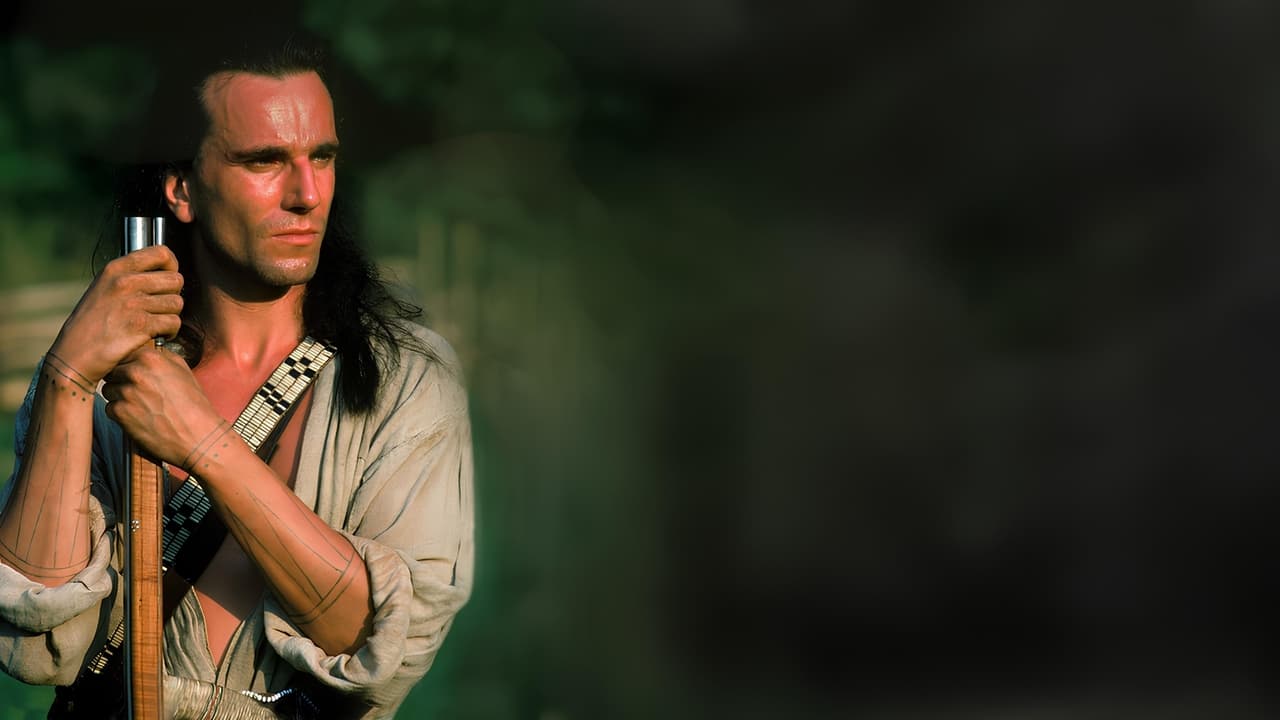
At the center burns the iconic performance of Daniel Day-Lewis as Nathaniel Poe, known as Hawkeye. Adopted by the Mohican Chingachgook (Russell Means) and brother to Uncas (Eric Schweig), Hawkeye embodies the bridge between two worlds – raised Mohican but born white. Day-Lewis, in his famously immersive style, prepared intensely for the role. Stories abound of him learning to track, skin animals, build canoes, and expertly handle his flintlock rifle, "Killdeer." He reportedly carried the rifle everywhere, even off-set, inhabiting the character completely. This wasn't just method acting indulgence; it translates directly into a performance of quiet conviction and astonishing physicality. His Hawkeye moves through the forest with a natural grace, his gaze sharp and assessing, his few words carrying immense weight. It's a performance that redefined the archetype of the frontier hero – less talk, more potent action and soulful presence.
Romance and Resolve Under Siege
Caught within the escalating conflict are the Munro sisters, Cora (Madeleine Stowe) and Alice (Jodhi May), daughters of a British colonel. The film foregrounds the burgeoning romance between Hawkeye and the intelligent, resilient Cora, a relationship that feels less like a plot device and more like the film's emotional core. Stowe matches Day-Lewis's intensity, portraying Cora not as a damsel in distress, but as a woman of fierce resolve and burgeoning passion, grappling with the brutal realities unfolding around her. Their connection, often conveyed through stolen glances and quiet moments amidst chaos, provides the essential human anchor in a story swirling with violence and political upheaval. The casting of Russell Means, a prominent Native American activist, as the stoic Chingachgook lends a profound gravity to the role, embodying the dignity and sorrow of a vanishing people. His final lines resonate with heartbreaking power.

Visceral Action, Enduring Score
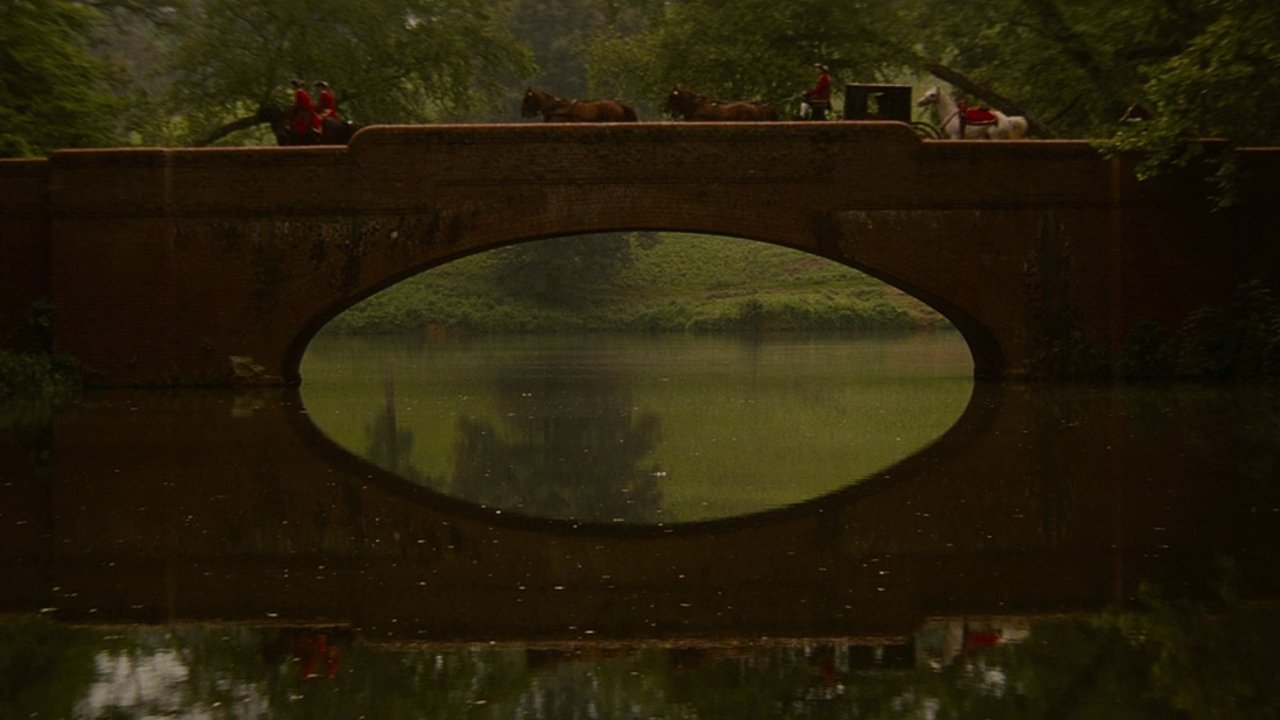
Mann, known for his stylish realism in films like Thief (1981) and later Heat (1995), brings that same visceral intensity to the 18th century. The battle sequences, particularly the harrowing Fort William Henry massacre and the climactic confrontations, are brutal, chaotic, and expertly staged. The hand-to-hand combat feels desperate and real, eschewing overly choreographed flourishes for impactful, often shocking, violence. This raw energy is amplified by the legendary score. Though its creation was rushed, leading to Trevor Jones' initial work being supplemented by Randy Edelman, the resulting blend is remarkably effective. Jones’ powerful main theme provides the epic sweep, while Edelman’s contributions offer complementary emotional textures. It remains one of the most beloved and recognizable scores of the 90s, perfectly capturing the film's blend of romance, action, and tragedy. It’s the kind of score that made even standard-definition CRT viewings feel cinematic.
A VHS Staple, An Epic Remembered
The Last of the Mohicans wasn't just a movie; for many of us, it was a prime Blockbuster rental, a tape passed between friends, a fixture in the VCR. While a modest success upon release (grossing around $75 million domestically on a $40 million budget), its stature grew immensely through home video. Perhaps the smaller screen even intensified the focus on the character dynamics and the stunning landscapes. It stands as a high watermark for 90s historical epics, managing to be both sweepingly romantic and unflinchingly brutal. It reminded audiences that historical pieces could be thrilling, passionate, and deeply moving. It delivered on the promise of epic filmmaking – transporting us completely to another time and place, making us care deeply about the fates of those caught in history's crosscurrents.
Rating: 9/10
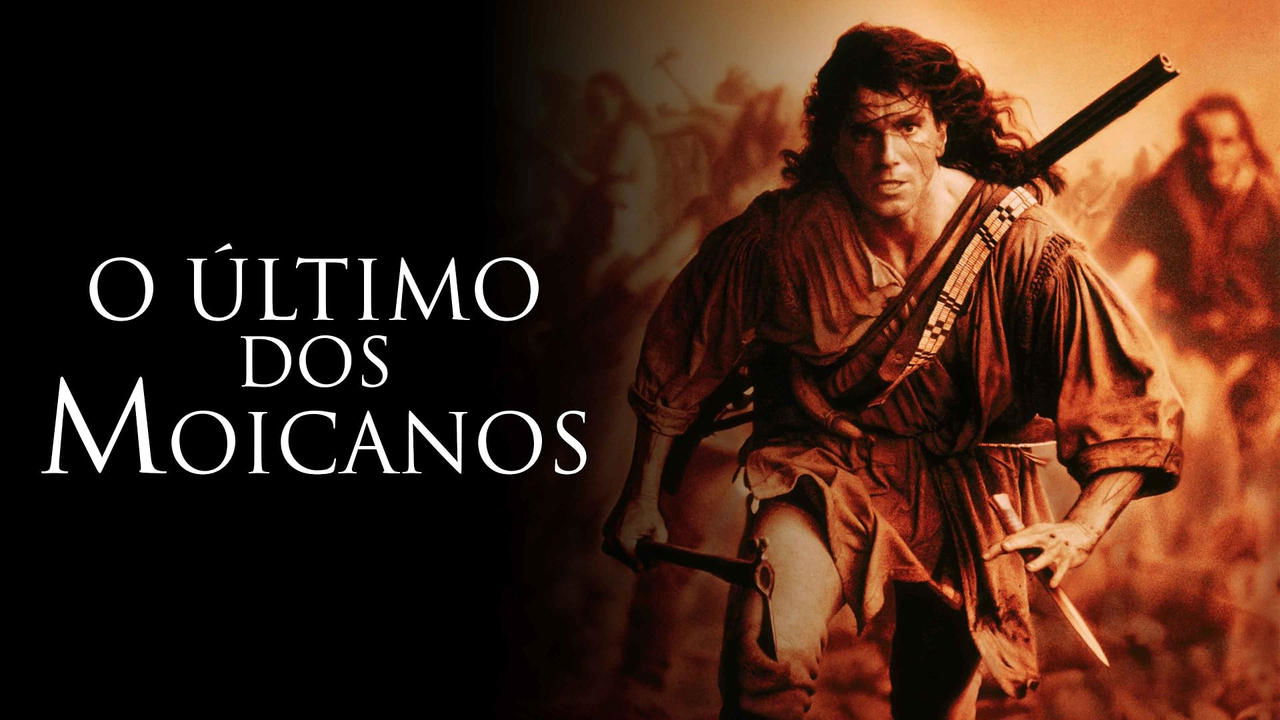
This near-perfect score is earned through Mann's assured direction, Spinotti's breathtaking cinematography, the powerhouse performances led by an unforgettable Daniel Day-Lewis and a captivating Madeleine Stowe, the visceral action, and that timeless, soul-stirring score. It masterfully balances historical scope with intimate human drama, creating an experience that feels both grand and deeply personal.
The Last of the Mohicans remains a potent piece of filmmaking, a reminder of a time when practical craft and intense performance could conjure magic on screen. It’s more than just nostalgia; it’s a film that continues to resonate, asking us to consider themes of identity, loyalty, love, and survival against the implacable forces of history. What stays with you most? For me, it's the image of Hawkeye, running – always running – through that vast, wild landscape, a lone figure propelled by conviction in a world tearing itself apart.