Okay, settle back into that comfy armchair, maybe imagine the faint hum of a VCR powering up. Remember browsing those aisles at the video store, the colourful boxes promising adventure, romance, or maybe just something… interesting? Sometimes, nestled between the blockbusters, you’d find a title that seemed vaguely familiar, perhaps riding the coattails of something bigger. That's where we often found 1982's Paradise, a film forever destined to live in the shadow of its slightly older, more famous cousin, The Blue Lagoon. But for those of us who slid that tape into the machine back in the day, Paradise holds its own unique, if somewhat awkward, place in the annals of VHS memories.
### Desert Sun, Awkward Fun
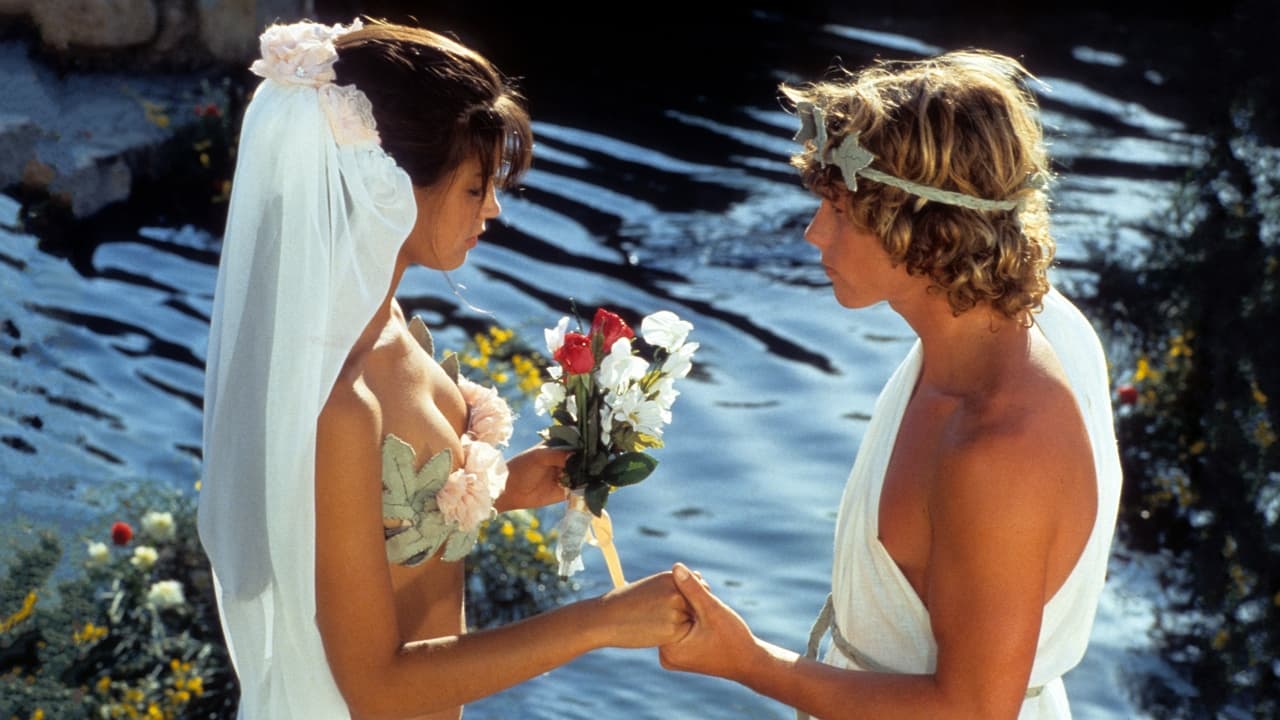
Directed and co-written by Stuart Gillard (who would later helm the… memorable Teen Wolf Too), Paradise wastes little time setting up its premise. It’s the mid-19th century, and two teenagers, the American Sarah (Phoebe Cates) and the English David (Willie Aames), are travelling with a caravan from Baghdad to Damascus. Naturally, disaster strikes courtesy of a white slaver known only as the Jackal (Tuvia Tavi), who has sinister designs on the beautiful Sarah. Our young protagonists escape, guided by Sarah’s loyal servant, Geoffrey, only to find themselves eventually stranded alone in a lush, secluded oasis – their own private paradise. Sound familiar? Yes, the echoes of Brooke Shields and Christopher Atkins frolicking on a tropical island are loud and clear. Gillard himself acknowledged the influence, admitting the production was greenlit specifically because The Blue Lagoon (1980) had been such a hit.
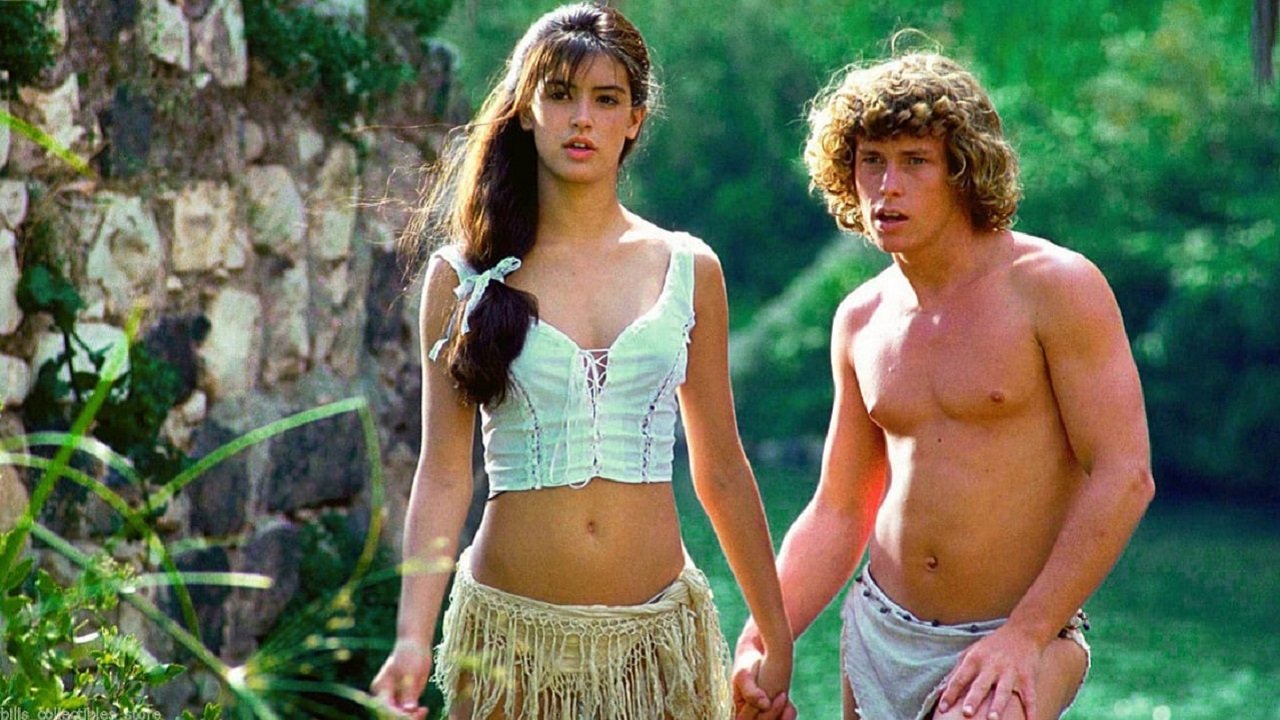
But where Lagoon had a certain dreamy, sun-drenched innocence (or attempted it, anyway), Paradise feels a bit grittier, a bit more… well, 80s B-movie. Shot on location in Israel (standing in for the historic Middle East), the desert landscapes offer a different flavour of isolation. The plot, such as it is, involves Sarah and David navigating their burgeoning hormones, learning to survive, and occasionally dodging the persistent Jackal, who hasn’t given up his pursuit. This leads to moments that, watched today, oscillate between unintentionally funny and genuinely uncomfortable.
### Young Stars Under the Spotlight
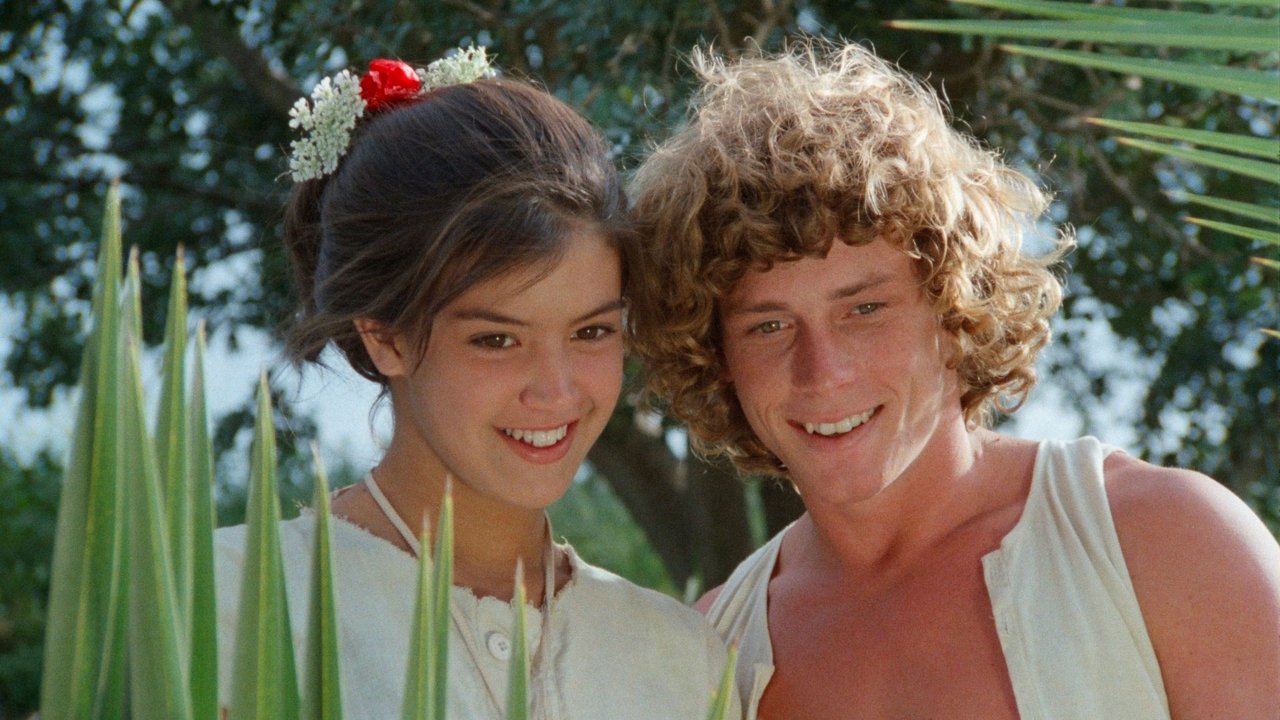
Let's talk about the leads. Willie Aames, fresh off his stint as Tommy Bradford on Eight is Enough and transitioning into heartthrob territory (before finding Charles in Charge), plays David with a certain earnestness. He’s the protector, the learner, the slightly bewildered young man discovering love and responsibility. It's Phoebe Cates, however, who understandably drew most of the attention. This was only her second film, released just before her truly iconic turn in Fast Times at Ridgemont High later that same year. Paradise capitalized heavily on Cates's youthful beauty, featuring significant nudity that became a major talking point – and a source of controversy, given she was only 17 during filming. Cates herself later expressed regret over the extent of the nudity in the film. Watching it now, there's an undeniable exploitative edge that feels very much of its time, a remnant of an era where R-ratings were sometimes chased through bare skin rather than storytelling. Despite this, Cates brings a vulnerability and presence to Sarah that hints at the star quality she'd fully unleash just months later.
The villain, the Jackal, is a fairly one-dimensional mustache-twirler, existing purely to provide external conflict and periodic chase scenes. Tuvia Tavi, an Israeli actor, does what he can, but the character is less a menacing threat and more a plot device to keep things moving between the oasis scenes.

### Behind the Oasis Mirage
Beyond the obvious Blue Lagoon comparisons, Paradise has a few interesting behind-the-scenes quirks. The film operated on a relatively modest budget (around $3.5 million) and managed to pull in about $5.6 million at the US box office – not a blockbuster, but perhaps enough to recoup its costs thanks to curious teens and the burgeoning home video market. Critics, however, were merciless. It currently sits at a chilly 4.6 on IMDb, and contemporary reviews often savaged it for being derivative and exploitative. Its tagline, "Where the desert meets the sea... where innocence ends... and passion begins," certainly didn't hide its intentions.
And then there’s the theme song. Oh, that theme song. Sung by Phoebe Cates herself and penned by Paul Hoffert (who composed the score) and Will Jennings (who, astonishingly, would later write lyrics for massive hits like "My Heart Will Go On"), the breathy, synth-laden ballad "Paradise" is pure early-80s cheese. It was pushed heavily, even getting its own music video, and remains one of the most instantly recognizable – and perhaps snicker-inducing – elements of the film for those who remember it. It’s the kind of earnest pop tie-in that feels quintessentially of the era.
### Nostalgia Goggles or Guilty Pleasure?
So, why revisit Paradise? Is it a forgotten gem? Not exactly. It’s undeniably flawed, derivative, and carries the baggage of its era's sometimes uncomfortable handling of young actors and sexuality. Yet, there’s something there for the VHS archaeologists among us. It’s a fascinating time capsule – capturing two young stars on the cusp of greater fame, showcasing that specific early-80s blend of adventure and burgeoning teen romance, complete with questionable fashion (even for the 1850s!) and that unforgettable theme song. It represents a certain type of movie that thrived on video shelves: the slightly provocative, slightly silly escape that you might have rented with your friends, half-covering your eyes during those scenes. It lacks the polish and enduring charm of The Goonies or the iconic status of Fast Times, but it possesses a peculiar, almost endearing awkwardness.
Rating: 4/10
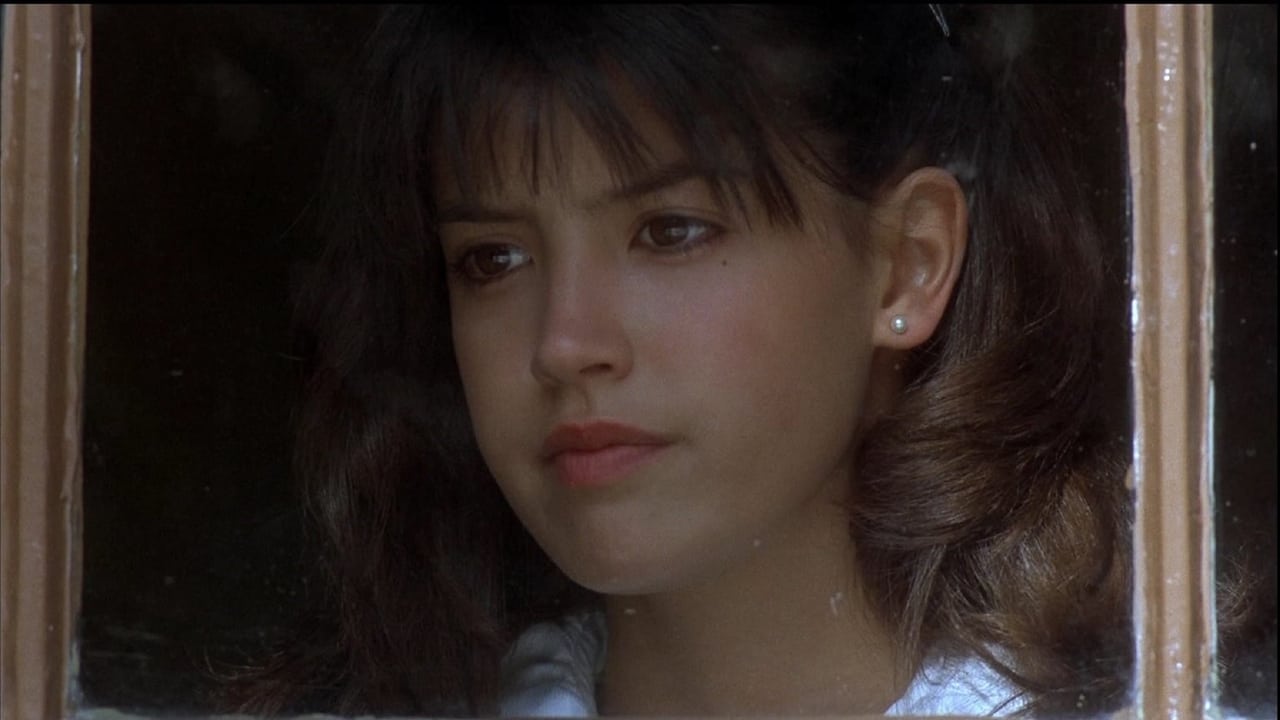
The score reflects the film's significant shortcomings: its derivative nature, often clumsy execution, and the exploitative feel surrounding its young star. However, it avoids a lower score due to a sliver of nostalgic value, the earnestness of its leads (particularly the glimpse of Cates's early potential), and its status as a perfect example of a specific kind of early-80s video store curiosity. It’s not good in the traditional sense, but it’s certainly memorable.
Paradise might not have been the promised land cinema-goers were expecting, but for a certain generation browsing the rental shelves, it was an unforgettable detour into sun, sand, and pure, unadulterated 80s awkwardness. Sometimes, that's a trip worth taking again, if only for the knowing chuckle.