Alright, settle in, crack open a cold one (maybe something from the back of the fridge you forgot about, just like this movie), and let’s talk about a VHS legend whispered about in hushed, slightly confused tones: 1991’s absolute masterpiece of madness, Samurai Cop. Finding this gem on a dusty video store shelf back in the day felt like uncovering forbidden knowledge, a movie so brazenly itself, it defied logic, physics, and possibly several international laws.
### He Speaks Japanese?
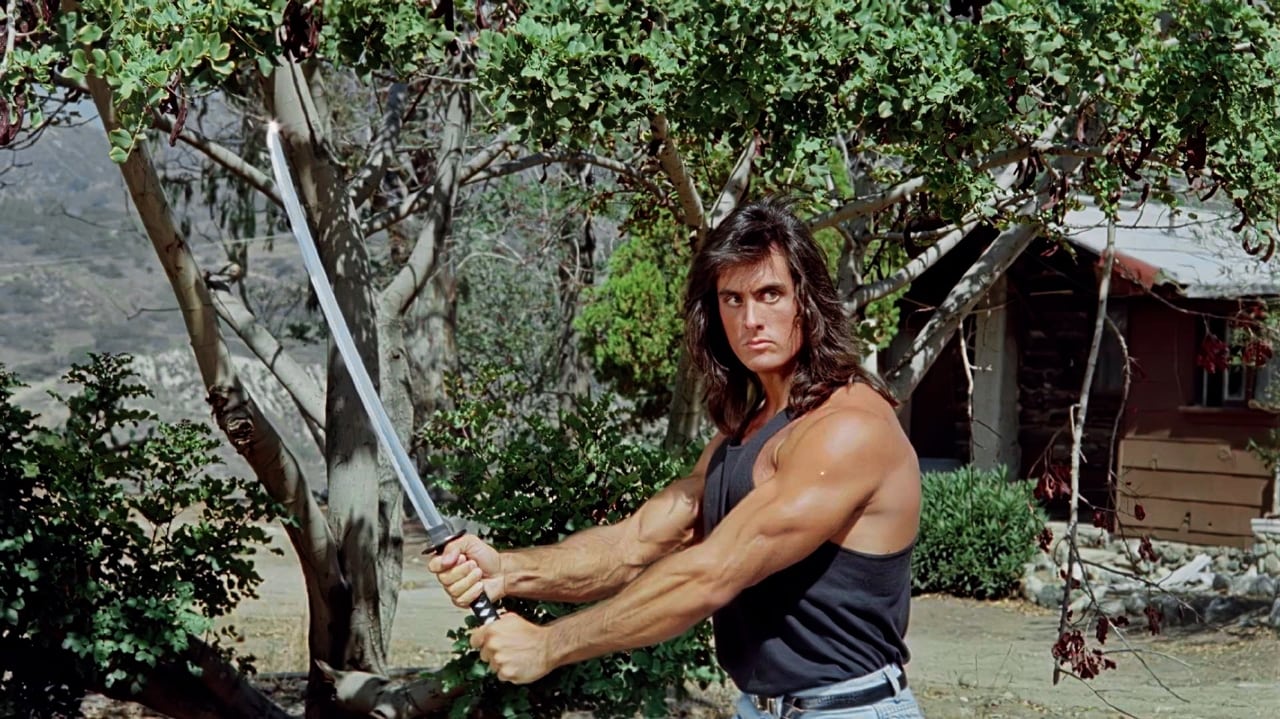
Forget your slick, brooding anti-heroes. Enter Joe Marshall (Mathew Karedas, credited as Matt Hannon), ostensibly trained by the "masters" in Japan (though his Japanese consists mainly of intense staring and mangled phrases), now unleashed upon the unsuspecting streets of Los Angeles. Paired with the perpetually exasperated Frank Washington (Mark Frazer, who deserves hazard pay), Joe tackles the nefarious Katana gang with methods that make Dirty Harry look like a crossing guard. Karedas, a former bodyguard for Sylvester Stallone, apparently landed the role partly based on his look, but his delivery of lines like "I want Fujiyama. I want his head," is something that simply must be experienced. His commitment is undeniable, even if the direction it's committed in is… questionable.
### Enter the Chin of Doom
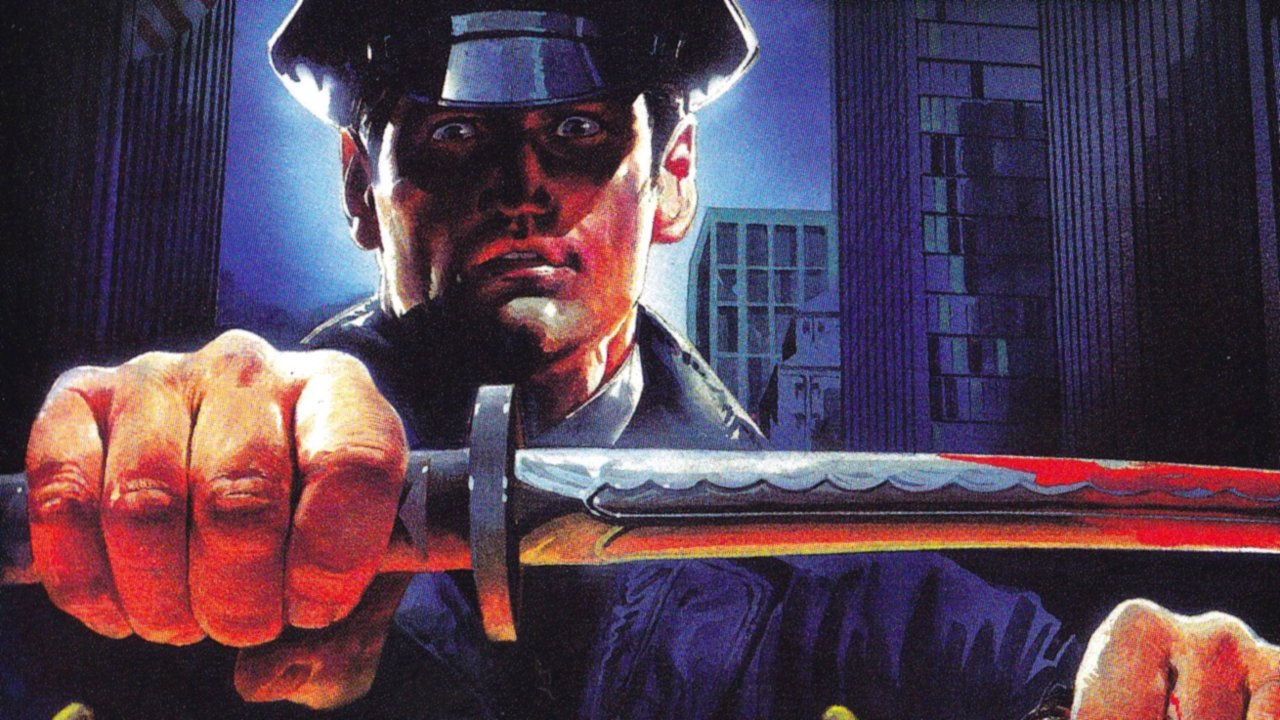
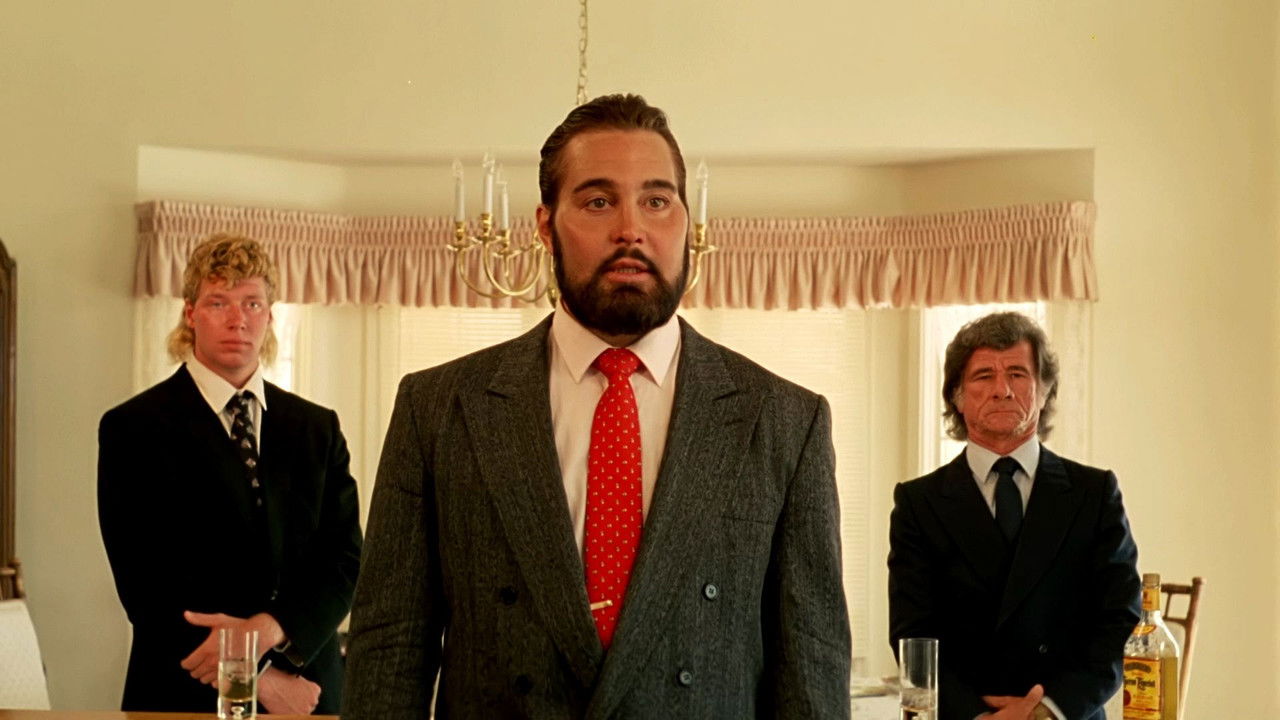
No action film is complete without a memorable villain, and Samurai Cop delivers with the Katana gang, led by the sneering Fuj Fujiyama (Cranston Komuro) and his terrifyingly jawed right-hand man, Yamashita. And who plays Yamashita? None other than the legendary Robert Z'Dar, instantly recognizable to any genre fan from his imposing presence in films like Maniac Cop. Z'Dar brings his signature intimidation factor, even if the script doesn't give him much more to do than glower and participate in some truly bewildering fight sequences. The plot involves drug running and turf wars, standard fare, but it's merely the flimsy canvas upon which director Amir Shervan paints his uniquely chaotic vision. Shervan, who also gifted us Hollywood Cop (1987) and Killing American Style (1990), had a distinct, let's say, unpolished style that permeates every frame.
### Action Scenes Forged in… Well, Somewhere
Let's talk action. Forget meticulously choreographed ballets of violence. The action in Samurai Cop feels like it was conceived on the spot, possibly after several strong drinks. Fights involve awkward lunges, missed punches that somehow connect, and swordplay that looks genuinely hazardous, mostly to the actors themselves. Remember those raw, gritty shootouts from 80s classics where squibs burst with visceral impact? Here, the gunshots often feel… suggested. Yet, there's a certain charm to its ineptitude. It feels real in the sense that you can almost picture Shervan yelling directions just off-camera, trying to wrangle chaos into something resembling a scene. There's an undeniable energy, a "let's just do it" spirit that CGI-heavy modern action often lacks, even if "it" involves wildly inconsistent editing and stunt doubles who look nothing like the leads.
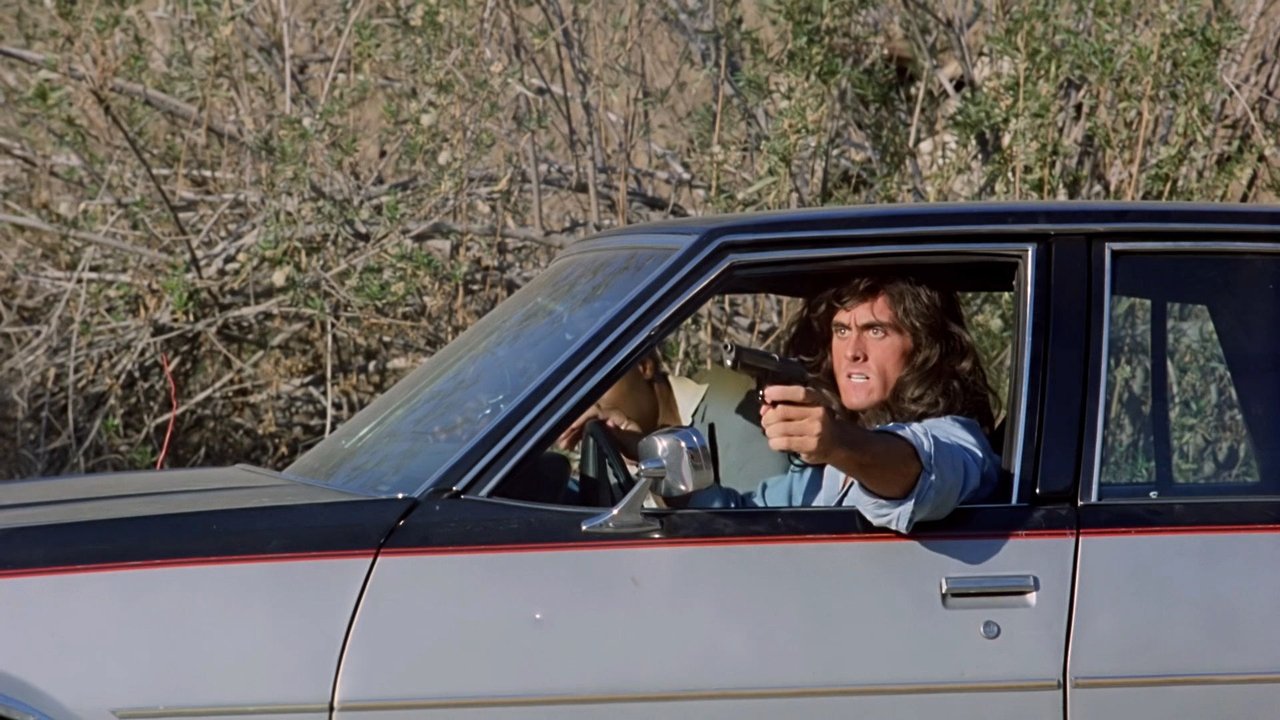
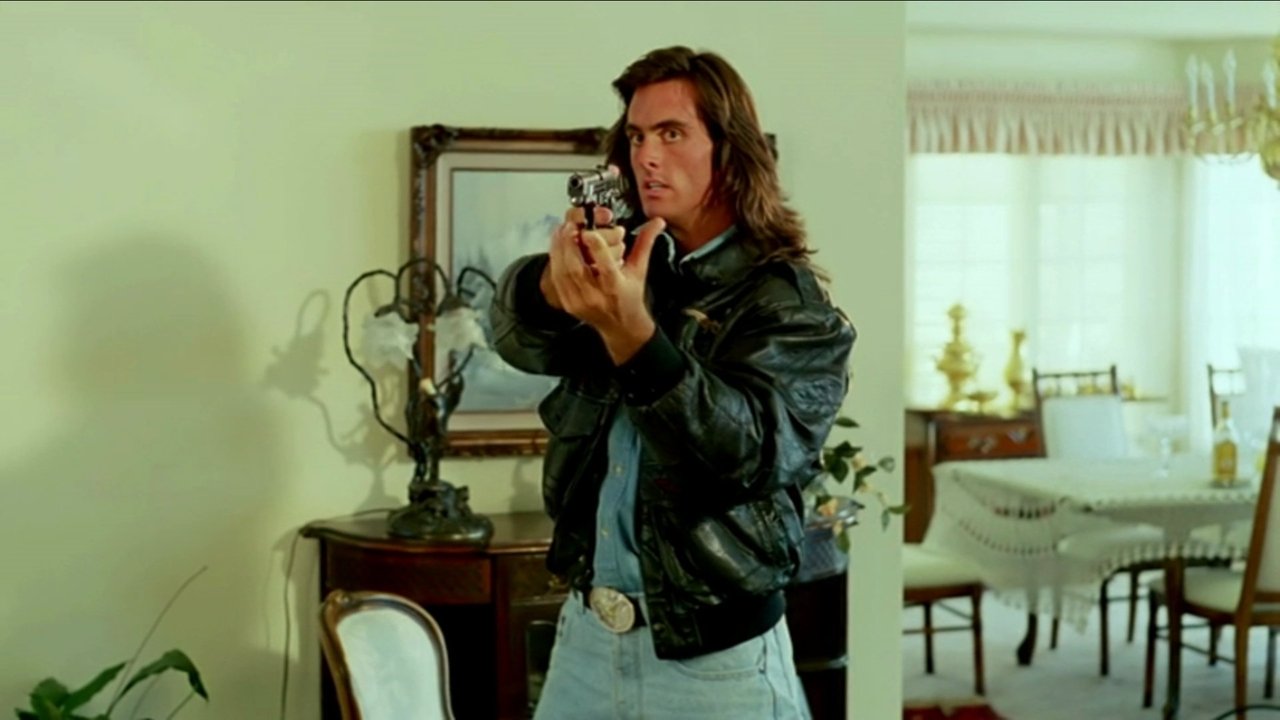
One of the most legendary pieces of trivia revolves around Mathew Karedas's hair. Principal photography wrapped, Karedas reasonably assumed the job was done and cut his long locks. Then came the call for reshoots. The solution? A wig. Not just any wig, but possibly the worst, most distractingly fake wig in cinematic history. Spotting the wig scenes versus the real-hair scenes becomes a meta-game while watching, adding another layer of unintentional hilarity. It’s filmmaking by the seat of its pants, a testament to low-budget necessity being the mother of bizarre invention.
### "You Have the Right to Remain Silent… FOREVER!"
Beyond the action and the infamous wig, Samurai Cop's dialogue is its true crown jewel. Lines are delivered with a baffling sincerity that transforms leaden exposition and clunky threats into pure comedic gold. Frank Washington's constant stream of exasperated reactions ("Now that's what I call a Schwarze-negger!") mirrors the audience's own disbelief. Romantic interludes are handled with all the subtlety of a sledgehammer, featuring exchanges that defy natural human conversation. It's quotable in the way only truly baffling scripts can be. It wasn't just ignored by critics upon release; it barely existed. It vanished into obscurity, a direct-to-video oddity destined for landfill.
### From Zero to Cult Hero
But then, something wonderful happened. Thanks to the internet, bad movie aficionados, and revival screenings, Samurai Cop was resurrected. People discovered the sheer, unadulterated joy in its awkwardness, its baffling choices, its unwavering commitment to being… Samurai Cop. It found its audience decades later, celebrated not despite its flaws, but because of them. It’s a perfect time capsule of low-budget 90s action filmmaking, unfiltered and unashamed. There’s even a belated sequel, Samurai Cop 2: Deadly Vengeance (2015), which brought back many of the original cast, leaning heavily into the cult status.
Rating: 3/10 (Objectively) / 9/10 (Pure VHS Heaven Entertainment)
Let’s be honest: judged by conventional standards of filmmaking competence, Samurai Cop is a glorious train wreck. The acting is wooden, the editing is haphazard, the action is clumsy, and the wig is unforgivable. However, judged by its ability to entertain, mystify, and provoke uncontrollable laughter among friends gathered around a flickering screen? It’s absolute platinum.
Final Thought: Samurai Cop is the kind of movie that makes you wonder how it ever got made, while simultaneously being eternally grateful that it did – a truly essential artifact from the wild west of direct-to-video action. Mandatory viewing for connoisseurs of cinematic chaos.