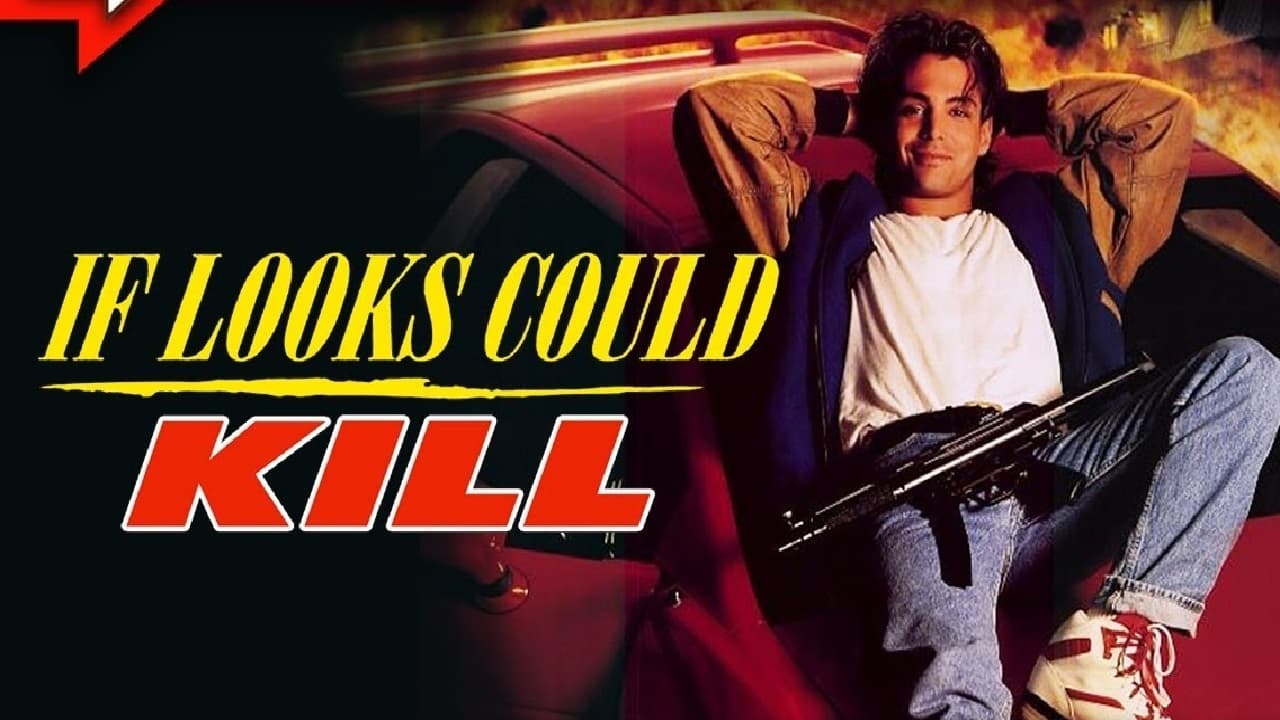
Okay, rewind your minds. Picture this: It’s 1991. You’re wandering the aisles of the local video store, neon glow reflecting off rows upon rows of plastic clamshell cases. Your eyes land on a cover featuring a ridiculously cool-looking dude in a tux, maybe leaning against a sports car, promising espionage and explosions. That feeling? That’s the gateway to If Looks Could Kill. Forget James Bond’s seasoned sophistication; this was the era where a high school slacker could accidentally stumble into international intrigue, armed only with feathered hair and a bewildered expression.
### From French Class Flunky to Secret Agent
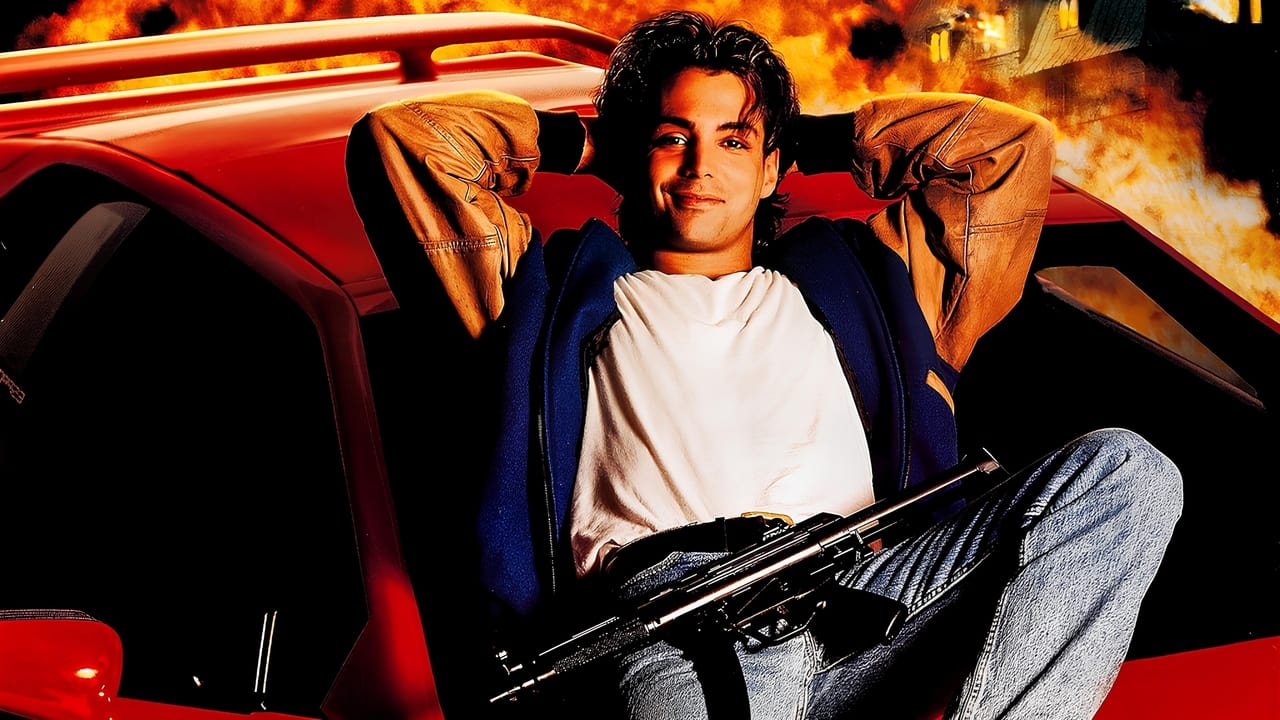
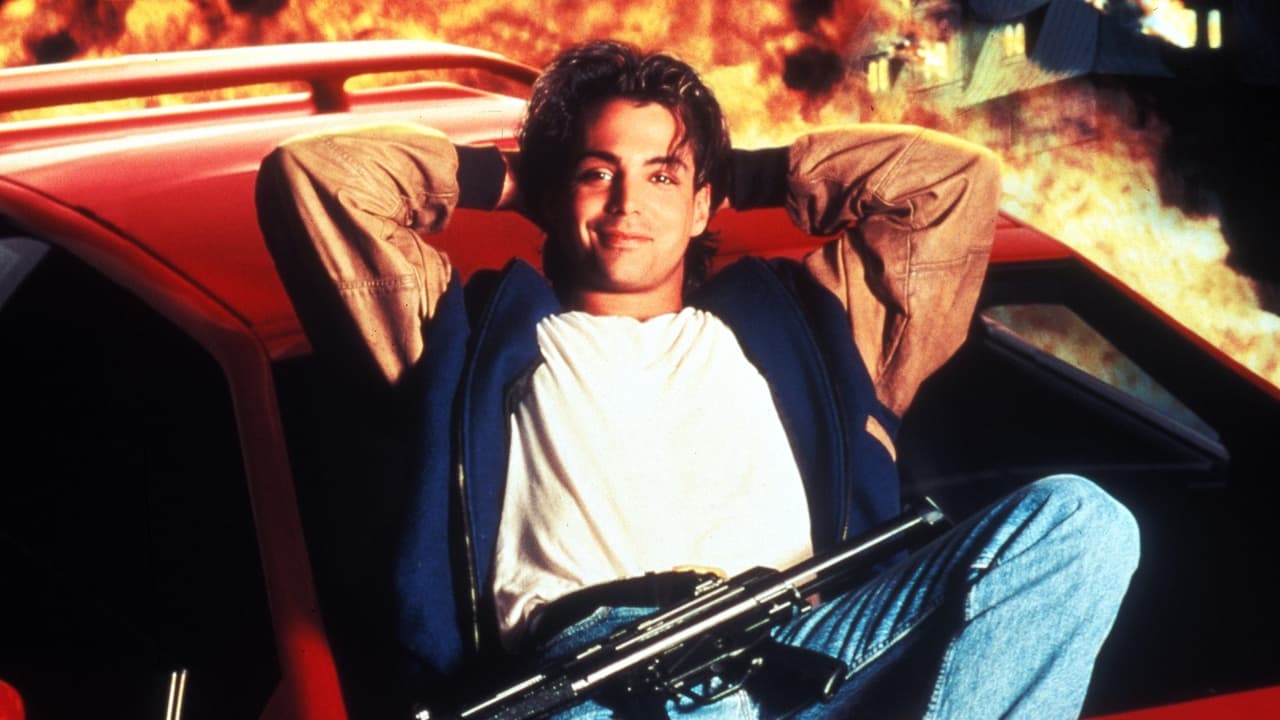
The premise is pure wish-fulfillment, soaked in early 90s attitude. We meet Michael Corben, played by Richard Grieco at the absolute peak of his 21 Jump Street / Booker heartthrob fame. Michael’s biggest concern is bluffing his way through French class to graduate and join his classmates on a celebratory trip to Europe. He’s all effortless cool and zero effort scholastics. Through a classic case of mistaken identity involving another Michael Corben – a real secret agent – our hapless hero finds himself whisked away on a first-class flight, equipped with lethal gadgets, and tasked with stopping a nefarious plot. This film was clearly designed as Richard Grieco’s launch vehicle into big-screen stardom, banking on his smoldering TV persona.
While Grieco certainly looked the part, channeling a sort of James Dean-meets-Eurospy vibe, his performance sometimes feels caught between playing the cool guy and reacting genuinely to the absurdity unfolding around him. But let’s be honest, we weren’t exactly expecting Brando. He carries the film with enough swagger and the occasional flash of comedic timing to make Michael a likable, if slightly wooden, accidental hero. It’s fascinating to note that the film originally went by the much more direct title Teen Agent, clearly signaling its target demographic.
### Villains Worth the Rental Fee
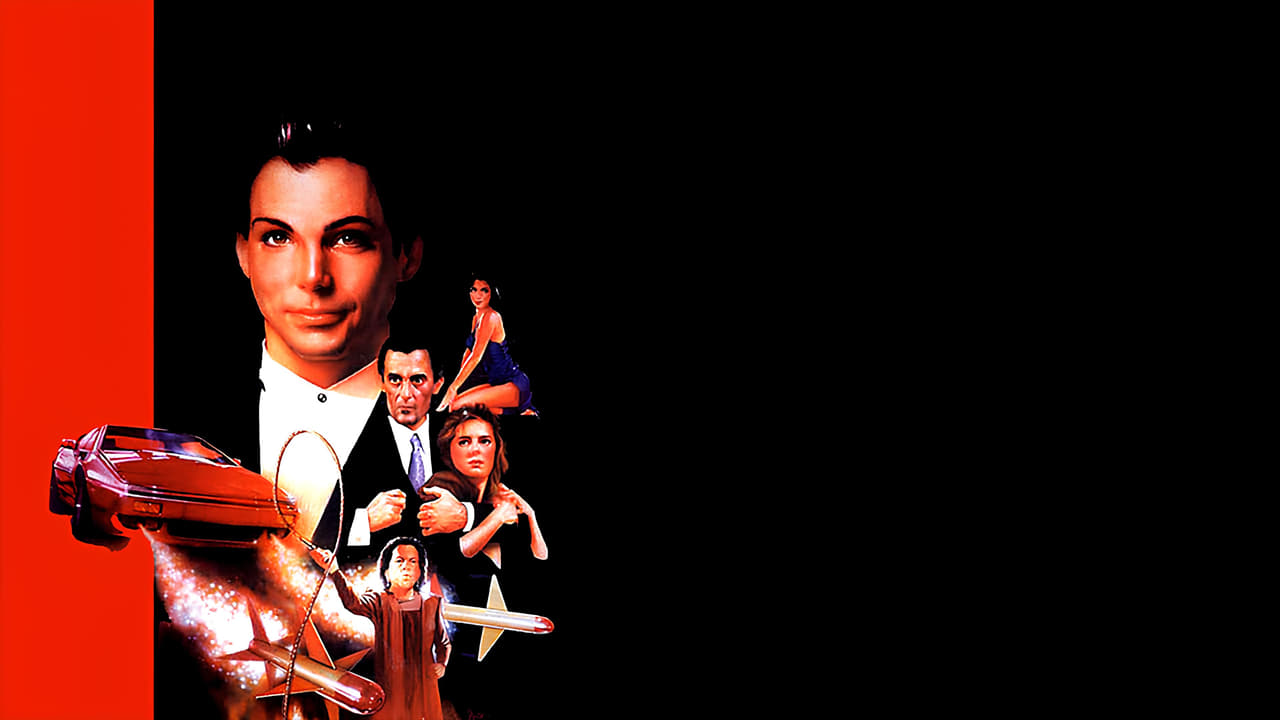
Where If Looks Could Kill truly shines, elevating itself beyond a simple teen comedy, is in its villains. Forget bland Eurotrash baddies; we get the absolutely inspired casting of Linda Hunt as Ilsa Grunt and Roger Rees as Augustus Steranko. Linda Hunt, an Oscar winner for The Year of Living Dangerously (1982), is terrifyingly hilarious as the diminutive but deadly assassin Ilsa. Her signature riding crop and imposing presence, despite her height, create a truly memorable antagonist. Watching her take down operatives with cold efficiency is one of the film's highlights.
Then there's Roger Rees, fresh off charming audiences in Cheers, who delivers a masterclass in suave, scenery-chewing villainy as Steranko, the mastermind aiming for European domination (naturally). Rees brings a theatrical flair and genuine menace that perfectly complements Hunt's deadpan lethality. Their dynamic provides the film with a much-needed dose of genuine threat and high-camp energy. You can tell both actors are having an absolute blast.
### Gadgets, Goofs, and Glorious Practical Action
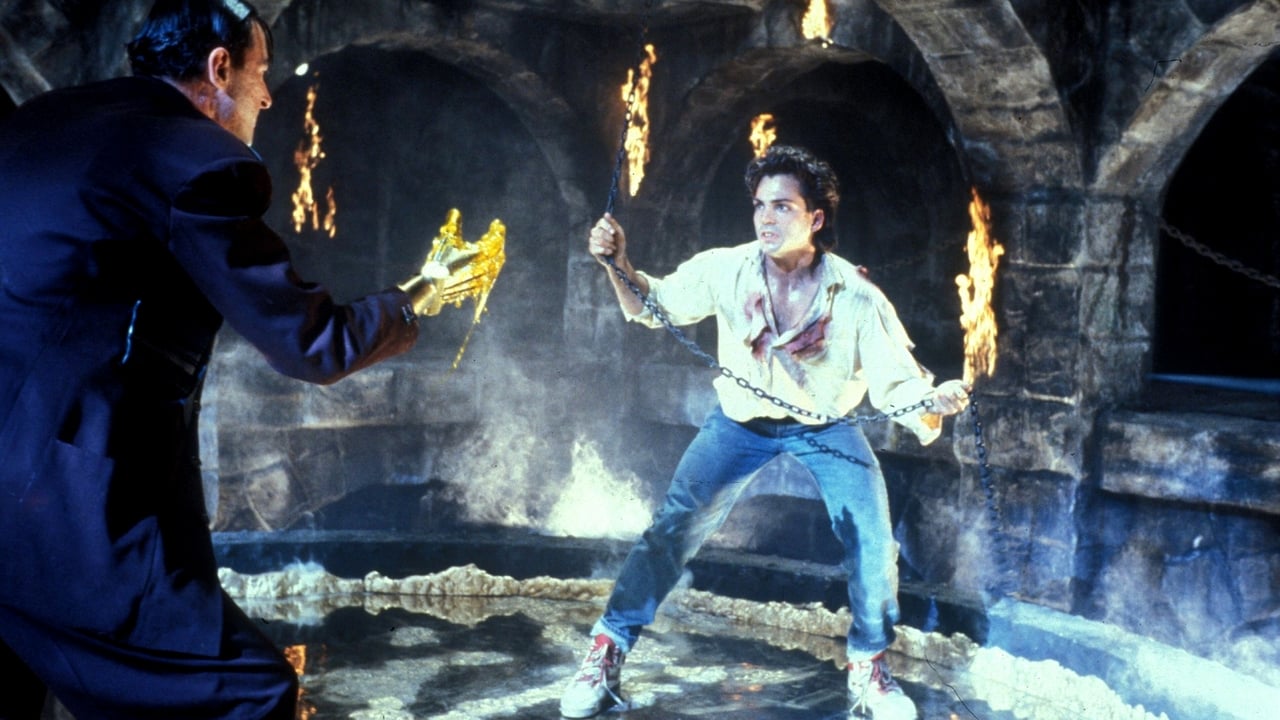
This being a spy spoof, the gadgets are front and center. Exploding chewing gum, suction-cup shoes for scaling walls, deadly formal wear, even X-ray sunglasses – it’s all delightfully silly and perfectly captures that pre-digital age charm. Remember how mind-blowing those simple, practical gadget effects seemed back then? No sleek CGI interfaces here, just clunky, tangible props that felt like they could almost be real.
The action sequences, directed by William Dear (who also gave us the surprisingly heartfelt Harry and the Hendersons (1987)), lean heavily into practical stunts and effects. There’s a certain weight and grit to the car chases and fistfights that feels distinctly old-school. When a car flips or an explosion goes off, you know it’s real metal bending and actual fireballs erupting on set – likely somewhere in Montreal, which stood in admirably, if not always convincingly, for various European locales. It lacks the slick polish of modern action, sure, but there's an undeniable thrill in seeing stunt performers execute dangerous maneuvers for real. You feel the impact in a way that pixel-perfect digital mayhem sometimes struggles to replicate.
### From Script Surprises to Box Office Stumbles
Digging into the film's DNA reveals some interesting behind-the-scenes tidbits. The script boasts credits from Fred Dekker, beloved by cult film fans for directing Night of the Creeps (1986) and The Monster Squad (1987), and, perhaps surprisingly, Darren Star, who would later create massive TV hits like Beverly Hills, 90210 and Sex and the City. That combination perhaps explains the film's blend of B-movie action sensibilities and teen-centric relationship drama.
Despite its fun premise and killer villains, If Looks Could Kill didn't exactly set the box office alight. It reportedly cost around $12 million but only managed to pull in about $7.8 million domestically. Like so many films we cherish from this era, it truly found its audience later, becoming a staple on cable TV and a popular rental at stores like the one where many of us first discovered it. And who could forget the theme song, "If Looks Could Kill (No Turning Back)" by Glenn Medeiros? Pure, unadulterated early 90s pop cheese.
### VHS Heaven Rating: 6/10
If Looks Could Kill isn't high art, and it certainly didn't make Richard Grieco the next Tom Cruise. The plot is wafer-thin, and some of the jokes land with a thud. However, buoyed by the brilliant villainous turns from Linda Hunt and Roger Rees, a game (if sometimes stiff) lead performance, some genuinely fun practical action, and a thick layer of early 90s nostalgia, it remains an incredibly entertaining watch. It's the kind of movie that feels perfectly at home on a slightly fuzzy CRT screen late at night – charmingly dated, undeniably goofy, but made with an earnest energy that’s hard to dislike. The rating reflects its status as a fun, if flawed, artifact – not a masterpiece, but a solid B-side hit from the video store days, carried by its antagonists and sheer nostalgic charm.
Final Take: It’s a time capsule of teen spy fantasy, where the stunts felt real because they were, and the villains were often more compelling than the hero – a perfect slice of early 90s action-comedy comfort food.