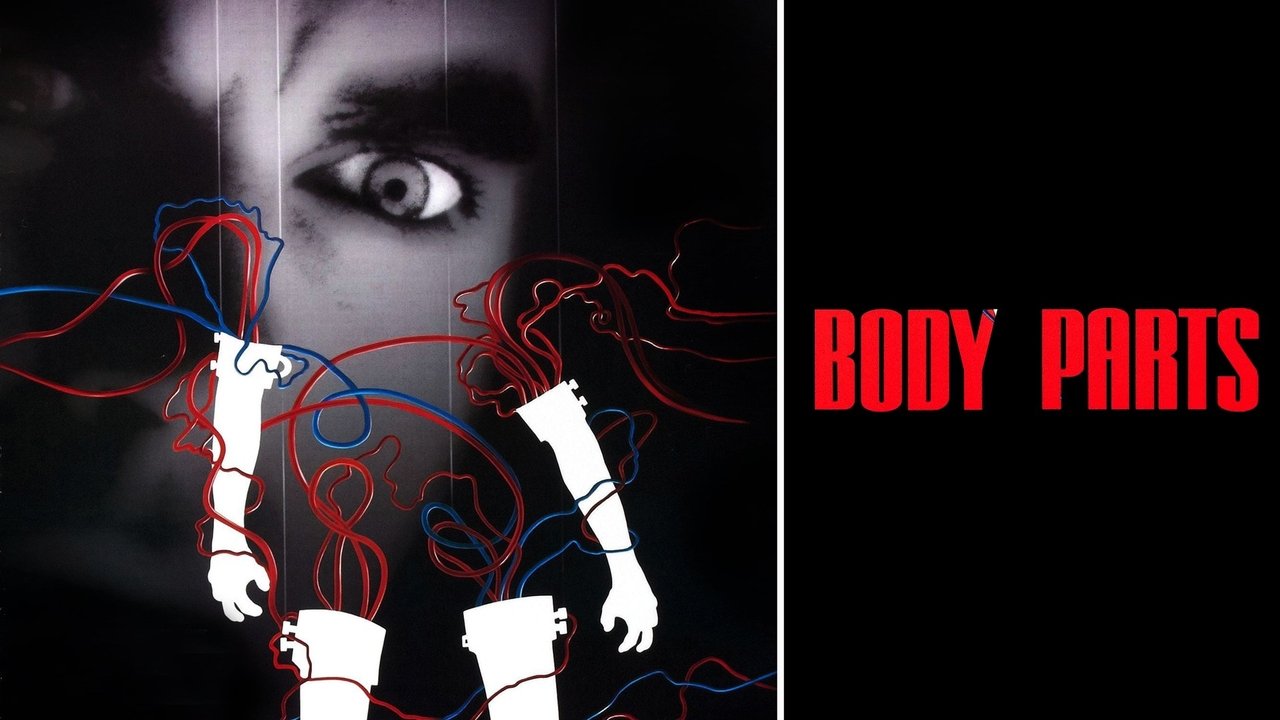
Sometimes, the most chilling horrors aren't born from spectral apparitions or cosmic dread, but from the violation of the self, the terrifying idea that our own flesh can betray us. Imagine losing a part of yourself, only to have it replaced by something... other. That's the cold, sharp hook upon which Body Parts (1991) hangs its grisly narrative, a film that still carries a palpable sense of unease decades after its troubled arrival on video store shelves.

A Pound of Flesh
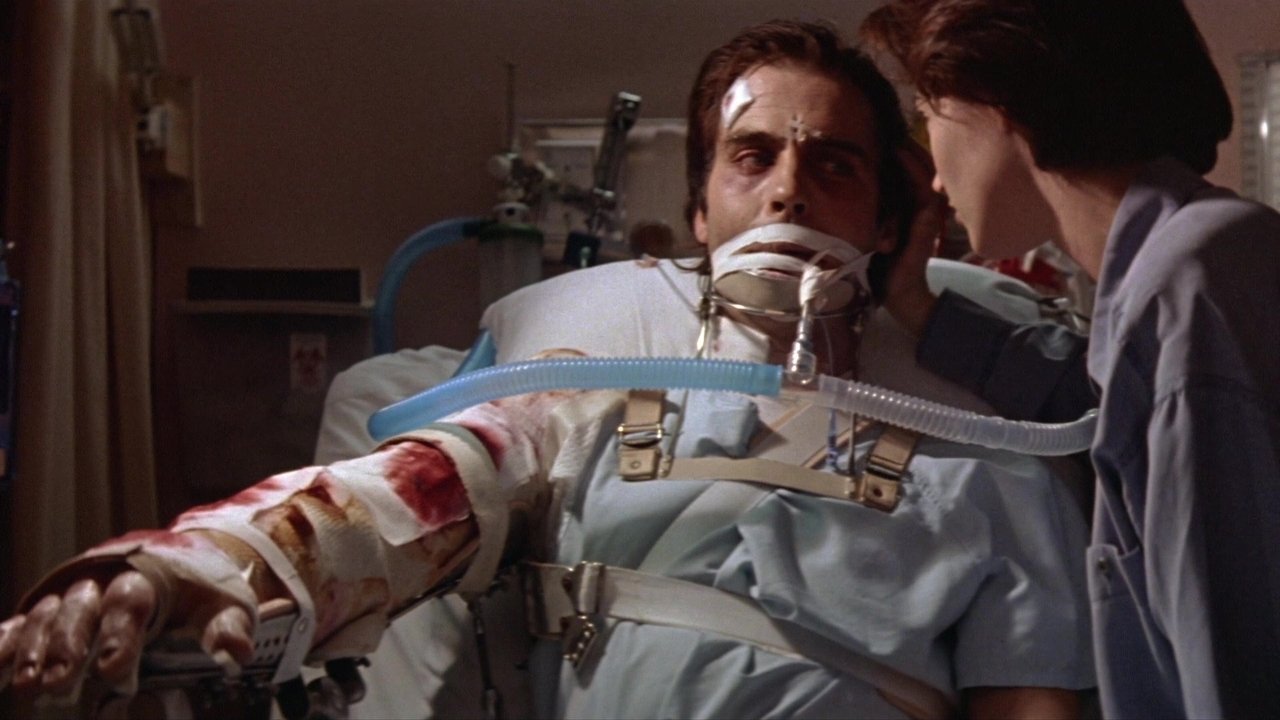
We're introduced to criminal psychologist Bill Chrushank, played with a wired intensity by Jeff Fahey. He's a man seemingly grounded, focused on his work and family. Then, a catastrophic car accident rips his arm away. It’s a sudden, brutal moment that director Eric Red (co-writer of Near Dark and writer of the relentless The Hitcher) stages with shocking efficiency. But science offers a miracle: Dr. Alice Webb (Lindsay Duncan) performs a pioneering full arm transplant. Relief washes over Bill, but it’s chillingly temporary. The new limb doesn't just feel foreign; it feels wrong. It possesses strength, scars, and increasingly, a will of its own, pulling Bill towards violence he doesn't understand. Doesn't that central concept just crawl right under your skin?
The Phantom Fury

Jeff Fahey truly anchors the film. His portrayal of Bill's descent is key – shifting from post-op confusion to dawning terror, and finally, to a desperate fight for control against his own appendage. You see the psychological toll, the paranoia blooming as the arm, tattooed and menacing, begins to dictate his actions. Remember those scenes where the arm lashes out? There's a raw, physical quality to Fahey's struggle that feels disturbingly real, especially in an era dominated by ambitious practical effects. It’s less about jump scares and more about the creeping dread of losing autonomy, one involuntary twitch at a time. The supporting cast, including Kim Delaney as Bill’s increasingly worried wife, serve their roles well, grounding the escalating weirdness in relatable human reactions.
Fragments of a Killer
The film cleverly expands its central mystery. Bill isn't the only recipient of parts from this mysterious donor. He tracks down others – a painter (Brad Dourif, perfectly cast) wrestling with an equally troublesome limb, a man whose new leg carries its own dark history. The horrifying truth gradually surfaces: the donor wasn't just some unfortunate soul; he was a condemned serial killer, his body parceled out in the name of medical advancement. It’s a genuinely disturbing twist, playing on fears of unseen legacies and the ethical boundaries of science. This plot element was drawn from the French novel Et mon tout est un homme (Choice Cuts) by Boileau-Narcejac, the same writing duo behind Les Diaboliques and Vertigo's source material, adding a layer of classic thriller pedigree to the proceedings.

Behind the Gore: A Troubled Birth
Body Parts has its own dark footnote in film history. Its release was significantly delayed and overshadowed by the arrest of Jeffrey Dahmer in the summer of 1991. Paramount Pictures, understandably nervous about releasing a film featuring graphic dismemberment and themes of transplanted body parts belonging to a killer during such a sensational real-life horror story, pushed the film back. It ultimately limped into theaters with little fanfare, grossing around $9 million against its $10 million budget. This unfortunate timing likely contributed to it becoming a somewhat overlooked early 90s horror gem, finding its true audience later on VHS. It's a shame, as Eric Red crafts some genuinely tense sequences, aided by Loek Dikker's effectively unnerving score. The practical effects, while occasionally showing their age, often land with visceral impact – that bar fight scene, for instance, remains memorably brutal.
The Sum of Its Parts
While Body Parts might occasionally stumble in pacing or strain credulity, its core concept is undeniably strong and executed with a grim conviction. Jeff Fahey delivers a committed performance, selling the psychological and physical horror of his predicament. The practical effects, particularly the gore, feel tangible and impactful in that distinct way only pre-CGI era horror could achieve. It taps into primal fears about bodily integrity and the darkness that might hide within seemingly life-saving advancements. It might not be high art, but it’s a potent slice of early 90s body horror with a nasty streak.
Rating: 7/10
Why a 7? Body Parts earns its points for a compelling and disturbing central premise, Jeff Fahey's strong lead performance capturing the internal struggle, and some memorably visceral practical effects sequences typical of the best 90s body horror VHS finds. The direction from Eric Red delivers genuine tension and atmosphere. However, it loses a few points for occasionally uneven pacing and the unfortunate real-world circumstances that hampered its initial reception, perhaps preventing it from reaching its full potential audience at the time.
For fans of gritty 90s thrillers and body horror that doesn't pull its punches, Body Parts remains a highly effective and often unsettling watch. It's a film that reminds you, sometimes the monster isn't hiding under the bed – it's grafted right onto your own shoulder. A definite must-find for any serious VHS horror hound digging through the crates.