Step away from the Rankin/Bass glow and the ubiquitous ballet specials for a moment, and let's dust off a different kind of holiday magic from the turn of the decade. Remember that animated Nutcracker movie? Not just dancing sugar plums, but one with dialogue, a proper quest, and a Mouse King who was genuinely, unsettlingly menacing? If a flicker of recognition just sparked, you're likely thinking of 1990's The Nutcracker Prince, a Canadian production that brought E.T.A. Hoffmann's original, darker fairy tale to life on our flickering CRT screens. It wasn't the most technically dazzling animation ever committed to cel, but it possessed a unique, earnest charm that lodged itself firmly in the memories of many who found its worn VHS case nestled amongst the holiday rentals.
A Tale Less Danced, More Told
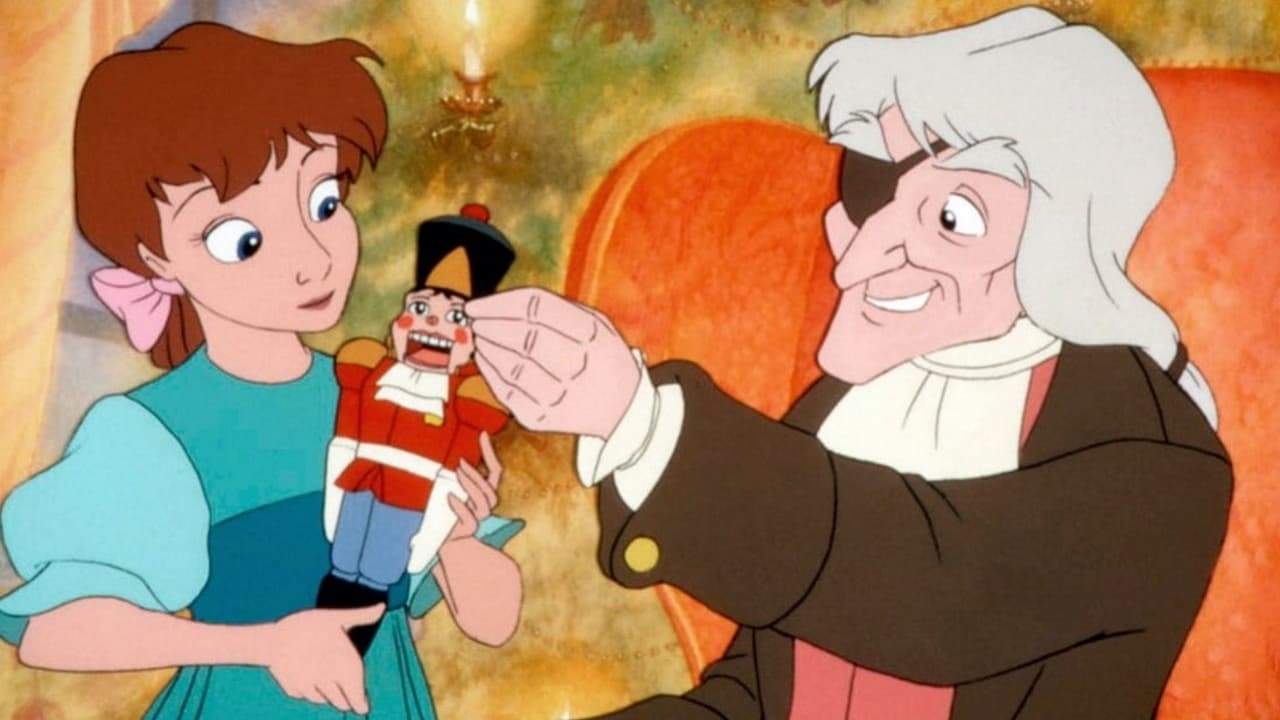
Directed by Paul Schibli (known to animation fans for the equally distinct The Raccoons series) and penned by Patricia Watson, this adaptation leans more heavily on Hoffmann's "The Nutcracker and the Mouse King" than simply the Tchaikovsky ballet it inspired. Yes, the familiar composer's iconic score weaves through the film, beautifully adapted, but the focus here is squarely on the narrative. We follow young Clara, gifted a somewhat plain wooden Nutcracker doll by her eccentric Uncle Drosselmeier on Christmas Eve. As midnight strikes, the doll springs to life – not just to dance, but to lead Clara's toys into battle against the invading forces of the fearsome, seven-headed Mouse King.
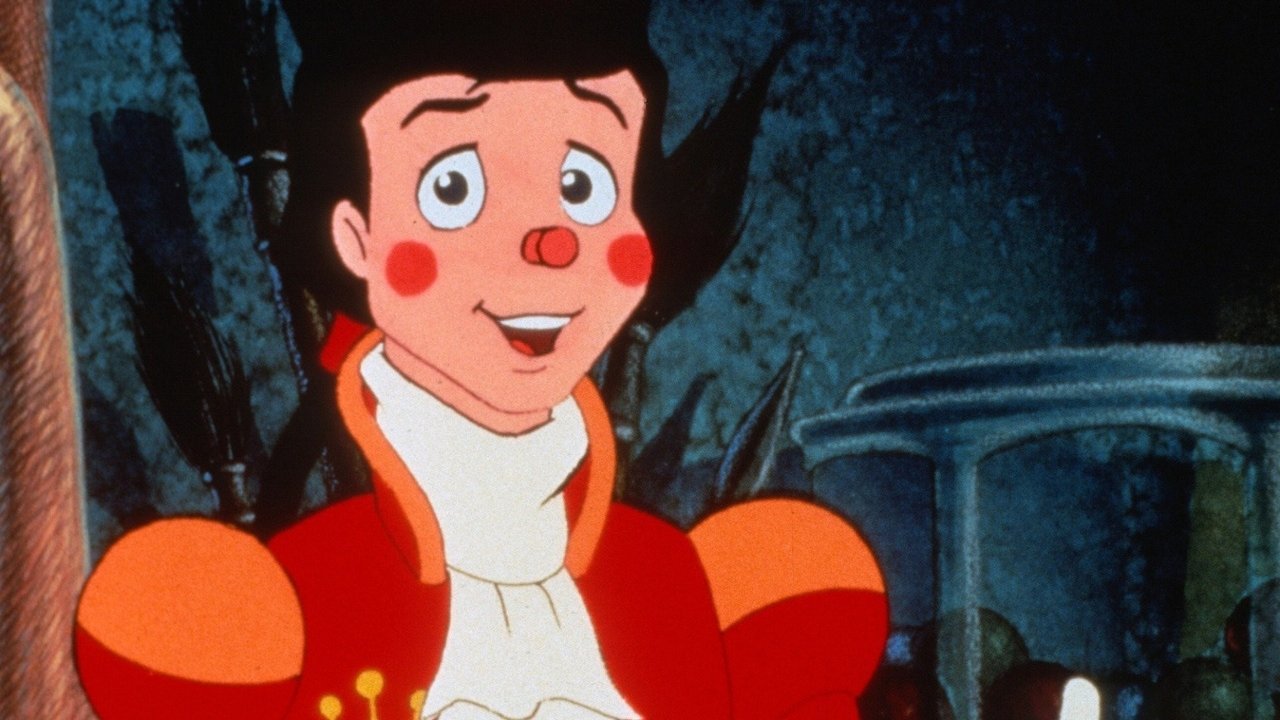
What set The Nutcracker Prince apart for many young viewers was its commitment to character and story. The Nutcracker wasn't just a prop; he was Hans, a young man cursed by the Mouse Queen, seeking to break the spell and defeat his nemesis. This added a layer of adventure and even a touch of young romance that felt quite different from the more abstract beauty of the ballet.
Voices of the Era
A huge part of the film's appeal, especially looking back, lies in its voice cast, featuring some prominent Canadian talent of the time. Lending his youthful intensity to the titular role is none other than Kiefer Sutherland, fresh off his Young Guns (1988) fame. His Prince isn't just heroic; there's a vulnerability and determination that makes him instantly rootable. Opposite him, as the brave and kind Clara, is Megan Follows, forever beloved as Anne Shirley from the landmark Anne of Green Gables (1985) miniseries. Her warmth and curiosity ground the fantastical elements. And who could forget the villain? The late, great Canadian comedian Mike MacDonald voiced the truly frightening Mouse King, delivering lines with a sneering malevolence that genuinely gave kids the creeps – that scarred face and echoing voice were pure nightmare fuel for some!
Hand-Drawn Charm and Holiday Atmosphere
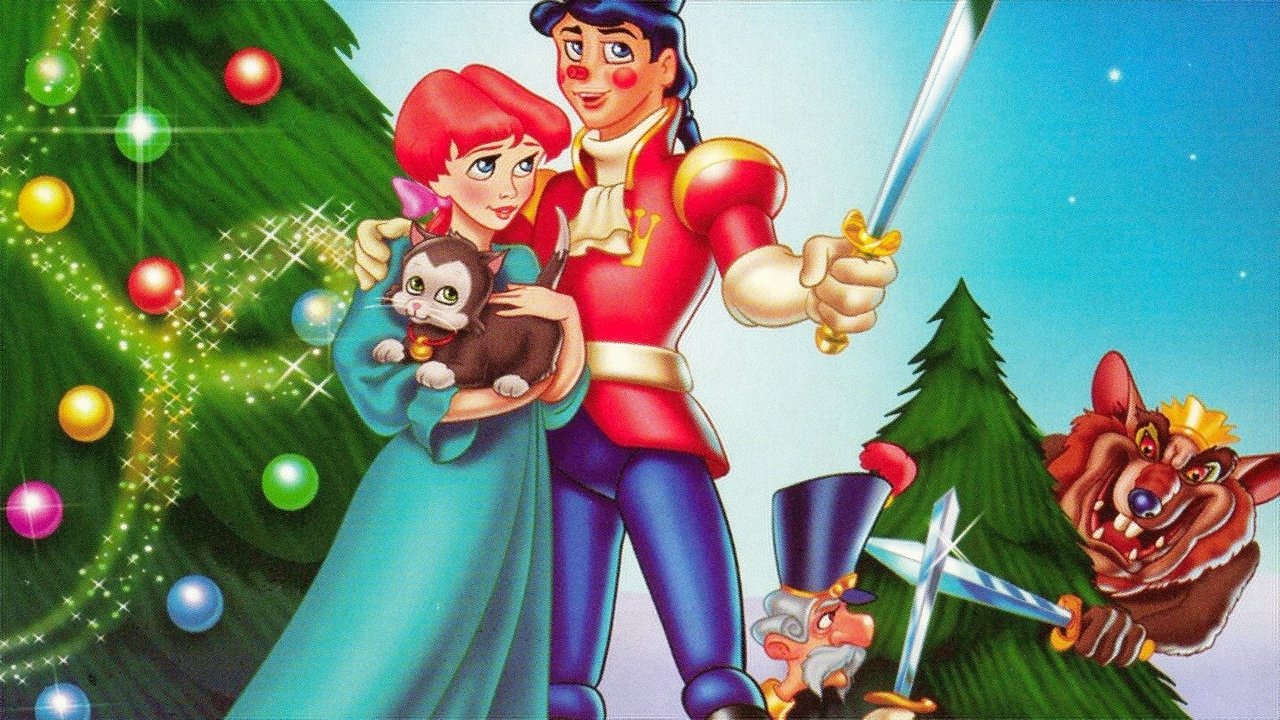
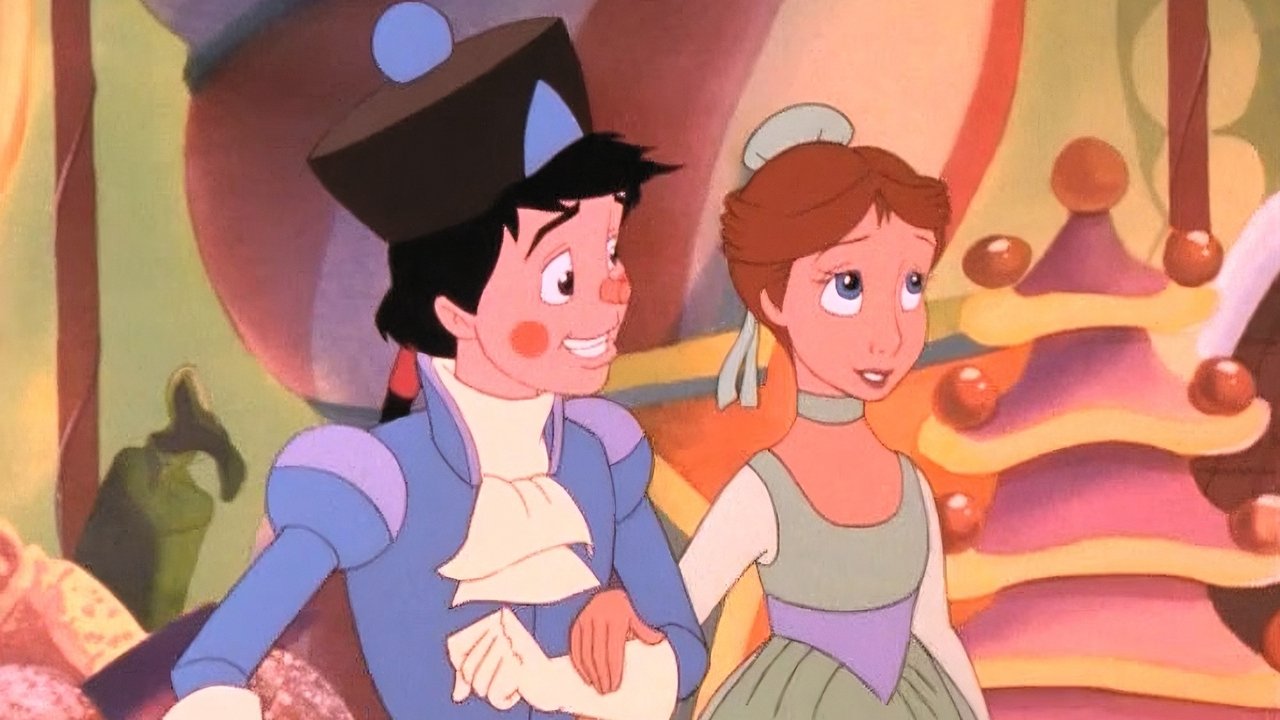
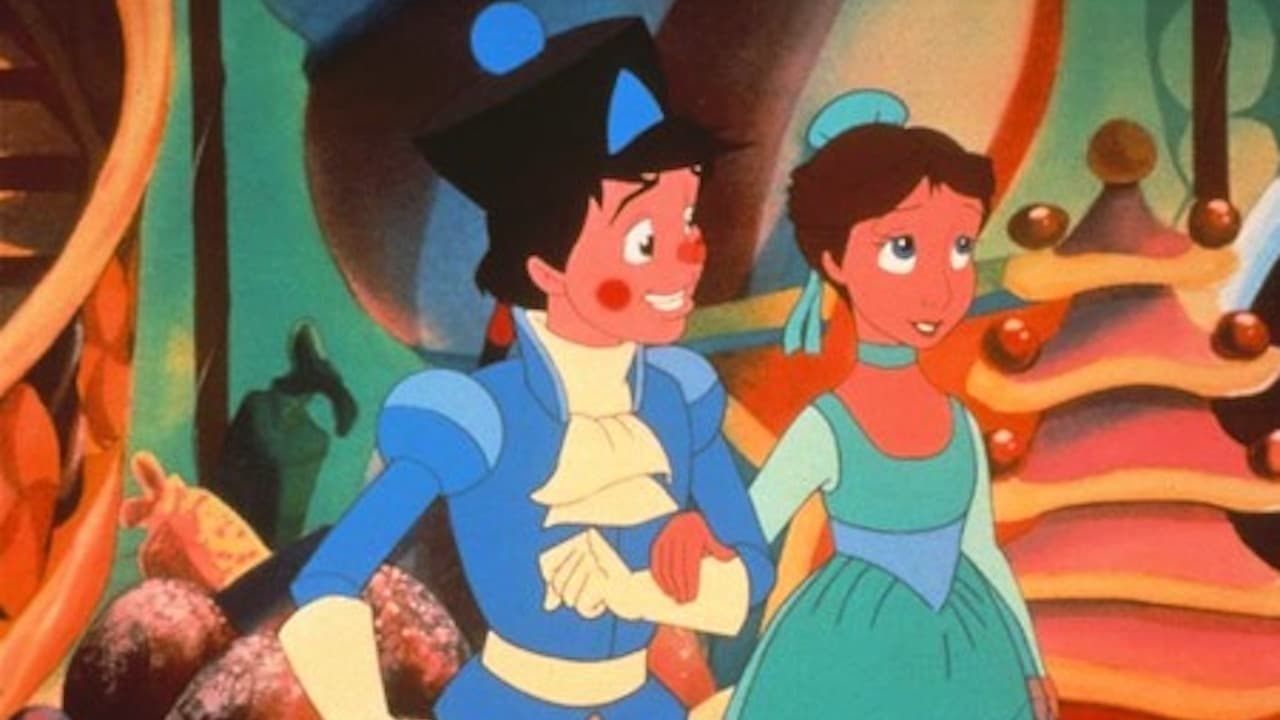
The animation style itself is distinctly non-Disney, possessing a slightly flatter, storybook quality common in many productions from studios like Nelvana or Lacewood Productions (the latter produced this). While it lacks the fluid polish of the Mouse House titans, there's an undeniable handcrafted feel. The character designs are memorable, particularly the unsettling look of the Mouse King and his rodent army, contrasting sharply with the cozy, Biedermeier-era Christmas setting of Clara's home. Director Paul Schibli manages to conjure a specific mood – one that balances festive warmth with moments of genuine peril and shadowy magic. Scenes like the battle amongst the oversized furniture in the parlor, or the journey through the Land of Dolls, have a dreamy, slightly melancholic quality that sticks with you.
Retro Fun Facts: A Box Office Nut to Crack
Interestingly, despite its familiar source material and notable voice cast, The Nutcracker Prince wasn't a runaway success upon its theatrical release. It reportedly cost around $9 million to make but only pulled in about $1.7 million domestically – a far cry from the animated blockbusters of the day. This likely explains why, for many of us, it became a cherished discovery through video rentals or television airings rather than a big-screen event. It embodies that spirit of finding a hidden gem on the shelves of Blockbuster or the local mom-and-pop video store. The film aimed to be truer to Hoffmann's original story, including the slightly darker elements and the backstory of how the Prince was cursed, which perhaps made it less universally accessible than purely whimsical holiday fare, but also gave it a unique depth.
Does the Magic Hold?
Watching it today, the animation certainly shows its age, and the pacing can feel a little sedate compared to modern animated features. Yet, the film's sincerity shines through. The voice acting remains strong, Tchaikovsky's music is timelessly effective, and the story itself – a tale of bravery, loyalty, and overcoming darkness – still resonates. It captures a specific type of holiday nostalgia, one tied to cozying up indoors and letting a slightly imperfect, but heartfelt, animated story transport you. It might not be the definitive Nutcracker adaptation for everyone, but for those who grew up with this version, it holds a special, perhaps slightly shadowed, place in their Christmas memories.
VHS Heaven Rating: 7/10
The Nutcracker Prince earns a solid 7 for its earnest storytelling, excellent voice work from Kiefer Sutherland and Megan Follows, a genuinely memorable villain in Mike MacDonald's Mouse King, and its unique blend of holiday cheer and slightly darker fairy tale elements. While the animation is dated and it wasn't a commercial hit, its specific mood and narrative focus make it a distinctive and fondly remembered piece of 90s animation, especially for those who discovered its magic on a well-loved VHS tape.
It's a charming reminder that sometimes, the most memorable holiday tales aren't the glossiest, but the ones that dared to show a little bit of the darkness alongside the light, just like the original Hoffmann story intended.